Best Boots for Woodworking in 2026: Matching the Right Model to Your Routine
Disclosure: We may earn a commission when you buy through links on this page, at no extra cost to you. As an Amazon Associate I earn from qualifying purchases. Learn more

Compare boots for woodworking for sawdust grip, toe cover and all day support on hard shop floors, with fit and care advice for your routine.
A wood shop asks a lot of your feet. You stand on concrete for hours, step through fresh sawdust, and move boards that can slip from your hands. The best boots for woodworking match that routine, not a hiking trail or a building site. Use the comparison table below to check each pair against your floor, your hours, and the kind of work you do most.
No single style wins for everyone. A hobby maker who sands for an hour needs less cushioning and less toe cover than a cabinet maker who lifts sheet goods all day. The sections below sort buyers by routine first, then explain the features that change comfort and safety in a shop.
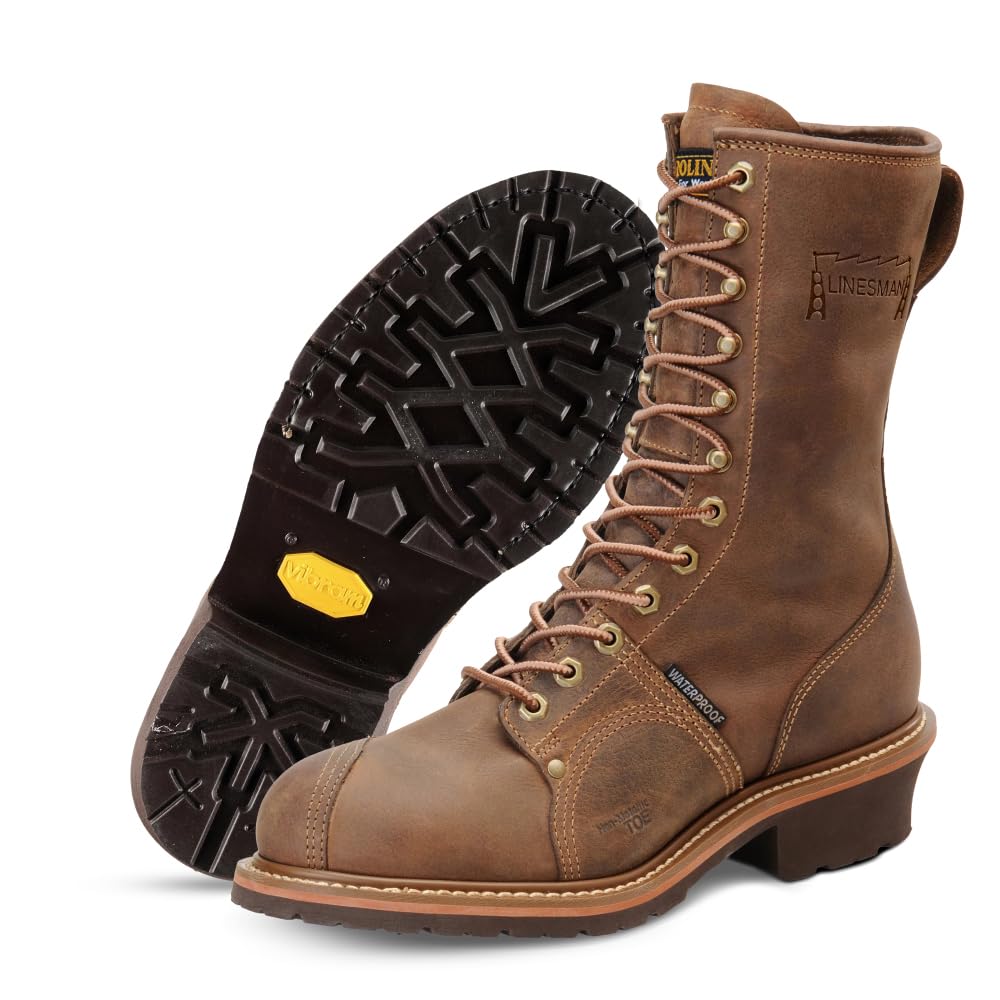


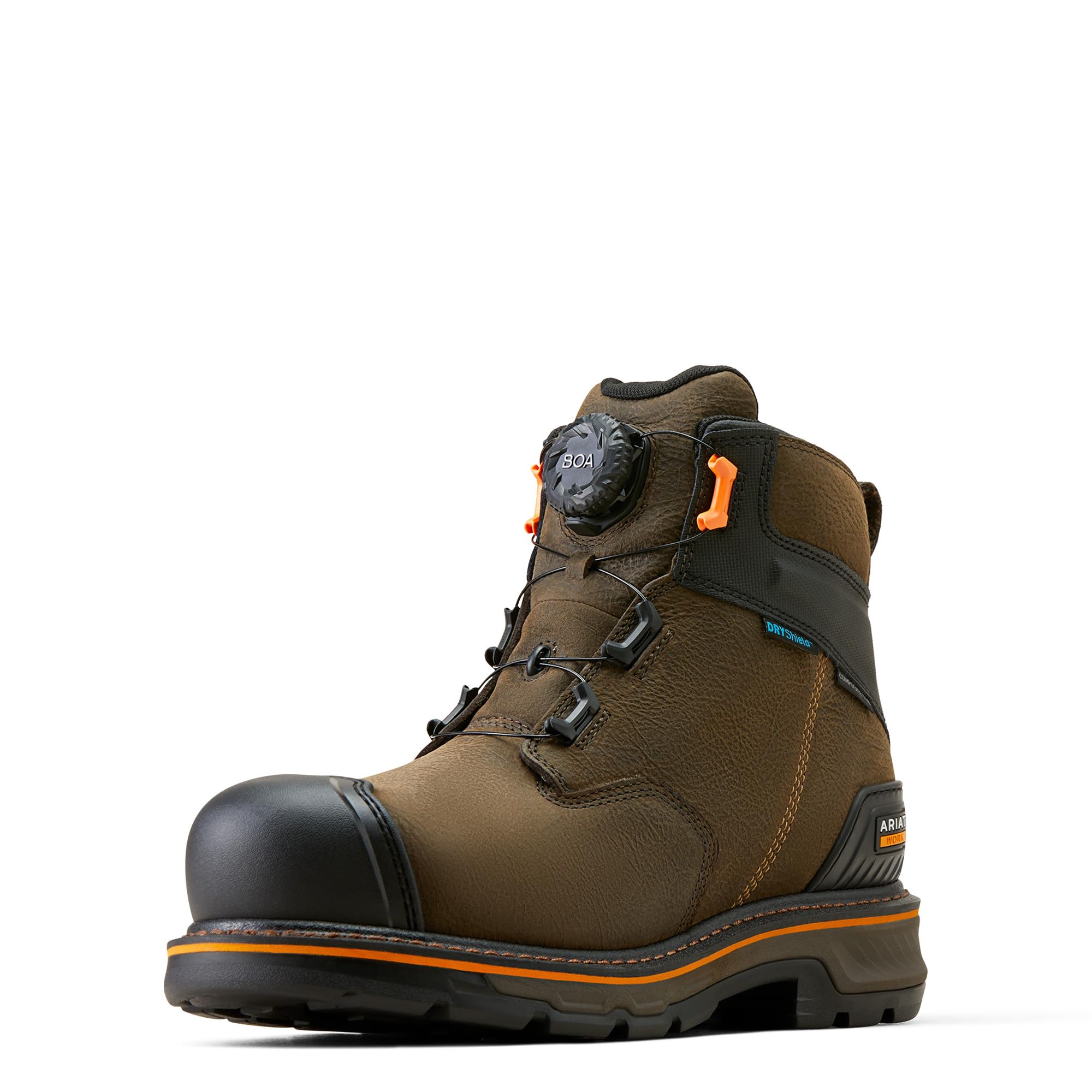


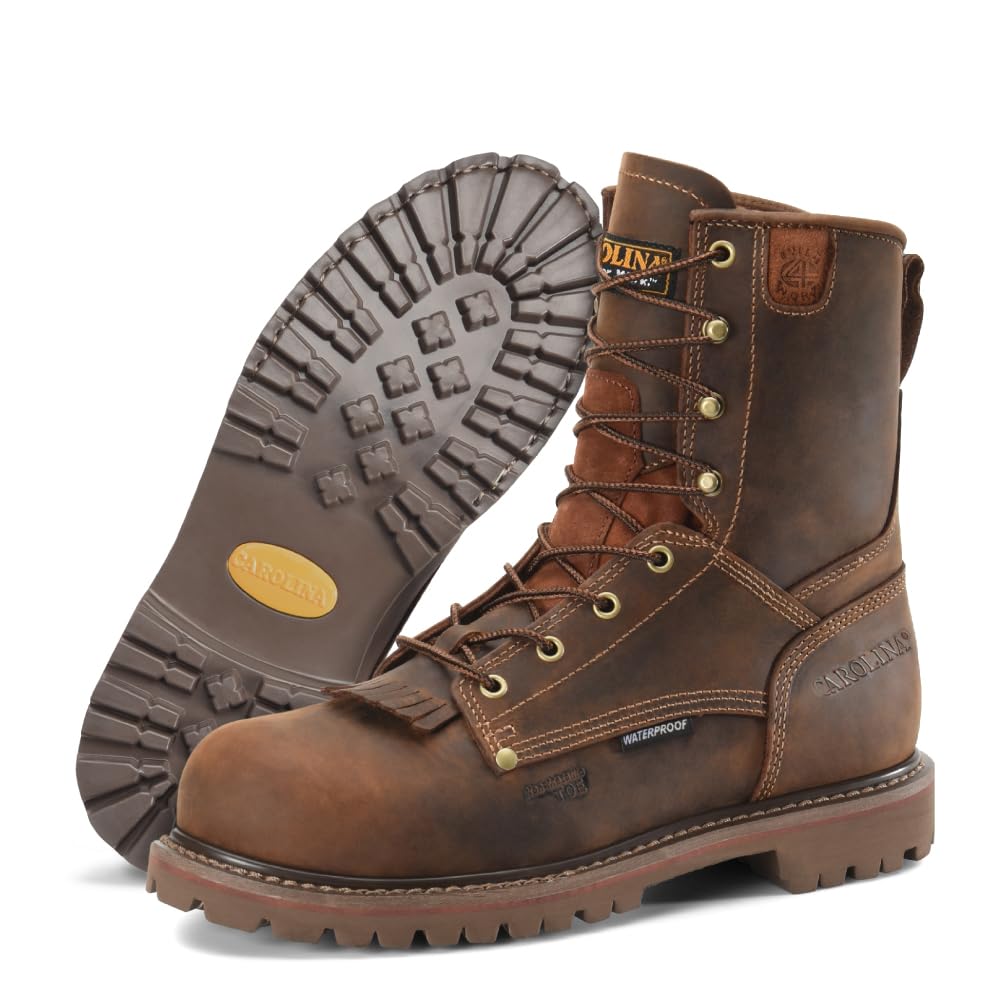

Which Woodworkers Need Which Boot Style?
Start with where and how long you work. Your floor, damp exposure, and loads carried will narrow the field faster than price.
Woodworkers in Damp Garage Shops and Cold Basements
You work where concrete stays cold and tracked in moisture mixes with dust near the door. Look for waterproof boots with a sealed upper and a sole that still grips when the floor is damp. A taller shaft keeps dust and small offcuts out. Choose a tread that clears mud at the door yet feels stable back at the bench.
Frequent Woodworkers Who Stand and Lift All Day
You cut, assemble, and finish for long stretches, and you carry lumber, panels, and tool cases across the shop. Prioritize firm cushioning, strong arch support, and a protective toe, because dropped board ends usually land on feet. Durability in the upper and sole matters more than low weight for you.
Weekend Beginners Building a First Shop Wardrobe
You build for a few hours at a time and want one pair that feels good from the first session. Choose a soft toe or composite toe boot with moderate cushioning and an easy fit, at a price around $80 to $140. You can skip heavy insulation and the tallest shafts until your projects demand them. A leather or sturdy fabric upper that brushes clean will serve most bench work and sanding well.
Key Features to Compare
Compare these factors in shop terms. Each answers a problem you will meet at the bench or at the saw.
Features That Matter for Woodworking
Woodworking puts steady pressure on feet rather than miles of walking, so protection and support outrank light weight here. A protective toe guards against dropped boards and clamps, while a puncture resistant midsole guards the sole of your foot from stray screws and nails in offcut piles. The best boots for woodworking also shed sawdust instead of trapping it, and they stay stable when you brace to push a board through a cut. Treat those needs as your first filter.
Leather and Synthetic Uppers in a Dusty Shop
Leather uppers resist scuffs from lumber edges and brush clean with a stiff brush, but they weigh more and dry slowly once soaked. Fabric and mesh panels feel cooler and lighter during long summer sanding, yet they hold fine dust in the weave and offer less scuff cover. Many boots mix both, with leather at the toe and breathable panels at the sides. Choose mostly leather for rough lumber handling, and more open panels if your shop runs warm.
Outsole Traction on Sawdust Covered Floors
Fresh sawdust on concrete or plywood acts like a loose layer under your heel, so tread shape matters more indoors than deep lugs do. Look for a broad, fairly flat rubber outsole with many small edges that bite through dust to the floor below. Very deep lugs can pack with dust and feel tippy on flat ground, while a smooth sole can skate on dust near the saw. Oil resistant rubber is a useful bonus if you apply finishes or work near machine oil.
Arch Support and Foot Type
Standing on hard floors loads your arch in one place for long periods, and tired arches often ache before your legs do. Flat feet usually feel best with firm arch support and a stable heel cup that limits inward roll. High arches usually need more cushioning under the heel and forefoot, because the foot spreads less load on its own. If you use custom insoles, check for a removable insole and enough depth to fit yours without lifting your heel.
Toe Room and Sizing for Long Shop Days
Try boots late in the day, when your feet are at their largest, and wear the socks you plan to work in. You want about a thumb width of space in front of your longest toe, with no pinch across the widest part of your foot. A wide toe box lets toes spread as you stand and crouch, which helps balance during lifts. Your heel should stay seated when you walk, because a loose heel creates blisters and makes steps less predictable on dusty floors.
Choosing Toe Cover and Boot Height for Your Shop Tasks
Soft toe boots suit light bench work, sanding, and finishing, where your main loads are hand tools and small parts. Steel toe boots suit lumber handling and demolition in the shop, and composite toe boots give similar cover with less weight and less cold transfer in winter. Match the rating on the boot to the heaviest item you handle, not to the heaviest item you can imagine.
A boot of about 6 inches supports the ankle during lifts and keeps dust out, while a boot near 8 inches adds cover for outdoor lumber runs. Taller also means warmer and slower to put on. Stray fasteners and offcuts on the floor are a shared hazard at every station, so keep soles clear and check them often.
Common Mistakes to Avoid
- Buying by price alone leaves you with thin soles that ache on concrete and wear smooth within a season.
- Choosing deep trail lugs for a flat shop floor packs them with sawdust and makes each step feel unstable.
- Sizing boots with thin dress socks makes the same pair feel tight once you switch to thick work socks.
- Ignoring toe cover for lumber days risks a crushed toe from a board end that slips out of your grip.
- Wearing new boots for a full build day without a break in period invites blisters that linger for a week.
Keeping Shop Boots Clean and Sound
Knock soles together outside and brush dust from uppers and laces after each session, because packed sawdust holds moisture against leather and stitching. Pull insoles out when boots feel damp and let the pair air dry away from direct heat, since a hot vent can crack leather and warp sole glue. A second pair in rotation gives each pair a full day to dry between long sessions.
Condition leather uppers when they look dry or pale, following the maker directions for that finish, and check laces for fraying near the eyelets. Inspect soles each month for embedded screws, smooth patches, and cracks. Store boots upright away from finish cans and solvents, which can soften some rubber.
Boots: Your Questions Answered
How long is the break in period for woodworking boots?
Most woodworking boots feel settled after about one to two weeks of short sessions. Start with an hour or two of bench work, then add time as any stiff spots soften. Leather models usually take longer than fabric models. If a spot still rubs after two weeks of gradual wear, the size or shape is likely wrong rather than the boot simply needing more time.
Can I wear woodworking boots all day on concrete?
Yes, you can wear woodworking boots all day on concrete if the cushioning and arch shape suit your feet. An anti fatigue mat at your main bench reduces load further and costs little. Sit for glue drying and finish coats when you can, because short breaks change which part of the foot carries your weight. Persistent heel or arch pain is a sign to change insoles or footwear, not a normal price of shop work.
How should woodworking boots fit in the toe and heel?
Woodworking boots should feel snug at the heel and midfoot with clear space at the toes. Toes should never press the front when you crouch or step down from a platform, and the heel should lift only slightly as you walk. Lace firmly over the instep first if the heel slips, because fit at the laces often settles the heel without a size change. Try both feet, since one foot is often a little longer.
How often should I replace woodworking boots?
Replace woodworking boots when the tread turns smooth, the midsole feels flat, or the upper cracks at the flex point. For daily shop use that point often arrives after about one to two years, and later for weekend use. A boot can look sound on top while the sole has lost grip, so judge by feel on a dusty floor as well as by looks. Retire protective toe boots after a heavy impact on the toe cap.
Are expensive woodworking boots worth the extra cost?
Expensive woodworking boots are worth it when you stand daily and need stronger materials, better support, and resoling options. Higher prices often buy thicker leather, sturdier stitching, and soles that a cobbler can replace, which spreads the cost over more years. For a few hours each month, a mid priced pair around $100 to $180 usually covers the same safety needs. Spend first on fit and toe cover, and only then on premium finishes.
Our Verdict
Match the boot to your routine in this order: toe cover for what you lift, grip for your dusty floor, and support for your longest standing stretch. Use the product table above to compare height, toe type, and price once those three points are clear.
Chosen that way, the best boots for woodworking feel like part of the shop that quietly does its job. Pick the pair that fits your feet and your floor, and get back to the build.