
Best Brick Ovens: Types Compared and How to Choose for 2026
Disclosure: We may earn a commission when you buy through links on this page, at no extra cost to you. As an Amazon Associate I earn from qualifying purchases. Learn more
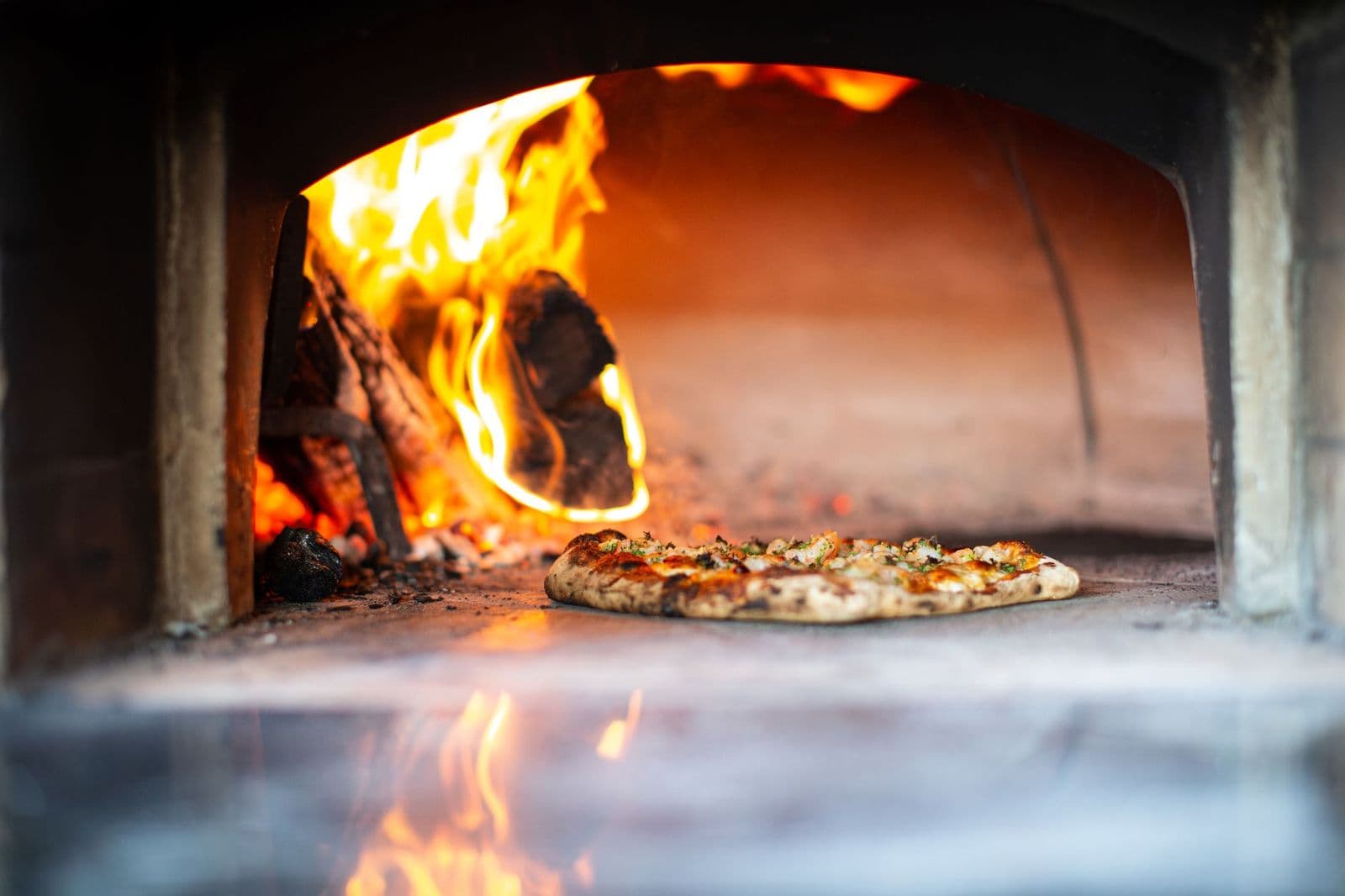
Types, fuels, sizes, and care for the best brick ovens, from backyard wood fired domes to compact countertop styles.
Brick ovens range from a small countertop unit for one pizza to a large built in backyard oven that becomes the center of your cooking space, and the names can blur together. This guide compares types clearly so you can judge the best brick ovens by fuel, size, heat up time, and where the oven will actually live. Use the type sections below to match an oven to your space and cooking habits.
The right choice is rarely the biggest oven. It is the one whose footprint, fuel supply, and heat retention fit your yard or kitchen and the food you cook most weeks.
Types of Brick Ovens Compared
All brick ovens use a masonry dome or brick lining to hold heat, but they differ in fuel and build. Wood fired ovens give the classic high heat and flavor. Gas and dual fuel designs add control and convenience. Smaller countertop and portable brick style ovens trade peak heat and capacity for speed and price. Read each type for how it works and who it suits.
Gas Fired Brick Ovens
Gas fired brick ovens use a burner to heat the brick dome and floor. They heat predictably, hold a set temperature more easily than wood, and suit bakers who want steady heat for bread as well as pizza. You lose the wood smoke flavor and you need a safe gas connection and ventilation plan. Prices often start around $1,500 for smaller units and rise with size. Choose gas if you value control and repeatable results over ritual and smoke.
Dual Fuel Brick Ovens
Dual fuel brick ovens can burn wood and gas, sometimes in the same chamber with a fitted burner. You get wood flavor when you have time and gas convenience on weeknights, plus gas can help bring a cold dome up to heat faster before you switch to wood. The trade offs are higher price, usually about $2,000 and up, and more parts to maintain. Choose dual fuel if you cook often, entertain, and know you will use both fuels rather than paying for a feature you try once.
Electric Brick Style Ovens
Electric brick style ovens use electric elements to heat a brick or stone floor. They are easy to place indoors, need no chimney, and suit apartments. Peak heat is lower than wood fired domes, so crust results differ. Choose electric if indoor use and simple setup matter most.
Portable Brick Style Ovens
These are compact countertop units you can move to a patio table or take to another home. They heat in as little as 15 to 30 minutes, cost roughly around $300 to $900, and cook one pizza or a small batch at a time. They suit renters, small yards, and beginners testing whether they enjoy this cooking style. The limits are capacity and heat retention. The dome cools faster between cooks, so back to back pizzas need short reheating pauses.
If countertop size is your main constraint, our guide to the best countertop oven options helps you compare indoor footprints before you commit to a masonry style unit.
Gas Fired vs Dual Fuel Brick Ovens: Which Should You Choose?
Compare gas only and dual fuel brick ovens on five points. For flavor, dual fuel wins when you burn wood. For ease, gas only is simpler, with fewer fittings and lower cost. For heat control, both hold steady temperatures well, though dual fuel needs care when switching fuels. For running cost, gas cost depends on your supply, while wood cost depends on seasoned hardwood access. For resale and long term flexibility, dual fuel appeals to more future buyers. Choose gas only if you want calm and repeatable baking every time. Choose dual fuel if variety and entertaining are central to how you cook and the higher budget is comfortable.
How to Choose the Right Brick Oven
Size and Footprint
Measure the full footprint, not just the cooking floor. A 30 inch or 36 inch class oven needs extra room for insulation, the stand, door swing, and safe clearance from walls and fences. Check door and gate widths on the delivery path, because a heavy dome that cannot reach the yard is a costly problem. Freestanding units on stands are more flexible than built in units that need masonry work. Leave working space in front for a peel, trays, and hot pans.
Oven Capacity and Convection
Capacity is about floor area and dome height together. A small floor cooks one pizza at a time, a larger floor can hold two pizzas or a roast pan plus vegetables. Brick ovens do not use convection fans the way indoor ovens do. Heat moves by radiation from the dome, conduction from the floor, and natural air flow. That mix is why placement of food matters. Move dishes closer to or farther from the fire to adjust browning, and rotate pans for even results.
Fuel Type: Wood, Gas, Electric, or Dual Fuel
Wood gives the highest heat, often above 700 degrees Fahrenheit at the floor, and the most flavor, but it needs dry hardwood, storage, and fire skill. Gas gives control and cleaner setup at a higher install cost. Electric gives indoor ease with lower peak heat. Dual fuel gives both wood and gas at the highest price. Compare total setup cost, including stand, chimney parts, gas line work by a licensed installer, and local rules on wood burning, not just the oven price.
For readers also weighing a standard kitchen oven, our guide to the best gas ovens covers indoor gas cooking, which is a different purchase from a gas fired brick oven.
Controls and Smart Features
Most brick ovens keep controls simple: a burner dial on gas models, a door to manage air flow, and a thermometer in the dome or floor. Built in gauges vary in accuracy, so many owners use an infrared thermometer to read floor heat directly, a practical tool that costs little and improves consistency. WiFi probes can help with roasts but are not essential for pizza. Value good insulation and a tight fitting door over smart features, because retained heat decides how many dishes you can cook from one firing.
Cleaning and Ash Removal
Brick ovens are largely self cleaning by heat. A hot firing burns off food residue on the floor and dome, and you brush ash out after the oven cools. There is no pyrolytic cycle or steam clean program as on an indoor range. Never use water inside a hot brick oven or chemical oven cleaners on cooking surfaces, because thermal shock can crack brick and chemicals can soak into masonry. Keep cleaning simple: brush, scoop ash with a metal container, and wipe the outer entry with a damp cloth when cool.
Safety note: use any fuel burning oven outdoors or with approved ventilation only, keep a clear zone around it, and never leave a live fire unattended. Follow local codes for chimneys, gas work, and fire safety, and keep children and pets away from hot surfaces, which stay hot for hours.
Care and Maintenance Tips
Cure a new brick oven slowly with a series of small fires as the maker directs, because rushing this step can crack the dome as moisture leaves the masonry. Keep the oven dry with a cover or roof, and repair small cracks in insulation or render promptly so water does not enter. Sweep the floor before cooking, store wood off the ground under cover, and check gas hoses and fittings for wear each season. If your oven sits unused through winter, inspect the chimney for nests or blockage before the first firing.
Frequently Asked Questions
How long does a brick oven last?
A well built brick oven can last decades, because masonry and insulation wear slowly when kept dry. What fails first is usually the door, thermometer, burner, or outer finish, all of which can be serviced. Protecting the dome from water entry matters more than any other habit. Small hairline cracks in the inner dome are common with heat cycles and often do not affect cooking, but growing cracks should be checked.
Do I need a special outlet for an electric brick oven?
For an electric brick style countertop oven, check the wattage and circuit needs in the manual before you buy. Many compact units run on a standard kitchen outlet, while larger electric ovens may need a dedicated circuit. Never use an extension cord with a high draw heating appliance. If you are unsure about your wiring, ask a licensed electrician to confirm the circuit, especially in older kitchens with shared outlets.
Is convection worth paying extra for?
For a brick oven, convection in the indoor oven sense is not the feature to chase. Even cooking comes from dome shape, insulation, and how you place and rotate food. Pay extra instead for thicker insulation, a better door, and a floor material that holds heat, because those improve every cook. If you also bake delicate items indoors often, a separate indoor convection oven may serve you better than expecting one outdoor oven to do everything.
What size brick oven do I need for my kitchen?
Most home cooks do well with a cooking floor that holds one large or two small pizzas, which keeps heat up time and fuel use reasonable. Go larger only if you regularly cook for groups or bake many loaves in one firing. Remember that total size includes stand and clearance, so a modest oven that fits safely beats a large oven squeezed against a fence. Measure twice, including delivery access, before you order.
Is electric better than gas?
Neither is simply better for a brick oven, because they serve different setups. Electric cooking wins on placement and ease, with no flame or chimney. Gas fired brick cooking wins on steady high heat and larger capacity. Choose by location first. If the oven must live indoors, electric is the practical path. If it lives outdoors and you want bread and roast performance, gas or wood will satisfy you more.
Shoppers comparing build quality across oven types may also find our guide to the best quality ovens useful for judging materials and warranty terms.
Our Verdict
Decide location and fuel first, then size the oven to your usual group, and spend on insulation and a good door before smart extras. Wood and dual fuel suit outdoor cooks who want high heat and flavor, gas suits steady bakers, and compact electric or portable styles suit small spaces. With those calls made, the best brick ovens are straightforward to compare. Check local codes and use qualified installers for gas and masonry work.


