
Best BP Watches 2026: A Blood Pressure Watch Guide
Disclosure: We may earn a commission when you buy through links on this page, at no extra cost to you. As an Amazon Associate I earn from qualifying purchases. Learn more

Learn how to choose bp watches for blood pressure tracking, covering accuracy limits, cuff calibration, useful features, and clinician guidance for safe use.
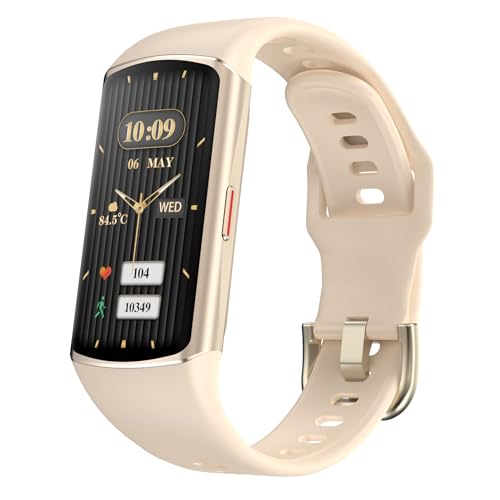
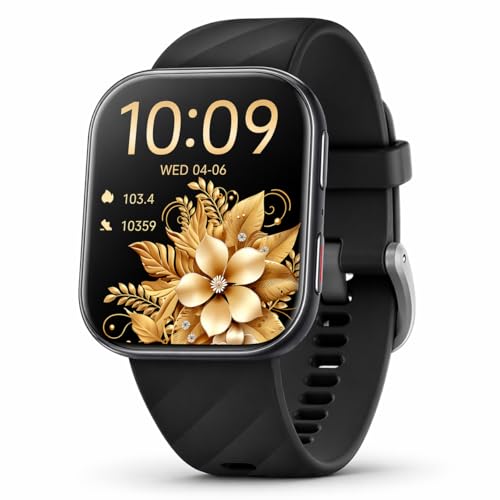
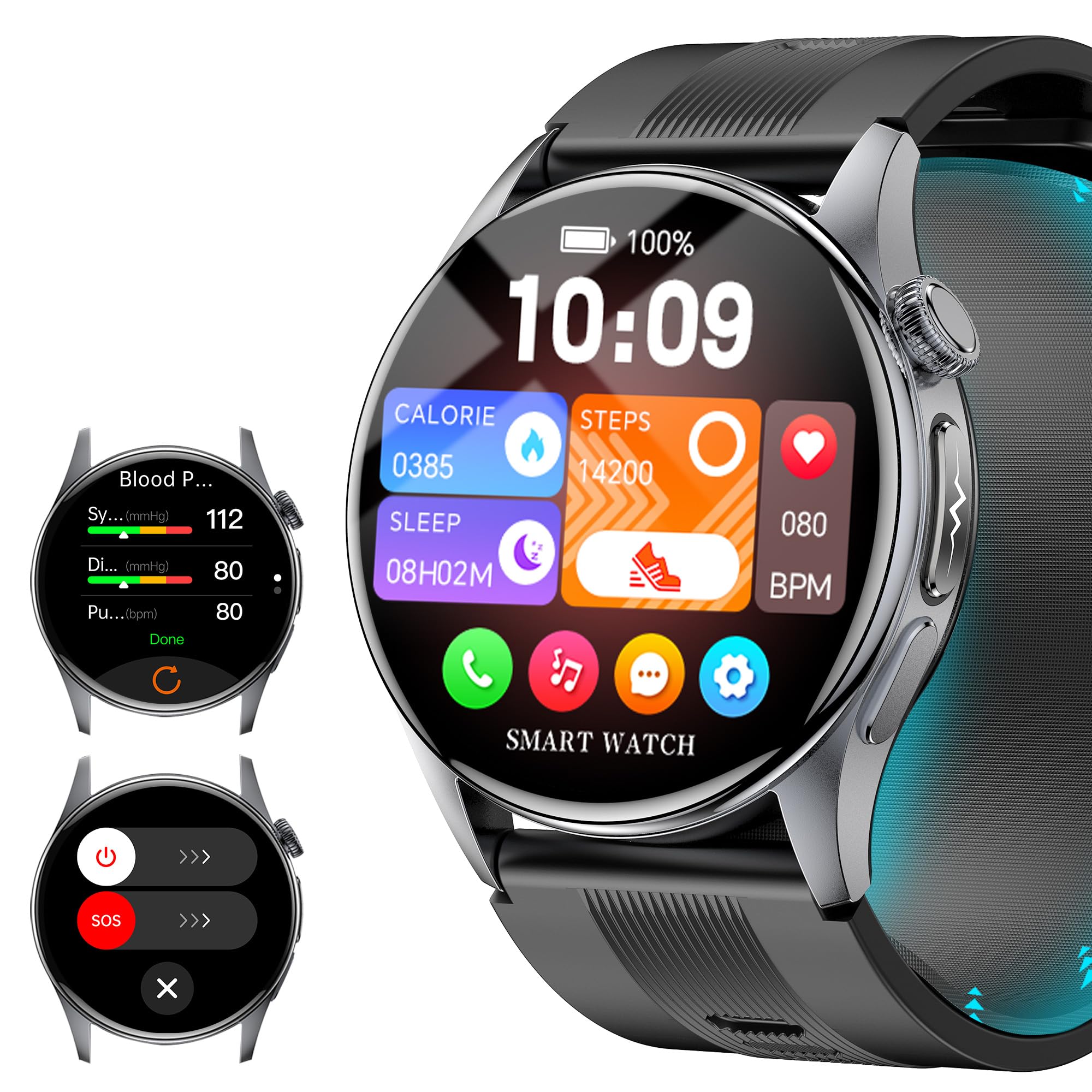
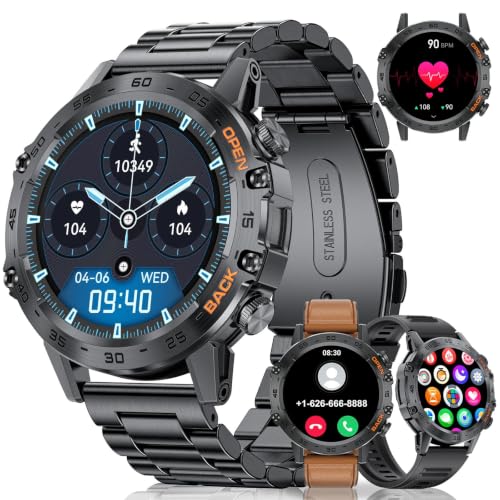
best bp watches promise convenient blood pressure readings from the wrist, but their accuracy and limitations deserve careful understanding before you rely on them. The comparison table below gives a quick overview, while this guide explains measurement methods, calibration, and safe use in plain terms.
Blood pressure watches appeal to people who want frequent, discreet readings without a traditional arm cuff. They can support awareness and discussion with a clinician, but they do not replace medical grade measurement for diagnosis or treatment decisions. Knowing their limits protects your health decisions.



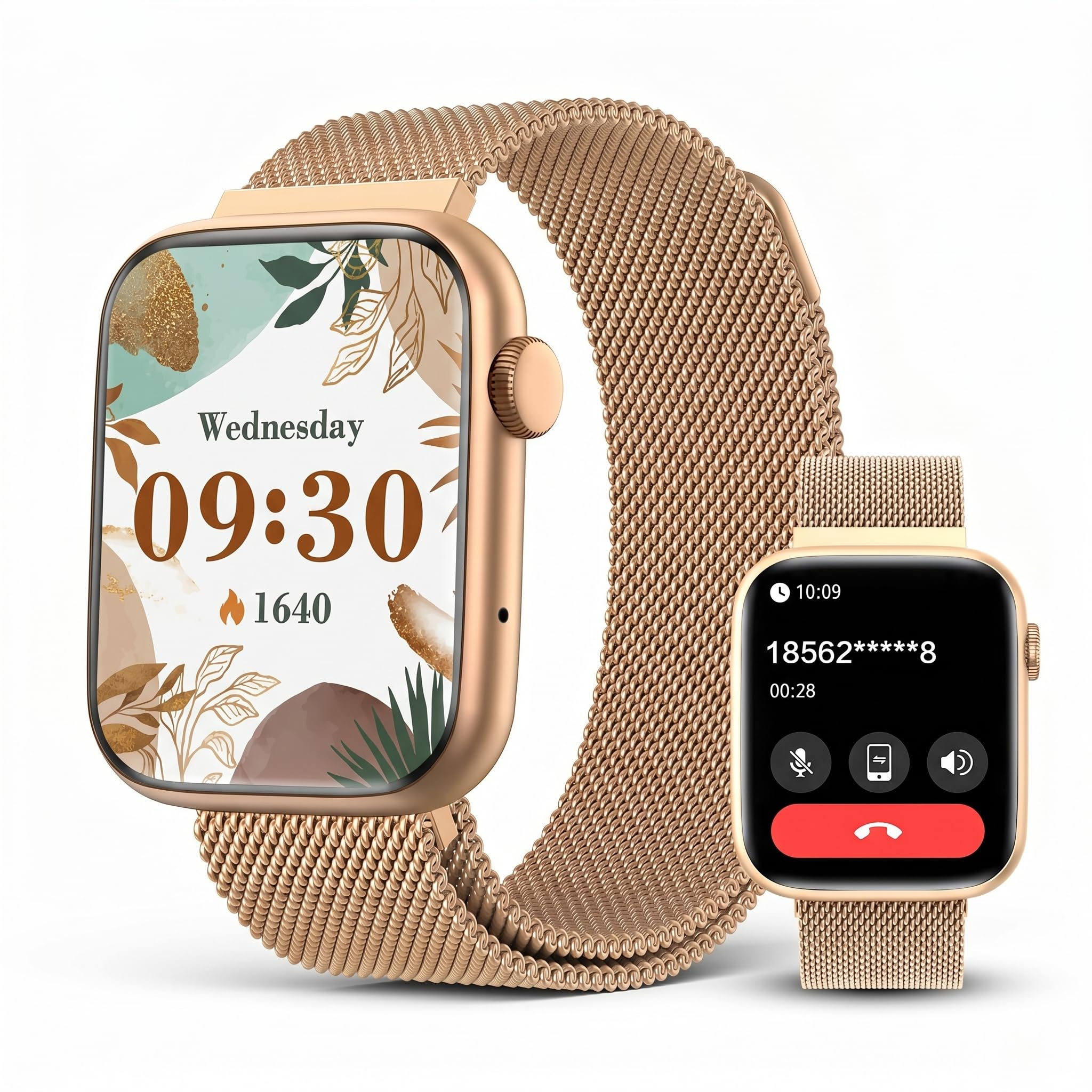
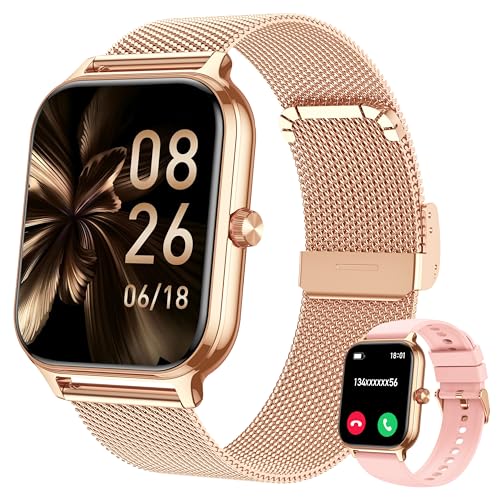

Who Should Consider a BP Watch
BP watches suit people who want to track trends between clinic visits, notice patterns over time, or monitor readings alongside lifestyle changes. They work well for tech comfortable users who understand that wrist readings are estimates and who share results with a clinician for interpretation. If you enjoy data and routine tracking, a BP watch can support awareness.
They are not suited to people who need precise readings for medication decisions, pregnancy monitoring, or serious heart conditions without clinician guidance. In those cases, a validated upper arm cuff remains the standard, and a watch should only supplement it. Discuss any watch readings that concern you with your clinician promptly rather than adjusting medication alone.
How BP Watches Measure Pressure
Most BP watches estimate pressure using optical sensors and pulse wave analysis rather than direct cuff inflation. Some models include a small wrist cuff that inflates for a more direct measurement, while others rely entirely on algorithms calibrated against a reference device. Optical estimates vary more with movement, wrist position, and skin tone than cuff measurements.
Calibration matters enormously. Many watches require regular calibration against a validated arm cuff to maintain accuracy, and readings drift over time without recalibration. Follow the manufacturer calibration schedule carefully, and recalibrate after significant weight changes, medication changes, or if readings suddenly shift without explanation.
Quality focused watch options are covered in our guide to best quality watches, which compares build and sensor quality across watch types.
Accuracy Limits and Safe Interpretation
Treat BP watch readings as estimates and trends, not precise medical measurements. A single unusual reading should not cause panic or prompt medication changes alone. Repeat the reading after resting quietly for several minutes, with your wrist at heart level and your arm supported, and compare it with an arm cuff reading when possible.
Seek urgent medical care for symptoms such as chest pain, severe headache, vision changes, weakness, or difficulty speaking, whatever a watch shows. Watches can miss dangerous changes and can also produce false alarms, so symptoms matter more than any single number. Share your watch data with your clinician, who can judge trends alongside your history and arm cuff readings.
Workout focused watches are covered in our guide to best workout watches, which compares fitness tracking features that often accompany BP watches.
Features Beyond Blood Pressure
BP watches usually include heart rate, activity, sleep, and sometimes oxygen saturation tracking, which together give a broader health picture. Consider which features you will actually use, because extra sensors add cost and complexity. A watch you wear daily because it is comfortable and simple beats a feature rich model left in a drawer.
Battery life, display readability, and app usability matter for daily tracking. A watch that needs charging every day may miss overnight readings, while a clear app with trend graphs helps you and your clinician spot patterns. Check data privacy settings and whether you can export readings for clinic visits.
Everyday watch styles are covered in our guide to best watches for guys, which compares comfort and wearability for daily use.
Fit, Wear Position, and Measurement Technique
Fit affects accuracy more than many buyers expect. A watch worn too loosely slides during measurement and produces unreliable readings, while a very tight strap can distort pulse signals. Follow the manufacturer fit guidance for measurement mode, which may differ from normal wear fit, and keep the sensor clean and in contact with skin.
Measurement technique matters too: rest for several minutes, sit with feet flat and back supported, keep your wrist at heart level, and avoid talking or moving during the reading. Measure at similar times daily for comparable trends, and avoid caffeine, exercise, and smoking shortly before readings. Consistent technique improves trend reliability even when absolute accuracy is limited.
Bold watch styles are also covered in our guide to best manly watches, which compares rugged designs that suit daily wear.
Choosing Between Watch Types
Consider whether you want a dedicated BP watch or a general smartwatch with BP estimation among many features. Dedicated models may offer better BP specific calibration, while general smartwatches offer broader fitness and notification features. Your priority should guide the choice: BP tracking focus favours dedicated calibration, while general health tracking favours versatility.
Check regulatory status in your country, because some BP watches are cleared as medical devices while others are marketed only for wellness. Wellness only devices carry stronger accuracy caveats and should never guide treatment decisions. Ask your clinician or pharmacist which category suits your needs before purchasing.
Male focused watch options are covered in our guide to best male watches, which compares sizes and styles for men.
A Final Check Before You Order
Discuss BP watch use with your clinician before relying on readings, especially if you take blood pressure medication or have heart, kidney, or pregnancy related conditions. Test measurement technique during the return window, comparing watch readings with a validated arm cuff under similar conditions. A large consistent gap suggests the watch may not suit your wrist or physiology.
The product table above can help you compare shortlisted models once you know whether you need dedicated BP calibration or general health tracking. Use watch data as a conversation starter with your clinician, not as a replacement for proper medical measurement.
Living With a BP Watch Routine
A BP watch routine works best when readings become a calm habit rather than an anxious obsession. Measure at similar times daily, in a quiet seated position, and record trends weekly instead of reacting to single numbers. Sharing a simple trend summary with your clinician at appointments gives far more useful information than a long list of isolated readings.
Over months, notice how lifestyle factors correlate with your trends, such as sleep, activity, stress, and medication timing, while remembering that correlation is not proof of cause. Use those observations as questions for your clinician rather than reasons to change treatment alone. A watch that supports thoughtful discussion is doing its job, even when its numbers are only estimates.
Frequently Asked Questions
Are bp watches accurate?
BP watches provide estimates rather than precise medical measurements, and accuracy varies with fit, movement, wrist position, and calibration. Wrist cuff models tend to be closer to arm cuffs than purely optical estimates. Treat readings as trends, calibrate regularly against a validated arm cuff, and share results with your clinician for interpretation.
Can a bp watch replace an arm cuff?
A bp watch cannot replace a validated upper arm cuff for diagnosis or medication decisions, because wrist readings vary more and drift over time. Use a watch to track trends between clinic visits and an arm cuff for important decisions. If watch and cuff readings differ greatly, trust the arm cuff and discuss the gap with your clinician.
How often should I calibrate a bp watch?
Follow the manufacturer schedule, which often requires calibration every few weeks against a validated arm cuff. Recalibrate after significant weight changes, medication changes, or sudden unexplained shifts in readings. Without regular calibration, estimates drift and trends become unreliable. Keep a record of calibration dates alongside your readings.
What should I do if my bp watch shows a very high reading?
Rest quietly for several minutes, repeat the reading with correct wrist position, and compare it with an arm cuff if available. Seek urgent medical care for symptoms such as chest pain, severe headache, vision changes, weakness, or difficulty speaking, whatever the watch shows. Do not adjust medication based on a single watch reading alone.
Who should not rely on a bp watch alone?
People who need precise readings for medication decisions, pregnancy monitoring, or serious heart conditions should not rely on a watch alone. A validated arm cuff remains the standard in those cases. Discuss watch use with your clinician, share trend data at appointments, and use symptoms and arm cuff readings to guide urgent decisions.
Final Thoughts
Choosing best bp watches means understanding that wrist readings are useful estimates for trends, not replacements for medical grade measurement. Prioritise calibration, consistent technique, and clinician discussion over feature counts. The product table above can help you compare models once you know your tracking goals.
Use watch data to support conversations with your clinician, rest properly before readings, and seek urgent care for worrying symptoms regardless of what a watch displays. With realistic expectations, a BP watch can be a helpful awareness tool alongside proper arm cuff measurement.


