Best Bubble Waffle Makers (2026): Types, Features and Cost
Disclosure: We may earn a commission when you buy through links on this page, at no extra cost to you. As an Amazon Associate I earn from qualifying purchases. Learn more

Compact, flip style or stovetop? Compare size, browning control and cleanup to find the best bubble waffle maker.
A bubble waffle turns an ordinary Saturday breakfast into something your kids talk about all week, and it rolls into a cone that holds fruit, yogurt, or a scoop of ice cream for dessert. Finding the best bubble waffle maker for your home comes down to three things: how much counter space you can spare, how many people eat at once, and how much cleanup you will tolerate on a busy morning.
This guide walks through the types, the features that matter, and the costs that show up after the purchase, so you can match a design to your routine instead of guessing. Start with the product table above, then use the checklist sections to confirm the details before you order.


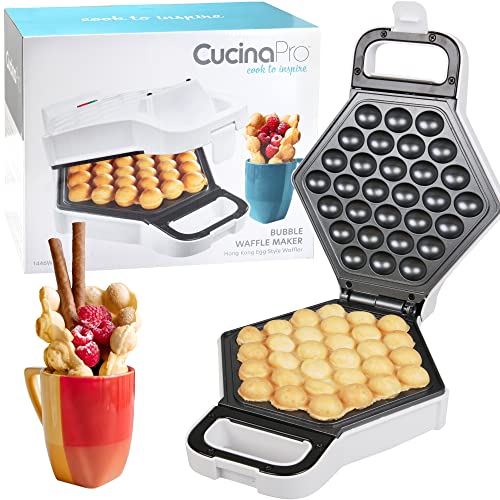
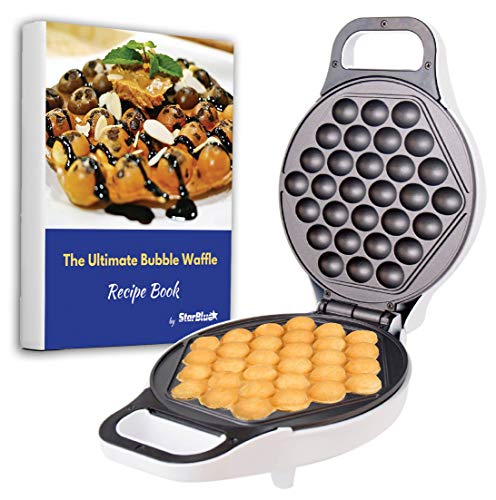
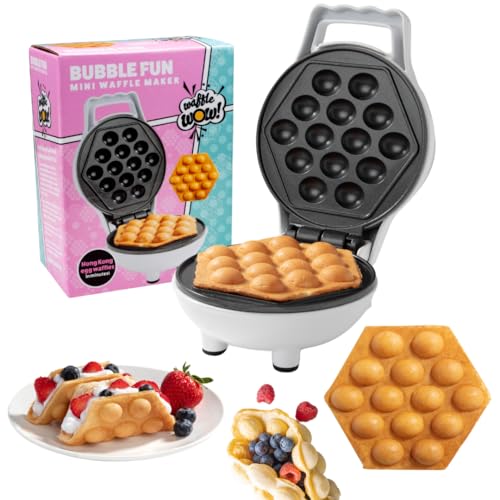

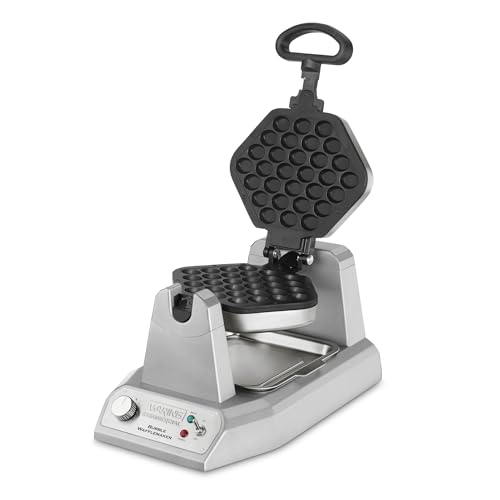

Quick Answer: Three Ways to Choose
If you want the short version, think in three groups. Compact electric models suit one or two people and small kitchens. Larger flip style models cook more evenly and feed a family faster. Stovetop irons cost the least and store in a drawer, but they ask for more attention while cooking. The sections below explain how each group behaves in daily use, what it costs to own, and which households each one fits best. Keep that in mind when you pick the best bubble waffle maker for your kitchen.
Before You Buy: A Quick Checklist for Choosing a Waffle Maker
Which Type Fits Your Routine
Bubble waffle makers come in three main forms. Electric countertop models plug in, heat on their own, and suit most homes. Flip and rotating models turn the plates over partway through cooking, which spreads batter into every bubble and gives a more even color. Stovetop irons sit on a burner and need you to flip them by hand, but they take almost no storage room. If you are comparing this shape with a standard grid, our guide to the best waffle maker covers the broader category and helps you decide which style your family will actually use.
Features Worth Paying For, and Ones to Skip
A browning control earns its keep because bubble waffles go from pale to scorched quickly, and family members rarely agree on one shade. An indicator light and a ready tone help you stop guessing when the plates are hot. Removable plates sound appealing, and our overview of the best waffle maker with removable plates explains the trade offs, but on bubble models the deep rounded wells matter more than plate removal. Skip novelty shapes, extra plate sets you will never swap, and oversized displays that add cost without changing breakfast.
Wattage, Power, and Energy Use
Most home bubble waffle makers draw about 700 to 1200 watts, and higher wattage mainly means faster preheating and quicker recovery between waffles. That recovery speed matters when four people are waiting, because a slow plate drops in temperature after each pour and the next waffle steams instead of crisping. In energy terms the cost per breakfast is small, since a batch takes minutes, not hours. What you feel day to day is waiting time, so match wattage to your household size rather than chasing the biggest number on the box.
Safety Features and Certifications
Look for a recognized safety certification such as UL or ETL on the listing or the rating plate, which shows the appliance passed independent electrical testing. Cool touch handles and a locking latch matter on bubble models because you often lift, tilt, or flip the unit while it is hot. Non slip feet keep it steady when you open the lid against sticky batter. Keep the cord short and routed away from the edge, and never leave a hot waffle maker within easy reach of a child standing on a stool.
Counter Space and Dimensions
Measure before you buy, including the height with the lid open, because a tall flip model can hit low cabinets. Most compact bubble waffle makers take about the footprint of a dinner plate, while family size models can claim a full square foot of counter. Check where the unit will live between uses too. A maker that fits under your cabinets and slides into a deep drawer gets used weekly, while one exiled to a high shelf tends to gather dust after the first month.
Realistic Budget Ranges
Basic bubble waffle makers cost under $30, and they cook well if you accept slower preheating and thinner plates. The middle ground, about $30 to $60, buys sturdier hinges, better temperature control, and coatings that release batter more cleanly. Above about $60 to $100 you are paying for heavier plates, faster recovery, and construction that survives years of weekend use. None of these tiers changes the recipe itself, so spend on build and control rather than on bundled extras like mixes or scoops.
Types Compared: Which Design Fits Your Home
Compact Electric Models for One or Two People
A compact electric bubble waffle maker makes one waffle at a time on small plates, which suits singles, couples, and dorm rooms. Breakfast stays simple because the unit heats fast, stores upright in a cabinet, and wipes clean in a minute. The limits are real though. Back to back waffles for guests take patience, and the small wells can produce thinner edges. If small appliances are your theme, our roundup of the best mini waffle maker shows how compact designs compare across breakfast foods.
Flip Style Models for Families
Flip style bubble waffle makers rotate the plates after you pour, and gravity pulls batter into the far corners so every bubble puffs evenly. That design pays off when you cook for three or more people, because each waffle comes out complete, with no pale patch where the batter never reached. These models cost more and need more room to rotate, so confirm the clearance on both sides. For households that also love thick grid waffles, the best belgian waffle maker guide covers the closest cousin in the waffle family.
Stovetop Irons for Small Kitchens
A stovetop bubble waffle iron is two hinged pans with long handles, heated on your burner and flipped by hand halfway through. It costs the least, stores flat, and works during a power outage or at a campsite stove. The catch is control. You manage the heat yourself, so the first waffle often teaches you where your burner runs hot, and results vary more from batch to batch. Choose this type if storage is your tightest limit and you enjoy cooking by hand more than set and forget convenience.
How We Judge Quality
This guide weighs the factors that separate a good bubble waffle maker from a frustrating one: plate depth and heat distribution, hinge strength, coating quality, temperature control, footprint, safety certification, and warranty length. These criteria come from manufacturer specifications and the patterns that appear again and again in verified buyer reports about sticking, uneven browning, and lids that warp. Judge any listing against the same list and the marketing claims matter much less.
What We Like and What We Do Not About Bubble Waffles
The appeal is texture. Each bubble cooks into a crisp shell with a soft, chewy center, and the sheet tears into bite size pieces that kids can eat without a knife. Rolled warm, it becomes a cone that holds fillings a flat waffle cannot. The trade offs are honest ones. Bubble waffles take a specific batter, usually with more eggs and a rest before cooking, and the wells demand a patient cleaning after sugary batters. They also brown fast along the thin bridges between bubbles, so wandering away mid cook is a reliable way to burn breakfast.
Common Mistakes to Avoid
- Buying for the crowd you imagine, not the one you feed. A family size model for a solo cook wastes counter space, while a compact model for five people turns breakfast into a queue.
- Ignoring the open lid height. Many returns start with a maker that cannot open fully under low cabinets.
- Overfilling the wells. Excess batter escapes, bakes onto the hinge and the counter, and doubles your cleaning time.
- Skipping the first seasoning cook. A plain first waffle, which you can discard, burns off factory residue and shows you how your unit browns.
- Judging by wattage alone. Plate thickness and hinge design shape results as much as raw power does.
Cost of Ownership and Care
Beyond the purchase price, ownership costs stay low. Electricity for a batch costs pennies, and there are no filters or pads to replace. Your real costs are batter ingredients, a soft brush, and possibly a replacement if a cheap coating wears out early, which is one reason sturdier plates pay off over time. For care, let the maker cool, brush out crumbs, and wipe the wells with a damp cloth while they are still slightly warm. Our step by step guide on how to clean a waffle maker covers stuck batter and greasy buildup in detail. Never immerse an electric unit, never use metal tools on the coating, and store it latched shut so the hinge stays aligned.
FAQ
Are bubble waffle makers worth it if you already own a regular waffle maker?
They are worth it if your family enjoys the rolled cone format and the pull apart texture, because a grid waffle maker cannot reproduce either one. If waffles appear at your table twice a year, the extra appliance is hard to justify, and the space likely serves you better another way. Households that make waffles monthly tend to use a bubble model often, especially for dessert nights when the cones hold ice cream and fruit.
What batter works best in a bubble waffle maker?
Bubble waffles need a pourable, egg rich batter that puffs as it cooks, and most recipes rest the batter for about 30 to 60 minutes so the starch hydrates and the bubbles form fully. Pancake mix can work in a pinch, but the result is denser and less chewy than a purpose built recipe. Keep the batter lump free, because a single lump blocks a well and leaves a raw pocket in the finished sheet.
Can a bubble waffle maker cook savory food too?
Yes, and savory versions solve the too sweet problem some families hit after a few batches. Leave the sugar out, add shredded cheese or chopped scallions, and the same crisp bubbles become a side for soup or a base for a fried egg. Cook savory batches last if you are making both kinds, because cheese residue in the wells can flavor a sweet waffle cooked right after it.
How long does a bubble waffle maker usually last?
A well kept home model often serves for about 3 to 5 years of regular weekend use, and heavier plates with metal housings tend to outlast thin, mostly plastic builds. The coating usually sets the limit, since scratched or peeling nonstick ends the easy release that makes these makers pleasant. Using wooden or silicone tools, and cleaning without scouring pads, stretches that lifespan more than any other habit.
Why did my bubble waffle turn out flat instead of puffy?
Flat results usually trace back to three causes: batter that was too thin, plates that had not fully preheated, or a lid opened too early, which lets the steam escape before the structure sets. Thicken the batter slightly, wait for the ready signal plus one extra minute, and leave the lid closed for the full cook time. Fresh baking powder matters as well, because an old tin loses strength quietly in the cupboard.
Final Thoughts
The right choice is the one that fits your counter, your household size, and your patience for cleanup. Compact electric models suit small homes, flip designs feed families evenly, and stovetop irons win on storage. Whichever route you take, the best bubble waffle maker is the one you will pull out on an ordinary Tuesday, not just on birthdays. Use the product table above to compare the current options against the checklist here, and your first batch should come out crisp, puffy, and worth repeating.