
Best Breathable Tactical Boots in 2026: Which Type Is Right for You?
Disclosure: We may earn a commission when you buy through links on this page, at no extra cost to you. As an Amazon Associate I earn from qualifying purchases. Learn more

Compare breathable tactical boot types for hot weather duty, covering airflow, fit, support, traction and when waterproof membranes make sense.
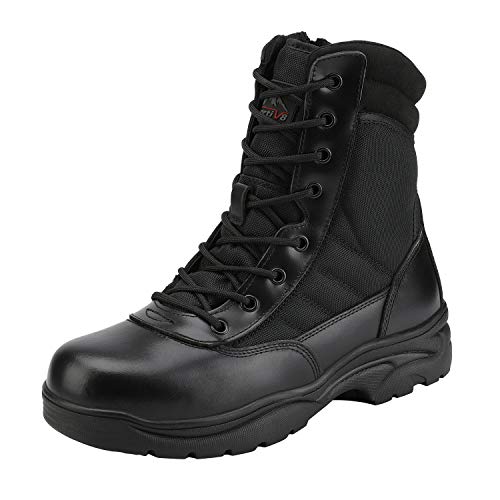
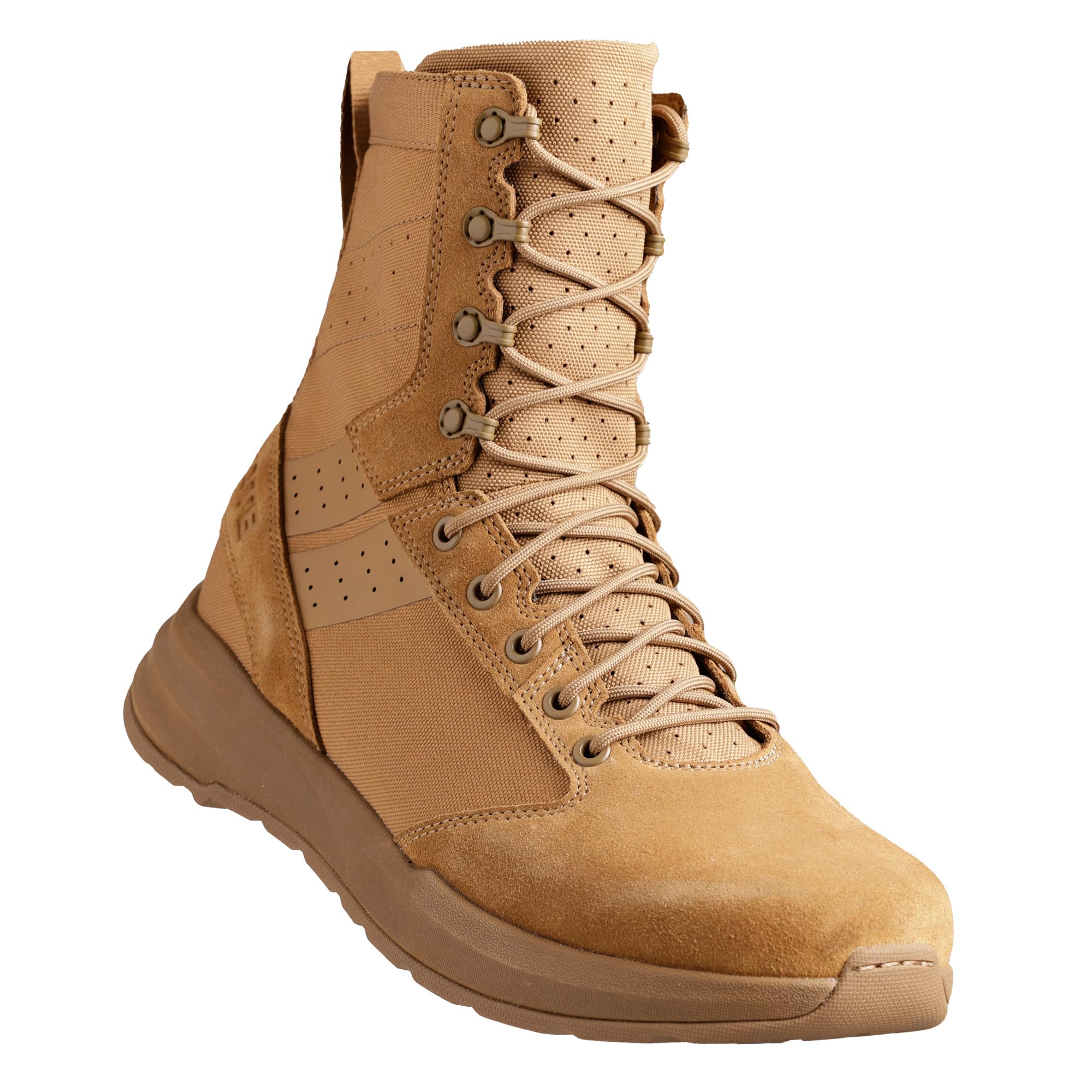
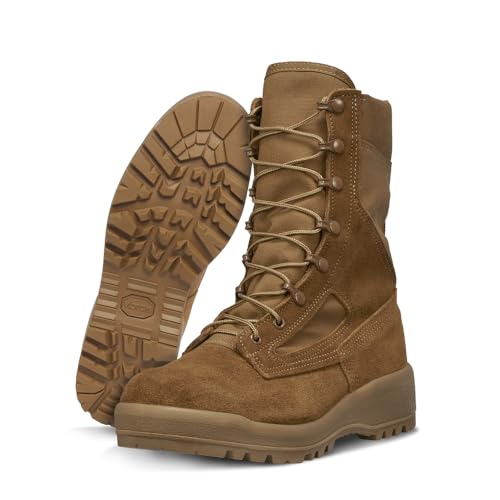
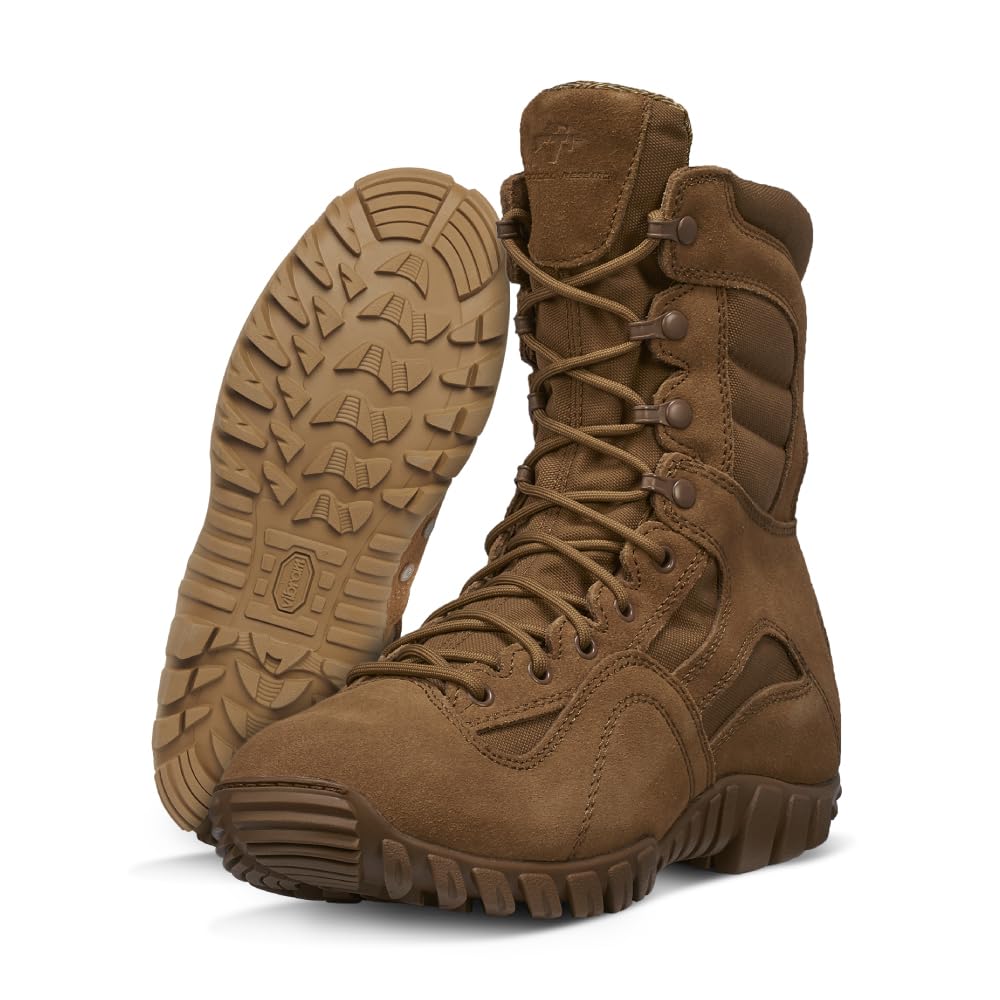
Heat inside a boot causes most hot weather discomfort, not the walk itself. Sweat builds up, socks stay damp, and friction turns into sore spots long before your shift ends. The best breathable tactical boots move air through the upper and let moisture escape while still giving you ankle support and grip. Use the comparison table below to match each type to your climate and duties.
Start with two honest questions. How hot and dry is your usual day, and how much time do you spend standing still rather than walking? Airflow helps most when you move, while shade breaks and sock choice matter more on static posts. The sections below sort types, fit, and support.





Who Should Buy Breathable Tactical Boots for Hot Duty?
Breathable models suit people whose feet run hot long before their legs tire. Your user group below matters more than any single feature.
Patrol and Security Staff on Long Hot Shifts
You walk pavement, climb stairs, and stand on hard floors for hours at a time. Choose a mesh panel upper, firm cushioning, and a stable heel so your feet stay drier without feeling loose. If airflow matters less than all round duty strength, see our guide to the best tactical boots for the broader category.
Military and Training Users in Warm Climates
You carry loads over dirt, gravel, and uneven ground, often in direct sun. Choose a taller shaft for ankle stability, a protective toe area, and drain friendly construction if streams or wet grass are routine. Weight matters here because every extra ounce repeats thousands of times across a training day.
Outdoor Workers Who Need Support Without Heavy Heat
You may work yards, warehouses, events, or rural sites where a shoe feels too exposed. Choose ankle coverage, a grippy outsole, and an unlined upper that dries overnight between shifts. If your job needs safety features rather than duty styling, see our guide to the best breathable work boots for that related job.
Types of Breathable Tactical Boots Compared
Each type below trades airflow, protection, and water resistance in a different way. If you do not need ankle support at all, see our guide to the best breathable boots for lighter styles outside the tactical category. Most tactical options cost about $80 to $200.
Unlined Mesh Panel Boots for Maximum Airflow
These boots pair tough fabric or suede at stress points with open mesh at the sides and tongue. Air enters as your foot flexes, and sweat vapor leaves instead of soaking the lining. They suit dry heat and long pavement days best. The tradeoff is low water resistance, and mesh can wear faster where brush or rubble scrapes it.
Jungle Style Boots With Drain Ports
Jungle style boots use light panels plus small ports near the sole that let water push out. The upper dries faster than a lined boot because little padding holds water. Choose this type for humid regions and wet ground. On dry, dusty trails, those same openings can let fine grit reach your socks.
Lightweight Mid Height Patrol Boots
Mid height boots end just above the ankle, so they feel less bulky and flex more easily while driving or climbing stairs. Most weigh less than tall models and suit urban patrol, event work, and travel. You give up some support on steep or rocky ground. Prices often sit at about $80 to $140, below taller field boots.
Waterproof Membrane Boots for Mixed Weather
These boots add a waterproof lining behind the outer fabric, which sheds rain and puddle splash on cool, wet days. They breathe less than unlined models, so feet can feel warm during summer shifts. Choose them when wet weather is frequent and heat is moderate. Expect to pay about $130 to $200 for the added membrane and sealing.
Key Features to Compare
When you shop for best breathable tactical boots, judge airflow first, then fit and support, because a cool boot that rubs will still fail by midday.
Upper Ventilation and the Gore Tex Tradeoff
Ventilation comes from mesh panels, unlined quarters, perforated tongues, and moisture wicking socks. Large side panels move the most air, while small decorative vents change little. A Gore Tex lining blocks outside water, but it also slows vapor escape, so your feet may feel warmer on dry days. Pick open construction for dry heat, and reserve membrane models for places where rain, mud, or wet grass shows up most weeks.
Duty Boot Fit, Sizing and Room for Your Toes
Measure both feet late in the day, when they are at their largest, and wear your duty socks for the trial. Leave about a thumb width in front of your longest toe, and check that the toe box lets your toes lie flat without pressing the sides. Your heel should stay seated as you walk, with only slight movement. Shoppers who need men's size runs can also see our guide to the best men's tactical boots for that narrower search.
Arch Support, Cushioning and Stability
Arch support spreads pressure along the foot, cushioning softens impact on pavement, and stability keeps your ankle from rolling on uneven ground. Flat feet usually need a firmer arch and a stable heel counter, while high arches often need more cushioning. Heel to toe drop, often about 8 to 12 mm here, affects how much load shifts toward your calves. Choose a lower drop only if you already walk comfortably in flatter footwear.
Outsole Traction and Terrain Grip
Lug depth and spacing should match your ground. Shallow, close lugs grip wet pavement and indoor floors well, while deeper lugs, often about 4 to 6 mm, bite into dirt and loose gravel. Wide spacing sheds mud better, but it can feel less steady on smooth tile. Look for rubber that wraps slightly up the sides if you climb ladders or work on slopes, because edge contact helps when only part of your foot lands.
Weight, Shaft Height and Flexibility
A single boot here often weighs about 1 to 1.5 pounds, and lighter pairs reduce leg fatigue across a long shift. Taller shafts, around 8 inches, support the ankle and keep debris out, while shorter shafts flex more and feel cooler. Flex the boot by hand before buying if you can. The sole should bend at the toes, not fold under the arch, where folding signals weak support.
Common Mistakes to Avoid
Most returns and sore feet trace back to a short list of avoidable choices.
- Choosing a waterproof membrane for dry summer duty traps heat and leaves socks damp with sweat.
- Buying your shoe size without duty socks makes the toe box feel cramped once your feet swell.
- Picking deep mud lugs for smooth indoor floors reduces contact and makes slips more likely.
- Judging comfort in a short store walk misses the hot spots that appear after two hours.
- Wearing thick cotton socks with a ventilated upper holds moisture against your skin all day.
Care and Maintenance for Breathable Tactical Boots
Loosen the laces, pull the insoles out, and air dry your boots in shade after every wet or sweaty shift. Keep them away from direct heat, because high heat can crack adhesives and stiffen fabric panels. Brush dried mud from mesh with a soft brush, and wash with mild soap and cool water only when dirt blocks the panels.
Rotate two pairs if you work daily, since foam and fabric need a full day to dry. Replace worn insoles when cushioning feels flat, and check drain ports, eyelets, and outsole edges each month. If seams split or the sole separates, retire the pair, because field repairs rarely restore ankle stability or safe grip.
FAQ
Do breathable tactical boots need a waterproof membrane?
No, breathable tactical boots do not need a waterproof membrane unless rain or wet ground is a regular part of your work. In dry heat, an unlined upper will almost always feel cooler. A useful middle path is keeping one membrane pair for the wet season and one open pair for summer, rather than forcing a single pair to handle both extremes well.
Can you wear breathable tactical boots for a full shift?
Yes, you can wear breathable tactical boots for a full shift when the fit leaves toe room and the arch matches your foot shape. Pack a spare pair of socks and swap them at your main break, because dry socks restore much of the cool feeling even in the same boots. That small swap also cuts friction during the final hours, when tired feet swell most.
How often should you replace breathable tactical boots?
You should replace breathable tactical boots when the outsole tread looks smooth at the heel or the upper mesh tears, even if the boots still feel familiar. For daily duty use, that point often arrives after about 12 to 18 months. Note the purchase month, since memory tends to stretch a worn pair past its safe life.
How should breathable tactical boots fit at the toes and heel?
Breathable tactical boots should fit with your toes lying flat, a thumb width of space at the front, and a heel that stays seated as you climb stairs. Test both feet on a downslope or a step edge if the store allows it. Toes that touch the front on a slope will ache on real descents, even when level walking felt fine at first.
How long is the break in period for breathable tactical boots?
The break in period for breathable tactical boots is usually short, often two to four shorter wears before a full shift. Mesh panels flex sooner than stiff leather, so most stiffness comes from the sole and ankle collar. Wear the boots at home and on one short errand first, and add time only when no single spot rubs twice in a row.
Final Thoughts
Match the type to your climate first. Open mesh wins in dry heat, drain ports win in humid and wet regions, and membranes earn their place only when rain is common. Then confirm toe room, arch support, and outsole grip for your ground, and check prices in the product table above.
Chosen that way, best breathable tactical boots stop being a label and become a comfort decision you can feel at the end of a shift. Buy the type you will dry, rotate, and wear gladly.


