
Best Breathable Men's Slippers: Which One Fits the Way You Use It for 2026?
Disclosure: We may earn a commission when you buy through links on this page, at no extra cost to you. As an Amazon Associate I earn from qualifying purchases. Learn more

Compare the best breathable men's slippers by use, fit and materials with a clear buying checklist to choose cool, comfortable support at home.
There is no single pair that suits every man, every home, and every season. The best breathable men's slippers for you depend on how long you wear them, how warm your feet run, and whether you stay indoors or step outside often. This guide sorts those choices by real use so you can focus on airflow, fit, and support instead of paying for features you will never need. Use the comparison table below to narrow your short list, then check the details that follow.
Warm feet are not just a comfort issue. Trapped heat and moisture make slippers feel soggy, stretch the lining, and shorten the life of the footbed. A breathable design moves air through the upper, lets moisture escape, and stays comfortable for hours without forcing you to kick them off.


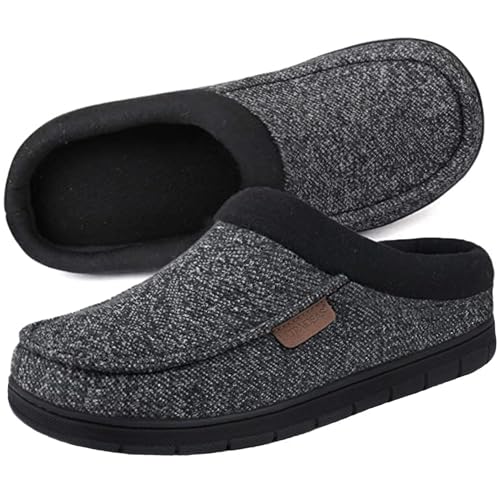


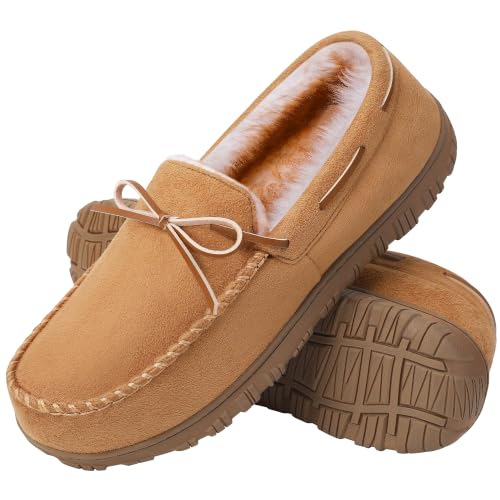

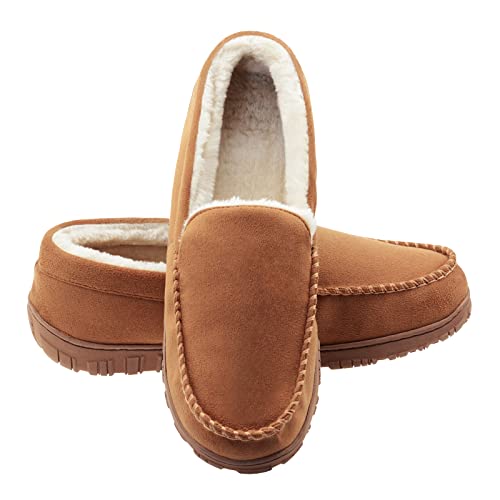
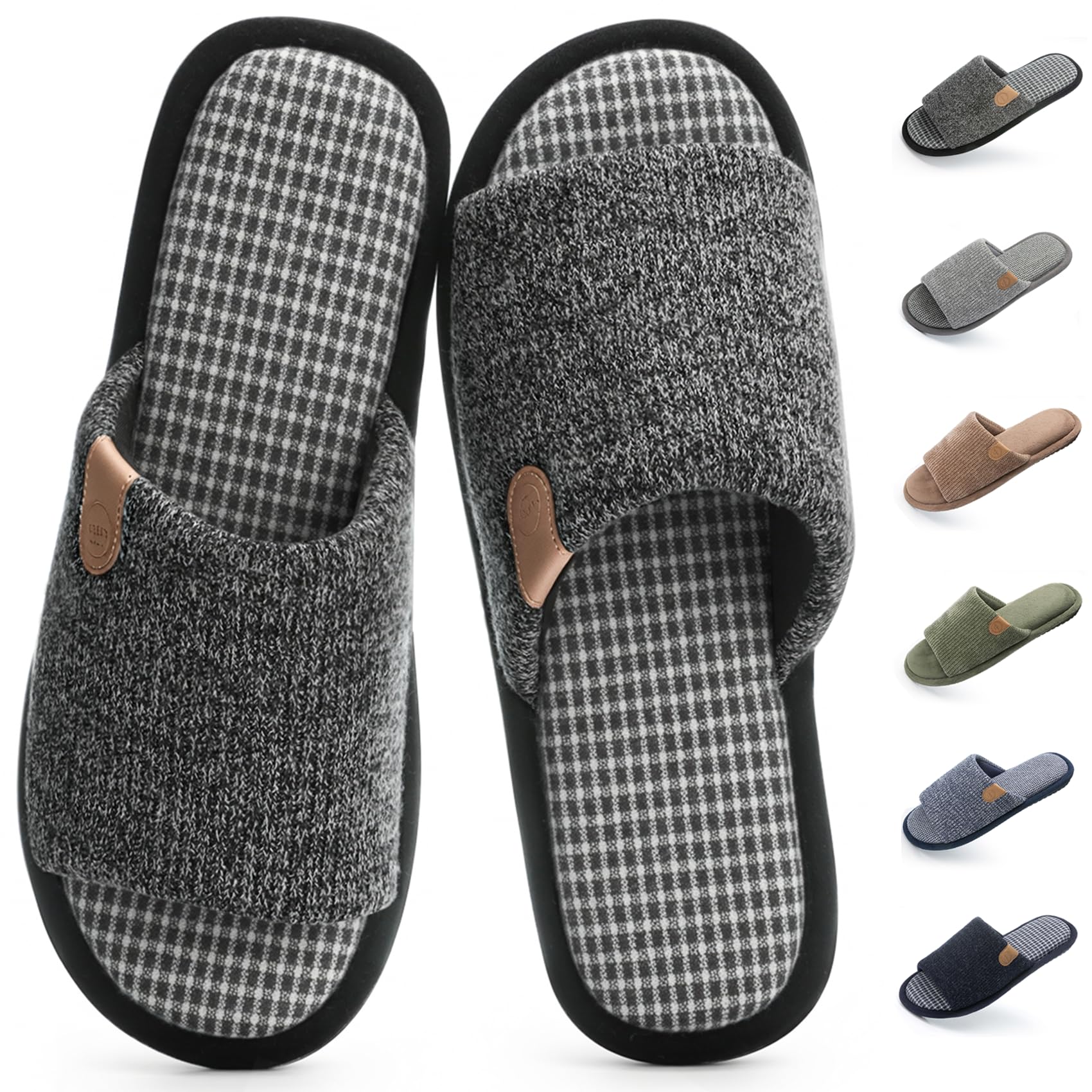
Who Should Buy Which Breathable Slippers?
Start with your routine, not with a price tag. A man who wears slippers for twenty minutes with morning coffee needs something very different from a man who works from home in them all day. The groups below match common routines to the features that matter most for each one.
For Weekend Beginners
If you wear slippers mainly on weekends, keep it simple. Look for an open or partly open design with a mesh or knit upper, a cushioned footbed, and a sole with basic grip for kitchen and bathroom floors. You do not need heavy arch support or a thick outdoor outsole at this level. A pair around $30 to $60 usually covers casual use well, as long as the sizing is accurate and the heel stays in place when you walk.
For Small Spaces and Easy Storage
Apartment living and travel favor slippers that are light, flat, and easy to tuck away. Choose a soft upper that folds without cracking, a thin but grippy outsole, and a low profile that slides under a bed or into a drawer. Avoid bulky shearling or stiff midsoles that take up shelf space and trap heat. Breathability matters even more in small warm rooms, so a ventilated knit or perforated upper will feel better than a closed synthetic one through the evening.
For Bad Weather and Tough Conditions
If you step onto a damp porch, take out trash, or walk to a mailbox in rain, you need more protection. Pick a closed toe style with a water resistant treatment, a thicker rubber outsole with real tread, and an upper that still vents through side panels or a breathable lining. Full waterproof membranes can feel hot indoors, so save them for mostly outdoor use. For mixed use, a water resistant knit with drainage friendly construction is often the smarter balance.
For Frequent or Serious Users
Daily wear for many hours calls for stronger support and better durability. Prioritize arch support that matches your foot shape, cushioning that does not flatten in a month, and an outsole built for both indoor floors and short outdoor trips. A removable footbed is a plus because you can air it out or replace it when it wears down. Expect to pay about $60 to $120 for this level, and check the warranty and return terms before you buy.
If you are comparing broader options while you decide, see our guide to the best slippers for men's for general fit and sole advice that applies before you narrow to breathable models.
Key Features to Compare
Breathable on a label can mean many things, from a thin mesh panel to a fully ventilated upper. The features below help you tell real airflow from marketing language. Judge each one against how and where you will actually wear the slippers.
Weight and Flexibility
Light slippers feel effortless for quick trips around the house and reduce leg fatigue during long standing tasks like cooking. Very light pairs, though, often use thin soles that offer little protection on cold floors or rough outdoor surfaces. Flexibility matters too. A sole that bends naturally at the ball of the foot lets your stride stay normal, while a stiff sole can cause shuffling and heel slip. Aim for a middle ground if you mix standing, walking, and short outdoor use in one day.
Fit, Sizing, and Toe Box
Measure your feet late in the day when they are at their largest, and compare the length in inches or centimeters to the brand size chart rather than guessing your usual shoe size. Slipper sizing varies widely, and many styles run small in the toe box. You want room for your toes to spread without your heel lifting with each step. If you are between sizes and the style has a thick lining, sizing up is usually safer. Check whether wide options exist if your feet swell in warm weather.
What Men Should Look For
Men often need larger size ranges, a wider toe box, and support built for heavier load through the heel. Look for a footbed with a defined arch and a heel cup that keeps your foot centered, especially if you stand on hard floors. Weight ratings are rarely listed, so a firmer midsole is a practical clue that the pair will hold up. Also check the opening shape. A low cut slip on is quick to use, while a higher back or mule with a back strap reduces slip for men who walk fast indoors.
For men who know support is their top need, see our guide to the best supportive slippers men's to compare support levels before you settle on a breathable pair.
Upper Materials and Breathability
Mesh and engineered knit uppers move the most air and dry fastest after washing or a sweaty day. Cotton blends feel soft and breathe well but absorb moisture and dry slowly. Leather can breathe moderately and lasts long, yet it needs more care and can feel warm in summer. Wool blends regulate temperature surprisingly well and resist odor, though they cost more. Whatever you choose, look for ventilation you can see, such as open weave, perforations, or an open heel and toe design, rather than trusting the word breathable alone.
If you want to compare airflow across slipper types beyond mens styles, see our guide to the best breathable slippers for material comparisons that help you judge any upper.
Break In Period and Comfort Out of the Box
Most knit and mesh slippers feel comfortable right away and need little break in beyond a day or two of indoor wear. Leather and firm support models can feel stiff at first and soften over one to two weeks. Wear new pairs around the house in short sessions before a full day, and check for rubbing at the heel and pressure over the toes. If pain or blisters appear, that is a fit problem, not a break in stage, and you should exchange the size or style.
Common Mistakes to Avoid When Buying Breathable Slippers
- Choosing only by price and ending up with a thin sole that flattens in weeks and offers no support on hard floors.
- Ignoring weight and flexibility, then finding the pair too stiff for stairs or too flimsy for stepping outside.
- Buying too small and squeezing the toe box, which traps heat, or too large and causing heel slip and tripping.
- Assuming water resistant means breathable, when many treated uppers block airflow and feel hotter indoors.
- Skipping the return policy and warranty check, even though slipper sizing is inconsistent across brands.
Setup and Care Tips
Rotate two pairs if you wear slippers daily, giving each pair a full day to dry and regain cushioning shape. Air dry wet slippers away from direct heat, radiators, and strong sun, because high heat cracks leather and warps foam footbeds. Brush dirt from outsoles weekly so tread keeps its grip, and wash knit uppers only as the care label allows. Replace slippers when the footbed stays compressed, the outsole tread is smooth, or the upper stretches so much that your foot slides. For most daily users that point arrives after about one to two years.
If support is fading but the upper still looks good, see our guide to the best men's slippers with support for what a fresh supportive footbed should feel like.
FAQs
What makes breathable slippers for men different?
Breathable slippers for men use uppers and linings that let air and moisture move out instead of trapping heat against the skin. They also tend to offer larger sizes, wider toe boxes, and firmer support than unisex styles. The difference shows up most during long wear, when a ventilated knit or mesh pair still feels dry while a closed synthetic pair feels damp and warm.
How often should I replace my breathable slippers?
Replace them when cushioning no longer rebounds, tread looks smooth, or your feet ache after normal indoor wear. Daily users often reach that point in about twelve to eighteen months, while weekend users may get two years or more. A simple test helps. Press the footbed hard with your thumb. If it feels flat and stays flat, the support is spent.
Do I need waterproof shoes?
You need full waterproof protection only if you regularly walk through rain, wet grass, or snow in your slippers. For most indoor use, a water resistant upper is enough for spills and damp porches, and it breathes better. Waterproof membranes block outside water well, but they also slow moisture escape from inside, so they can feel warmer during long indoor wear in summer.
How long is the break in period?
Most breathable knit and mesh slippers need almost no break in and feel right within a day. Firmer leather or strong arch support styles may take one to two weeks of gradual indoor wear to soften and mold to your foot. Start with an hour or two at a time. Sharp pain, numbness, or blisters mean the fit is wrong, not that you need more patience.
How should breathable slippers fit?
They should feel snug at the heel and midfoot with clear space for your toes to move and spread. Your heel should not lift out with each step, and the toe box should not press down on your toenails. Try them late in the day with the socks you plan to wear. If you plan to wear them barefoot in summer, test them barefoot too, since lining thickness changes the feel.
Are expensive breathable slippers worth it?
They can be worth it if you wear slippers for many hours daily and need lasting arch support, a durable outsole, and materials that keep their shape. Higher prices often buy a better footbed, stronger stitching, and a clearer warranty. For light weekend use, a mid priced pair usually gives the same comfort. Spend on support and durability first, not on decorative details that do not improve airflow or fit.
Can I wear them all day?
Yes, you can wear breathable slippers all day if they provide real arch support and a stable sole for your floors. Take short barefoot or shoe breaks if your feet feel tired, and rotate pairs to let cushioning recover. If you have ongoing foot pain, diabetes related foot concerns, or circulation problems, talk with your clinician about what support and fit are safe for all day wear at home.
For mostly indoor routines, see our guide to the best men's indoor slippers to compare sole grip and lining choices for different floor types.
Our Verdict
Focus on three things and the choice gets much easier. First, pick an upper that truly vents, such as open weave knit or mesh matched to your season. Second, get the fit right with afternoon measuring and enough toe box room. Third, match support and outsole strength to how many hours you wear them and whether you step outside. When those three line up, the best breathable men's slippers will stay cool, comfortable, and useful for a long time. Check the product table above to compare your finalists side by side.


