
Best Breast Pumps For Low Milk Supply 2026
Disclosure: We may earn a commission when you buy through links on this page, at no extra cost to you. As an Amazon Associate I earn from qualifying purchases. Learn more

Best breast pumps for low milk supply compared by fit, comfort, and routine, with practical checks to run before you order.
Parents looking at the best breast pumps for low milk supply are usually in a worrying time, when feeding feels uncertain and every session matters. A pump can support milk removal and help you track patterns, but no pump alone can diagnose why supply is low. This guide explains fit, pump types, and routines, alongside guidance on when to seek professional help.
The comparison table below gives an overview of pump types, while the sections that follow explain what to prioritise and what to watch for. If pumping hurts, if your baby is not gaining weight, or if you notice fewer wet diapers, talk with a clinician or lactation consultant promptly rather than relying on equipment alone.
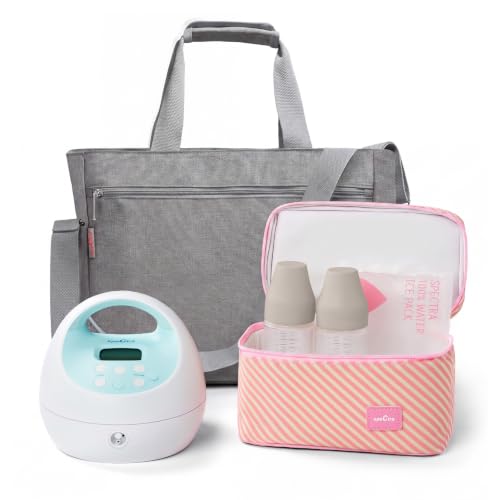
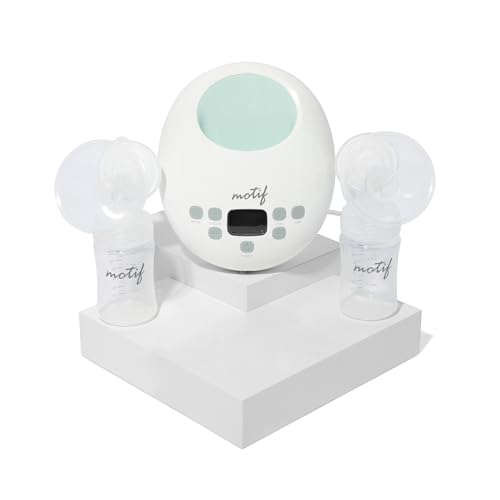
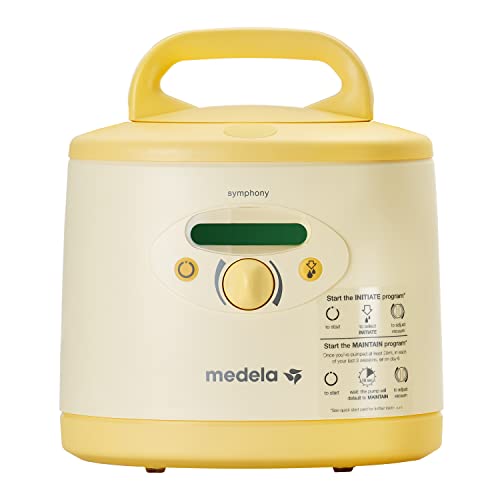
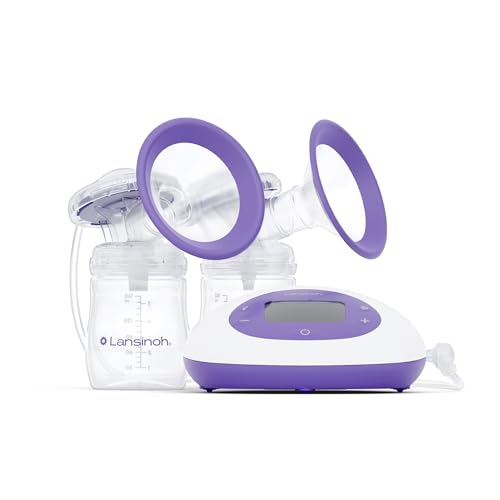


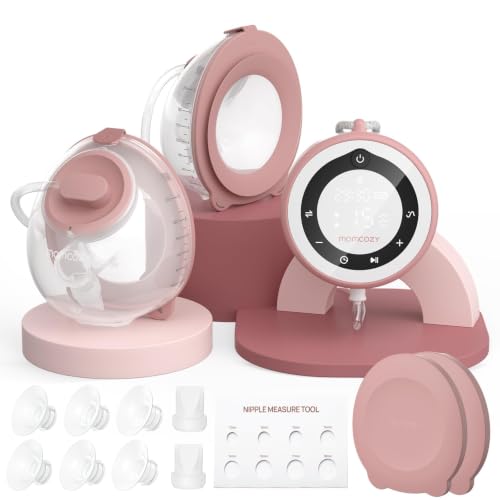
Who Should Use This Guide
For Parents Noticing Lower Output
Parents who notice gradually lower output may benefit from reviewing flange fit, pumping frequency, and rest before changing pumps. Small changes in fit can improve comfort and milk flow more than a new motor. Keep simple notes on sessions and output, since patterns help a lactation consultant spot issues faster than memory alone.
For Parents Returning to Work
Parents returning to work face a double challenge of schedule pressure and separation from their baby. A portable double pump with a comfortable fit can make workday sessions more realistic, while a clear plan for storage and cleaning reduces daily stress. Talk with your employer early about a private space and break time for pumping.
For Parents With a Medical Concern
Parents with a medical history that may affect supply should involve a clinician or lactation consultant early rather than experimenting alone. Conditions, medicines, and previous breast surgery can all play a role, and professional review helps separate equipment issues from health issues. Bring your pumping notes to the appointment for a clearer discussion.
Key Features to Compare
Flange Fit First
Flange fit is the single most important feature when supply feels low, because a poor fit can reduce milk flow and cause pain. Measure after a warm shower or during pumping, and try another size if the nipple rubs or the areola pulls deeply into the tunnel. Many parents need a different size from the one supplied in the box.
Double Pumping and Adjustable Settings
Double pumping saves time and often supports more milk removal per session than single pumping. Adjustable vacuum and cycle settings let you find a rhythm that feels comfortable, since higher suction is not automatically better. Start gently, increase slowly, and stop if pain appears, since pain can reduce letdown.
Portability and Session Realism
A pump you actually use on schedule matters more than a powerful pump that stays at home. Consider weight, battery life, noise, and how easy it is to clean between sessions. If a pump fits your bag and your day, you are more likely to keep the regular sessions that support supply.
Tracking Without Obsession
Simple tracking of session times and output can reveal patterns, but constant measuring can add stress that works against letdown. Aim for gentle notes rather than minute by minute records, and review them weekly with a consultant if you have one. Rest, fluids, and calm matter too, though they are not a substitute for professional advice.
Types Worth Knowing
Electric Double Pumps
Electric double pumps are the workhorse for parents pumping several times a day, offering speed and adjustable settings. They suit home and work use, though they need power or a charged battery. Choose one with a comfortable flange range and parts that are easy to clean and replace.
Handsfree and Wearable Pumps
Wearable pumps sit inside a bra and free your hands, which helps parents who pump while working or caring for other children. Output can vary compared with a traditional double pump, so treat them as a convenience option and compare results over a week. Fit and seal matter greatly for wearable styles.
Manual Pumps for Occasional Use
Manual pumps suit occasional sessions, travel backup, or relief when an electric pump is unavailable. They are quiet and simple, but they take longer and tire the hands during frequent use. Keep one as a spare even if an electric pump is your main tool.
Routines, Warning Signs, and Common Mistakes
A steady routine usually helps more than marathon sessions, so aim for regular, comfortable pumping rather than long painful ones. Keep sessions relaxed, use breast massage gently if it helps, and protect sleep where possible. If output stays low despite good fit and regular sessions, that pattern itself is useful information for a lactation consultant.
Seek prompt professional help if your baby shows poor weight gain, fewer wet diapers, unusual sleepiness, or signs of dehydration, or if you have fever, severe breast pain, or a painful lump. These warning signs need clinician review and should not wait for a new pump to arrive. A lactation consultant can also review latch, flange fit, and feeding patterns together.
A common mistake is raising suction to the maximum in the hope of more milk, which often causes pain and reduces letdown. Another is switching pumps repeatedly without fixing fit, which wastes money and adds stress. Before you order, confirm flange size, check parts for wear, and talk with a lactation consultant about your notes and goals.
Frequently Asked Questions
Can a pump increase low milk supply on its own?
A pump supports milk removal, which is part of supply, but it cannot diagnose or fix every cause of low supply on its own. Fit, frequency, rest, and underlying health factors all play a role. If supply stays low, a lactation consultant or clinician can review the full picture with you.
How often should I pump when supply is low?
Many consultants suggest regular sessions that match your baby feeding pattern, but the right schedule depends on your situation and health. Avoid painful marathon sessions, since pain can reduce letdown. Ask a lactation consultant to help set a realistic schedule that fits your day and your baby needs.
Does higher suction mean more milk?
No, higher suction often causes pain and can reduce milk flow rather than increase it. A comfortable vacuum with a good rhythm usually works better than maximum power. If pumping hurts at any setting, stop and check flange fit, then seek help rather than pushing through pain.
When should I worry about my baby intake?
Talk with a clinician promptly if your baby gains weight slowly, has fewer wet diapers, seems unusually sleepy, or shows signs of dehydration. These signs need professional review and should not wait for equipment changes. Bring feeding and pumping notes to help the clinician assess the situation quickly.
Are wearable pumps as effective as traditional doubles?
Wearable pumps offer freedom and discretion, but output varies by person and fit, and some parents get less milk than with a traditional double pump. Try one over several sessions and compare results calmly. Many parents use a wearable pump for convenience and a traditional pump for main sessions.
Related Guides
For a broader view of pump types, best breast milk pumps and best milk pumps cover the main categories and their trade offs. If handsfree use matters for your routine, best handsfree breast pumps explains wearable fit and output expectations in more detail.
Use these guides alongside the product table above, and pair equipment choices with professional support.
Final Thoughts
Choosing best breast pumps for low milk supply starts with flange fit, comfortable settings, and a realistic routine, not with the most powerful motor you can find. A pump that fits well and gets used on schedule will support you better than an expensive model that hurts or stays in a cupboard. Keep gentle notes and share them with a lactation consultant.
Use the product table above as a starting point, and talk with your clinician promptly if warning signs appear. With good fit, steady routines, and professional guidance, pumping can feel calmer and more manageable during a worrying time.

