
Best Breast Milk Pumps: Complete Buying Guide for 2026
Disclosure: We may earn a commission when you buy through links on this page, at no extra cost to you. As an Amazon Associate I earn from qualifying purchases. Learn more

Best breast milk pumps compared by type, fit, and cleaning effort, with practical checks to run before you order.
Parents who pump usually want one thing: a pump that empties comfortably and fits into a real day. This guide to the best breast milk pumps explains how to match a pump type to your routine, what the features on the box actually change, and where extra money helps. The picks in the table above give you a starting shortlist, and the sections below show how to narrow it.
Most buyers pump for one of three reasons: to build a small freezer stash, to share feeds with a partner, or to keep milk flowing during time away from the baby. Each reason points to a different kind of pump, so decide that first and compare features second.
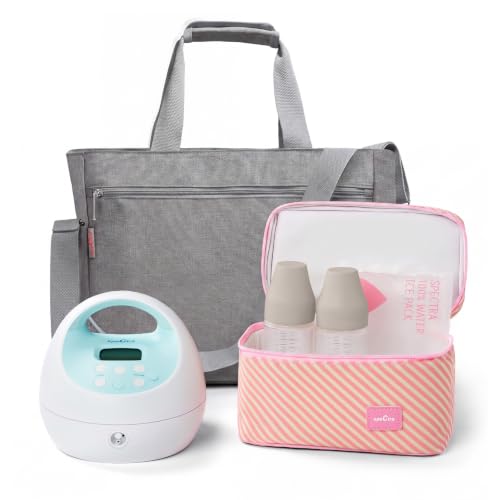
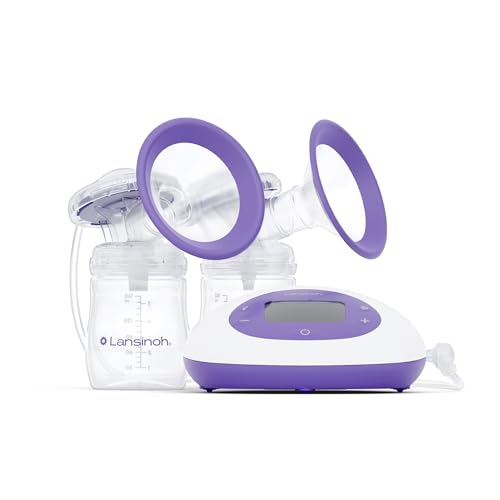


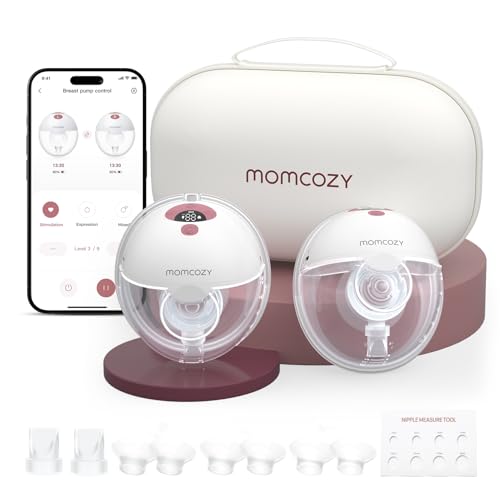
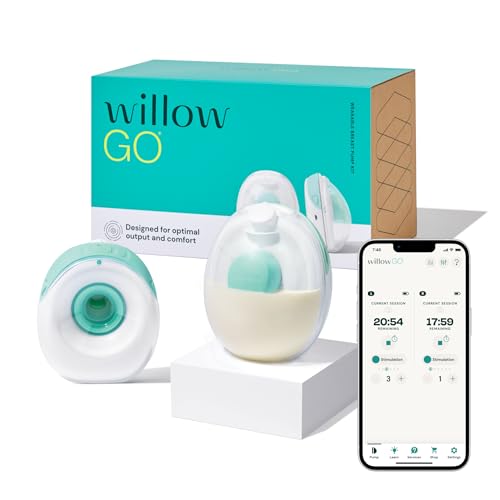


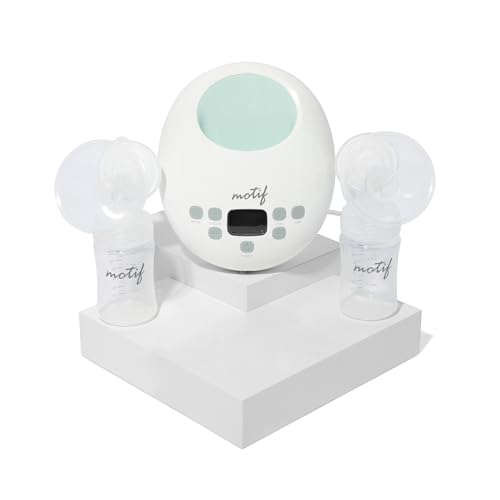
Choosing the Best Breast Milk Pumps for Your Routine
Start with frequency. Someone who pumps once a day for a bottle on date night needs very little: a manual pump or a basic single electric model can do the job at a modest price. Someone who pumps three or more times a day, especially around work, benefits from a double electric pump that empties both sides in about 15 to 20 minutes. Pumping only one side at a time roughly doubles the session length, and that time adds up fast.
Next, think about where you will pump. A pump that stays on a kitchen counter can be larger and stronger. A pump that goes to work, the car, or a relative's house needs a battery, a small case, and parts that wash quickly. Many parents end up with a main pump for home and a smaller backup for the bag.
Pump Types Compared
Double electric pumps
Double electric pumps are the standard choice for regular pumping. They run on mains power and often on a rechargeable battery as well, and they let you adjust both suction strength and cycle speed. The trade off is bulk: you carry a motor, tubing, and two sets of parts. They suit parents who pump at set times and want sessions to be short.
Single electric pumps
Single electric pumps cost less and weigh less, and they work well for occasional pumping or for parents who nurse most of the time. Each session takes longer because only one side is emptied at once. They also make a sensible backup if your main pump is at home.
Manual pumps
Manual pumps use hand pressure, need no power, and are almost silent. They are useful for relieving fullness, for travel, and for a power cut. Hand effort makes them tiring for frequent sessions, so most parents treat them as a secondary tool.
Wearable pumps
Wearable pumps sit inside a nursing bra with the motor and collection cup in one unit, so there are no tubes or bottles to hold. They let you move, work, or care for an older child during a session. Cups hold less milk than standard bottles, fit depends on your bra and body, and output can be lower for some parents, so many people use a wearable as a second pump. If you are leaning this way, our guide to the best handsfree breast pumps covers fit and capacity in more detail.
Features That Change Daily Use
Suction and cycle control
Separate controls for suction and speed let you copy the rhythm that works for your body, and a gentle start phase helps milk let down. A high maximum number matters far less than small, repeatable steps at the comfortable end of the range. Higher suction does not mean more milk, and it can make sessions sore.
Flange fit
The flange is the funnel that sits over the nipple. If it is too small the nipple rubs the walls, and if it is too large it pulls in extra tissue. Either problem can cause pain and lower output. Check which sizes come in the box and whether others are sold separately, and measure the nipple across its base rather than guessing from bra size. A lactation consultant can check fit in a single visit.
Portability and battery
A rechargeable battery frees you from outlets. Compare how many sessions a charge covers and how heavy the full kit is once you add bottles and a cooler. Our guide to the best portable breast pumps looks at size and bag fit for parents on the move.
Noise level
A quieter motor matters at night, in shared offices, and in a room where a baby sleeps. Noise is hard to judge from a listing, so read what buyers say about the sound at the lowest settings.
Cleaning load
Every part that touches milk needs washing after each session. Fewer parts, wide openings, and dishwasher safe pieces save real time when you pump several times a day. A second set of parts lets one set dry while you use the other.
Closed system
A closed system uses a barrier so milk cannot travel into the tubing or motor. It keeps cleaning simpler and protects the pump over months of use. Look for BPA free materials on every milk contact part.
Budget and Total Cost
Basic manual and single electric pumps often sit around $30 to $80. Reliable double electric models usually fall between $100 and $250, and wearable or premium systems can reach $300 to $450. Many health plans cover a standard electric pump, so check your insurance before paying full price. If coverage is your main question, our overview of the best ranked breast pumps shows how common ranking points compare.
Plan for ongoing costs as well. Valves and membranes wear out and may need replacing every few weeks to months with daily use, and a weak pump is often just a tired valve. Add storage bags or bottles, a cleaning brush, and a spare parts set to your budget. A pump with cheap, easy to find spares often costs less over a year than a cheaper pump with scarce parts.
Common Mistakes to Avoid
- Choosing by suction number alone, when fit and comfort decide how much milk you actually collect.
- Buying a wearable as your only pump before you know your output and fit.
- Skipping the spare parts check, then finding valves are hard to get.
- Pumping through pain instead of changing the flange size or lowering the setting.
- Forgetting to read the cleaning steps, which are part of safe use.
Care and Milk Handling
Wash parts that touch milk in warm soapy water after each use, rinse well, and air dry on a clean surface. Sanitize as the maker directs, and ask your pediatrician what routine suits a young or medically fragile baby. Label stored milk with the date, chill it promptly, and follow current storage guidance from your health provider. Inspect valves, membranes, and tubing weekly and replace worn parts rather than raising the suction to compensate.
If pumping hurts, output drops suddenly, or you notice a painful lump, redness, or fever, contact your clinician or a lactation consultant promptly. Supply worries are common, and our guide to breast pumps for low milk supply goes deeper on that situation.
Frequently Asked Questions
How often should I pump to keep supply steady?
A regular pattern matters more than any single long session. Many parents pump about as often as their baby would feed, including a session at night in the early weeks. If output falls or you feel pain, check flange fit, suction, and valve condition before pushing through discomfort, and talk with a lactation professional if worries continue.
What flange size do I need?
Measure your nipple diameter across its base after a feed and compare it with the maker size chart. A good fit centers the nipple in the tunnel with a little room to move and no rubbing. Watch for redness, pain, or poor emptying, and try the next size if you see them.
Are wearable pumps as effective as traditional pumps?
Wearable pumps suit discreet pumping at work or on the move, but some parents empty less fully than with a traditional double pump. Many use a wearable for convenience sessions and a traditional pump for the main ones. Check battery life, cup capacity, and cleaning steps before relying on one all day.
When should I seek help with pumping pain?
Seek prompt help for cracked or bleeding nipples, a painful lump, spreading redness, fever, or pain that does not ease after a fit and suction check. These signs can point to a fit problem, a blocked duct, or an infection that needs professional care.
How do I clean pump parts safely?
Rinse soon after use, wash with warm soapy water, rinse again, and air dry on a clean towel. Keep small valves and membranes together so nothing is lost, and replace any part that looks cracked, cloudy, or stretched.
The Bottom Line
Pick the type that fits how often and where you pump, then check flange sizes, cleaning effort, and spare parts before price extras. A pump you can use comfortably every day will serve you better than the strongest model that sits in a drawer. Compare your shortlist against the table above, and when you weigh the best breast milk pumps for your situation, ask your clinician or a lactation consultant about any personal feeding needs.

