
Best Breast Pumps Covered by Bcbs: Buying Guide for 2026
Disclosure: We may earn a commission when you buy through links on this page, at no extra cost to you. As an Amazon Associate I earn from qualifying purchases. Learn more

Best breast pumps covered by bcbs compared by coverage path, fit, and comfort, with practical checks to run before you order.
Ordering a pump through insurance sounds simple until you meet supplier lists, prescriptions, and plan rules that differ from state to state. Blue Cross Blue Shield is a federation of separate companies, so your exact benefit depends on your local plan and your employer group. Finding the best breast pumps covered by bcbs for you means confirming coverage first, then choosing among the covered models by fit, comfort, and your daily routine. This guide walks through both halves in order, so you do not fall in love with a pump your plan will not pay for. The comparison table below shows the types of pumps commonly offered through insurance suppliers.
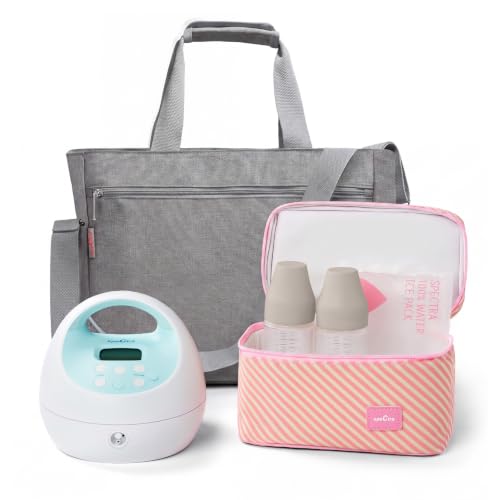
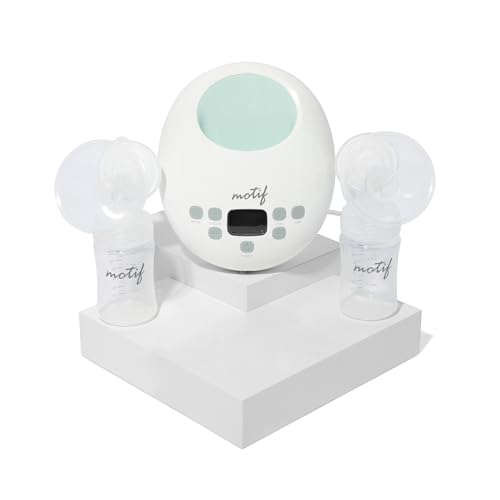

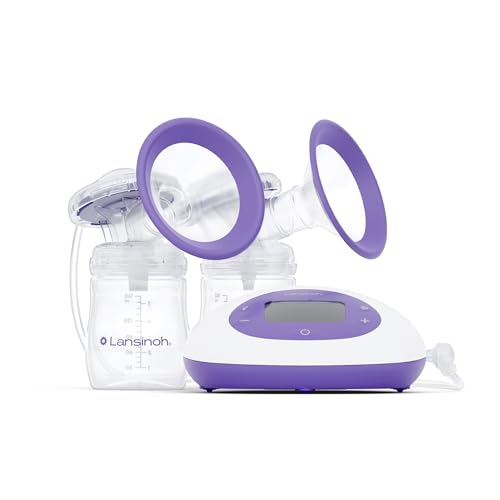


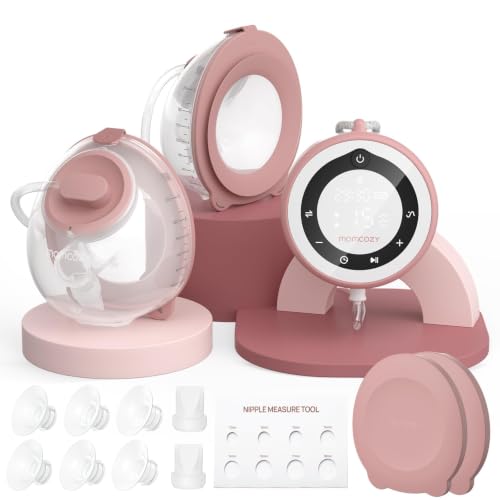
How Coverage Shapes Your Shortlist
Insurance changes the shopping order. Instead of picking any pump and then checking coverage, you check coverage and then pick well within a smaller, approved list.
Overall Coverage Path: The Standard Double Electric Pump
For most members, the standard double electric pump offered at no cost through an approved supplier is the overall best path. It pumps both sides at once, holds suction well across months of daily use, and arrives with the basic parts you need to start. Strengths are zero or low cost, proven designs, and easy replacement parts. The limit is choice, because your supplier may offer only a handful of models, and colors or cases are rarely part of the deal. If you pump daily at home or at work with a private space, this path covers your needs without extra spending.
Value Coverage Path: Covered Pump Plus Smart Accessories
The value path keeps the fully covered pump and adds a small number of paid accessories that fix real problems. A hands free bra, a car adapter, a second set of parts, or a cooler bag can each cost around $15 to $40 and can transform daily use more than a costlier pump would. This approach suits parents who like their covered model but hate holding flanges in place or washing one set of parts at midnight. The limit is discipline, because accessory spending can creep. Name the one or two frustrations you want to fix, buy only for those, and your total cost stays close to free.
Upgrade Coverage Path: Paying the Difference for Wearable Freedom
Many suppliers let you pay an upgrade fee, often about $50 to $200, to move from the covered standard pump to a wearable or premium model. This path suits parents whose jobs lack private pumping space, who commute long distances, or who know from experience that a standard pump setup will not get used. Strengths are discretion and freedom of movement. The limits are real: upgrade fees are rarely refundable, wearable pumps have more parts to wash, and suction feel differs from standard pumps. Confirm the exact fee, the return rules, and whether your plan allows upgrades at all before you commit.
How to Choose the Best Breast Pumps Covered by Bcbs: Buying Guide
Once you have your covered list, judge the models on it with the same criteria you would use for any pump. These six points will separate a good match from a daily frustration.
Safety Standards and Certifications
Covered pumps from approved suppliers are genuine retail products that meet United States safety rules, which is one quiet advantage of the insurance route over unknown online sellers. Milk contact parts should be BPA free, the system should be closed so milk cannot enter tubing or the motor, and electrical parts should carry proper safety listings. JPMA certification applies to some baby product categories and CPSC rules govern recalls, so register your pump when it arrives to receive any safety notice. Keep the box and serial number until you are sure everything works, since suppliers handle defects under warranty.
Portability and Size
Ask where you will pump most often, then choose size and power options to match. A compact pump with a battery pack or car adapter suits commuters and teachers who move between rooms, while a larger home pump suits a fixed nursing corner. Weight matters if you carry the pump daily along with a laptop and a cooler. Supplier photos can mislead, so check listed dimensions and imagine the pump in your actual bag. If you are also comparing how other insurers handle the same choice, our guide to the best breast pumps insurance lays out the common patterns across plans.
Ease of Use for Tired Parents
Covered models vary widely in daily friendliness. Look for controls you can run with one hand, a clear display, memory of your last settings, and parts that assemble the same way every time. Count the washable parts, because a pump with many small valves will test your patience at midnight. Ask the supplier what is in the box, since some kits include storage bottles and others do not. If two covered models look equal on paper, choose the one with fewer parts and simpler controls. You will thank yourself during the first growth spurt.
Comfort for Baby and Parent
Comfort starts with flange fit, the single biggest factor in both comfort and milk output. Most pumps include one or two flange sizes, yet many parents need a different size, so ask whether other sizes are covered, discounted, or available from the supplier. Adjustable suction and speed let you copy the pattern that works for your body instead of enduring one fixed rhythm. Pumping should never hurt. Sharp pain, blanching, or rubbing means the fit or settings are wrong, and a lactation consultant can often fix the problem in one visit. Comfort for your baby enters through the bottles you pair with the pump, so confirm thread compatibility before ordering extras.
Insurance Coverage and Price
Under the Affordable Care Act, most health plans must cover a breast pump as preventive care, but plans decide whether that means purchase or rental, which suppliers you must use, and when you can order. Many BCBS plans require a prescription or a simple form from your provider, and some allow ordering only after a set week of pregnancy or after birth. Grandfathered plans and some employer groups follow different rules. Call the number on your member card, ask for durable medical equipment benefits, and write down the reference number for the call. Readers with different coverage can compare the parallel process in our guide to the best breast pumps covered by medicaid, since the paperwork habits transfer well.
Longevity and Convertibility
A covered pump should last through your feeding goals, so favor established models with parts you can buy anywhere. Valves and membranes wear out every few months and are rarely covered as extras, so check those prices before choosing between two covered models. A pump that also works with widely available bottles and standard flanges gives you flexibility if your routine changes. If you plan a second child, ask whether your plan covers a new pump for each pregnancy, since many do, which removes the pressure to make one pump last for years.
Types of Breast Pumps Covered by Bcbs
Suppliers group covered pumps into a few types. Knowing the types helps you read a supplier list quickly and spot the upgrade offers for what they are.
Hands Free and Wearable Options
Wearable pumps sit inside your bra with no dangling bottles or tubes, so you can pump during tasks that allow movement and privacy. They are usually upgrade items rather than the free standard offer. Strengths are discretion and freedom, while limits include smaller collection cups, more parts to clean, and a fit that varies with bra and body shape. They suit experienced pumpers with an established supply and a clear need. First time pumpers often do better starting with a standard pump, then adding a wearable later if life demands it.
Budget Friendly Options
Within the covered list, the budget friendly choice is simply the model offered at no added cost, and it is often the smartest one. These standard pumps are workhorses with strong motors and cheap spare parts. What you give up is style and extras, not safety or core performance. Parents who want a backup for a second location sometimes add a low cost manual pump for around $20 to $40, which also helps during power cuts or travel. Readers comparing carriers may notice similar standard offers in our guide to the best breast pumps covered by insurance aetna, because suppliers serve many plans with the same core catalog.
Travel and Portable Options
Portable covered models trade some motor size for battery power and a smaller bag footprint. Some standard pumps add a battery pack as an accessory, which can be cheaper than upgrading to a travel model. Think honestly about your commute, your work breaks, and whether you will pump in a car, a lactation room, or a locked office. A pump that fits your bag and your schedule will be used, and a used pump protects your supply and your comfort. Portability you never use is just a smaller, weaker pump, so match the type to your real week.
How to Make Your Breast Pump Last Longer
- Replace valves and membranes on the maker schedule, since tired parts are the top cause of weak suction and longer sessions.
- Wash milk contact parts after each use and let them air dry fully, which protects both hygiene and the motor from moisture.
- Register your pump right away so warranty claims and recall notices reach you without a search.
- Store the pump and parts in a clean, dry place away from kitchen steam and bathroom humidity.
- Keep the supplier receipt and your plan approval details, because warranty and coverage questions are far easier with paperwork.
Frequently Asked Questions
How do I clean and sanitize a breast pump from an insurance supplier?
Wash every milk contact part in warm soapy water after each use, rinse, and air dry on a clean surface. Sanitize daily for young or medically fragile babies by boiling, steam, or a dishwasher sanitize cycle, as the maker directs. One point specific to insurance pumps is to photograph the parts as they arrive, so you can confirm the full kit was included before the return window closes. If a part arrives missing or damaged, call the supplier at once rather than buying a substitute.
When should I order a breast pump before my baby arrives?
Most BCBS plans let you order in the third trimester, and many suppliers ship about 30 days before your due date, though rules vary by plan. Starting the paperwork six to eight weeks early protects you if a prescription or approval step takes time. Ordering early also lets you learn the controls and wash the parts calmly. If your baby arrives early, tell the supplier, because many will rush shipment for a NICU or early birth situation when you explain the circumstances.
Is a breast pump covered by BCBS insurance?
Yes, in most cases, because most BCBS plans follow the federal preventive care rule that covers a breast pump with no cost sharing. Coverage details still vary: your plan may require an approved supplier, a prescription, or a rental instead of a purchase. Some plans also limit how often you can receive a pump. The only reliable answer for your exact benefit is a call to your plan or a check of your member portal, so confirm before you order or buy retail. Our comparison of the best breast pumps covered by united healthcare shows how much these details can differ between carriers.
Is a premium breast pump really safer than a standard covered one?
No, premium models are not safer by default, since standard and premium pumps sold through approved suppliers meet the same safety rules. Premium prices buy wearability, quieter motors, and app features. Safety in daily life comes from correct flange fit, intact parts, and good cleaning habits, all of which are free. If an upgrade tempts you, buy it for comfort or discretion that you will use daily, and never feel that the free covered pump is a lesser choice for your baby.
How long can my baby benefit from a breast pump covered by BCBS?
Your baby can benefit for as long as you choose to provide pumped milk, and a quality covered pump can last through that whole period with fresh valves and membranes. Many plans cover one pump per pregnancy, so a future baby may mean a new pump rather than stretching an old motor. Bottle nipples and storage parts need replacing along the way as flow and wear change. If suction fades despite new parts, contact the supplier about warranty service instead of assuming pumping is over.
The Bottom Line
Confirm your benefit first, choose by flange fit and cleaning effort second, and treat upgrades as optional comfort rather than a requirement. That order protects your wallet and your feeding goals at the same time. For most members, the best breast pumps covered by bcbs choice is the standard covered pump matched well to your routine, so compare the product table above against your supplier list before you order. Talk with your clinician or a lactation consultant about your personal needs, and seek care promptly for fever, a painful red area on the breast, or flu like symptoms, which can signal infection.


