
Best Breast Pumps Insurance for 2026: A Practical Buyer Checklist
Disclosure: We may earn a commission when you buy through links on this page, at no extra cost to you. As an Amazon Associate I earn from qualifying purchases. Learn more

Best breast pumps insurance compared by safety, fit, and total cost, with practical checks to run before you order.
Ordering a pump through insurance involves two decisions at once: which pump type fits your life, and which paperwork path your plan requires. Miss either one and you can end up with delays or a pump that does not suit your routine. This checklist for best breast pumps insurance claims walks through both, in the order you should handle them.
Work through the criteria below before you call a supplier. Knowing your must have features makes that call faster and helps you spot upgrade offers that are not worth paying for. The comparison table below shows the types your coverage may include.



How to Evaluate Pumps Ordered Through Insurance
Safety Standards and Certifications
A pump passes this check when it uses BPA free food contact parts and a closed system that keeps milk out of the tubing and motor. Brand new pumps from approved suppliers also carry a full warranty and genuine parts. Treat vague material claims or missing maker documentation as a fail, and ask the supplier for specifics in writing.
Materials and Cleaning
Good designs have few milk contact parts, wide openings, and pieces that tolerate a dishwasher or steam cleaning. Poor designs hide narrow channels that trap residue and take long to dry. With daily pumping, every extra part adds minutes of washing. Ask how many parts need washing per session, and price a spare set before you order.
Ease of Use for Tired Parents
A pump passes when you can assemble it correctly while exhausted, ideally with parts that only fit one way. Controls should be reachable with one hand, and the display should be readable in dim light. Fails include fiddly membranes that fold during assembly and bottles that tip easily. Simple assembly protects suction, because most weak sessions trace back to a poorly seated valve.
Fit for Your Feeding Stage
Fit means flange fit across your whole pumping journey, not a single size on day one. A good supplier includes common flange sizes or affordable inserts, since nipple size can change over months. In the early weeks you may pump often to build supply, while later you may pump only at work. Choose a type whose speed and comfort serve both stages.
Portability and Size
Judge portability by the full kit: motor, parts, bottles, cooler, and charger. A passing setup fits your work bag and runs on a battery for a full day away from outlets. A failing setup needs a wall socket for every session and spills easily in transit. If you mostly pump at home, size matters less, and you can trade portability for a stronger motor.
Performance Features
Look for a two phase cycle, with a fast phase to trigger letdown and a slower, stronger phase for expression. Adjustable suction with fine steps beats a high maximum number, because comfort decides how well you empty. Double pumping is a must for regular use. Extra modes, apps, and timers are nice, but they never rescue weak basic performance.
Longevity and Convertibility
A pump should last through your planned pumping period, often a year or more, with cheap and available wear parts. Check warranty length, motor duty guidance, and how long the maker stocks valves and membranes. Some pumps convert between home and travel use with a battery pack or car adapter, which extends value if your routine changes after parental leave ends.
Three Pump Types to Match to Your Needs
Instead of naming specific models, use this section to match types to needs. Coverage catalogs change often, but types stay stable. Judge any catalog option against the criteria above and the tier notes below.
Balanced Type
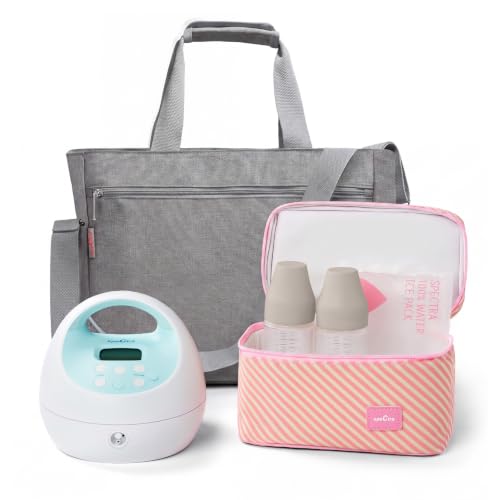
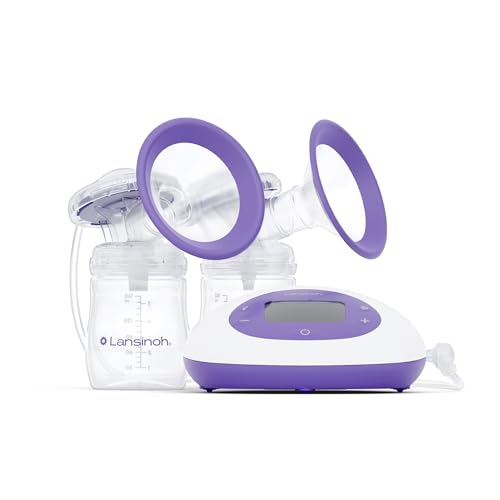
For most parents, a standard to premium double electric pump passes the most checks at once. It offers strong adjustable suction, durable parts, and wide parts availability, and it is the type most plans cover fully. Expect a retail value around $150 to $300 if you pay yourself. Its one limit is bulk, so commuters should confirm battery options before choosing it as their only pump.
Value Type
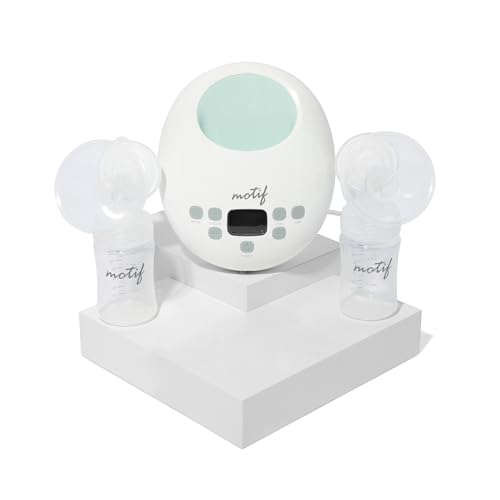
The value type is a basic double electric pump with simple controls and low cost parts, often covered with no payment at all. It passes on cleaning, fit, and basic performance for light to moderate use. Its limits are a louder motor, fewer settings, and sometimes no battery. Choose it if you pump once or twice a day and want zero upgrade fees.
Compact Type
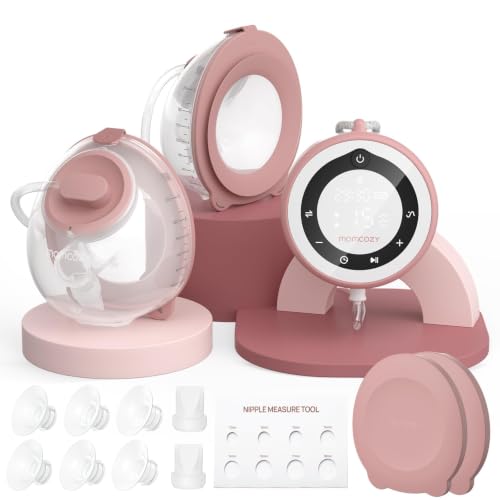
The compact type is a small portable or wearable pump that passes on portability and discretion. It suits work desks, travel, and sessions while caring for other children. Expect to pay an upgrade fee under many plans, often with a retail value around $200 to $350. Its limits are smaller collection capacity and, for some users, gentler emptying than a full size pump.
Quick Buyer Checklist
- Have you confirmed which suppliers your plan requires you to use?
- Do you know whether a prescription is needed, and have you requested it?
- Does the pump offer double pumping with adjustable suction in two phases?
- Have you measured for flange fit and priced extra sizes or inserts?
- Do you know the total cost, including any upgrade fee and spare parts?
- Can you get replacement valves and membranes quickly in your area?
- Does the kit fit your work bag and power needs for a full day?
- Have you confirmed when the supplier ships, before or after delivery?
Red Flags to Watch For
- Vague specifications, such as suction claims with no levels or cycle details you can compare.
- No clear statement of BPA free materials or closed system design for milk contact parts.
- A very short warranty or no clear path for warranty service through the supplier.
- Parts that only one obscure seller stocks, which can leave you unable to pump during a break.
- Pressure to pay a large upgrade fee before the supplier confirms your coverage in writing.
If a supplier waves off your questions on any of these points, pause and call your insurer directly.
Tips to Get the Most From Your Insurance Pump
Register the pump when it arrives, test it before the birth, and photograph your coverage approval for your records. Order spare valves and a second parts set early, while your supplier file is active. If you are comparing program types, our guide to the best insurance provided breast pumps explains how provided models usually differ from retail versions.
Clean parts after every use and replace soft parts on schedule to keep suction strong. Those who want flexible sessions can see our guide to the best handsfree breast pumps. Our guide to the best ranked breast pumps shows how rankings weigh these same criteria.
FAQs
Is a premium model really safer?
No. Safety comes from food safe materials, a closed system, sound parts, and correct cleaning, which standard covered pumps provide. Premium pricing buys stronger motors, quieter running, and more comfort settings. If a supplier implies you must upgrade for safety, ask them to put that claim in writing and check it with your insurer.
Is it covered by insurance?
Most plans cover one standard electric pump per birth through an approved supplier, often with a prescription. Upgrades to wearable or premium types may cost extra, and some plans cover a hospital grade rental when there is medical need. Call your plan early, note the name of the person you spoke with, and keep the approval details.
How long can my baby use it?
The pump itself has no baby age limit, and it can serve from the first week through weaning. What changes is your routine, from frequent early sessions to fewer workday sessions later. Motors and soft parts wear with use, so a pump used heavily for a first baby may need new parts, or may not suit a second child years later.
How do I clean and sanitize it?
Wash milk contact parts after each use in hot soapy water, rinse, and air dry fully on a clean surface. Sanitize once a day for babies under two months, babies born early, or babies with health concerns, using boiling, steam, or a dishwasher cycle the maker allows. Ask your pediatrician which routine your baby needs.
When should I buy this before baby arrives?
Start the process in the second or early third trimester, since prescriptions and supplier approvals take time. Some suppliers ship before delivery and others ship after, so confirm timing and order parts accordingly. Practicing assembly and checking flange fit before the birth means one less new task during the first week at home.
Our Verdict
Run every catalog option through the same checks: closed system safety, flange fit, cleaning load, and total cost after fees. The product table above helps you compare types quickly. For most parents, a fully covered double electric pump is the smart default, with upgrades only where your routine truly gains. Ordered that way, best breast pumps insurance coverage becomes simple and predictable. Talk with your clinician or lactation consultant about your personal needs.

