
Best Bread Mixes for Bread Machines: Buying Guide 2026
Disclosure: We may earn a commission when you buy through links on this page, at no extra cost to you. As an Amazon Associate I earn from qualifying purchases. Learn more

Compare bread mix types, loaf sizes, flavors, and allergen notes so you can pick a mix that suits your bread machine, household, and baking routine.
A good mix removes the measuring and guesswork from home baking, but not every bag suits every machine or household. Best bread mixes for bread machines vary in flour type, yeast style, loaf size, sweetness, and salt level, and those details change texture, rise, and flavor. This guide explains what to compare so you can match a mix to your machine, your schedule, and the bread your household actually eats. See the comparison table below for a quick side by side view before you read the details.
Start with loaf size and machine capacity, then check whether yeast is already included and whether the mix needs added oil, milk, or eggs. A mix that fits your pan and your usual cycle will bake more evenly than a larger bag squeezed into a small pan. Keep allergen notes and storage guidance in mind too, since an opened bag loses freshness faster than a sealed one.
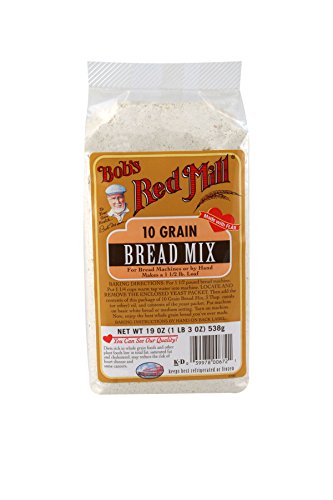
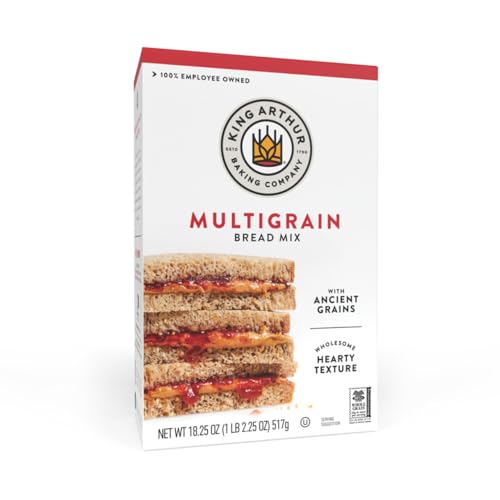
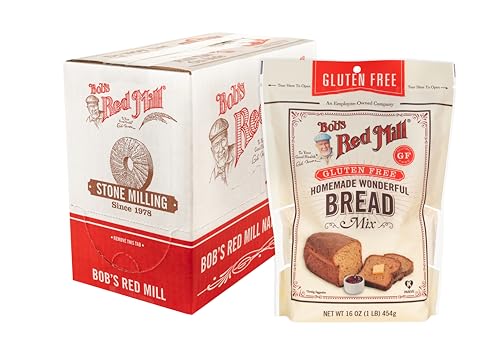
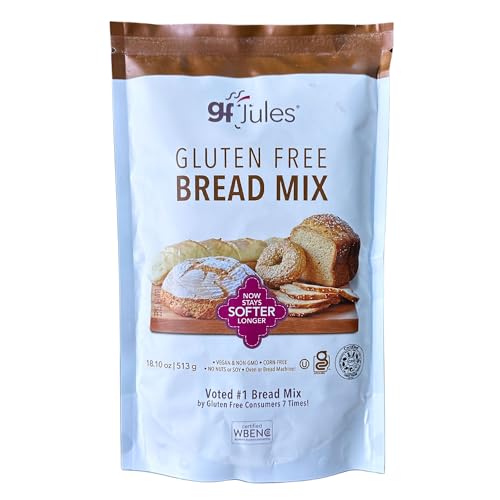


Spending Levels Without the Hype
Budget mixes usually focus on plain white or basic whole wheat loaves, and they work well for everyday sandwiches and toast. They often use simpler flour blends and fewer added seeds or grains, which keeps the flavor mild and the crumb soft. If you bake several loaves each week, a low cost bag can be a sensible pantry staple, provided the loaf size matches your machine.
Mid priced mixes tend to offer more variety, such as multigrain, honey wheat, sourdough style, or herb blends. The extra cost usually buys a more interesting flavor or a better texture rather than a guaranteed taller loaf. Check the ingredient list for added sugar and salt, because a flavorful mix can still taste balanced when those levels stay moderate.
Higher priced mixes often highlight organic flour, ancient grains, gluten free blends, or specialty flavors. Those options can suit a household with a clear dietary need or a strong taste preference, but they are not automatically better for a basic machine cycle. Read the directions for water temperature and cycle choice, since specialty flours can behave differently from plain wheat flour.
How to Choose the Right Bread Mix
Flour Type and Texture
White flour mixes usually produce a light, soft crumb and a mild flavor that suits sandwiches and morning toast. Whole wheat mixes add fiber and a nuttier taste, but they can bake denser unless the blend includes enough strong wheat flour. Multigrain mixes add seeds and cracked grains for texture, yet they need enough liquid to soften those grains during mixing and rising. If you like a chewy crust, look for a mix that mentions a longer bake or a darker crust setting rather than assuming every mix will crust the same way.
See our guide to best bread flour for bread machines for more on flour choices.
Yeast: Included or Added Separately
Some mixes include yeast in a separate packet, while others blend it into the dry ingredients. A separate packet gives you a clearer check that the yeast is fresh, and it helps you follow the layering order your machine manual suggests. If yeast is blended in, keep the bag sealed and dry, because moisture and heat can weaken it before baking day. When a mix asks you to add your own yeast, use the type and amount stated on the bag, since bread machine yeast and active dry yeast do not always behave the same way in a timed cycle.
See our guide to best yeast for bread machines for yeast basics.
Loaf Size and Machine Capacity
Loaf size matters more than flavor when you first try a new mix. A one pound mix in a two pound pan can bake flat and dry, while a two pound mix in a one pound pan can rise into the lid or bake unevenly. Check your machine manual for its loaf range, then match the finished loaf weight on the bag to that range.
See our guide to best home bread machines if you are still choosing a machine. If your household eats bread slowly, a smaller loaf may stay fresher, even if a larger bag costs less per loaf.
Sweetness, Salt, and Flavor Balance
Sugar feeds yeast and helps browning, but a very sweet mix can taste more like cake than everyday bread. Salt strengthens dough structure and adds flavor, yet too much salt can slow rising. Read the nutrition panel and the ingredient order, and favor mixes where flour comes first and sweeteners appear later in the list. Herb, cheese, garlic, and cinnamon mixes can be enjoyable, but they suit a specific meal better than a plain loaf that pairs with many foods.
Allergen and Dietary Notes
Check the allergen statement before you buy, especially for milk, egg, soy, wheat, tree nuts, and sesame. A mix labeled gluten free still needs a machine cycle and pan cleaning routine that avoids wheat residue if your household needs strict avoidance. If a member of your household has a food allergy, follow the maker guidance on the bag and talk with a clinician about any dietary question that affects health. Keep the bag after opening so you can check the ingredient list again if a question comes up later.
Ease of Use and Storage
The easiest mixes need only water and sometimes a spoonful of oil or butter, which suits busy mornings and new bakers.
See our guide to best bread machine for machine features that affect ease of use. Mixes that need milk, eggs, or a longer rest may taste richer, but they also add steps and timing to your routine. After opening, seal the bag tightly and store it in a cool, dry place, and use it within the window stated on the package. A stale mix can still rise weakly, so freshness matters as much as brand or price.
Types of Bread Mixes
Classic White and Wheat Mixes
Classic mixes are the most forgiving choice for a first loaf, because their flour blends suit the basic white or whole wheat cycle on most machines. They slice cleanly, toast evenly, and pair well with spreads, soups, and sandwiches. Choose white for a soft crumb, or whole wheat when you want a heartier flavor and a firmer slice.
Multigrain and Seeded Mixes
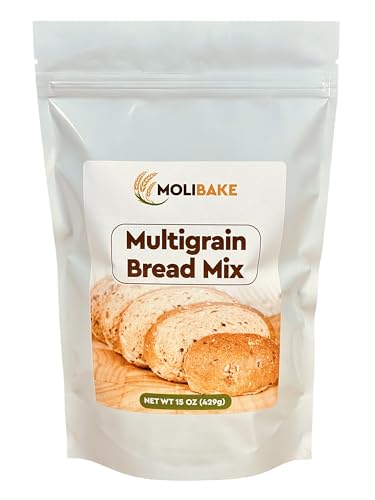
Multigrain mixes add texture and a nutty flavor, but they also need careful liquid measurement to keep the crumb moist. Seeds on the crust can brown quickly, so a medium crust setting often works better than the darkest option. These mixes suit households that enjoy rustic bread, yet they may not slice as thinly as a plain white loaf.
Specialty and Gluten Free Mixes
Specialty mixes cover sourdough style, rye style, sweet breads, and gluten free blends, and each one needs its own cycle and expectations. Gluten free dough often looks more like batter than wheat dough, and it may need a dedicated gluten free cycle to rise and set properly. Sourdough style mixes offer tang without a live starter, but they will not taste exactly like a loaf made from a long fermented starter.
Bread Mixes for Specific Needs
Buying Bread Mixes at a Supermarket
When you shop in a supermarket, focus on loaf size, freshness date, and allergen notes rather than shelf position. A supermarket mix that matches your machine capacity and lists clear directions for water temperature and cycle choice will usually serve you better than a larger bag with vague directions. Compare the finished loaf weight and the number of loaves per bag, since a bag that makes two small loaves may suit a small household better than one large loaf.
Setup and Care Tips
- Read the minimum and maximum fill lines in your machine manual before you pour in a mix, because an overfilled pan can rise unevenly.
- Add liquids first when your manual calls for that order, then add the dry mix, since liquid placement affects how yeast meets moisture.
- Use water at the temperature stated on the bag, because water that is too hot can weaken yeast and water that is too cold can slow rising.
- Unplug the machine and let the pan cool before cleaning, and wash only the parts your manual says are safe to wash.
- Check the loaf early in the bake only if your manual allows it, since opening the lid can drop the temperature and affect the rise.
- Store an opened bag sealed in a cool, dry place, and note the date you opened it so you can use it while it is still fresh.
Frequently Asked Questions
What features matter most in bread mixes for bread machines?
Loaf size, flour type, yeast style, and clear directions matter most, because those four details decide whether a loaf rises well in your machine. A mix with the right loaf size and a yeast method you can follow will usually outperform a fancier mix that does not fit your pan. Check allergen notes and storage guidance too, since an opened bag needs care to stay fresh. If you are new to machine baking, start with a classic white or whole wheat mix before trying seeded or gluten free blends.
How do I clean up after baking with a bread mix?
Let the pan cool after baking, then remove the loaf and wipe away crumbs before washing any parts your manual allows you to wash. The kneading paddle can trap dough, so soak it briefly if your manual permits soaking, and dry it fully before storage. Never pour water into a hot pan that your manual says to cool first, and never use sharp tools to scrape a coated pan. Keep the machine exterior clean with a damp cloth once the machine is unplugged and cool.
Are bread mixes safe to leave unattended?
A bread machine is designed to run a timed cycle, but you should still follow the safety guidance in your machine manual and stay within hearing distance during baking. Keep the machine on a stable, heat resistant surface away from curtains and clutter, and never cover the vents while it runs. If you smell burning or see smoke, unplug the machine only if you can do so safely and let it cool before opening it. Check the maker guidance for your model before you leave the house during a cycle.
Does a bread mix use a lot of electricity?
A bread machine uses power mainly during kneading and baking, and a typical loaf cycle costs far less than running a full size oven for the same time. The exact amount depends on your machine wattage, cycle length, and local electricity rates, so check your manual and your utility rate for a closer estimate. Shorter cycles and smaller loaves usually use less energy, while a long whole wheat cycle uses more. Using a mix does not change power use much compared with baking from scratch in the same machine.
How long do bread mixes usually last?
An unopened mix usually lasts until the date printed on the bag when it is stored in a cool, dry place away from heat and moisture. Once opened, a mix loses freshness faster, so seal it tightly and use it within the window stated on the package. Yeast strength fades with age and poor storage, which can lead to a low rise even when you follow the directions exactly. If a bag smells stale or the loaf rises poorly twice, replace the bag rather than adding extra yeast on your own.
Final Thoughts
The right mix is the one that fits your machine, matches your household taste, and fits the time you want to spend on baking. Start with loaf size and flour type, check yeast and allergen notes, and choose a flavor you will enjoy for more than one loaf. The product table above can help you compare options side by side, but the bag directions and your machine manual should guide the final choice. With a well matched mix, home baking becomes a simple routine rather than a guessing game, and best bread mixes for bread machines become a pantry staple you can rely on week after week.


