
Best Brew Pumps: Budget, Midrange, and Premium Tiers for 2026
Disclosure: We may earn a commission when you buy through links on this page, at no extra cost to you. As an Amazon Associate I earn from qualifying purchases. Learn more

Compare the best brew pumps at every price point. Learn what you get at budget, midrange, and premium levels and where spending more pays off.
A small pump changes home brewing more than almost any other upgrade, because it ends the lifting, pouring, and splashing of hot liquid between vessels. Prices run from under $100 to well over $300, and the gap is not always obvious from a product photo. This guide shows where the money actually goes so you can choose the best brew pumps level for your setup with confidence.
Instead of naming specific models, we will walk through what each price tier typically delivers in flow, build quality, and ease of cleaning. That way you can judge any listing in the comparison table below against the same checklist. Match the pump to your batch size and your plumbing style first, and the right tier usually becomes clear.


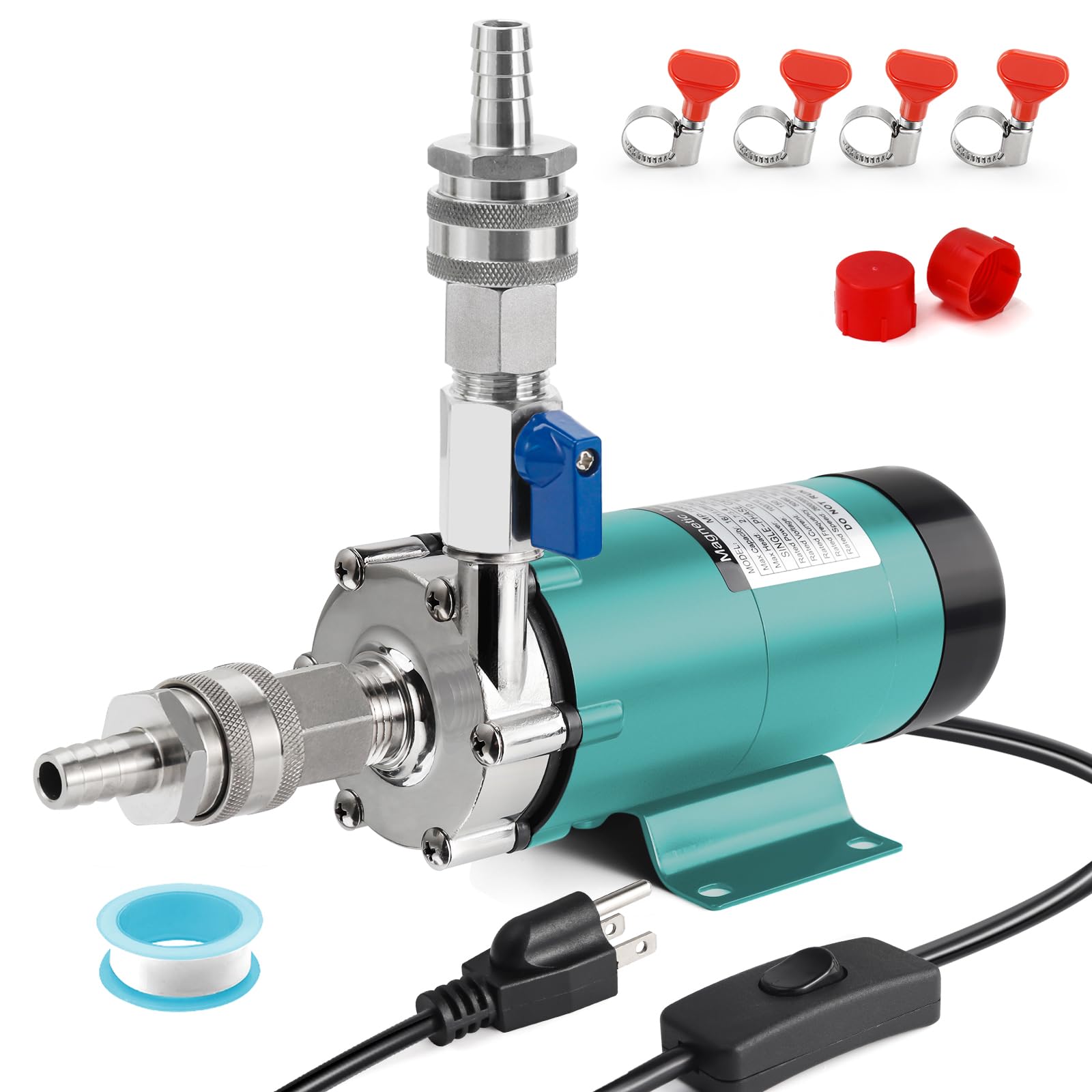


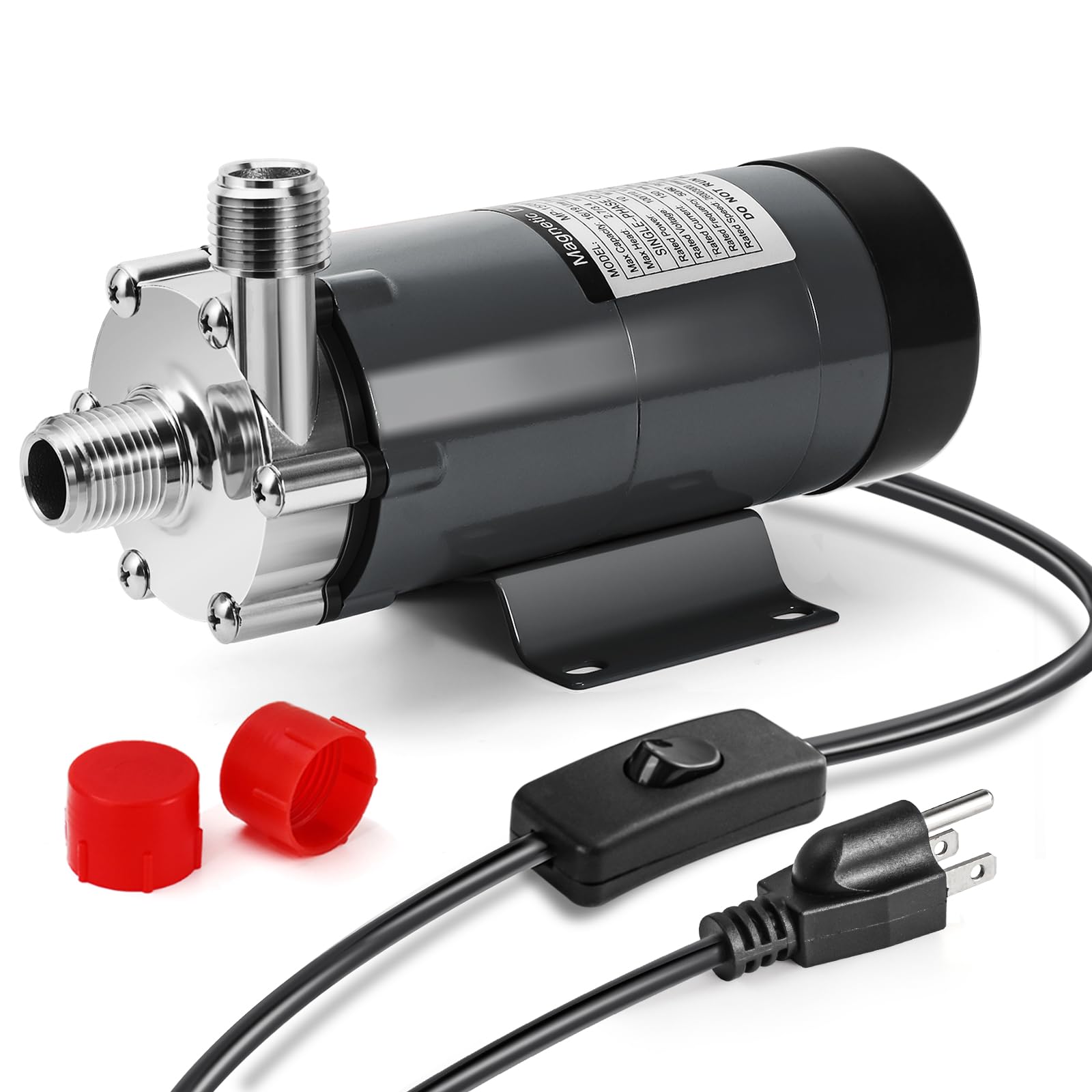

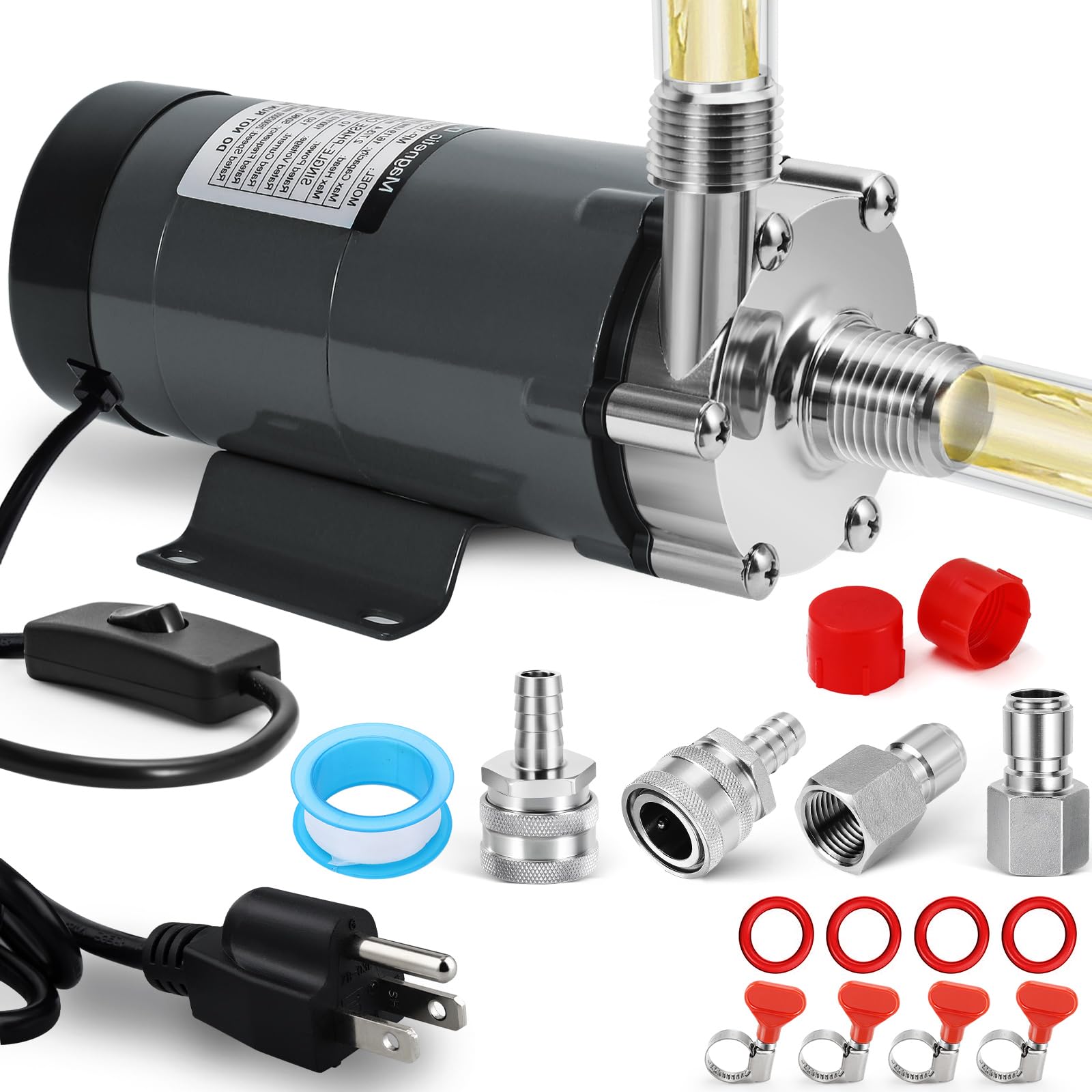
Three Ways to Spend: Budget, Midrange, and Premium
The Budget Route: Moving Wort Without the Heavy Lifting
The budget route suits brewers who make small batches, around five gallons, and want to stop carrying hot kettles. Look for a food grade pump head, a flow rate near 3 to 5 gallons per minute, and a simple on and off switch. At this level you trade speed and polish for price, and you may prime the pump by hand, which means filling the lines with liquid before switching it on.
The main limit is heat and durability. Some entry level pumps cap their liquid temperature below the near boiling wort you move after the boil, so check the rating against your process. Plastics are common in the pump head, which is fine for occasional brew days. If you brew monthly and keep batches modest, this tier does the core job honestly.
The Midrange Route: The Everyday Workhorse
Midrange pumps suit brewers who brew often, run a three vessel setup, or recirculate the mash for clearer wort and steadier temperatures. Expect stronger motors, better seals, and pump heads in stainless steel or heat tolerant polysulfone that handle boiling liquid without complaint. Flow control through a ball valve on the outlet becomes practical at this level because the motor tolerates the back pressure.
You also get easier cleaning. Quick disconnect fittings, sold separately, let you pull the pump from the system in seconds and flush it at the sink. For most home brewers this tier ends the upgrade itch, because it covers recirculation, whirlpooling, and transfers between any two vessels in a typical garage or kitchen setup.
The Premium Route: Speed, Quiet, and Long Service
Premium pumps suit large batch brewers, small pilot systems, and anyone who values quiet running and long service intervals. You pay for higher flow, greater head pressure, which is how high the pump can push liquid, and motors built for long continuous runs. Stainless heads with tri clamp fittings appear here, matching the fittings used in professional breweries.
The honest trade off is cost and size. A premium pump can be heavier, needs proper mounting, and costs more to repair if a seal fails. Buy this tier when your batch size or brew day schedule truly demands it, not as a status step. Brewers who rarely exceed ten gallons seldom use the extra capacity they paid for.
What Your Money Gets You at Each Price Tier
Budget Tier: What to Expect
Budget pumps generally cost under $100. Typical features include a compact plastic or polysulfone head, modest flow, and basic mounting feet. They move wort and sparge water well at short distances, but they slow down when pushing liquid up into a tall fermenter. Durability is adequate for light use, and replacement heads are cheap when seals wear.
The buyer who wins here brews small batches a few times a year and stores gear in a bin between sessions. Keep expectations plain: manual priming, a little more noise, and careful attention to temperature limits. That is a fair exchange for the low price, as long as the temperature rating covers your hottest transfer.
Midrange Tier: The Sweet Spot for Most Buyers
Midrange pumps usually run about $100 to $250, and this is where build quality jumps. Stainless or polysulfone heads tolerate boiling wort, motors run cooler, and published flow and head pressure figures climb. When you compare listings, our guide to the best quality pumps explains the material and seal details that separate a durable pump from a disposable one.
Most midrange models use a magnetic drive, meaning the motor spins the impeller through the sealed head wall with magnets, so no shaft seal can leak wort into the motor. That single design choice improves sanitation and reliability at once. For a regular home brewer, this tier offers the best balance of price, performance, and years of service.
Premium Tier: When Spending More Pays Off
Premium pumps cost over $250 and earn it through throughput and refinement. Expect flow rates that fill a fermenter fast, quiet motors you can talk over, and fully stainless flow paths that shrug off caustic cleaners. Some add variable speed control, which lets you dial a gentle recirculation without throttling the outlet valve.
Spending more pays off when brew days are long, batches are large, or the pump runs a whirlpool for an extended chill. It pays off less when the pump runs ten minutes per brew day. Judge by your actual minutes of use per month, and let that honest number decide whether the premium tier is value or decoration.
Features Worth Paying For (and Ones to Skip)
Size, Weight, and Fit for Your Space
Check the footprint and mounting pattern before you buy, because a pump that cannot bolt to your brew stand or sit stable on a board will annoy you every session. Compact pumps tuck under a kettle and store in a tote, while larger premium units deserve a fixed mount. Weight matters if your setup packs away after each brew day. Also confirm the inlet and outlet thread sizes match your valves and hoses, or budget for adapters.
Safety and Certifications
Safety comes first because these pumps move near boiling liquid near electrical power. Choose pumps with food contact materials rated for hot wort, and look for recognized electrical certification marks for your region. Run the pump from a GFCI protected outlet, keep the motor dry, and mount it below the liquid source so leaks drip away from the electrics. Never run a pump dry for more than a few seconds, since the liquid itself cools and lubricates the impeller.
Maintenance and Long Term Costs
Cleaning is the real upkeep cost in time, not money. After each brew day, flush the pump with hot water, then circulate a brewery cleaner, rinse, and let it dry with the head open to airflow. Pumps that come apart with a few screws make this easy, and easy pumps actually get cleaned, which protects your beer from stale residue flavors. Replacement seals and impellers are inexpensive on common designs, so favor models with spare parts still sold.
Intended Use and Who It Is For
Be honest about your process. If you only transfer cooled wort to a fermenter, a modest pump with a lower temperature limit may be plenty. If you recirculate hot mash or whirlpool boiling wort, heat rating and head material become non negotiable. Brewers using pumps for keg washing or line cleaning should also confirm chemical tolerance. Matching the pump to the hottest, thickest job in your process is the simplest buying rule in this whole guide.
Best Brew Pumps for Specific Needs
Best Home Brew Pumps: Where Your Money Goes
When people shop for best home brew pumps, the money should go to three home specific things first: a heat rating that covers boiling wort, a magnetic drive that keeps wort away from seals and motor, and fittings that match standard home brew hose sizes. Home systems run at five to fifteen gallons, so extreme flow matters less than easy priming and quick cleanup. Spend on those traits before paying for raw power.
Long Term Costs to Factor In
The pump itself is only part of the bill. Add high temperature silicone hoses, a ball valve for flow control, and quick disconnect fittings, which together can add about $40 to $120 depending on quality. Electricity use is trivial at this scale. Over the years, expect to replace seals, an impeller, or a pump head, and factor in brewery cleaner and sanitizer you will run through it after every session.
Warranty length varies from one year to several, and a brand that stocks spare parts protects your total cost far better than a slightly longer paper warranty. Keep the receipt and register the pump if asked. A midrange pump maintained well can serve a decade of brew days, which makes its true yearly cost lower than a budget pump replaced twice in the same span.
Brew Pumps: Your Questions Answered
How do I maintain a brew pump?
Flush it with hot water right after brewing, before sugars dry inside the head. Then circulate brewery cleaner for a few minutes, rinse with clean water, and store it dry with the ports open. Every few months, open the head and inspect the impeller and seals for wear or trapped grain. Pumps that missed a cleaning grow off flavors fast, so make the flush part of your brew day routine.
Are expensive brew pumps worth it?
They are worth it when you brew large batches often, run long whirlpools, or need tri clamp fittings to match the rest of your system. For a five gallon batch brewed monthly, the extra flow and polish of a premium pump rarely change your beer or your day. Worth follows workload here. Spend first on heat rating, sanitation, and fittings, which help every brewer at every tier.
What features matter most when buying brew pumps?
Temperature rating, drive type, and flow control matter most, in that order. The pump must survive your hottest liquid, a magnetic drive keeps the system sealed and sanitary, and an outlet valve lets you set a gentle recirculation without straining the motor. After those three, look at fitting size, spare parts availability, and noise. Decorative extras and extreme flow numbers matter least for typical home batch sizes.
How long does a brew pump last?
A cared for midrange or premium pump commonly lasts eight to ten years or more of home use, while budget pumps often serve three to five years. Lifespan depends mostly on cleaning habits and whether the pump runs dry or overheats. Seals and impellers are wear parts, so a pump with available spares can be refreshed cheaply instead of replaced. Store it dry and indoors to protect the motor between sessions.
How much should I spend on a brew pump?
Most home brewers land well in the midrange, about $100 to $250 for the pump plus extra for hoses and fittings. Spend toward the budget end for small, occasional batches, and toward premium only when batch size or brew frequency demands it. A useful test: if a cheaper tier meets your temperature and flow needs, the savings buy a lot of grain and hops. Total setup cost matters more than the pump price alone.
Wrapping Up
Choose by heat rating first, then by drive design, then by how the pump fits your stand and your cleaning routine. Those three checks sort the market faster than any flow chart. Budget tiers move wort honestly for small batches, midrange tiers serve most brewers for years, and premium tiers repay heavy use.
Whichever tier fits, the best brew pumps are the ones you clean without fuss and trust with hot wort every brew day. Compare the options in the product table above against this checklist, and pick the level that matches your real brew day, not your dream one.


