
Best bread mixers 2026: Buying Guide
Disclosure: We may earn a commission when you buy through links on this page, at no extra cost to you. As an Amazon Associate I earn from qualifying purchases. Learn more

Compare bread mixers for home baking: bowl size, motor power, dough capacity, and attachments that make kneading easier and more reliable. Start here.
The best bread mixers are hard working machines that can knead stiff dough without straining, overheating, or walking across the counter. Bread dough is far tougher than cake batter, so a mixer that handles light mixing well may still struggle with a dense whole wheat loaf.
This guide explains motor power, bowl size, dough capacity, and attachment design, and it helps you match a mixer to how often and how much you bake. Whether you bake one loaf a week or several, the right choice saves time and gives more consistent dough. The comparison table below summarizes the main options so you can see the range at a glance before reading the detail.


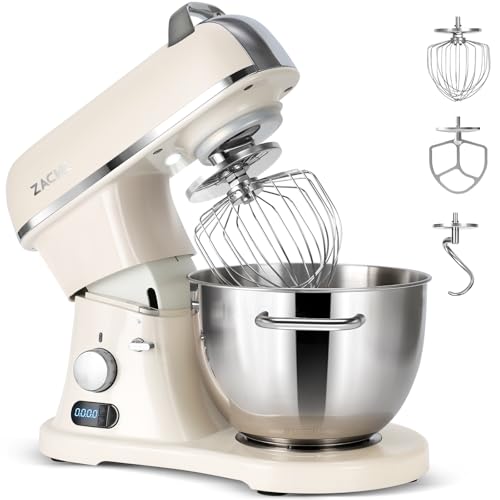

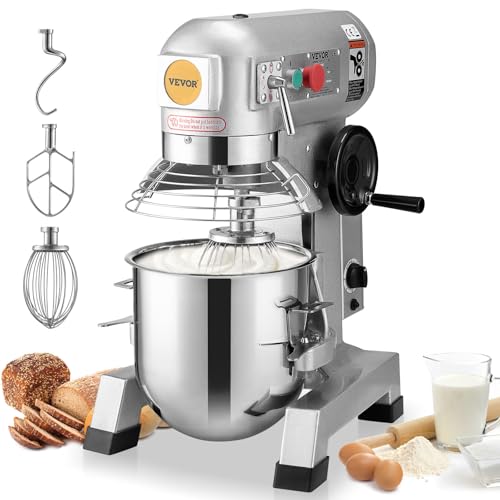
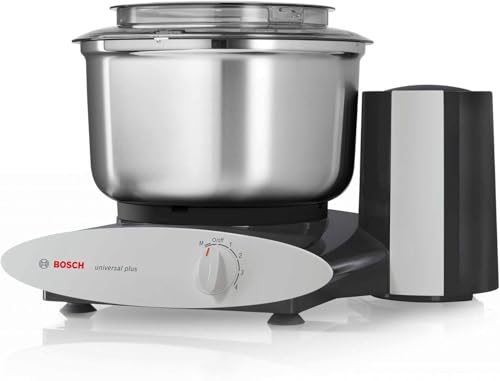

Who Should Buy This Type
These mixers suit home bakers who make bread weekly, families who bake in larger batches, and anyone with wrist or hand strain who finds hand kneading painful. They also suit bakers who want consistent dough for pizza, rolls, and enriched breads. If you bake only occasionally and in small amounts, a smaller mixer or hand kneading may be enough, so weigh frequency against cost and counter space.
Key Features to Compare
Judge mixers on dough handling first, since that is where cheap models fail.
- Motor power and gearing. A strong motor with metal gears handles stiff dough better than a high wattage claim alone, so check dough capacity ratings.
- Bowl size. A larger bowl suits big batches, but very large bowls can struggle with small dough amounts that do not reach the hook.
- Dough capacity. Maker dough weight limits matter more than bowl volume, since dense dough loads the motor heavily.
- Hook design. A well shaped dough hook kneads evenly without pushing dough up the shaft or leaving dry flour at the bowl edge.
- Stability. A heavy base and suction or non slip feet keep the mixer steady under load, which protects both mixer and counter.
Types Compared
Bread mixers include stand mixers with a dough hook, dedicated spiral mixers, and hand mixers with dough hooks. Stand mixers are the most versatile, handling bread, cakes, and other tasks with attachments. Spiral mixers knead large dough amounts gently and suit serious bakers, but they take more space and cost more. Hand mixers with dough hooks suit small batches and tight kitchens, yet they strain sooner with stiff dough and need the baker to guide them.
How to Compare Options Side by Side
Start with batch size and frequency. For one or two loaves a week, a mid size stand mixer with a clear dough rating usually suffices. For frequent large batches, favor a larger bowl, stronger gearing, and a higher dough limit, even if it costs more. Check counter height under cabinets, since tall mixers may not fit, and lift the mixer in the shop to judge whether you can move it easily. Compare warranty terms for motor and gears, since those parts work hardest.
If you want to compare nearby options, our guides to best mixers for bread dough, best stand mixers for bread, best mixers for bread making cover related choices in more detail.
For a wider view, also look at best stand mixers for bread making and best food mixers for bread making before you decide.
Setting Up and Everyday Use
Add flour gradually and let the mixer rest briefly if the motor sounds strained, following maker guidance for rest periods. Scrape the bowl once during kneading to catch dry patches, and check dough by feel rather than by time alone, since flour and humidity change kneading needs. Use the lowest effective speed for dough, and keep the cord and vents clear of flour dust. Store attachments dry to prevent rust and odor.
Care and Long Term Value
Wipe the mixer body after use, and wash bowls and hooks following maker care labels, since some parts are not dishwasher safe. Check the attachment hub for flour build up, and tighten any loose fittings. If the mixer rocks, smells hot, or changes pitch under load, stop and let it cool, and seek service if the problem repeats. A well cared for mixer should serve for many years of regular baking.
Common Mistakes to Avoid
Overloading the bowl beyond its dough rating is the most common error, and it strains motors and gears. Another mistake is kneading at high speed, which heats dough and wears the mixer. Ignoring rest periods for the motor is also costly, since heat shortens motor life. Finally, do not judge a mixer by bowl size alone, because dough capacity and gear strength matter more for bread.
A Final Check Before You Buy
Budget stand mixers can handle small, soft doughs well, but they often strain on dense whole wheat or large batches. When comparing budget models, check the maker dough weight rating rather than bowl size alone, and look for metal gears if possible. A budget mixer used within its limits will last far longer than a dearer mixer routinely overloaded.
Midrange mixers usually offer stronger motors, better gearing, and larger bowls, making them a sound choice for weekly bread baking. Look for a dough hook that kneads evenly, a stable base that does not walk, and clear guidance on rest periods. Test the mixer weight and height in person, since you will lift it and store it often.
Premium mixers and dedicated spiral mixers suit serious bakers who knead large batches frequently. Spiral mixers handle dough gently and in quantity, while premium stand mixers add versatility for other tasks. Choose premium capacity only if your baking volume justifies the cost and counter space, and confirm warranty cover for motor and gears.
Before buying, measure counter height under cabinets and storage space, since tall mixers may not fit assembled. Check attachment availability for your needs, such as pasta or grain mills, and read the dough rating for your typical recipe weight. Keep the manual handy for speed and rest guidance during the first bakes.
In the first weeks, start with familiar recipes and note motor sound, dough feel, and kneading time. Reduce batch size or speed if the mixer strains, and let it rest as directed. Clean bowls and hooks promptly, since dried dough is hard to remove and can harbor odor. A mixer treated within its limits should serve reliably for years.
Getting the Most From Your Choice
In the first weeks, bake familiar recipes and watch motor sound, dough texture, and kneading time closely. Note the largest batch that kneads smoothly without strain, and stay within that limit for routine baking. Clean bowls and hooks promptly after each use, since dried dough damages finishes and harbors odor over time.
Service or replace a mixer when it rocks violently, smells hot under normal loads, or changes pitch despite correct batch sizes. Check warranty cover for motor and gears before paying for repairs, since those parts are the heart of bread mixing. When shopping again, bring your usual recipe weights, because dough capacity matters far more than bowl volume alone.
Frequently Asked Questions
Can any stand mixer knead bread dough?
Many stand mixers can handle soft dough in small amounts, but stiff or large batches need a model rated for dough weight. Check the maker dough limit and gear type before buying. A mixer that strains or overheats on bread will not last under regular use. Check dough weight ratings, since bowl size alone does not show kneading capacity.
What bowl size suits bread baking?
Bowl size should match your usual batch, since very large bowls struggle with tiny dough amounts. For one loaf, a medium bowl works well, while frequent large batches need a bigger bowl. Measure your recipe dough weight and compare it with the maker rating. Medium bowls suit single loaves, while large batches need bigger bowls and stronger gearing.
Is a spiral mixer better for bread?
Spiral mixers knead gently and handle large dough amounts well, which suits serious bakers. They cost more and take more space, and they lack the versatility of a stand mixer. For most home bakers, a good stand mixer is the better all round choice. Spiral mixers suit large dough amounts, while stand mixers suit varied kitchen tasks.
How long should I knead dough in a mixer?
Kneading time varies with flour, hydration, and speed, so use dough feel and the windowpane test rather than a fixed time. Most doughs need several minutes at low speed. Stop if the motor strains, and let dough rest briefly if it feels tight. Use dough feel and the windowpane test rather than a fixed kneading time.
Why does my mixer move during kneading?
Movement usually means the batch is large, the speed is high, or the feet have lost grip. Reduce batch size or speed, clean the feet and counter, and check that the bowl is locked correctly. Persistent walking under normal loads may signal an overloaded or worn mixer. Rest the motor as directed when it sounds strained, since heat shortens motor life.
Final Thoughts
For best bread mixers, dough capacity, gear strength, and stability matter more than extra attachments or color options. Choose a mixer rated for your real batch size, treat it gently under load, and it will make bread baking easier and more consistent for years. The product table above gives a quick way to revisit the main options after reading the guide.


