
Best Bread Machines for Pizza Dough: Buying Guide for 2026
Disclosure: We may earn a commission when you buy through links on this page, at no extra cost to you. As an Amazon Associate I earn from qualifying purchases. Learn more

Learn how bread machines handle pizza dough, from kneading strength and capacity to rise control, pan design, and easy cleanup for everyday use.
Pizza dough asks more of a machine than a plain loaf: it needs firm kneading, a steady rise and room for the batch you make. The best bread machines for pizza dough do that on a dedicated dough cycle, then stop so you can stretch, top and bake in your own oven. The product table above lists current options, and this guide explains which features make dough better and which only add noise.
You do not need the largest or priciest model. You need a machine that kneads enough to develop gluten, holds the right amount of flour, and cleans up fast after a sticky batch.


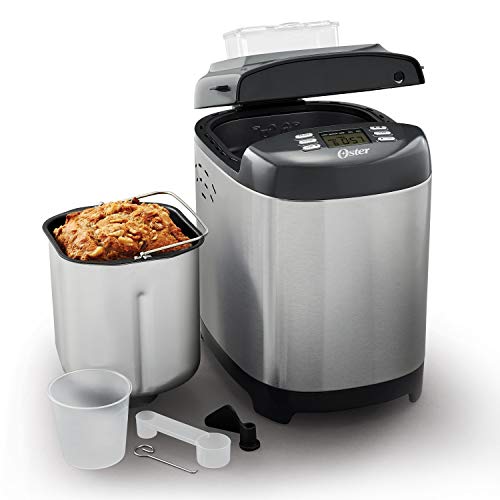
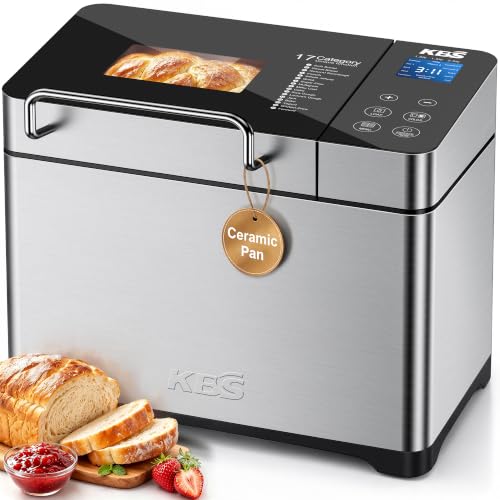

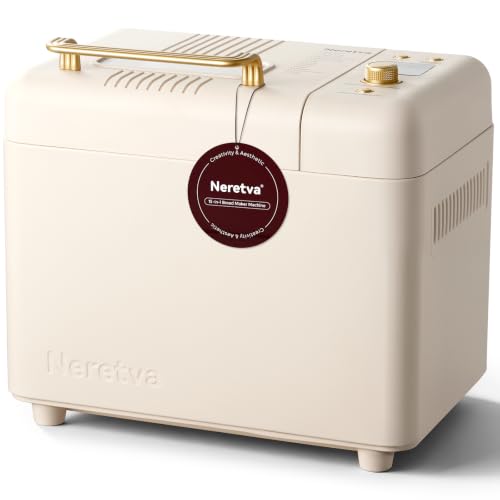
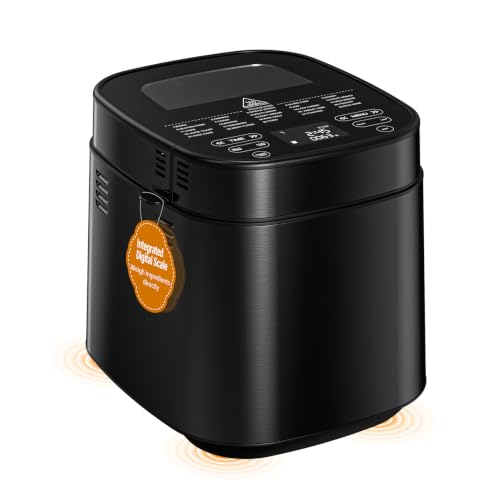
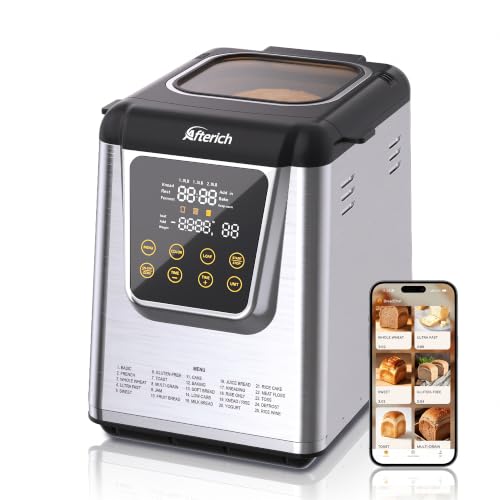
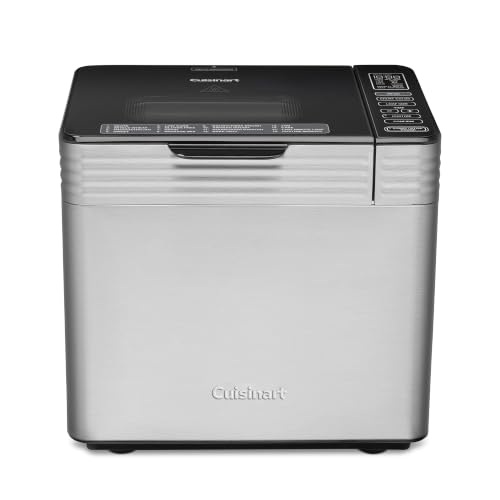
How the Best Bread Machines for Pizza Dough Work
On the dough cycle the machine mixes, kneads and warms the dough for its first rise, without baking it. You then lift the dough out, shape it and let it relax before topping. This saves arm work and gives consistent results from batch to batch.
Most machines finish a dough cycle in about 90 minutes to two hours, which is enough for a same day pizza night. Some offer a pizza specific cycle or a quick dough option, and a few let you set the knead and rise times yourself.
Key Features to Compare
Dough Cycle Quality
Look for a dedicated dough or pizza cycle with a long enough knead to build gluten. A strong motor matters because pizza dough is firmer than sandwich bread dough. Machines that struggle show it by walking across the counter or stalling.
Capacity
Capacity is listed in pounds of finished loaf, but dough capacity depends on the flour limit in the manual. A two pound machine usually handles enough flour for two medium pizzas. Check the maximum flour amount before doubling a recipe, because overloading hurts the knead.
Paddle and Pan Design
A pan with a good shape and one or two paddles mixes evenly into the corners. Dual paddle designs handle denser dough better. A nonstick coating helps release sticky dough, and a removable paddle keeps the dough intact when you lift it out.
Rise and Temperature Control
Pizza dough rises well in a warm, draft free spot, and many machines keep a steady warm chamber. Custom programs let you extend the first rise for more flavor. If you prefer a cold ferment, you can mix the dough in the machine and finish the rise in the refrigerator.
Delay Timer and Controls
A delay timer helps if you want dough ready after work. Clear buttons and a readable display make it easier to pick the right cycle. Avoid long delays with perishable ingredients such as milk and eggs.
Cleanup
Sticky dough clings to the pan and paddle, so a removable pan and paddle that wash easily save time. Hand washing protects nonstick coatings longer than a dishwasher. Wipe the chamber only after the machine has cooled and been unplugged.
Types of Machines Compared
Basic Dough Cycle Machines
These simple models include a dough setting and a handful of loaf programs. They suit beginners who mainly want pizza dough and the occasional sandwich loaf. Prices are lower, and the controls are easy to learn.
Larger Capacity Machines
Bigger pans handle family batches and parties, with room for dough that doubles during the rise. They take more counter space and cost more. Choose this type if you often make several pizzas at once.
Programmable Machines
Programmable models let you set your own knead, rise and rest times. They suit dough enthusiasts who try different flours and hydration levels. The extra control is only useful if you plan to use it.
Compact Machines
Smaller machines fit tight kitchens and handle one or two pizzas. They are simple to store and clean. Check that the pan can handle the flour amount of your usual recipe.
Who Should Buy One
Among the best bread machines for pizza dough, weeknight cooks who want dough ready after work benefit from a delay timer and a reliable dough cycle. Families that bake pizza on weekends should favor larger capacity. Dough enthusiasts will enjoy programmable control, and small kitchen cooks should look for a compact footprint.
If you make pizza only a few times a year, a stand mixer or hand kneading may be enough, but a bread machine earns its space if you also bake loaves and rolls.
Tips for Better Machine Pizza Dough
- Weigh the flour instead of scooping it, because a scooped cup can pack in far more flour than intended.
- Add liquids first, then flour, then yeast on top, following your manual.
- Use bread flour for a chewier crust and a stronger stretch.
- Let the dough rest for ten minutes after the cycle before stretching, so it relaxes.
- Keep the lid closed during the cycle to hold the heat steady.
If the dough feels too sticky near the end of kneading, add a tablespoon of flour at a time. If it looks stiff, add a spoonful of water. Small adjustments make a visible difference.
Choosing Between a Machine and a Mixer
A stand mixer kneads faster and handles larger batches, but it needs you nearby and takes more counter space. A bread machine kneads, warms and rises the dough in one pan, then waits until you return. If you want a hands off dough routine and also bake loaves, the machine is the better fit.
If you make big batches for parties, a mixer or a large capacity machine saves time. If you make pizza for two or three people, a mid size bread machine is plenty. Match the tool to the amount of dough you make most often.
Think about storage too. A machine stays on the counter or in a cabinet, while a stand mixer is heavier to lift. Many cooks keep a bread machine for dough and a skillet or stone for baking the pizza itself.
Care and Cleaning
Remove the pan and paddle after each use, soak them if dough has dried, and wash them gently. Wipe the chamber with a damp cloth once the machine is cool and unplugged. Never immerse the machine body in water.
Store the machine with the lid slightly open so moisture escapes, and keep the paddle with the pan so it never goes missing.
Related Guides
For a wider machine comparison, see our guide to the best bread machine. Ingredients matter too, so read about the best bread flour for bread machines and the best yeast for bread machines. If you prefer a mixer, compare the best mixers for bread dough or the best pizza dough mixers.
Frequently Asked Questions
Can a bread machine make good pizza dough?
Yes. A machine with a strong motor and a proper dough cycle kneads thoroughly and gives a steady rise. You then shape and bake the pizza yourself.
What size bread machine do I need for pizza?
Match capacity to the number of pizzas you make. A two pound machine usually handles two medium pizzas, while larger households may want more room. Check the maximum flour amount in the manual.
Should dough rise in the machine or outside?
Either works. The machine keeps a warm, steady chamber for the first rise, and some bakers finish a slower rise in the refrigerator for more flavor.
Does flour type matter for machine pizza dough?
Yes. Bread flour has more protein and gives a chewier crust, while all purpose flour gives a softer crust. Follow a recipe matched to your flour.
Can I freeze pizza dough from a bread machine?
Yes. Portion the dough after kneading or after the first rise, wrap it well and freeze it. Thaw it in the refrigerator before shaping, and follow standard food safety guidance.
Final Thoughts
Choose a machine with a dependable dough cycle, a strong motor and a capacity that fits your pizza nights. Compare finalists in the product table above, check the flour limit and the cleanup, and pick the best bread machines for pizza dough option that suits your kitchen. Good dough starts with a machine that kneads well and cleans up easily.


