Best Braun Toothbrush Made Simple: A Clear Buying Guide 2026
Disclosure: We may earn a commission when you buy through links on this page, at no extra cost to you. As an Amazon Associate I earn from qualifying purchases. Learn more

New to electric brushing? Learn how Braun toothbrush types, brush heads, battery life, and costs compare, plus the rookie mistakes to avoid before you buy.
Shopping for a best braun toothbrush for the first time can feel confusing, because the terms sound technical and the options look similar at a glance. This guide starts with the basics, explains each key spec in plain English, and points out the mistakes new buyers make most often. Use it alongside the comparison table below to narrow your choice to a type that fits your routine, your budget, and your comfort.
You do not need to know every feature before you buy. You need to know how you brush, where you brush, and what you are willing to maintain. Some people want a simple rechargeable brush for home use, while others need a travel friendly brush with a case and long battery life.


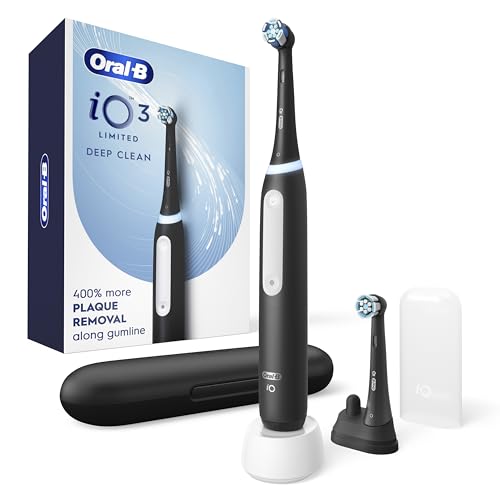
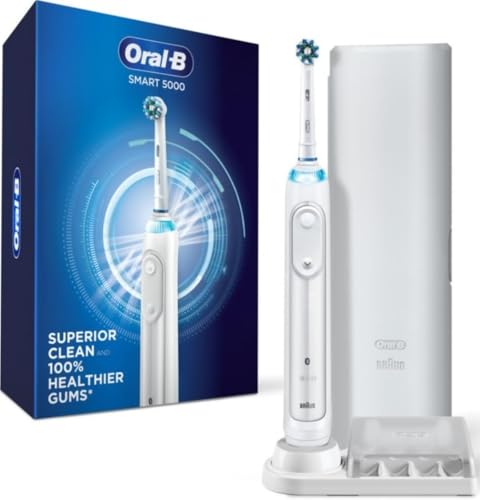
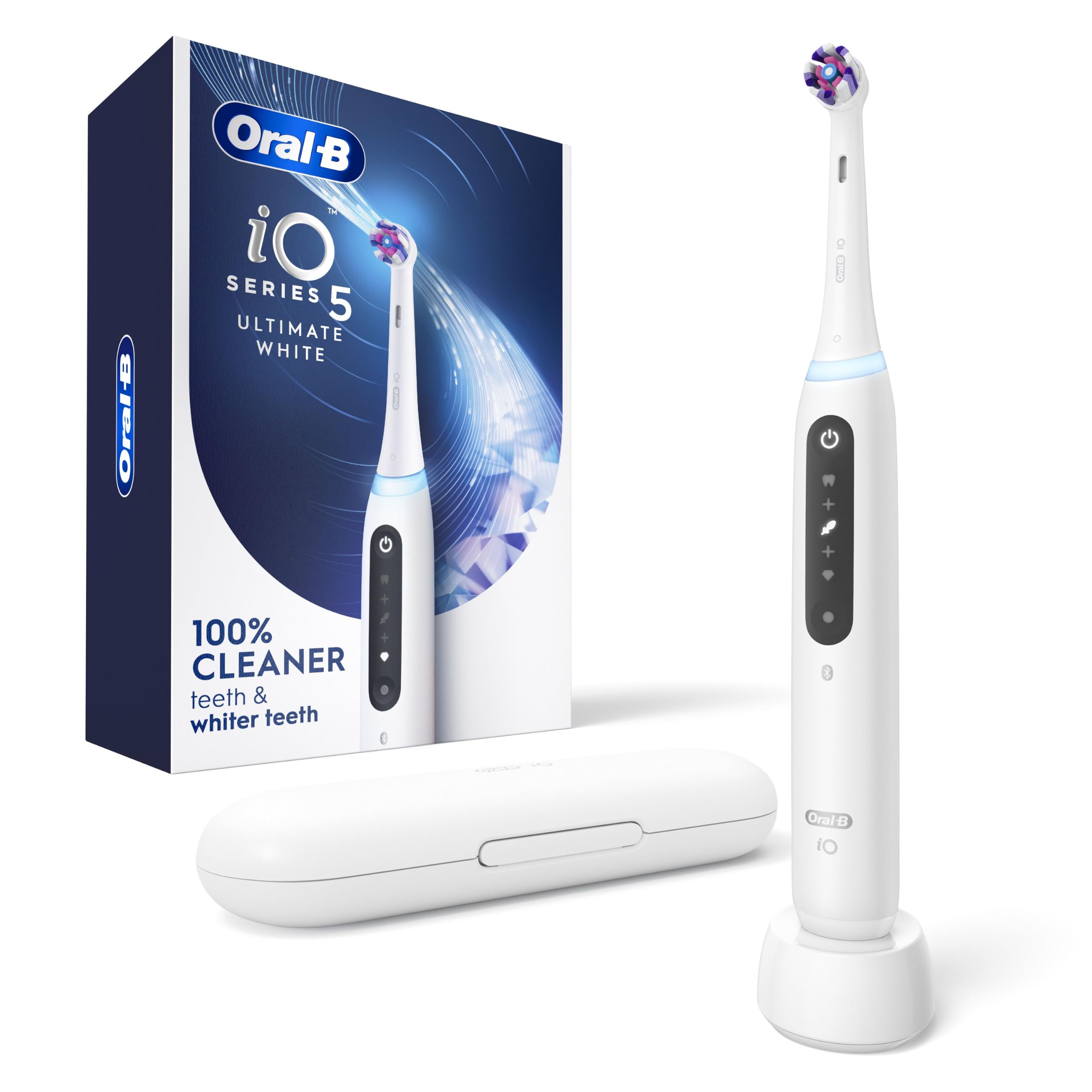


Braun Toothbrushes 101: The Basics
A Braun toothbrush is an electric toothbrush made to clean teeth with a powered brush head that moves on its own. Most rechargeable models use a small round head that oscillates, which means it rotates back and forth in short movements, or a head that also pulses, which adds a gentle in and out motion. The powered motion does much of the scrubbing work, while you guide the head slowly from tooth to tooth.
Manual brushes rely entirely on your hand motion, while electric brushes add powered motion, a built in timer, and often a pressure sensor. A timer helps you brush for the full recommended time, usually two minutes, by splitting the time into four sections of 30 seconds each. A pressure sensor warns you if you press too hard, which can help protect gums and enamel. Neither feature replaces good technique, but both can help a new user build a steadier routine.
Key Specs Explained in Plain English
Specs sound complex, but each one answers a simple question: how does it clean, how long does it last, and how easy is it to live with? Read each section below, note the points that matter for your routine, and ignore features that do not match how you actually brush.
Intended Use and Who It Is For
First time buyers usually want a brush that is easy to hold, easy to charge, and forgiving while they learn. If you brush at home most days, a standard rechargeable brush with a stable charging base is a good starting point. If you travel often, look for a compact brush with a case and a battery that lasts many days, so you do not need to pack a charger for short trips. See our guide to the best travel electric toothbrushes if travel is a regular part of your routine.
Adults, teens, and people with sensitive gums may need different head softness and pressure settings, so check the head options before you buy. A brush with a gentle mode can help if you are new to powered brushing or if your gums feel tender. If you share a handle with family members, each person should use a separate brush head, and the handle should be easy to clean between uses.
Warranty and Customer Support
A clear warranty tells you what the maker will do if the battery fails, the motor stops, or the charger stops working under normal use. Look for a stated warranty period and a simple way to contact support, rather than vague claims about durability. Keep your receipt and packaging until you have used the brush for a few weeks, since early faults are easiest to report in that window. Also check that replacement heads are easy to find and fairly priced, since you will need them regularly.
Safety and Certifications
Follow maker guidance on charging, water use, and head replacement, and keep the charger dry except where the maker states it is safe for bathroom use. Keep small parts, such as brush head caps, away from children, and store the brush where it will not fall into water.
If the brush, charger, or cord looks damaged, stop using it and contact support. Electric toothbrushes are general oral care tools, not medical treatments, and they do not treat gum disease or tooth decay on their own. See a dentist for persistent pain, bleeding that does not settle, swelling, or loose teeth.
Maintenance and Long Term Costs
The main ongoing costs are replacement brush heads and, over time, battery decline. Heads usually need replacing every three months, or sooner if the bristles splay or feel rough. A pack of heads can cost about $20 to $40, depending on type and pack size, so check the price before you commit to a brush type.
Rinse the head and handle after use, dry the handle, and store the brush upright so water does not pool around the base. For a low cost starting point, see our guide to the best affordable electric toothbrushes and compare head costs across the options listed there.
Build Quality and Materials
Build quality shows up in the grip, the head connection, and the charging base. A handle that feels secure in a wet hand is easier to control, especially for new users who are still learning the right pressure. A firm head connection should click into place without wobble, since a loose head can vibrate unevenly and feel unpleasant.
Smooth handles wipe clean easily, while a soft bristle head suits most new users. If you prefer a non powered option, see our guide to the best non electric toothbrushes for a comparison of manual brush types.
Rookie Mistakes to Avoid
New buyers often make the same few mistakes. Avoiding them can save money and make the first weeks with an electric brush much smoother.
- Pressing too hard, as if it were a manual brush, which can irritate gums and wear bristles fast.
- Moving the brush quickly across all teeth, instead of guiding it slowly from tooth to tooth.
- Keeping the same brush head for far too long, long after the bristles have splayed.
- Buying the most expensive brush first, before knowing which modes you actually use.
- Ignoring head costs, which can make a cheap handle expensive over a year.
Another common mistake is charging the brush in a damp spot with poor airflow, which can leave residue on the contacts. Wipe the base and handle dry, and let them air dry when possible. Do not expect an electric brush to fix technique on its own. A steady routine, the right pressure, and regular dental visits matter more than any single feature.
Getting Started: Setup and First Use
Read the manual before first use, even if the brush looks simple. Charge the brush fully before the first use if the maker advises it, then fit the brush head firmly until it clicks. Wet the head, apply a pea sized amount of toothpaste, and place the head against one tooth before switching the brush on. That order helps avoid toothpaste spray and keeps the brush in control from the start.
Brush for two minutes, spending about 30 seconds on each quarter of your mouth. Guide the head slowly along the gum line and across each tooth surface, and let the powered motion do the work. Rinse the head and handle after use, shake off excess water, and store the brush upright. Clean and inspect the brush regularly, and replace the head when bristles look worn or after about three months of use.
Frequently Asked Questions
How much should I spend on a Braun toothbrush?
Most first time buyers can start well for about $30 to $100, depending on battery life, modes, and included heads. Lower cost brushes cover the basics, such as a timer and a rechargeable battery, while mid cost brushes often add a pressure sensor and more head choices. Spend more only if you need travel features, longer battery life, or a specific head type, and always check replacement head prices before you decide.
How do I maintain a Braun toothbrush?
Rinse the brush head and handle after each use, shake off excess water, and store the brush upright to dry. Wipe the handle and charging base regularly to remove toothpaste residue, and keep the charging contacts clean and dry. Replace the brush head every three months, or sooner if bristles splay, and check the charger cord for damage. Following maker cleaning guidance helps the brush last longer and feel better to use each day.
How long does a Braun toothbrush last?
A rechargeable brush handle can last several years with regular cleaning and normal use, while brush heads need replacing every few months. Battery capacity fades slowly over time, so charging may become more frequent after a couple of years. How long the handle lasts depends on charging habits, water exposure, and drops. If the motor weakens, the battery fails early, or the charger stops working, contact support rather than continuing with a faulty brush.
What features matter most when buying Braun toothbrushes?
Brush head type, pressure sensor, timer, battery life, and head cost matter most for new buyers. A comfortable head and a clear timer help you build a steady routine, while a pressure sensor helps you avoid pressing too hard. Battery life matters most for travel, and head cost matters most for long term value. Extra modes and connected apps are nice extras, but they rarely matter as much as comfort, control, and affordable replacement heads.
Are expensive Braun toothbrushes worth it?
Expensive brushes can be worth it if they add a feature you will actually use, such as a better pressure sensor, longer battery life, or a travel case. They are less worth it if the extra cost buys only extra modes you never select or a premium finish. Start with a simple brush, learn which features you use daily, and upgrade later only for a clear reason. For many first time buyers, a mid cost brush gives the best balance of help and value.
Our Verdict
Choose a brush that fits your routine, not the longest feature list. A comfortable handle, a suitable head, a clear timer, and affordable replacement heads will serve most new users well. Check battery life if you travel, check pressure guidance if your gums feel tender, and keep up regular dental visits for any concern that persists. With those points covered, a best braun toothbrush can make daily brushing simpler and steadier, and the product table above can help you compare the starting options side by side.