Best Boots No 7 Products: Everything to Know Before Your First Purchase for 2026
Disclosure: We may earn a commission when you buy through links on this page, at no extra cost to you. As an Amazon Associate I earn from qualifying purchases. Learn more

Shopping for the best boots no 7 products for the first time? Learn the terms, compare options, and avoid rookie mistakes with this easy buying guide.
Walking up to a full brand display for the first time is a lot. Serums sit beside foundations, day creams beside mascaras, and every label seems to promise something different. This guide slows the process down, so you can choose the best boots no 7 products for your skin, your routine, and your budget without guessing.
We start with the basics, explain the key terms in plain English, and finish with the mistakes that waste the most money. Use the comparison table below as you read to see how the main categories differ.




Boots No 7 Products 101: The Basics
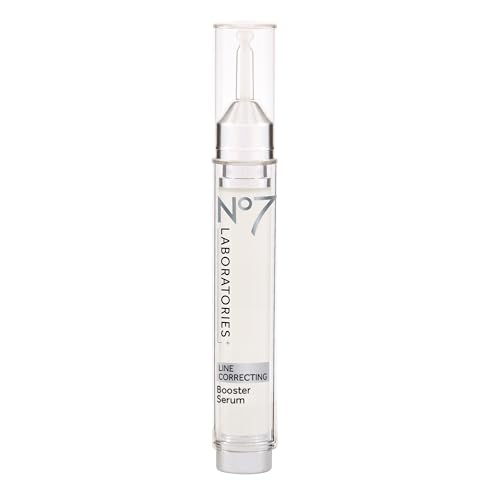
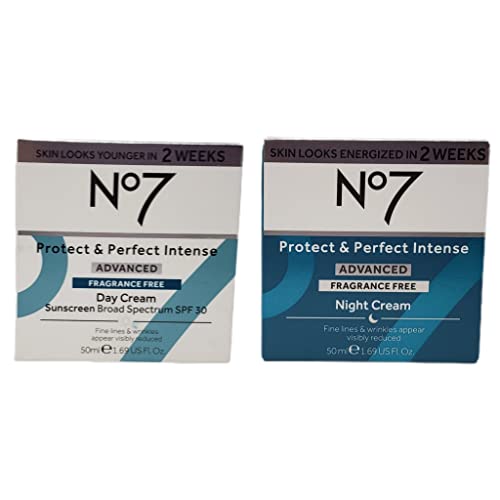
No 7 is a long running British beauty brand sold through Boots stores and online. Its range covers three main areas: skin care, such as cleansers, serums, and moisturisers; makeup, such as foundation, mascara, and lip color; and supporting items such as primers and setting products. Most first time buyers only need one or two of these areas to start.
The products are organised by concern as much as by type. Lines aimed at early fine lines differ from lines aimed at firmness or radiance, even when both contain a day cream. That is why reading the concern on the label matters more than the product name. Start from your main concern, pick one product for it, and give it time to work before adding more.
Key Specs Explained in Plain English
Beauty labels use terms that sound technical but carry simple meanings. Once you can translate them, comparing products becomes quick. The six points below cover nearly every decision a first purchase involves.
Product Type and Where It Fits in Your Routine
Order matters in skin care. A cleanser removes the day, a serum delivers concentrated ingredients, and a moisturiser seals everything in. In makeup, a primer goes under foundation, and a setting product goes on last. Buying a serum when what you lack is a gentle cleanser is a common first mistake.
Map your current routine before you shop. Write down what you already use each morning and evening, then buy only for the gaps. One new product at a time also makes it easy to tell what is helping your skin.
Skin Type and Main Concern
Skin type describes how your skin behaves: oily skin shines by midday, dry skin feels tight after washing, combination skin does both in different zones, and sensitive skin reacts easily. Your main concern is what you want to change, such as dullness, fine lines, uneven tone, or breakouts.
Choose products that name both your type and your concern. A rich cream made for dry skin can overwhelm oily skin and trigger breakouts. If you are unsure of your type, wash your face, wait an hour, and note where shine or tightness appears.
Ingredients That Do the Work
A few ingredient names are worth learning. Hyaluronic acid draws water into the skin and suits most people. Retinoids support smoother looking skin over time but can irritate at first, so they need a slow start and nightly use only as directed. Vitamin C is a morning favourite for brightness, and niacinamide helps with uneven tone and oil balance.
You do not need all of them at once. Pick one active ingredient that matches your concern, use it as directed for several weeks, and keep the rest of your routine gentle. If you have a diagnosed skin condition, ask a dermatologist which actives suit you before you buy.
Texture, Finish, and How It Feels
Texture decides whether you will actually use a product daily. Gels feel light and suit oily skin, creams feel richer and suit dry skin, and oils work best as a final step in small amounts. In makeup, finish describes the look: matte controls shine, dewy adds glow, and natural sits between the two.
Test texture on the back of your hand and, for foundation, on your jawline. A product that pills into small rolls under makeup or feels sticky after ten minutes will annoy you every day, however good its ingredient list looks.
Size, Price, and Value for Money
Compare price per amount, not just the shelf price. A larger tube of cleanser used twice daily may work out cheaper per month than a small premium bottle. Serums are used in drops, so a small bottle can last two to three months, while a day cream used generously may last about half that time.
For a first purchase, the standard size is usually the sensible choice. Travel sizes are handy for testing a texture, but their price per ounce is often the highest in the range. If you are building a makeup kit as well, our guide to the best boots no 7 makeup products walks through shade and formula choices in detail.
Patch Testing and Sensitive Skin
A patch test is simple insurance. Apply a small amount of a new product to a discreet area, such as behind the ear or along the jawline, once a day for three days. Mild tingling that fades in a minute can be normal with strong actives, but burning, swelling, hives, or a spreading rash are not.
Stop at once if those warning signs appear, and seek medical advice if a reaction is severe or affects your eyes or breathing. People with eczema, rosacea, or known allergies should be extra careful with fragrance and retinoids, and should talk with their clinician about personal needs before starting new actives.
Rookie Mistakes to Avoid
- Buying a full routine at once. If your skin reacts, you will not know which product caused it, and you will have spent the most money possible learning that lesson.
- Chasing the strongest active. Higher percentages are not automatically better, and they raise the risk of irritation for new users.
- Skipping shade checks in makeup. Testing foundation on your hand instead of your jawline leads to the most common returns.
- Ignoring the open jar symbol. Products used long past their stated life after opening can irritate skin and simply stop working well.
- Expecting overnight change. Skin care works over weeks. Judging a cream after two days leads to needless switching and wasted jars.
Getting Started: Setup and First Use
When your first products arrive, resist using everything on day one. Begin with the basics in order: cleanser, then moisturiser, then sun protection in the morning. Add a serum or active after about a week, once your skin feels settled with the basics.
Apply products from the thinnest texture to the thickest, and give each layer a minute to settle. Keep a short note of what you used each evening for the first month. That simple log tells you more than memory ever will if your skin improves or reacts. Readers comparing the wider Boots range can also browse our guide to the best boots 7 products for neighbouring categories.
Boots No 7 Products: Your Questions Answered
How often should I replace my boots no 7 products?
Follow the open jar symbol on each pack, which states the months of use after opening. Mascara is the strictest case at about three months, because it is used near the eyes. Creams and serums often last six to twelve months once opened. Smell, texture, or color changes mean discard the product sooner, whatever the symbol says.
How long is the break in period for boots no 7 products?
Most gentle products need no break in period at all. Strong actives such as retinoids are the exception: skin often takes two to four weeks to adjust, with some dryness or flaking early on. Start with two or three nights a week and build up slowly. Persistent burning or a rash is not adjustment, so stop and seek advice.
Are expensive boots no 7 products worth it?
They are worth it when the extra cost buys a texture you enjoy daily or an active at a strength your skin tolerates well. For basics such as cleanser, which stays on your skin for under a minute, mid priced options usually perform just as well. Spend where the product stays on your skin longest, such as serums and night creams.
Can I use boots no 7 products every day?
Yes, most are designed for daily use, and consistency is what produces results. The exceptions are strong actives and exfoliating products, which often suit a few uses per week rather than daily use. Always follow the directions on the specific pack. If daily use leaves your skin tight, red, or sore, cut back and simplify your routine.
How should boots no 7 products fit my routine?
They should fill a clear gap rather than duplicate a step you already cover. A sensible starter routine has a cleanser, one treatment product for your main concern, a moisturiser, and morning sun protection. Add makeup steps only where you want them. If a new product has no obvious slot in that order, you probably do not need it yet.
Final Thoughts
Start with your skin type and one main concern, learn the few terms that matter, and add products one at a time. That calm approach beats any large first haul. The best boots no 7 products for you are the ones that fit your routine so well that using them becomes automatic. Check the product table above to compare your shortlist, and talk with a dermatologist if your skin reacts or you have ongoing concerns about your personal needs.