Best Affordable Electric Toothbrushes for 2026: Clean Teeth on a Budget
Disclosure: We may earn a commission when you buy through links on this page, at no extra cost to you. As an Amazon Associate I earn from qualifying purchases. Learn more

Head size, a good timer, and low head costs decide the best affordable electric toothbrushes.
An electric toothbrush can make daily brushing easier, especially if you tend to rush or press too hard with a manual brush. The good news for buyers of best affordable electric toothbrushes is that the core benefit, a small head moving steadily for two minutes, does not require a premium price. The comparison table below shows the main types before we look at what actually matters.
Many budget brushes now include a two minute timer, a rechargeable battery, and replaceable heads, which were once premium features. Extra modes, app tracking, and travel cases can be nice, but they do not replace the basics: a comfortable handle, a head that reaches your back teeth, and a routine you will follow twice a day. If you have gum sensitivity, pain, bleeding that does not settle, or a dental condition, talk with your dentist before changing your brushing routine.


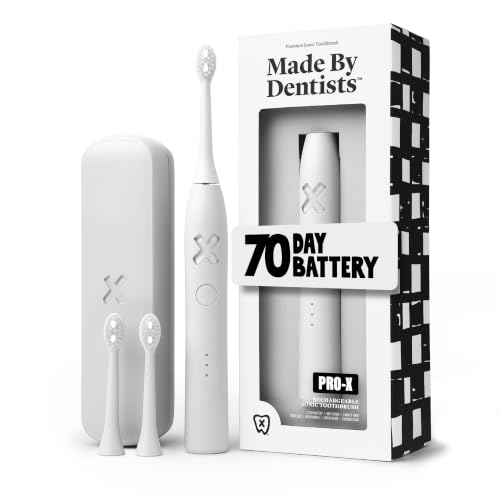


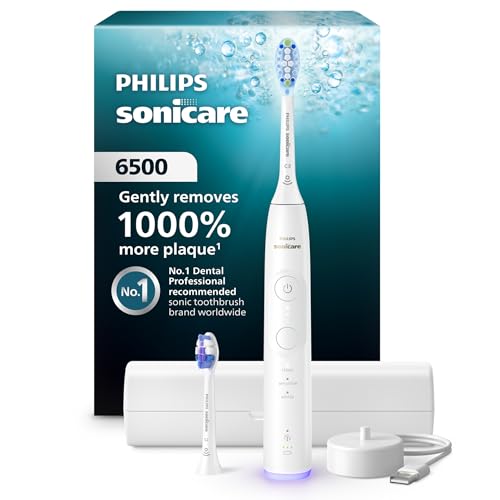

Who Should Buy This Type
First time electric brush users need a simple brush with one or two modes and a clear timer, rather than a complex menu. People with sensitive gums should look for a soft head and a pressure sensor that warns when they press too hard. Travelers need a long battery life and a compact case, while families may prefer a brush with widely available replacement heads so running costs stay low.
Types Compared
Oscillating brushes
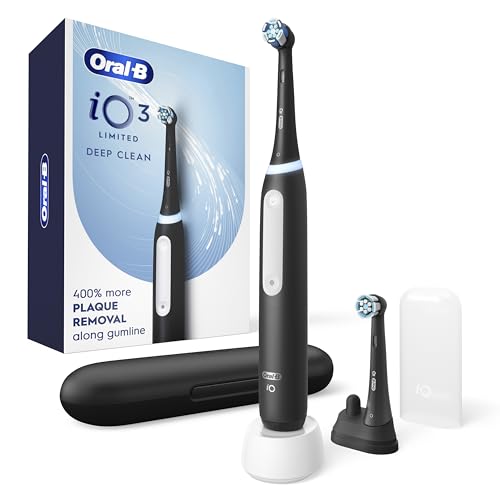
These brushes use a small round head that rotates back and forth to clean one tooth at a time. They suit people who like a guided feeling and want to focus on each tooth, though the small head means brushing takes a little patience.
Sonic brushes
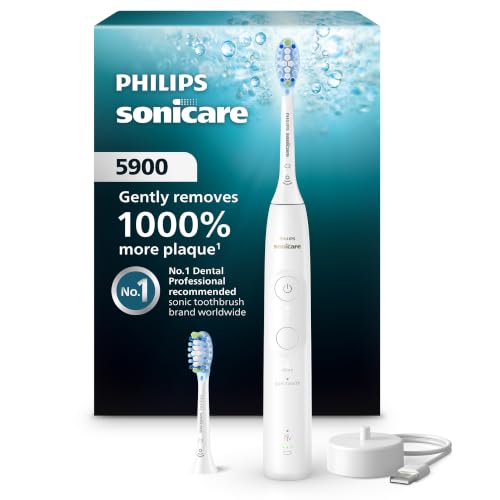
Sonic brushes vibrate at high speed and use a larger head shaped more like a manual brush. They suit people switching from a manual brush, since the motion feels familiar and covers more surface in each stroke.
Battery powered brushes
Battery powered brushes cost less upfront and need no charging dock, which suits travel or a spare bathroom. Running costs add up though, and the motion is usually less steady than a rechargeable brush, so they are best as a backup rather than a main brush.
Key Features to Compare
Brush head size and softness
A smaller head reaches back teeth more easily, while soft bristles are kinder to gums. Check head availability and price before you buy the handle, since a cheap brush with costly heads can become expensive over a year.
Timer and pacer
A two minute timer with a short pause every 30 seconds helps you spend equal time on each part of your mouth. This simple feature does more for brushing quality than most extra modes, especially for people who tend to rush.
Pressure sensor
A pressure sensor lights up or changes sound when you press too hard, which helps protect gums and enamel. If you often see bristles splaying outward, this feature is worth prioritizing over a fancy display.
Battery life
A battery that lasts two weeks or more means less charging hassle and easier travel. Check charging time too, since a brush that needs a full day to charge can be annoying if you forget to plug it in.
Budget Tiers Explained
Around $20 to $40, expect a basic rechargeable brush with a timer and one head, which covers the essentials well. From around $40 to $80, you can find a pressure sensor, more head choices, and longer battery life. Above that range, you are often paying for extra modes, a travel case, or app features rather than a basic change in cleaning, so start in the middle range if you are unsure.
Use the product table above to compare the options at each tier, since price alone does not show which features you actually get for the money.
Common Mistakes to Avoid
Do not press hard thinking more pressure means cleaner teeth, since it can harm gums and wear enamel. Do not share brush heads, even within a family, since heads are personal items. Do not keep a head for many months, since worn bristles clean less well. Do not skip the timer, because brushing for less than two minutes is one of the most common reasons results disappoint.
Setup and Everyday Care
Rinse the head after each use, let it air dry upright, and replace it about every three months or sooner if bristles splay. Wipe the handle dry and keep the charging base away from standing water. Store spare heads in a clean, dry place, and check the charging contacts occasionally for buildup that can slow charging.
Related Guides
Travelers can compare compact options in best travel electric toothbrushes, while best non electric toothbrushes suits anyone who prefers a manual brush. For age specific needs, see best electric toothbrushes for adults and best electric toothbrushes for teens, and best electric toothbrushes for gums focuses on gum comfort.
Frequently Asked Questions
How often should I replace an electric brush head?
Replace the head about every three months, or sooner if bristles bend outward or look worn. A worn head cleans less effectively and can feel rough on gums, even if the brush motor still works well. Keep a spare head at home so you are not tempted to stretch a worn head for extra weeks.
Are affordable electric brushes safe for sensitive gums?
Many affordable brushes offer soft heads and a gentle mode, which suit sensitive gums when used with light pressure. Let the brush do the work and guide it slowly along the gum line rather than scrubbing. If gums bleed often, hurt, or swell, or if you have a dental condition, talk with your dentist about the right head and technique.
Do I still need to floss with an electric brush?
Yes, because a brush cleans tooth surfaces but does not fully clean between teeth where plaque builds up. Use floss or an interdental cleaner once a day as part of your routine, and ask your dentist to show you the technique if it feels awkward. A brush and floss together give a more complete clean than either one alone.
How long should an affordable electric brush last?
A well cared for brush often lasts several years, though the battery will gradually hold less charge. Keep the handle dry, avoid dropping it on hard floors, and charge it as the maker advises rather than leaving it on the charger constantly if guidance says otherwise. Replace the brush if the motor weakens, the battery fails, or the handle cracks.
What running costs should I expect?
The main running cost is replacement heads, so check head price and availability before you buy. A brush that uses a common head type will usually cost less over time than one with rare heads. Factor in one head every three months when you compare total cost, and watch for multipacks that lower the price per head.
Final Thoughts: Best Affordable Electric Toothbrushes
Choosing well comes down to head size, a reliable timer, a gentle pressure sensor, and low replacement head costs, rather than the longest feature list. Review the product table above, note the features that matter most for your own brushing, and let those priorities guide your final choice. The right brush is the one you will use comfortably twice a day.
For most buyers, best affordable electric toothbrushes is a decision worth taking slowly: measure, compare, and check care needs before you buy. If you have a health, safety, or medical concern linked to this product, talk with your clinician or a qualified professional before you rely on any general guidance here.