Best Braun Food Processor: Compact vs Mid Size for Your Kitchen (2026)
Disclosure: We may earn a commission when you buy through links on this page, at no extra cost to you. As an Amazon Associate I earn from qualifying purchases. Learn more

Best Braun food processor guide to bowl sizes, motor power, discs and safety features for small and family kitchens.
Sunday sauce is on the stove, the counter is already crowded, and a pile of onions, carrots, and cheese still needs prep. That moment is where the right machine earns its place. Choosing the best braun food processor for your home comes down to three things, how many people you cook for, how much storage you can give up, and what you prep most often. This guide walks through those choices in plain order, so you can match a model to your kitchen instead of buying attachments you will rarely touch.
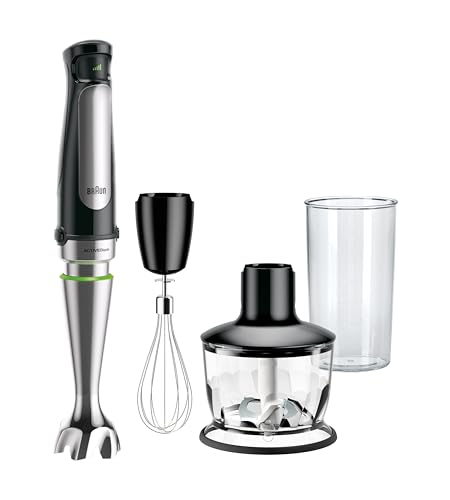
Braun sells a compact lineup rather than dozens of near identical machines, which makes comparison easier once you know what each size class does well. Use the product table to line up capacity, bowl style, and included tools. If you are also weighing other brands, our guide to the best food processor options puts this lineup in wider context.


Quick Answer: Three Braun Lineup Types at a Glance
Think in types rather than in model names. Picking the type first prevents most buying regrets.
- Compact models: Best for one or two people, small batches of dip, pesto, or chopped nuts, and kitchens where the machine must live in a cabinet.
- Mid size models: Best for most families, with room for slaw, dough for one loaf, and a full batch of soup vegetables in fewer loads.
- Large models: Best for batch cooking, big gatherings, and preserving garden produce, where fewer loads saves real time across a long prep session.
The right type is the one whose bowl you fill properly most days, since a bowl that is too full or nearly empty gives uneven results.
Before You Buy: A Quick Checklist for Choosing a Food Processor
Work through this checklist before you look at prices. Your answers will narrow the lineup to one size class and a short list of tools worth paying for.
Size: Match It to Your Space
Capacity is listed in cups, but what matters is the food you prep in a normal week. Mini bowls around 3 to 4 cups suit dips and a single onion or two. Bowls around 7 to 9 cups handle family meals without constant emptying. Bowls of 11 to 13 cups earn their footprint only if you regularly shred large heads of cabbage or mix double batches. Liquids fill a bowl less than the stated size, so soup and sauce makers should size up one step.
Which Type Fits Your Routine
Compact models are light, quick to wash, and easy to store, which suits cooks who prep small amounts most days. Full size countertop models stay out ready for use and handle varied jobs, from slicing to kneading. Manual and cordless styles exist in the wider market, but for Braun shoppers the real choice is bowl size and motor strength. Professional machines add duty cycles home cooks seldom need, plus weight that makes a unit a chore to move.
Features Worth It and Ones to Skip
Pay for the tools that match your recipes. A slicing disc and a shredding disc cover most vegetable prep, while a dough blade matters only if you bake often. A dicing kit helps if you make large amounts of salsa each week, and a spiralizer is worth it only for households that truly eat vegetable noodles often. A simple grater disc is more useful to most homes than a tall stack of specialty discs. Attachments you never use are money and cabinet space spent for nothing.
Wattage, Power and Energy Use
Wattage tells you how hard a motor can push through dense loads like dough and hard cheese. Compact models use less power and handle soft jobs well, but they can stall on thick mixtures. Larger Braun models draw more power and hold speed under load, which gives more even slices. Choose power for the densest food you prep, not the average one.
Safety Features and Certifications
A good processor will not start until the bowl and lid are locked in place, and that interlock is the feature to confirm before you buy. Look for a listing mark such as UL or ETL on the product page, which shows the model was evaluated against a recognized safety standard. A wide base and rubber feet keep the unit steady when a load is uneven. Keep fingers out of the feed tube while the motor runs, and use the pusher provided.
Counter Space and Dimensions
Measure before you order, not after. Note the height under your upper cabinets, since a tall unit with its lid and pusher fitted may not slide back against the wall. Depth matters too, because a deep base can crowd the front edge of the counter. If the machine will live in a cabinet, weigh it against your willingness to lift it out three times a week.
Realistic Budget Ranges
Listings in the product table run from about $50 for a 4 cup mini processor to about $116 for an 8 cup model. Compact models sit at the low end and suit dips and small chopping jobs, while larger bowls, stronger motors, and broader tool sets cost more. Set your range after you pick a size class, since paying more within the right class buys durability.
Braun Types Compared: Choosing by Home and Routine
With your checklist answers in hand, compare the three types below. Household fit matters more than feature lists, a theme our look at the best small food processor range covers from the small kitchen side.
Compact Models for Singles and Couples
Compact processors suit one or two person homes where prep is frequent but small. They chop herbs and nuts evenly, puree a single batch of hummus, and wash up in minutes. Storage is their quiet strength, since the bowl, blade, and lid nest in one cabinet corner. Their limit is volume, so a holiday meal means several small loads. Readers focused only on tiny batches may also want our guide to the best mini food processor models.
Mid Size Models for Most Families
Mid size models are the natural home base for families of three to five. The bowl takes a full head of cabbage for slaw, a batch of pizza dough, or vegetables for a pot of soup without constant stops. Motors in this class handle cheese and firm vegetables at a steady pace, and the included discs cover slicing and shredding for weekly meal prep. For most Braun shoppers, this type is where price, capacity, and daily ease meet.
Large Models for Batch Cooking and Entertaining
Large models suit cooks who prep for a crowd, freeze meals in bulk, or put up garden produce in season. A big bowl cuts the number of loads for salsa and pie dough, and a stronger motor keeps slices even when the bowl is full. The trade off is footprint, weight, and more parts to wash. If that volume sounds rare in your home, step down a size. Cooks chasing that heavy duty pace can compare this class with the best professional food processor category.
The Braun Food Processor Lineup Explained
Braun organizes its range around a simple idea, one motor family paired with bowls and tools for different volumes of prep. Smaller models focus on chopping and pureeing in tight spaces, while larger ones add discs for slicing and shredding at family scale. That is why shopping for the best braun food processor is mostly a sizing exercise, with attachment choice second. List the meals you cook each week, note the largest batch among them, and buy the smallest bowl that handles it in one or two loads.
A chopper handles coarse, dry jobs for less money, and a blender beats any processor for smooth soups and drinks. A processor earns its counter space in the middle ground, dough, shredding, slicing, and thick purees.
Common Mistakes to Avoid
- Buying the largest bowl for a small household, which leads to uneven chopping because small loads bounce around instead of circulating.
- Ignoring cabinet height and depth, which leaves a new machine stranded on the counter or returned at your cost.
- Paying for a large attachment set you will not use, which raises the price and adds parts to store and wash.
- Forgetting replacement part costs, which can turn a low purchase price into a poor deal when a bowl or blade cracks.
Cost of Ownership and Care
Ownership cost is mostly parts, not electricity. Blades dull over years of use, bowls can crack if dropped, and lids and pushers are the pieces most often lost or damaged. Check that spare bowls and blades for your model are easy to order before you buy, and note the warranty length. Storing discs in their case keeps edges sharp and fingers safe.
Daily care is simple. Rinse the bowl and blade soon after use so food does not dry onto the plastic, wash in warm soapy water, and dry the blade fully before storage. Our step by step guide on how to clean a food processor covers safe handling of sharp blades and the small gaps around the lid where food tends to hide.
FAQ
Is Braun a good food processor brand for home use?
Yes, for shoppers who value a focused lineup and simple controls, Braun is a sensible home brand. Its strength is straightforward machines that cover core prep without a maze of programs to learn. Support matters as much as the machine itself, so check that the seller lists a clear warranty and that spare parts for your model are stocked. For everyday chopping, slicing, and dough, Braun holds its own.
Which Braun food processor should I buy for a family of four?
Start with a mid size model, since a family of four regularly preps amounts that overwhelm a compact bowl but rarely fill a large one. Think about your biggest weekly job, such as shredding cheese for two pizzas or slicing potatoes for a gratin. If that job fits in two loads or fewer, the mid size choice is right.
How long does a Braun food processor last with regular use?
A home processor used a few times a week often serves for many years, and the motor usually outlasts the plastic parts around it. Bowls, lids, and blades take the daily wear, so their condition is the better guide to remaining life. Replacing a dull blade restores performance for far less than a new machine costs. If the motor smells hot on light loads, stop using the unit and contact the maker.
Is a Braun food processor worth it if you already own a blender?
It can be, because the two tools excel at different textures. A blender needs liquid to pull food into its blades, so it struggles with dough, dry chopping, and shredding. A processor handles those dry and thick jobs with its wide bowl and flat blade path. If your cooking is mostly smoothies and soups, save your money. If you make pastry, slaw, or grated cheese at home, the processor adds ability your blender cannot match.
What size Braun food processor works best in a small apartment kitchen?
A compact model is usually the smart apartment choice, and not only because of bowl size. Some owners store the bowl and motor base separately to use two shallow spaces instead of one tall one. Renters who move often also benefit from lighter weight, since a compact unit packs safely in a single box with towels around the blade.
Final Thoughts
Braun keeps its lineup refreshingly simple, so your decision really is about fit. Match the bowl to your household, pay only for the tools your recipes call for, and confirm the machine fits the space you measured. On that basis, the best braun food processor for most homes is the mid size type, with compact models serving small kitchens and large models serving batch cooks. Check the product table above for current capacities and included tools.