Best Brands for Bathroom Vanities: Who Makes the Most Reliable Models for 2026?
Disclosure: We may earn a commission when you buy through links on this page, at no extra cost to you. As an Amazon Associate I earn from qualifying purchases. Learn more

Compare the best brands for bathroom vanities side by side: who leads on quality, who offers the best value, and which brand fits your needs and budget.
With so many vanity brands promising solid wood, soft close drawers, and stone tops, it is hard to know who to trust for a bathroom you use every morning. This guide compares brands by clear criteria, including build quality, warranty, support, and value, so you can judge the best brands for bathroom vanities for your space and budget. Start with the comparison table below, then work through the checklist.
A vanity is furniture, plumbing housing, and storage in one purchase. A weak cabinet, a warped door, or a top that stains easily will annoy you daily, so brand habits matter as much as style photos.
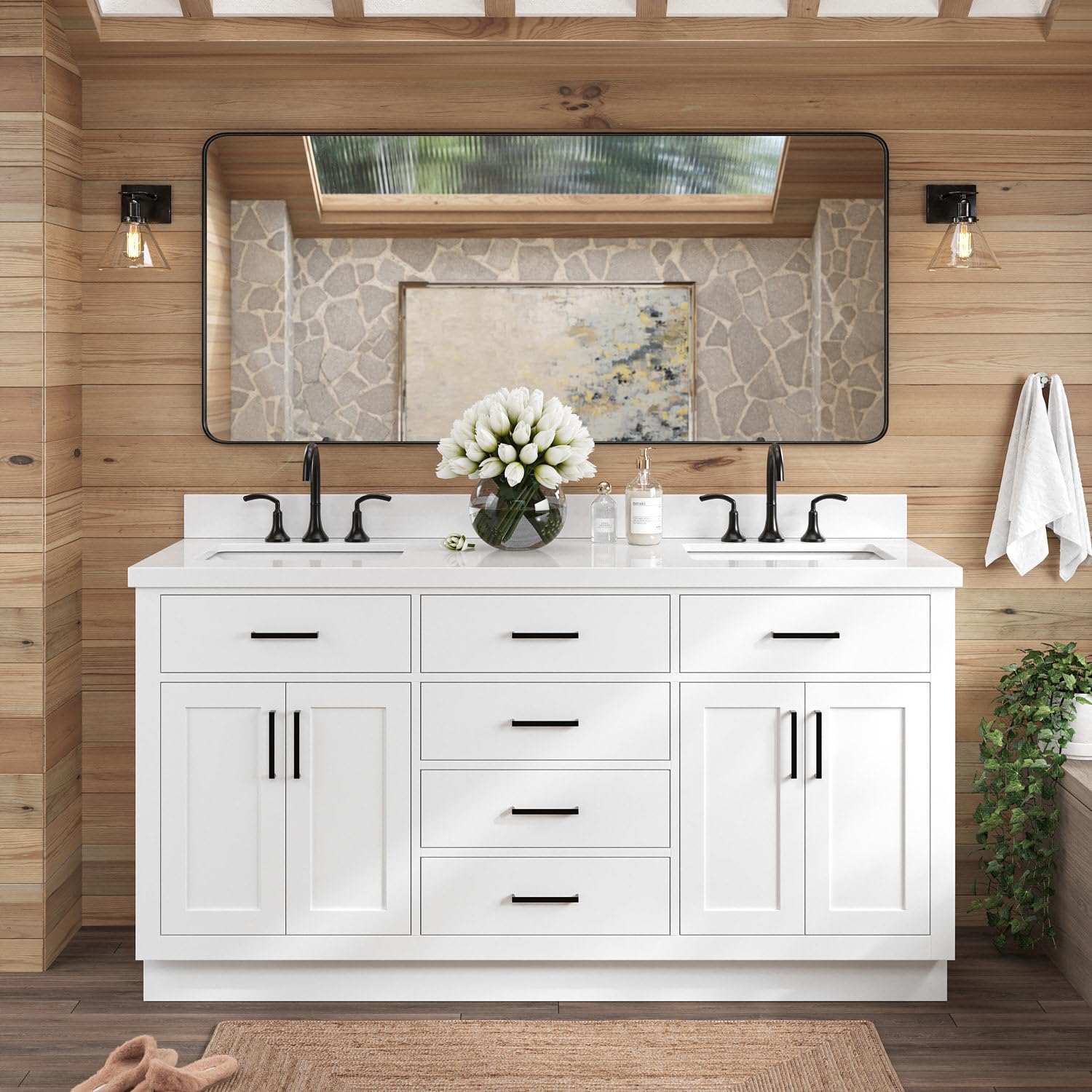
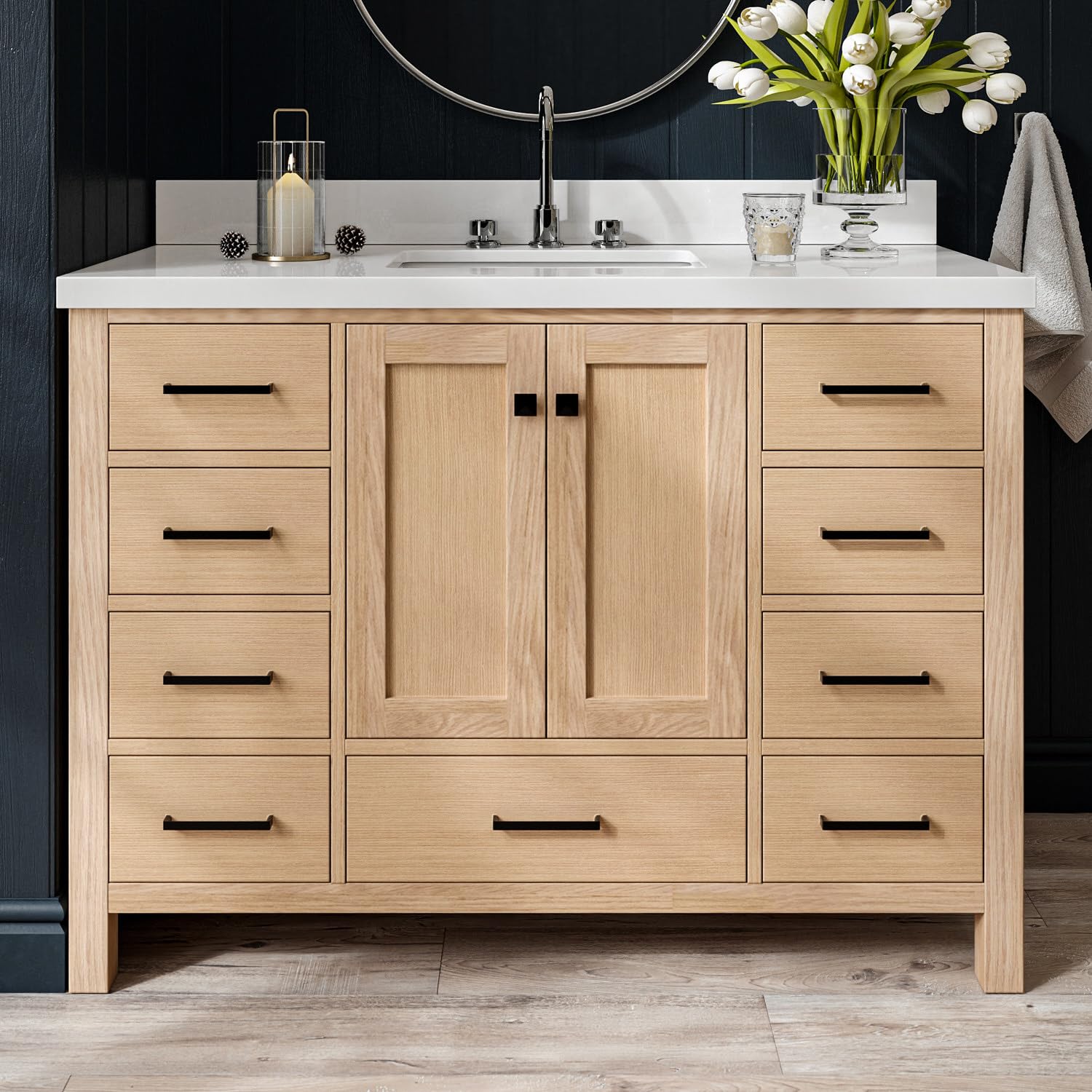
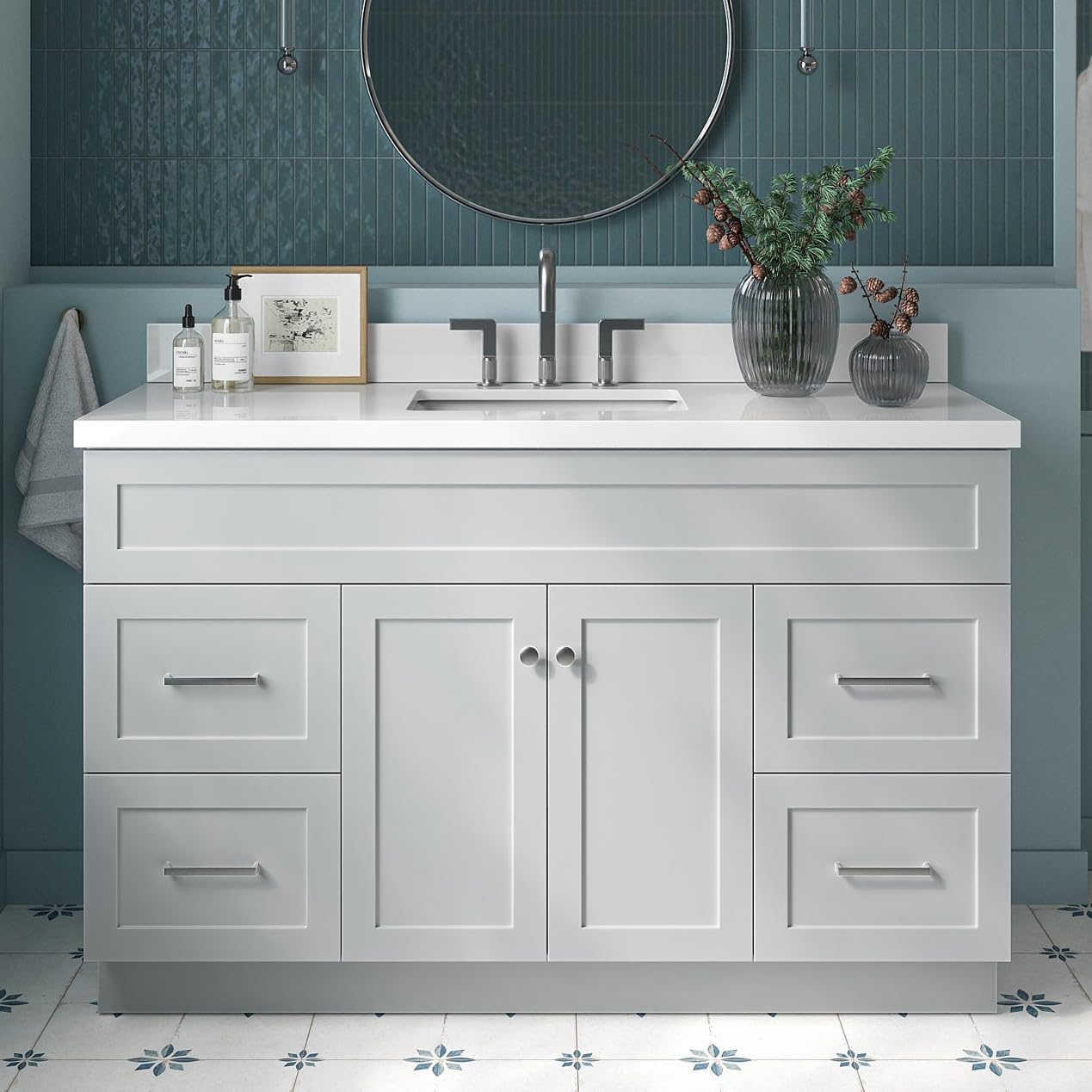
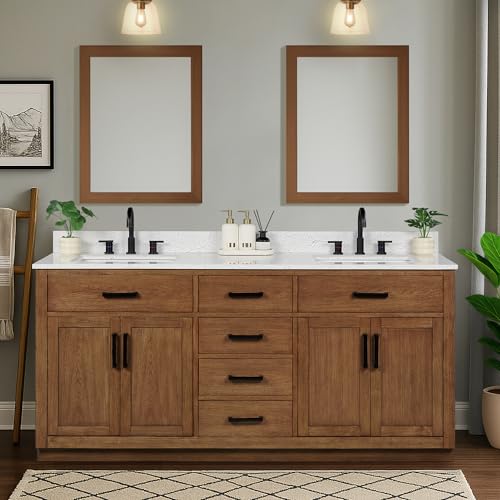

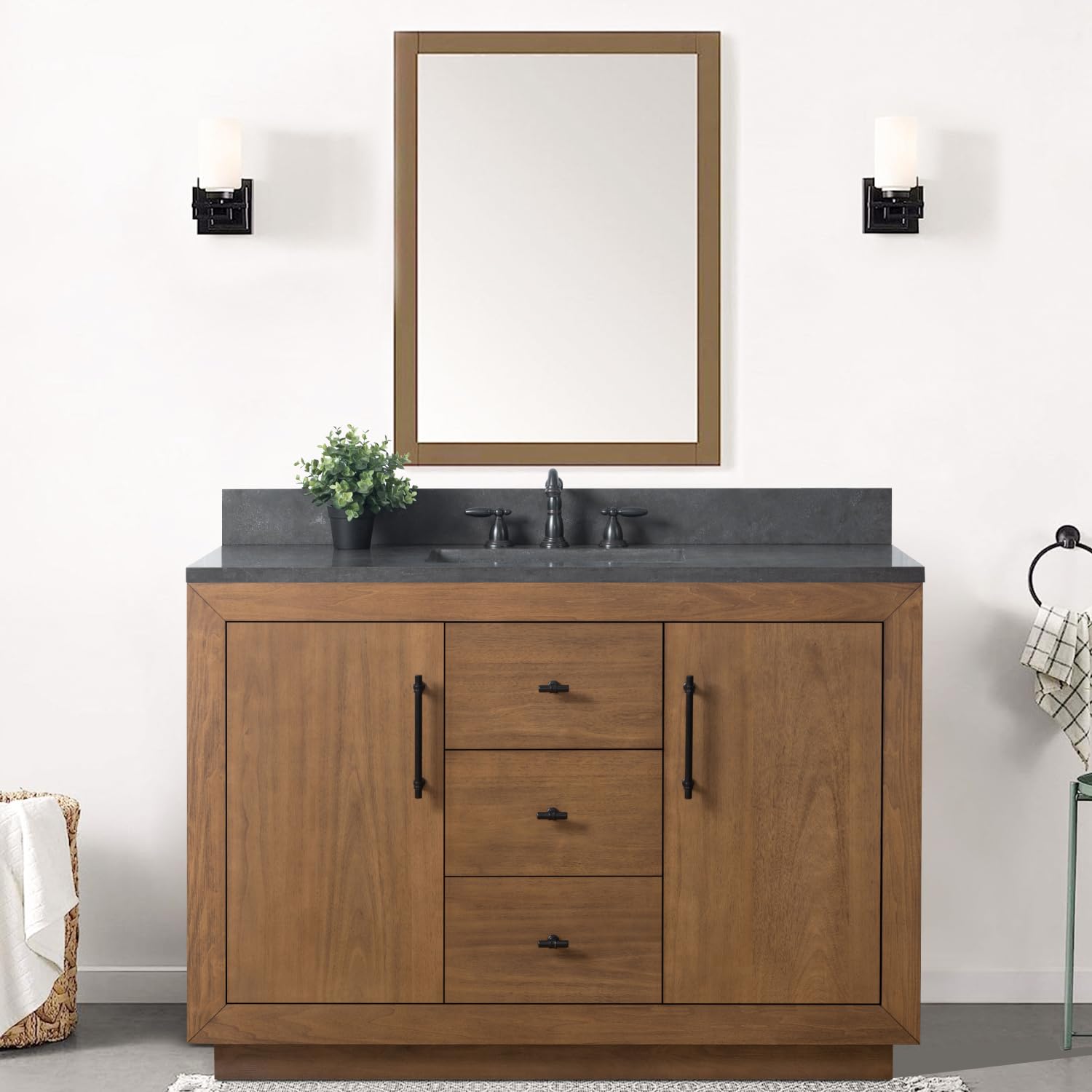
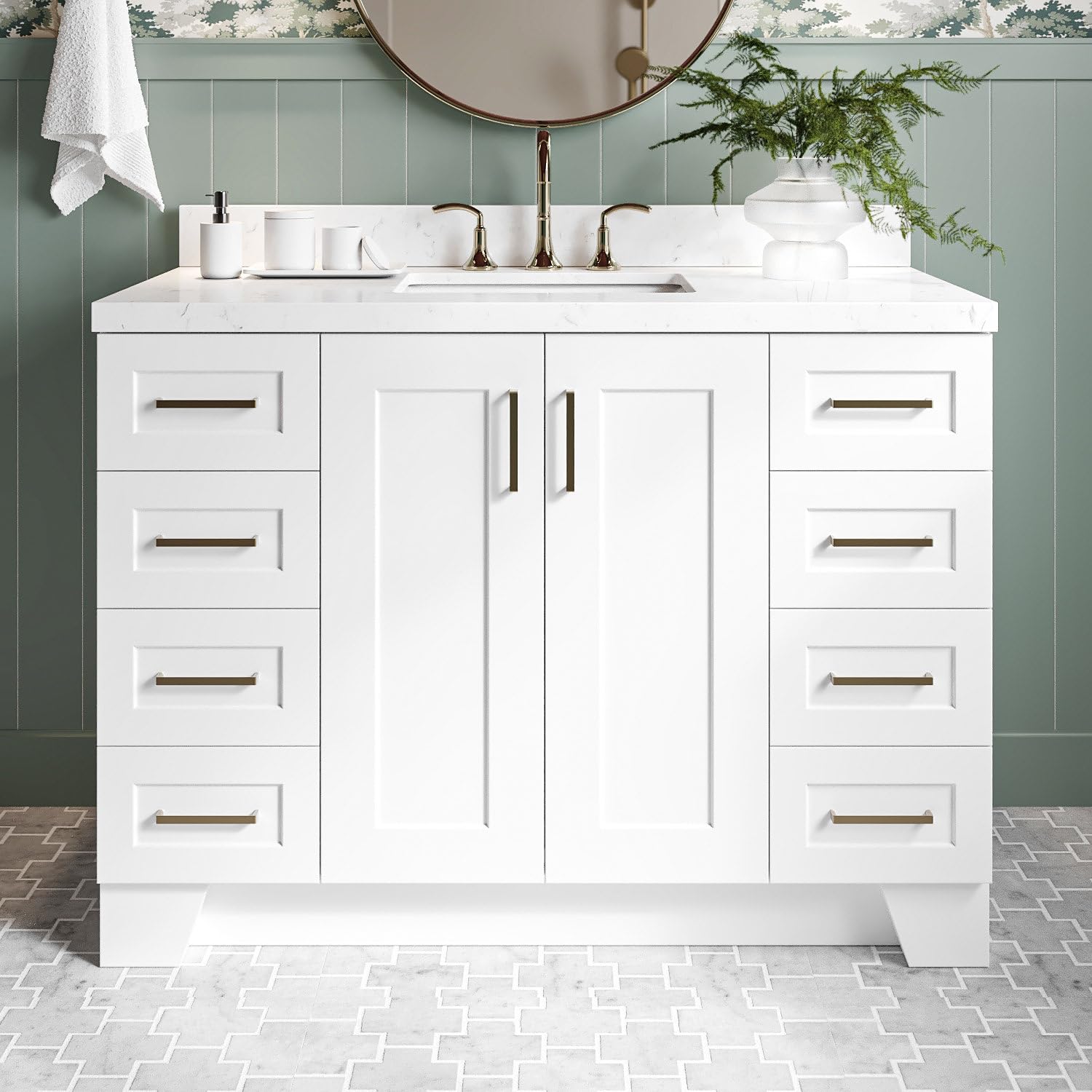

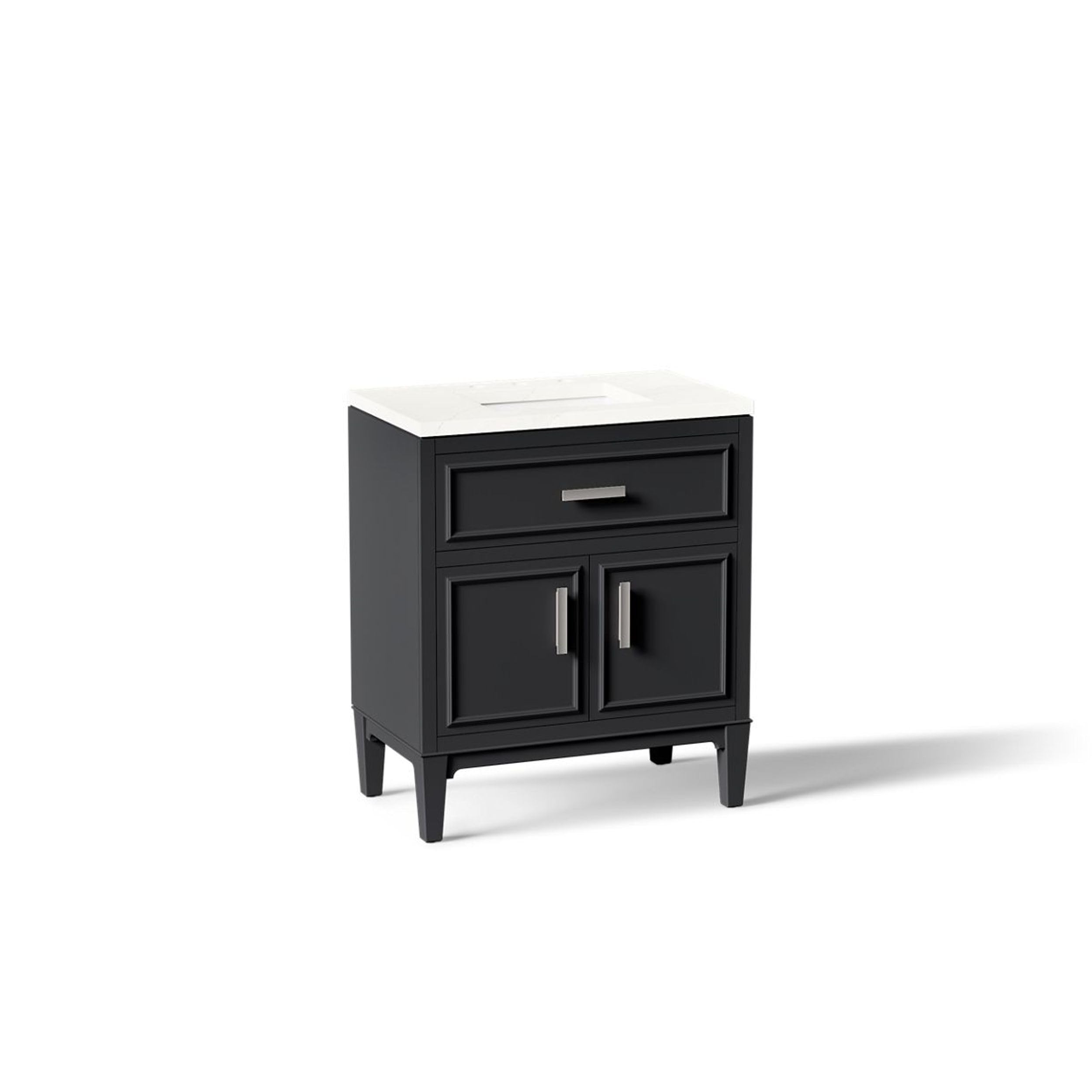
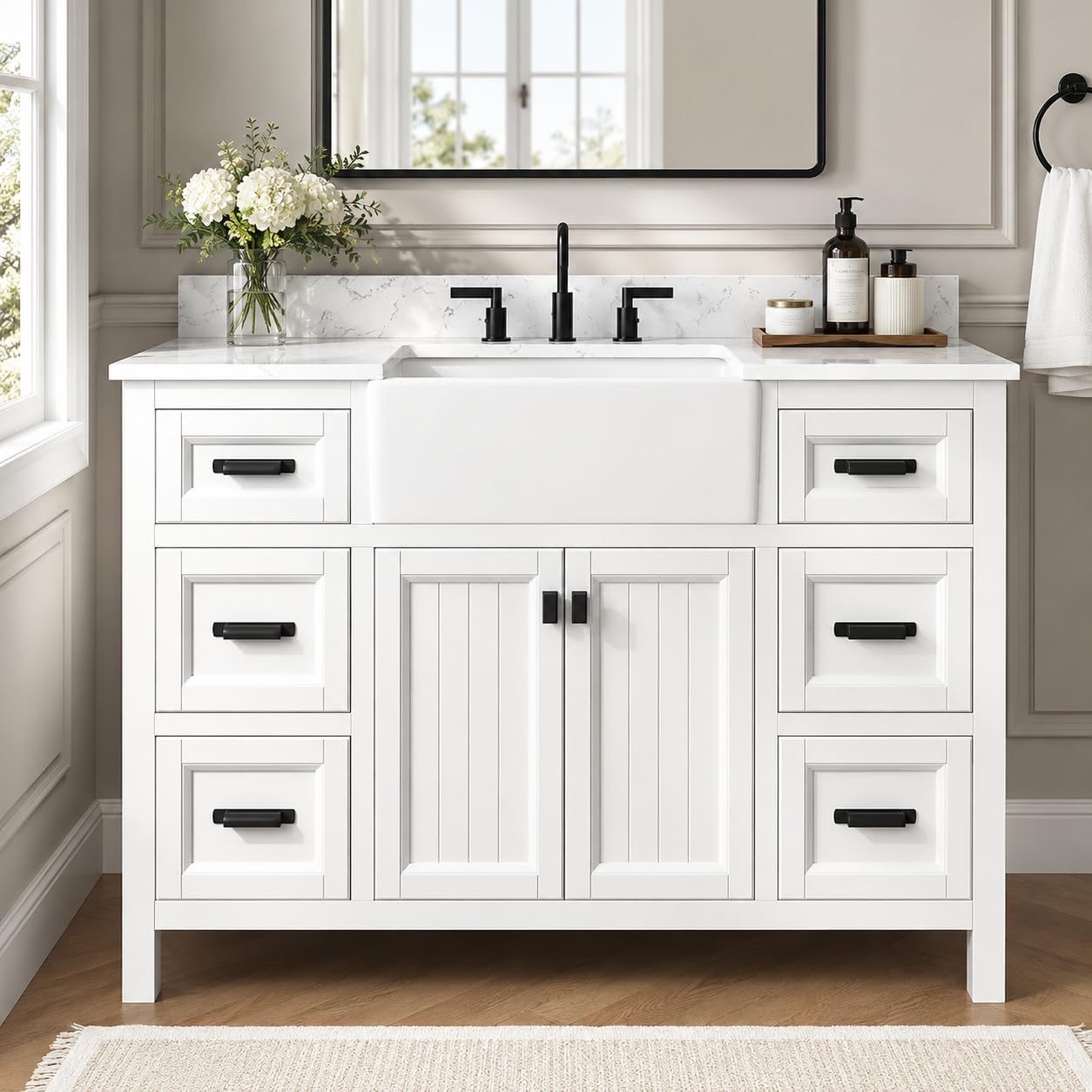
What Makes a Great Product Brand?
A great vanity brand does the basics consistently. Cabinets arrive square and undamaged, drawers align, finishes resist bathroom humidity, and support answers when a part is missing. Look beyond a single pretty model and judge the brand record across sizes, finishes, and price levels. The sections below show you how.
Features That Matter for Bathroom Vanities
Bathrooms demand moisture resistance that a bedroom dresser never faces. Look for sealed cabinet interiors, solid or high quality plywood boxes rather than thin particle board in wet zones, and tops that resist toothpaste, makeup, and hard water marks. Soft close hinges and drawer slides, full extension drawers, and an open back or cutouts for plumbing save time during install.
Measure your rough plumbing location before you fall for a layout. A drawer stack that hits your drain will cost you a return or a custom cut. Good brands publish exact interior dimensions and plumbing clearances, and that transparency is itself a quality signal.
Intended Use and Who It Is For
Your main user shapes the right brand tier. A powder room vanity sees light use and can prioritize looks and compact depth. A shared family bathroom needs deep storage, double sinks where width allows, and finishes that clean fast. A primary suite often rewards quiet drawers, taller counter height, and coordinated mirrors or linen storage.
Rental and resale projects value durability and neutral colors that suit many buyers. If you plan to age in place, look for brands with taller vanities and wide, easy pull drawers. Naming your main use first will cut your brand list in half. For build quality benchmarks, see our guide to the best quality bathroom vanities for construction details.
Price vs Value
Budget brands often land around $300 to $800 for common single sink sizes and focus on simple cabinets with basic tops. Mid range brands around $800 to $2000 usually add plywood boxes, better hardware, and stone or engineered stone tops. Premium brands above about $2000 add custom sizes, richer finishes, and stronger service.
Value is what survives daily steam and cleaning. A low price that needs a new top or swollen cabinet in three years is not a saving. Compare total cost, including delivery, faucet, mirror, and install help, because those extras can add hundreds to any tier. Shoppers focused on total spend can also see our guide to the best priced bathroom vanities for budget planning.
best brands for bathroom vanities: Brand Profiles at a Glance
Use the product table above for current sizes and prices, then match each brand profile below to your project. Profiles describe what a brand group is generally known for, where it can fall short, and who it suits best. Judge a specific model against these patterns before you order.
Value Focused Stock Brands
These brands are known for wide availability, frequent sales, and standard sizes that ship fast. Strengths include simple assembly, included tops on many models, and easy returns through large retailers. Weaknesses can include thinner finishes and basic drawer boxes. They suit powder rooms, rentals, and fast refresh projects where speed and price lead.
Mid Range Plywood Specialists
These brands center on plywood cabinet boxes, soft close hardware, and stone tops at a fair step up in price. Strengths include sturdier drawers and better humidity resistance for family bathrooms. Weaknesses include heavier delivery and fewer custom options. They suit most primary and family bathrooms and often give the best balance of cost and service life.
Premium Furniture Style Brands
These brands treat the vanity as fine furniture, with detailed door profiles, rich stains, and coordinated mirrors. Strengths include finish depth, quiet hardware, and design cohesion. Weaknesses include higher prices and longer lead times. They suit primary suites and remodels where the vanity is the visual center of the room.
Compact and Small Space Brands
These brands focus on narrow depths, wall mounted floating designs, and smart storage for tight rooms. Strengths include space saving proportions and modern looks that make small baths feel larger. Weaknesses include less storage and strict wall support needs for floating models. They suit apartments, powder rooms, and older homes with small footprints. For color coordination with compact designs, see our guide to the best colors for bathroom vanities for palette ideas.
Custom and Semi Custom Brands
These brands let you choose width, finish, top material, and hardware in many combinations. Strengths include exact fit for odd walls and plumbing and a built in look. Weaknesses include cost, wait time, and no return on custom orders if you measure wrong. They suit full remodels with a contractor and a fixed layout. Learn more in our guide to the best custom bathroom vanities if exact fit is your priority.
Modern Minimalist Brands
These brands favor flat fronts, integrated handles, and matte finishes in white, gray, and wood tones. Strengths include easy wipe surfaces and a calm, uncluttered look. Weaknesses include fingerprints on some matte finishes and limited traditional styling. They suit condos and updated homes where simple lines match tile and fixtures.
Traditional and Transitional Brands
These brands offer framed doors, furniture feet, and classic hardware finishes that pair with older homes. Strengths include timeless appeal and broad finish choices. Weaknesses include more crevices to clean and bulkier profiles in small rooms. They suit homes where the bathroom should match existing trim and door styles. If you are still weighing brand versus model, our guide to what is the best brand of bathroom vanities adds another comparison angle.
How to Choose Between Brands
A specific model matters more than a brand name alone. Every brand has strong and weak lines, so read the cabinet material, top material, and hardware details for the exact size you need. Check recent buyer comments for damage in shipping, alignment issues, and support response, and weigh patterns over single angry or glowing comments.
Confirm warranty length for the cabinet, top, and hardware separately, because they often differ. Ask how replacement parts are handled and whether service is based in the United States. Measure your doorway, hallway turns, and bathroom entry before ordering a large assembled vanity, since many returns start with a piece that cannot reach the room.
A practical know how step is to order finish samples when a brand offers them. Screen colors shift, and a sample beside your tile and lighting prevents a costly mismatch. Photograph your plumbing and keep those images with your measurements while you shop.
Frequently Asked Questions
How long does a bathroom vanity last?
A well built vanity often lasts about 15 to 25 years in a ventilated bathroom. Plywood or solid wood boxes with sealed finishes last longer than thin particle board in humid rooms. Your exhaust fan habits matter too, because daily steam that lingers will shorten the life of almost any cabinet finish.
How do I maintain a bathroom vanity?
Wipe spills and standing water the same day, especially around faucet bases and top edges. Clean with a soft cloth and mild soap, and avoid harsh abrasives on stone and painted finishes. Tighten handles yearly, check supply lines for drips twice a year, and run the exhaust fan during and after showers to cut humidity.
Are expensive bathroom vanities worth it?
They can be worth it when the extra cost buys a plywood or solid box, a durable top, and quiet full extension drawers you use daily. They are less worth it when you pay only for a trendy color or a name. In a light use powder room, a mid range option often gives you most of the benefit.
What features matter most when buying a bathroom vanity?
Cabinet material, storage layout that clears your plumbing, and top resistance to stains matter most. Next come soft close hardware, counter height, and a finish that suits your cleaning habits. A beautiful vanity with drawers that hit the drain is a failed purchase, so confirm interior dimensions before style extras.
How much should I spend on a bathroom vanity?
Many households spend about $800 to $2000 for a durable single or double vanity with a quality top. Powder rooms can spend less, while custom primary suites can spend well above that range. Set aside extra for faucets, mirrors, delivery, and install, which can add about 30 to 50 percent to the cabinet price.
Our Verdict
Choose the brand tier that matches your room use, then judge the exact model on cabinet material, plumbing fit, and warranty support. Mid range plywood specialists suit most family bathrooms, value brands suit fast refresh projects, and custom brands suit exact fit remodels. Check the comparison table above for sizes and tops, and keep best brands for bathroom vanities as your quality standard while you decide.