Best Bathroom Vanities Reviews for 2026: Which One Fits the Way You Use It?
Disclosure: We may earn a commission when you buy through links on this page, at no extra cost to you. As an Amazon Associate I earn from qualifying purchases. Learn more

Read the best bathroom vanities reviews with a clear buying guide on size, storage, materials, plumbing fit and lasting value for daily use.
There is no single vanity that suits every bathroom, every budget, and every morning routine. A compact unit that works beautifully in a powder room can feel cramped in a shared family bathroom, and a grand double sink cabinet can overwhelm a small guest space. That is why reading best bathroom vanities reviews is most useful when you start with your own habits, your plumbing layout, and the storage you actually need.
This guide sorts vanities by use case instead of by brand or by style alone. You will see what matters for performance, for value, and for a simple first purchase, then compare the product table below with those priorities in mind. A careful match now saves you from returns, extra plumbing work, and drawers that never quite hold what you own.


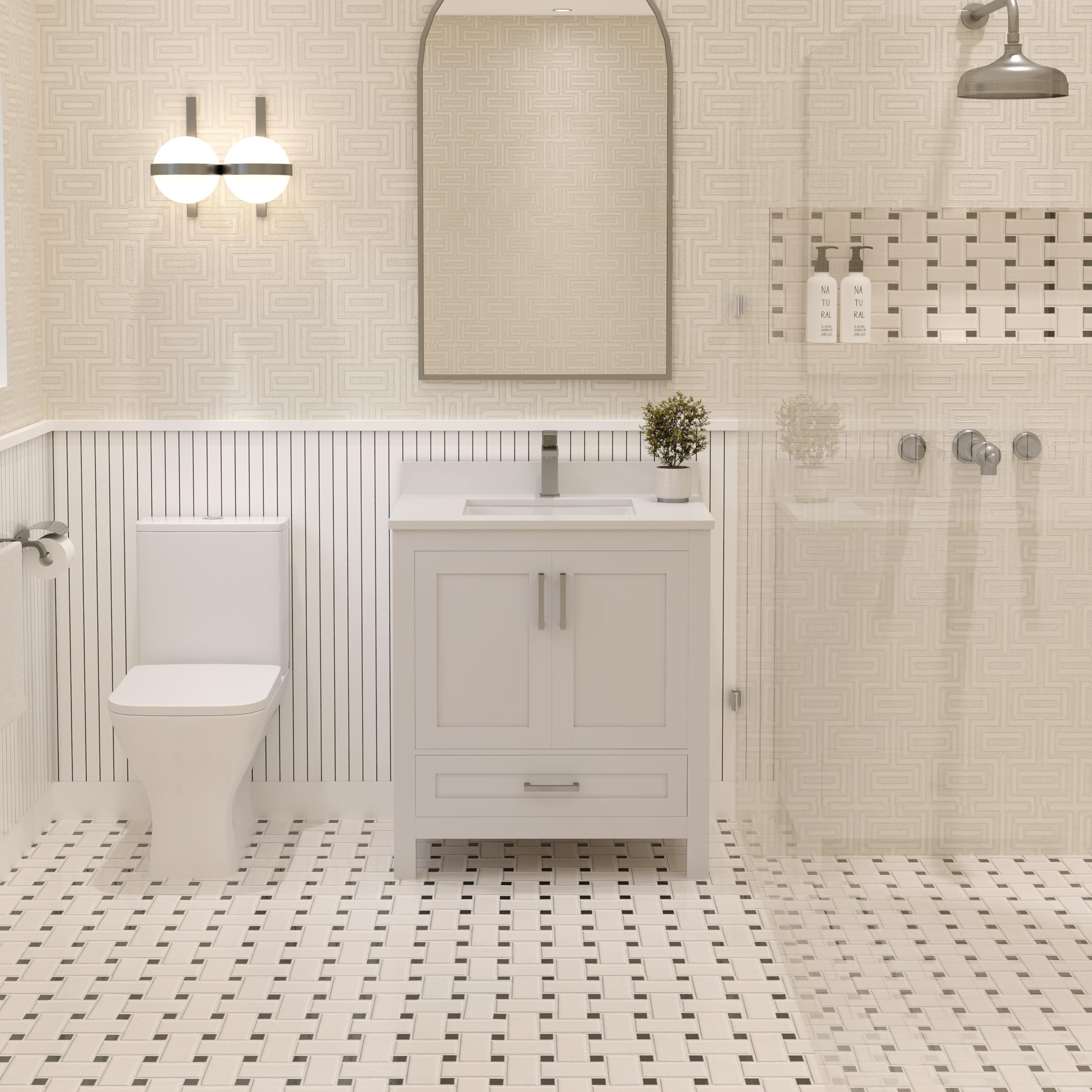
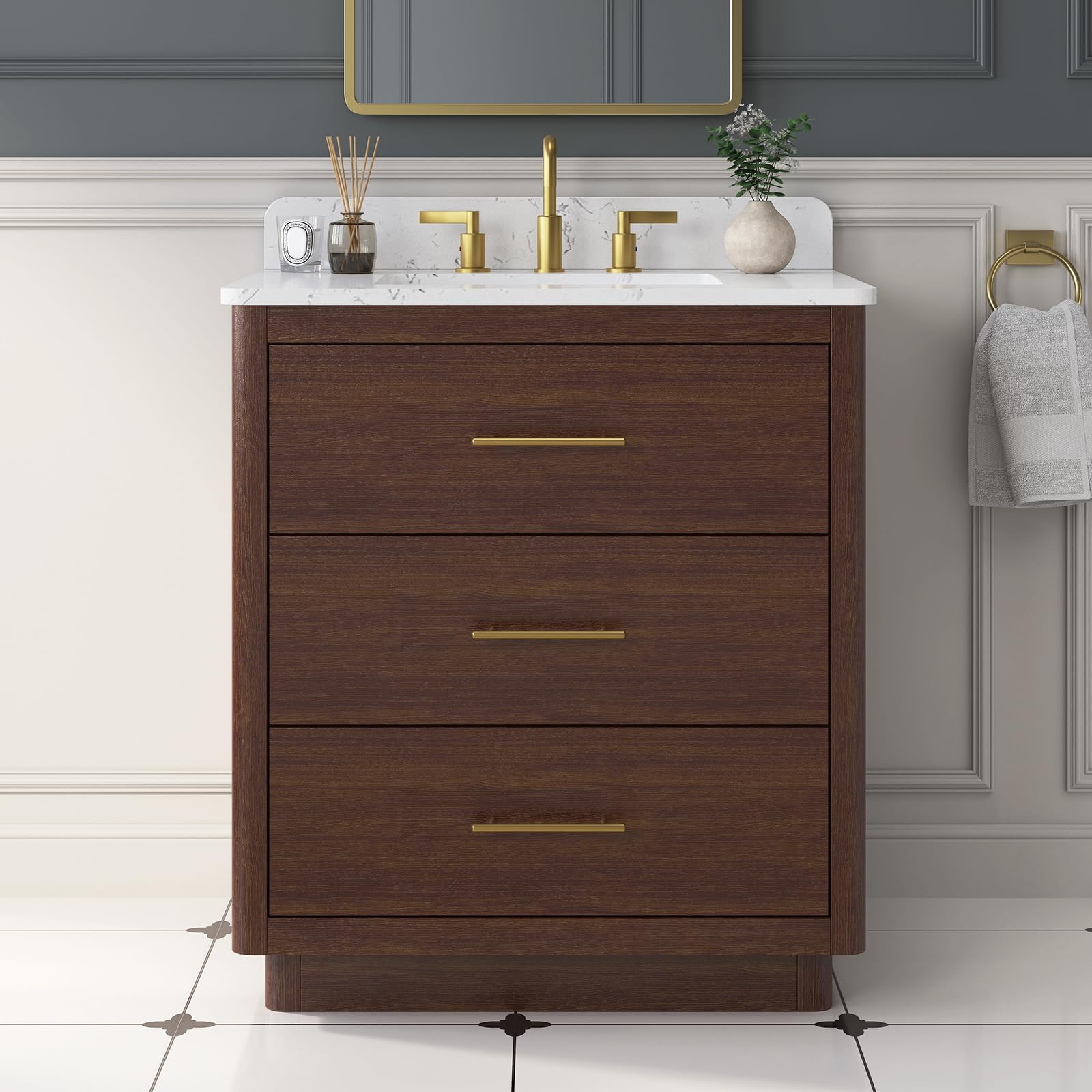

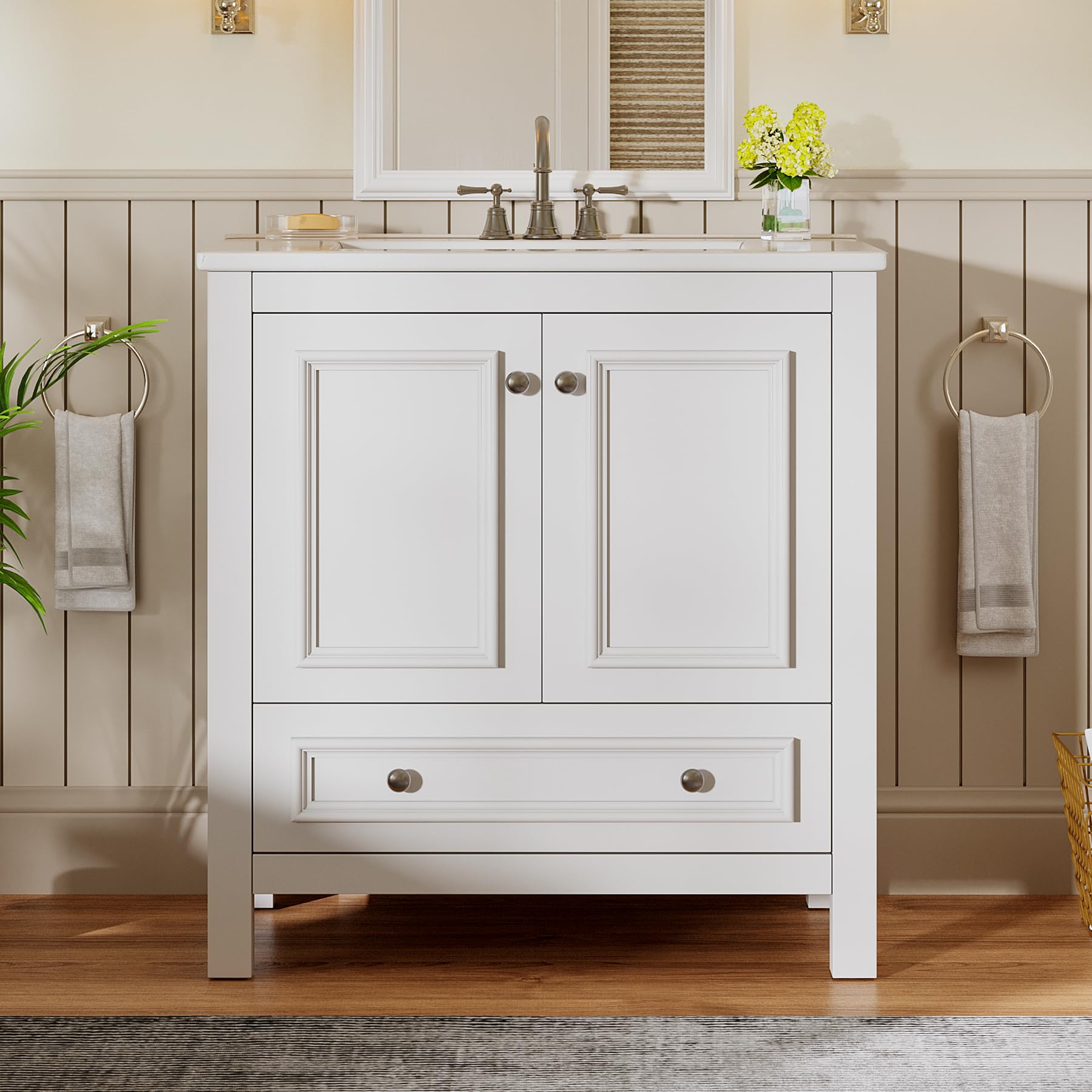


Who Should Buy Which Bathroom Vanities?
Start by naming your main bathroom job. Is this the room where two people get ready at once, a quiet guest space used a few times a month, or a rental unit that needs to look clean and last? Your answer points to size, material, and storage far more reliably than color or hardware alone. Once the job is clear, the groups below help you narrow the field before you look at finishes.
For People Who Want the Best Performance
Performance in a vanity means drawers that glide smoothly after years of daily use, a cabinet box that resists moisture, and a top that shrugs off water, toothpaste, and heat from styling tools. Look for solid wood or quality plywood construction, dovetail or sturdy joined drawers, and soft close hardware that feels firm rather than loose. A stone or engineered quartz top usually outlasts thin cultured marble in a busy room. Paying more here buys quiet hardware, better moisture protection, and doors that stay aligned. If two people share the sink each morning, a wider top with two basins and divided drawers is worth the extra cost.
For Value Seekers
Value is not the lowest price. It is the lowest total cost over the years you plan to stay in the home. A mid range vanity with a plywood box, a durable top, and standard plumbing cutouts often beats a bargain unit that swells at the base or needs a new top within a few years. Compare what is included, since some prices cover only the cabinet while others include the top, sink, and hardware. If you need ideas that keep the budget in check without giving up the basics, see our guide to the best priced bathroom vanities for how pricing tiers usually break down.
For First Time Buyers
Your first vanity purchase goes best when you keep choices simple and measurements exact. Choose a standard width that matches your current plumbing, a style with a pre drilled top if possible, and storage that fits the items you use daily. Avoid custom sizes on your first project, because a small measuring error can mean long delays and return hassles. Take photos of your water lines and drain position before you shop, and bring them when you compare options. A straightforward unit you can install correctly will serve you better than a complex design that needs extra trades and extra days.
Key Features to Compare
Features only matter when they solve a real problem in your room. A deep drawer helps if you store tall bottles upright, while open shelving helps in a guest bath where towels are the main cargo. Use the points below to judge each option in the product table above against your space, your water lines, and your cleaning habits. Note which features you need on day one and which are simply nice extras.
Safety and Certifications
Safety with a vanity is mostly about moisture, stability, and healthy materials. Check that wall mounted units come with clear mounting instructions and hardware rated for the weight of the cabinet plus the top. Look for low emission finishes and cabinets that state compliance with common indoor air quality standards, since enclosed bathrooms trap odors and humidity. Electrical outlets inside drawers should be listed for bathroom use and installed to local code, ideally by a licensed electrician. If young children use the room, choose rounded top edges and keep cleaning chemicals in a latched or high cabinet rather than under the sink.
Intended Use and Who It Is For
Match the vanity to the heaviest use it will see, not the lightest. A primary bathroom needs durable drawer slides, a top that resists staining, and storage for daily items for each person. A powder room can use a smaller, more decorative piece because storage demands are low and water exposure is brief. For a rental or a home you plan to sell, neutral styles and standard sizes appeal to more people and simplify repairs. Think about height as well, since taller comfort height units suit most adults but can be awkward for small children who then need a sturdy step stool.
Maintenance and Long Term Costs
Long term cost includes more than the purchase price. Stone tops may need sealing once a year, painted cabinets can need touch up paint, and unusual sink shapes can make replacement faucets harder to find. Wood veneer and laminate cost less at first but can peel or swell if water sits at the seams. Ask what cleaning products the maker allows, because harsh cleaners can dull some finishes and void coverage. Keep the warranty paperwork and note whether it covers the cabinet, the top, and the hardware for the same period or for different lengths of time.
Ease of Use and Setup
Daily ease shows up in small details. Drawers with cutouts shaped around the drain give you usable storage instead of a deep empty cabinet where bottles tip over. Soft close doors keep a quiet house in early mornings, and full extension slides let you reach items at the back without kneeling. For setup, a unit that arrives assembled saves hours but is heavier and harder to move through narrow halls. Flat packed options move easily but demand careful assembly. Measure doorways, stairs, and the bathroom door swing before you order, and plan for two people to lift any stone top safely.
Common Mistakes to Avoid When Buying Bathroom Vanities
Most regrets come from a short list of avoidable errors. Run through these points before you pay, and you will remove the most common causes of returns and costly rework.
- Shopping by price or by photo alone, without checking cabinet material and drawer construction.
- Ignoring safety and material information, especially moisture resistance and mounting needs for wall units.
- Buying too wide for the room, so doors hit the toilet or the shower screen, or too narrow, leaving wasted space and cramped counters.
- Forgetting to check the drain and water line positions against the drawer layout inside the cabinet.
- Skipping the warranty terms, then learning that the top or the finish has only short or no coverage.
- Choosing a bold color or rare finish before checking it against tile, flooring, and light in the actual room.
Color deserves a moment of its own, because it changes how large a room feels and how well a vanity ages. If you are torn between white, wood tones, and painted finishes, see our guide to the best colors for bathroom vanities for how each family of colors behaves in small and large rooms.
Care and Maintenance Tips
Read the care instructions before first use, because tops and finishes differ in what they can tolerate. Wipe water from the top and the cabinet front daily, especially around the sink edge where standing water works into seams. Clean with a soft cloth and a mild cleaner, inspect caulk lines and plumbing connections every few months, and tighten any loose handles before they wear their mounting holes. Store spare paint or a finish touch up pen from the start, keep the room ventilated after showers, and fix small leaks at once. A dry cabinet interior is the single best sign that your vanity will last.
Two more tips: put a small tray under soap and toothbrush holders so grit and water land on the tray rather than the top, and line drawers with washable liners so spills clean up in minutes instead of soaking into wood. Both habits cost little and protect the surfaces you paid for.
Bathroom Vanities: Your Questions Answered
Are expensive bathroom vanities worth it?
Expensive vanities are worth it when the extra money buys better cabinet materials, stronger drawer hardware, and a more durable top for a busy bathroom. In a lightly used guest room, those upgrades matter far less. Judge the price against how often the room is used and how long you plan to stay. One useful test is cost per year: a unit that lasts fifteen years can be cheaper over time than a low priced one replaced after five.
How do I maintain a bathroom vanity?
Maintain a vanity by keeping it dry, cleaning gently, and checking the plumbing area on a schedule. Wipe spills the same day, run the exhaust fan during and after showers, and look under the sink each month for damp spots or slow drips. Avoid leaving wet towels draped over cabinet doors, since constant moisture dulls paint and swells edges. A quick photo of the plumbing area when new gives you a baseline to spot changes later.
How long does a bathroom vanity last?
A well made vanity in a ventilated bathroom commonly lasts ten to twenty years, while low cost units in damp rooms can show wear much sooner. Lifespan depends most on cabinet material, water exposure, and how fast small leaks are repaired. Tops often outlast cabinets, so a solid top can sometimes move to a new base later. If drawers still glide well and the box stays dry and square, refinishing or new hardware can add years without a full replacement.
How much should I spend on a bathroom vanity?
Spend in line with the room and the home: modest amounts for a small powder room, more for a primary bathroom you use twice a day. As a rough guide, many buyers find fair value from about $300 to $900 for a single sink unit and about $900 to $2,500 for a larger double sink unit with a quality top. Leave room in the budget for a faucet, plumbing parts, and delivery. If quotes for built to order sizes tempt you, compare them with the best custom bathroom vanities guide to see when custom work truly pays.
What features matter most when buying bathroom vanities?
The features that matter most are correct size, moisture resistant cabinet construction, and storage shaped around your plumbing. After those, look at top durability, drawer slide quality, and whether the style suits the room for years. A vanity can look current without chasing short lived trends; for a clean modern direction, see our guide to the best contemporary bathroom vanities and note which simple lines and finishes recur across price tiers.
Final Thoughts
The right vanity is the one that fits your room, your plumbing, and your daily routine, in that order. Put size and cabinet construction first, then storage layout, then style and finish, and let price follow those decisions rather than lead them. Compare the product table above with that short list and you will spot the strong matches quickly. If you keep returning to best bathroom vanities reviews as you shop, use them to check real world fit and durability notes, then choose the unit you would still be glad to clean, open, and use five years from now.