Best Brand of Rowing Machine for 2026: Strengths, Weak Spots, Value
Disclosure: We may earn a commission when you buy through links on this page, at no extra cost to you. As an Amazon Associate I earn from qualifying purchases. Learn more

Compare the best brand of rowing machine by budget tier, resistance type, warranty and console features, so you can choose a rower that fits your space.
A rowing machine is a big, long lived purchase, and brand choice shapes everything from flywheel smoothness to whether spare parts exist in five years. Marketing makes every brand sound smooth, quiet, and compact, which leaves budget minded buyers guessing. This guide sorts the best brand of rowing machine options by price tier, so you can see what each level really buys.
You will compare resistance types, frame build, console features, and warranty terms before looking at prices. Use the comparison table below to scan the current field, then match a tier to your ceiling height, floor space, training goals, and how many people in your home will share the machine each week.
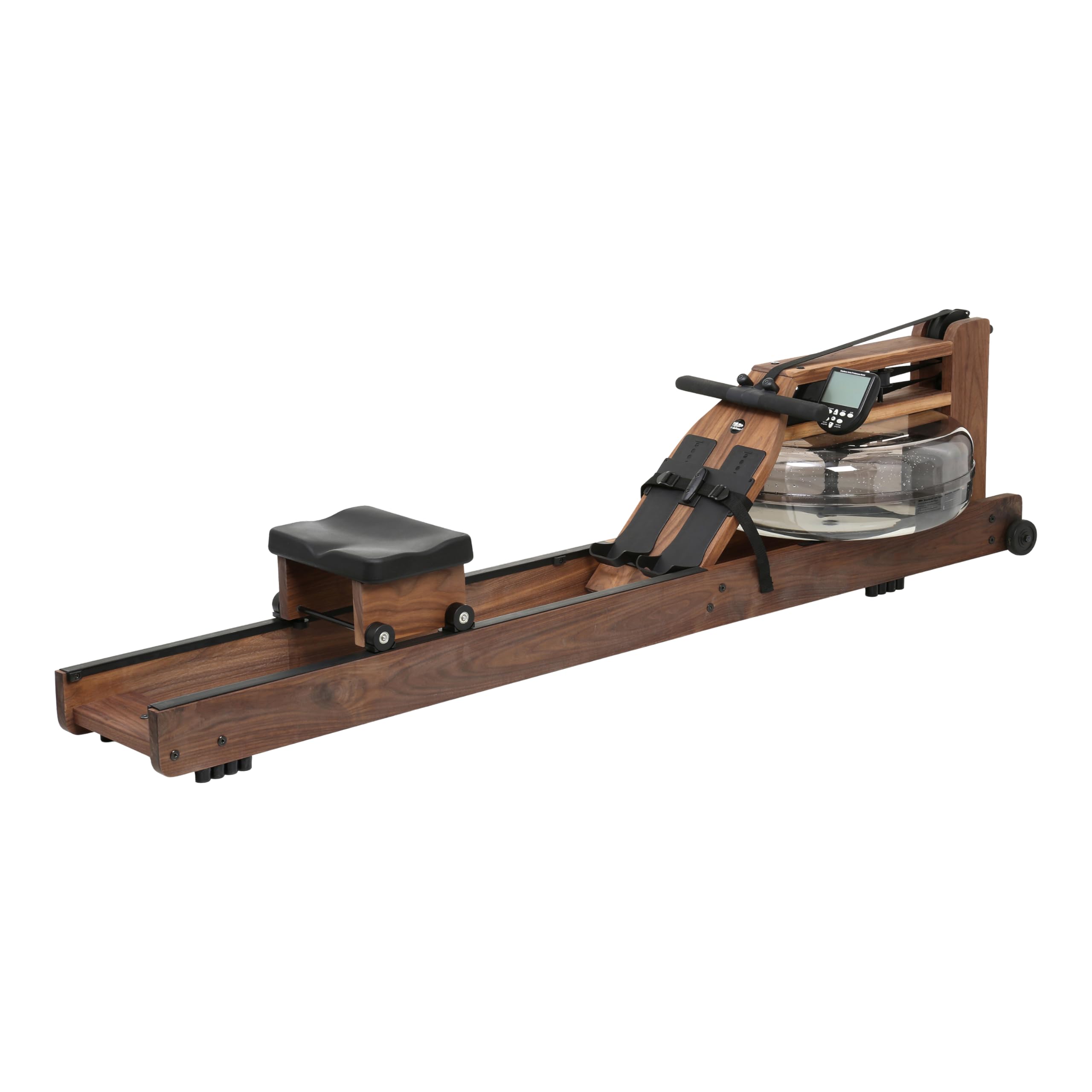


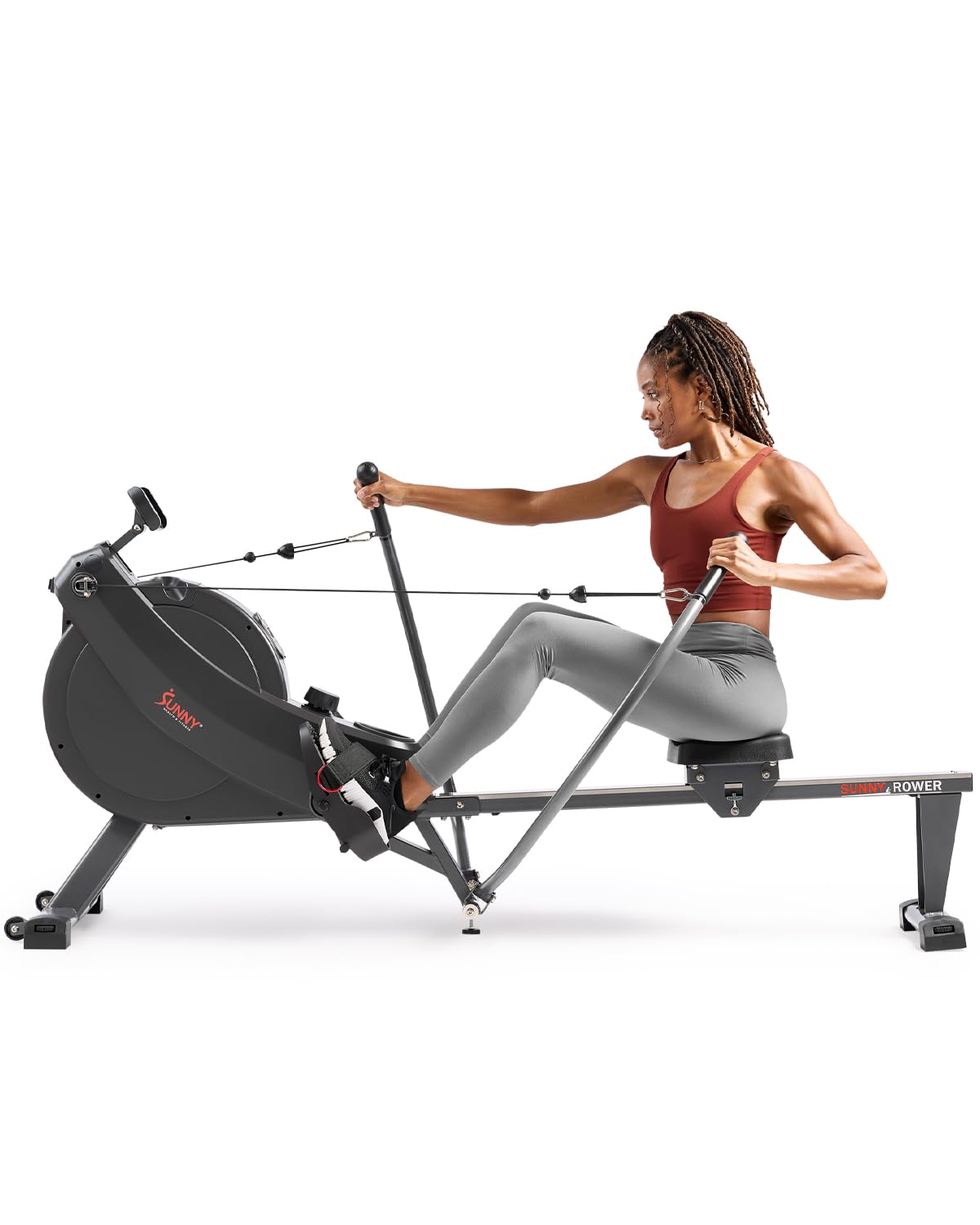


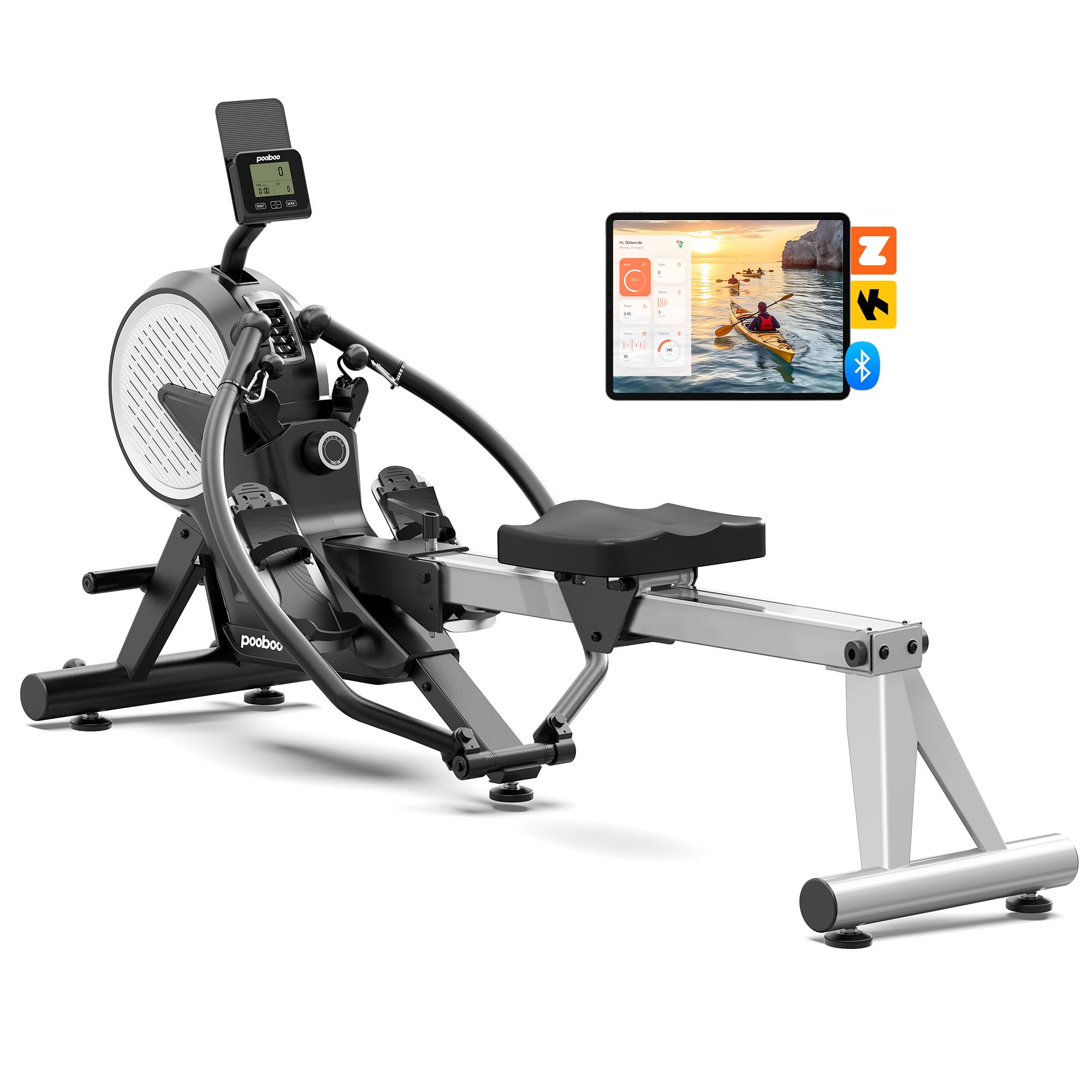
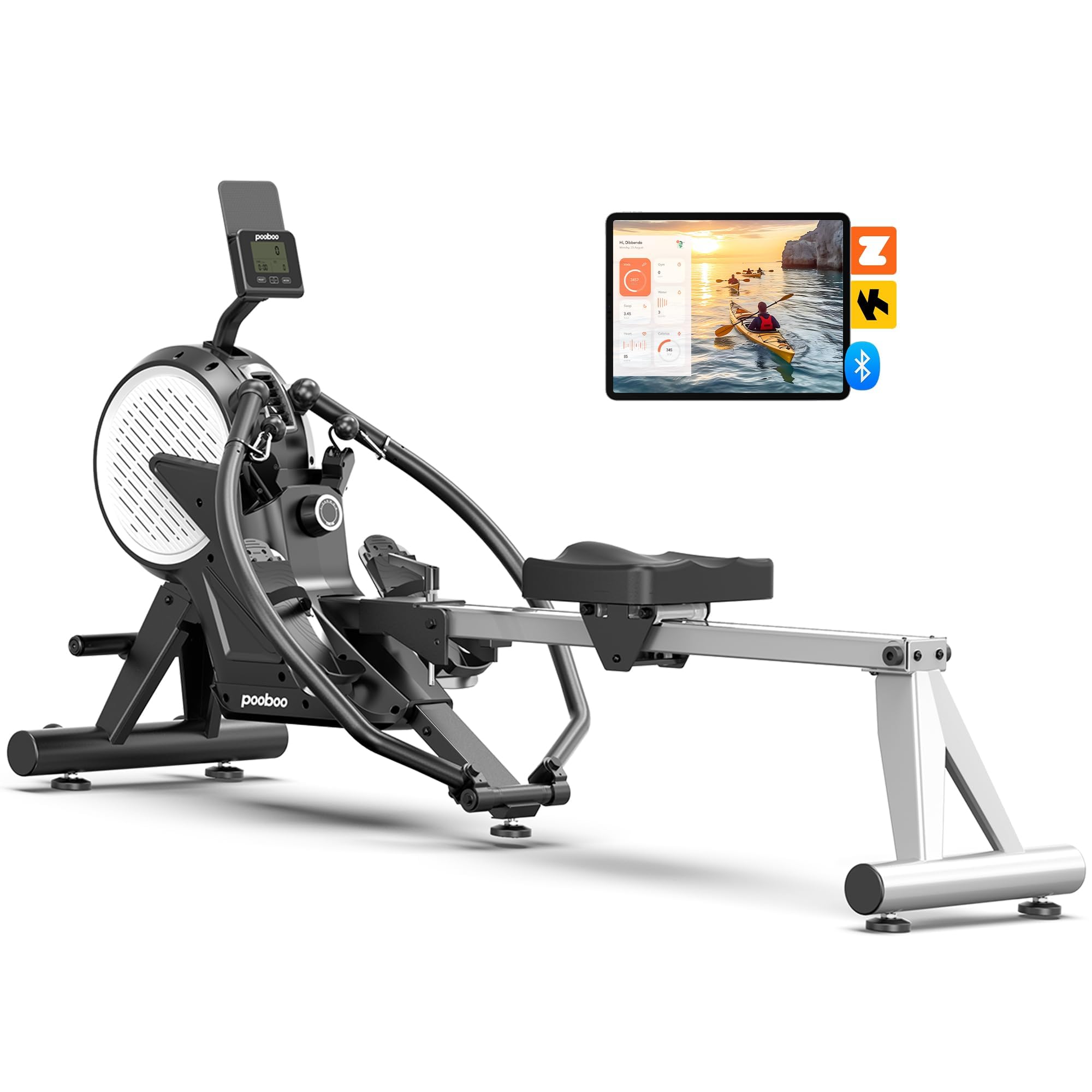
What Makes a Great Rowing Machine Brand?
A great rowing brand builds a rail and frame that stay rigid under hard pulls, a flywheel that spins smoothly without dead spots, and a seat that glides without wobble. Steel frame construction, a long monorail, and a high weight capacity, often 250 lb or more, signal durable design. Brands that publish full dimensions, folded size, and required ceiling clearance respect your planning and reduce return headaches.
Service separates strong brands from the rest. Look for dealers or direct support in the United States, manuals and assembly videos that match the current model, and wear parts such as seat rollers, bungee cords, and handle straps kept in stock. A brand with a narrow, focused lineup often supports each model longer than a brand that launches new variants every season and quietly drops the old ones.
Warranty (Frame, Parts, Labor)
Read warranties in three parts: frame, parts, and labor. Strong brands cover the frame for five years to lifetime, parts for two to five years, and labor for one year. Budget brands may offer only one year on everything, which matters because the chain, sprocket, and monitor are wear items. Ask what counts as a defect versus normal wear, and whether warranty service happens in your home or by shipping parts for self repair.
Console, Programs, and App Connectivity
Consoles range from simple stroke counters to large touchscreens with coached workouts. Bluetooth connectivity lets the machine send pace, stroke rate, and distance data to training apps on your phone, which keeps records portable if you change brands later. Subscription programs add cost every month, so total them across a year before comparing prices. If you prefer structure without a subscription, look for brands offering built in interval programs and heart rate monitor pairing as standard features.
Stride Length, Range of Motion, and Ergonomics
Rowers do not have stride length in the elliptical sense, but rail length and range of motion decide who fits. Taller users need a longer monorail and enough inseam room to reach full compression without the seat hitting the front stops. Footplates should adjust to heel position, and the handle should allow a straight wrist path. Check the stated maximum user height and weight, and leave margin if several family members of different sizes will share the machine.
Top Brands at a Glance
Budget decides more on rowers than on most fitness gear, so the tiers below lead this section. The product table above shows current prices to compare, and each tier explains the resistance types, build quality, and support you can reasonably expect. Judge brands inside your tier against each other rather than against machines that cost three times as much.
Budget Starter Tier, Under About $400
Budget brands in this tier use magnetic resistance or basic air designs, lighter frames, and simple consoles that track time, strokes, and distance. They suit new rowers testing the habit and smaller users with modest weekly mileage. The compromises are real: shorter rails, lower weight capacity, and resistance that may feel uneven at hard efforts. Warranty coverage is often short, so buy from sellers with clear return terms. If this is your entry point, our guide to the best starter rowing machine choices explains which corners are safe to cut.
Midrange Tier, About $400 to $900
Midrange brands deliver the best value for most homes. Expect sturdier steel frames, smoother magnetic resistance with more resistance levels, adjustable footplates, and consoles with Bluetooth and preset workouts. Many models fold or stand upright for storage, which helps in shared rooms. Parts support improves sharply at this level, and warranties often reach two to five years on the frame. For new users comparing within this band, the best beginner rowing machine guide covers setup and form basics. This tier handles daily 30 minute sessions for years without feeling flimsy.
Premium Air and Water Tier, About $900 to $1,600
Premium brands built around air or water resistance serve serious training. Air models give dynamic resistance that rises with your effort, the feel rowers know from boathouse training, while water models add a smooth pull and a pleasant sound. Frames here are long, heavy, and rated for tall, strong users and club level daily volume. Consoles track detailed pace data that competitive users need. If training quality is your priority, compare notes in our guide to the best quality rowing machine standards before spending at this level.
Smart Connected Tier, About $1,500 and Up
Smart connected brands sell the coaching as much as the machine, with large screens, live and on demand classes, and form feedback on some models. Hardware quality is usually strong, but the ongoing subscription, often about $40 per month, becomes the real price over time. These brands suit people who know coached sessions keep them consistent. Check what the machine does if you cancel: some keep basic rowing metrics, others limit features. Internet reliability in your workout space also matters, since streaming classes buffer poorly in garage gyms with weak WiFi.
Compact and Foldable Focused Brands
Some brands specialize in small footprints: shorter rails, folding arms, and designs that roll into a closet. These models help apartment dwellers enormously, but compact frames can limit taller users and feel less stable at high stroke rates. Measure your space with the machine in use, not just stored, because a rower needs about 9 feet of length during a workout. Brands in this niche compete on caster quality and fold mechanisms, so test how one person handles the fold alone before buying.
Commercial Grade Brands for Shared and Club Use
Commercial focused brands build for gyms, schools, and rowing clubs, where machines face many users daily. Expect the longest warranties, the heaviest frames, and parts catalogs that stay active for a decade. Prices run high and consoles stay utilitarian, because durability outranks entertainment here. Home users who want a buy once machine sometimes choose this tier and skip screens entirely. Our background explainer, what is the best brand of rowing machine, walks through how these brands built their reputations with clubs and national teams.
How to Choose Between Brands
Set your budget ceiling first, including delivery, a floor mat, and any subscription year one cost. Then filter by fit: rail length for your height, weight capacity for the heaviest user, and ceiling clearance if you plan air rower sprints in a basement. Resistance type comes next, with magnetic for quiet control, air for athletic feel, and water for smooth, natural pull and sound.
Finally, weigh support. Read recent owner comments about assembly, noise after months of use, and how the brand handled a warranty claim. A brand that answers with parts and clear steps is worth a modest premium. Trained rowers with specific pace goals should also check our notes for the best rowing machine for rowers, since competitive needs reshape this shortlist quickly.
FAQs
Which rowing machine brand tier is better for beginners?
Most beginners do best in the midrange tier, where smooth resistance, clear consoles, and decent warranties remove friction while you learn form. Budget machines can work for a trial period, but uneven resistance makes good technique harder to feel. Premium tiers add training detail a new rower rarely uses. Whatever you choose, spend your first two weeks on form drills at easy pressure rather than chasing distance records.
How much space do I need for a rowing machine?
Plan about 9 feet of length and 4 feet of width in use, plus room to step on and off safely. Stored size varies, since many models stand upright in roughly a 2 foot by 2 foot corner. Measure ceiling height too, especially in basements, because standing a tall air rower upright for storage needs clearance. Apartment buyers should also check elevator and doorway widths before delivery day.
How long does a rowing machine last?
A midrange or premium rower used at home often lasts 7 to 12 years, with wear parts such as the handle strap, seat rollers, and batteries replaced along the way. Budget models under heavy daily use may tire within 3 to 5 years. Wiping rail dust after sessions and keeping the chain or strap clean adds real life, because grit on the rail is the main cause of rough seat glide.
Is a rowing machine quiet enough for an apartment?
Magnetic models are the quietest, producing little more than seat and rail sounds, and they work early or late without disturbing neighbors. Air models make a whooshing sound that rises with effort, and water models sit between the two. A thick mat reduces vibration through floors. If thin walls are your main constraint, choose magnetic resistance and avoid high intensity interval sessions late at night out of courtesy.
Is a subscription required for a smart rowing machine?
Only on smart connected models, and even there the machine usually still rows without one, though screens may limit workouts and data. Traditional consoles from midrange and premium brands include preset programs with no monthly fee. Before buying a screen based model, price two full years of subscription into the comparison. If that total shocks you, a strong midrange machine plus a free or low cost phone app delivers most of the same training structure.
The Bottom Line
Let budget lead, then fit and resistance type: starter tiers for testing the habit, midrange brands for most homes, air and water premium tiers for serious training, and smart models only if coaching keeps you consistent. Recheck the product table above with your measurements in hand, and you will land on the best brand of rowing machine for your space, your body, and your weekly training plans.