
The Best Borehole Pumps: Buying Guide and Top Picks for 2026
Disclosure: We may earn a commission when you buy through links on this page, at no extra cost to you. As an Amazon Associate I earn from qualifying purchases. Learn more
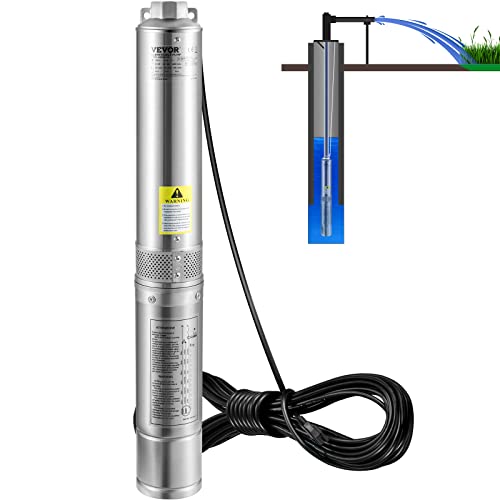
Use this guide to choose the best borehole pumps by depth, flow rate, power, build quality, and warranty so your water supply stays steady and safe.
A borehole pump works out of sight, deep underground, so a wrong choice is costly to fix and can leave a home, farm, or site without water. Choosing best borehole pumps means matching pump depth, flow, and power to your well and your daily demand. This guide walks you through the sizing math and the quality checks that matter most.
You will learn how head height and flow rate interact, what motor and cable specs to verify, and when a premium build pays for itself. Start with the comparison table below, then size your system before you compare prices.

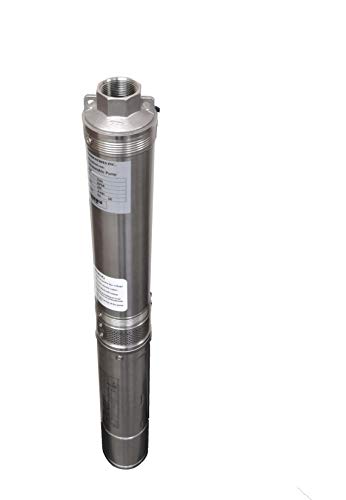
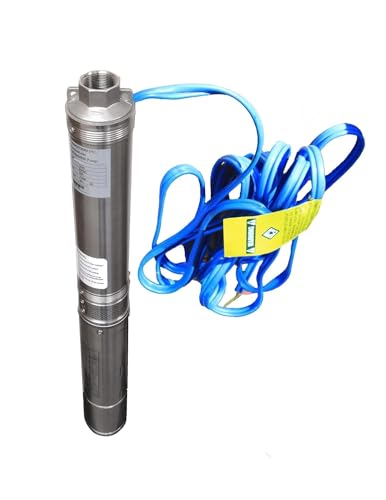

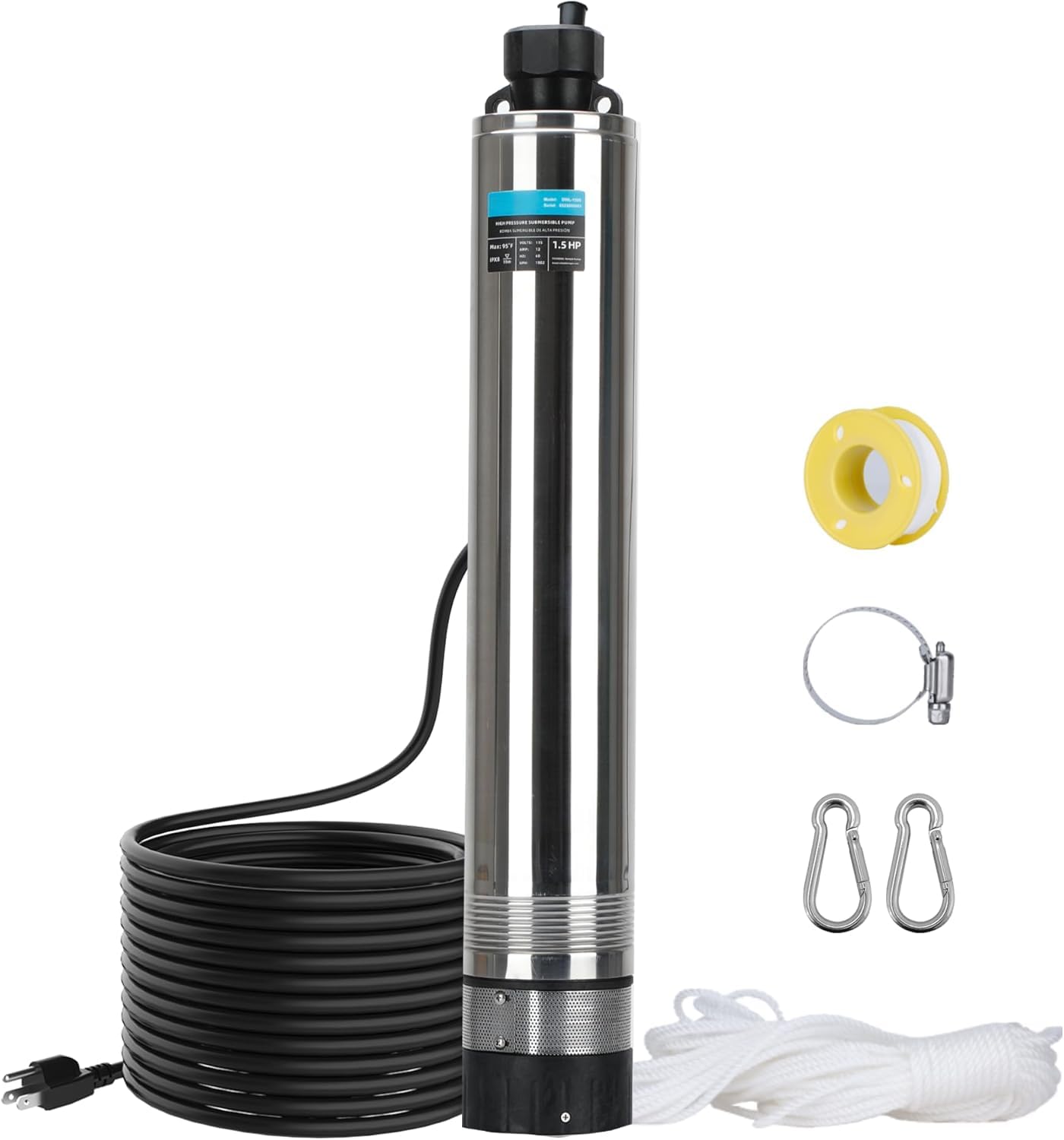
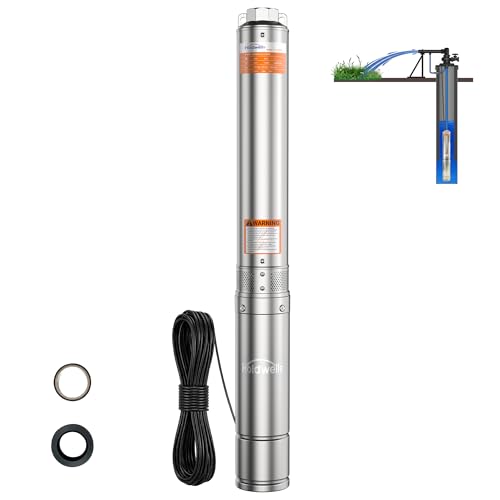
Pump Tiers by Depth and Demand
Use these tiers as a shortlist instead of named products. Each tier reflects a depth and demand level, with typical price ranges and the main limit to accept. Your well depth and water use should place you in a tier before brand or extras enter the discussion.
Balanced Household Pumps
The balanced tier suits most homes drawing household water from a moderate depth borehole. Expect a stainless steel or high grade thermoplastic body, a motor sized for continuous duty, and flow that covers showers, laundry, and kitchen use at the same time. Prices are often about $400 to $900 for the pump alone, before cable, pipe, and controls.
This tier balances efficiency, parts availability, and service life. Its limit is very deep wells or high irrigation demand, where a stronger staged pump is needed. For most single home systems with a professional install, this is the tier to price first.
Budget Shallow Well Pumps
The value tier suits shallow boreholes, cabins, garden irrigation, and backup supply where demand is modest and access for service is easy. Expect simpler controls, fewer stages, and lower flow at depth, often around $200 to $400. Energy use per gallon may be higher, and service life may be shorter under daily heavy use.
The limit is head height. A value pump that looks strong at the surface can deliver very little water from a deep well, so read the performance curve at your depth, not the maximum flow headline. Buy this tier only when your measured depth leaves a clear safety margin.
Complete Kits for First Time Owners
The beginner friendly tier suits first time owners who want a complete kit with pump, control box, and clear instructions from one maker. Expect matched components, plain wiring diagrams, and support that assumes a first install, often about $350 to $700 for the kit. You trade some peak efficiency for fewer compatibility mistakes.
This tier still needs correct sizing and safe electrical work, and many owners should hire a licensed installer for the wiring and lowering. Its value is confidence and support, not permission to skip planning. Keep the manual, curve chart, and warranty papers together for future service calls.
How to Choose the Best Borehole Pumps: Buying Guide
Sizing comes before shopping. Measure or obtain your borehole depth, static water level, and expected drawdown, then estimate peak daily demand. With those numbers, the guide points below turn a long spec sheet into a short, safe shortlist.
Intended Use and Who It's For
Household supply, livestock, irrigation, and construction dewatering place very different loads on a pump. A home needs steady pressure across the day, irrigation needs high volume for set hours, and livestock needs reliability with simple controls. State your main use in one sentence and let it rule out pumps built for other jobs.
Count users, bathrooms, and any irrigation zones to estimate peak flow. Oversizing wastes energy and can cycle the pump too often, while undersizing shows up as weak showers whenever another tap opens. A pressure tank and correct control settings smooth demand, but they cannot rescue a badly sized pump.
Warranty and Customer Support
Because removal takes labor, time, and often a crane or winch, warranty terms matter more here than on most home equipment. Look for clear coverage on the motor and pump end, a stated process for claims, and local service or parts access. Two years of solid coverage is a reasonable baseline for a home system, with longer terms on premium builds.
Register the product, save the install date and depth record, and note the installer contact. Good support also means published performance curves and wiring diagrams you can check before purchase. Vague documentation is a warning sign for a product you cannot easily return once it is underground.
Price vs Value
Budget options often cost about $200 to $400, mid range options about $400 to $900, and premium options about $900 to $1,800 or more for the pump alone. Install, cable, pipe, and controls can add as much again, so judge value on total system cost and expected service life, not pump price alone.
A cheaper pump that fails early can cost more once you pay for pulling and reinstalling it. Energy cost also compounds daily for years. Compare efficiency at your duty point, warranty length, and parts availability alongside price, and the value choice usually becomes clear.
Key Performance Specs
The two core specs are flow rate, usually in gallons per minute, and total dynamic head, the vertical lift plus friction loss the pump must overcome. Read them together on the performance curve at your depth. A sound home choice delivers your peak flow at your head with margin, rather than hitting either number only at its extreme.
Check borehole diameter against pump diameter, motor horsepower and voltage, cable size, and maximum sand tolerance if your water carries sediment. For general pump quality markers that apply across categories, see our guide to best quality pumps and then return to borehole specific curves for the final call.
Safety and Certifications
Water and electricity meet in this system, so safety steps are not optional. Use a licensed electrician for supply wiring, follow local codes for buried cable and well caps, and fit required protection such as a ground fault device where codes call for it. Never handle a live cable or control box with wet hands, and isolate power before any service work.
Choose cable, joints, and fittings rated for submersion and for drinking water where the supply is potable. Keep the wellhead sealed against surface contamination, and test water quality after install or major service. If you feel unsure at any electrical step, stop and hire a qualified professional.
Build Quality and Materials
Stainless steel pump ends resist corrosion in many water conditions, while engineered thermoplastic stages can be lighter and resist certain minerals well. Ask about your local water, because high iron, acidity, or sand can shorten the life of the wrong material. Impeller and diffuser quality decide how long peak flow lasts under daily use.
Motor build matters just as much. Look for a reputable motor maker, clear cooling needs, and built in protection against overheating or dry running where available. A safety rope or cable rated for the full weight, plus a torque arrestor and proper cable guards, protect the install every time the pump starts.
Types of Borehole Pumps
Compact Options
Slim pumps fit narrow boreholes, often around three to four inches in diameter, and suit older wells or tight casings. They make installs possible where a standard pump cannot go, and they are easier to handle for service crews. The trade off is lower maximum flow and fewer stage options, so compact models fit homes and light irrigation better than large demand sites.
Premium Options
Premium pumps use higher grade metals, efficient motors, and electronics that can hold steady pressure and protect against dry running or voltage faults. They suit deep wells, large homes, farms, and sites where a failure is very costly. The trade off is price and a greater need for correct setup, because advanced controls reward careful commissioning and punish guesswork.
Mid Range Options
Mid range pumps cover the broad middle of home and small farm use, with solid materials, proven motors, and flow for typical family demand. They usually offer the best balance of purchase price, energy use, and service life. The trade off is fewer advanced protections, so a good pressure tank, correct sizing, and routine checks carry more of the reliability load.
Setup and Care Tips
- Read the manual before first use, and confirm depth, cable size, and control settings against the performance curve.
- Clean and inspect the wellhead, cap, and visible fittings regularly, and keep the area clear and drained.
- Store spare parts, manuals, and warranty papers in a dry place where a service technician can find them fast.
- Register the product for warranty and record install depth, water level, and installer details on the same page.
- Watch pressure, cycling, and water clarity for changes, because small shifts often warn of wear or sediment.
- Use qualified help for pulling a pump, and never lift by the electrical cable alone.
Borehole Pumps: Your Questions Answered
How much should I spend on a borehole pump?
Most home owners should budget about $400 to $900 for a sound mid range pump, plus install, cable, pipe, and controls. Shallow low demand systems can spend less, while deep or high demand wells need more. Because pulling a failed pump is costly, spending for proven build quality and warranty usually beats saving a small amount upfront.
How long does a borehole pump last?
A correctly sized quality pump often serves about eight to fifteen years, depending on water quality, sand, cycling, and daily demand. Short cycling, dry running, and sediment wear shorten life sharply, while a right sized pressure tank and steady demand extend it. Keep service records, because age plus falling flow is a better replacement guide than age alone.
What features matter most when buying borehole pumps?
Flow at your actual head height matters most, followed by motor quality, borehole fit, and protection against dry running and overheating. Warranty and parts access come next, because service will happen eventually. Extra electronics help only after those basics are right. Judge every feature against your measured depth and peak demand, not against a headline maximum.
Are expensive borehole pumps worth it?
Expensive pumps are worth it for deep wells, high daily demand, corrosive or sandy water, and sites where a water outage is a serious problem. Premium materials and protections can prevent a costly early pull and reinstall. For a shallow cabin well with light seasonal use, a mid range or value pump sized with margin can be the sensible spend.
How do I maintain a borehole pump?
Maintain the system by checking pressure behavior, tank charge, and visible fittings on a regular schedule, and by testing water quality after changes in taste, color, or flow. Keep the wellhead sealed and the electrical enclosures dry and closed. The pump itself sits deep underground, so most owners hire a professional for inspection or service rather than pulling it without cause.
The Bottom Line
Size by depth and demand, verify flow on the curve at your head height, and buy build quality and warranty you can service locally. Those three steps protect both your water supply and your budget. Compare your finalists in the product table, plan a safe professional install, and your best borehole pumps choice will be ready to serve quietly for years.


