
Best Brake Shoes 2026: Drum Brake Buying and Safety Guide
Disclosure: We may earn a commission when you buy through links on this page, at no extra cost to you. As an Amazon Associate I earn from qualifying purchases. Learn more

Understand brake shoes for drum brakes by material, fit, and wear signs so you choose safe replacements and know when to seek professional help.
Choosing best brake shoes is a safety decision first and a purchase second, because brake shoes press against the drum to slow your vehicle, and worn or wrong parts can lengthen stopping distance. This guide explains how drum brake shoes work and how to choose replacements wisely. The comparison table below helps you compare materials, fit, and quality signs.
Start by identifying your vehicle year, make, model, and drum size, since brake shoes are vehicle specific and a close match is not good enough. Also note symptoms: squealing, grinding, a soft pedal, or pulling to one side, since each symptom points to a different problem. If brakes feel unsafe, stop driving and seek professional help rather than shopping first.


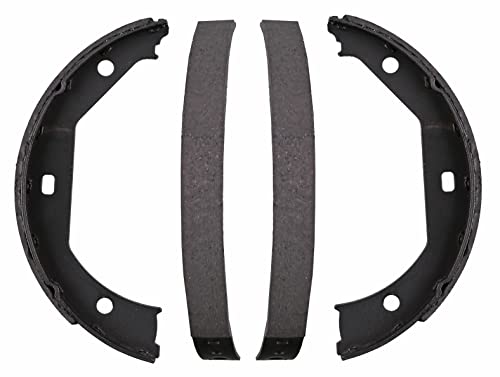
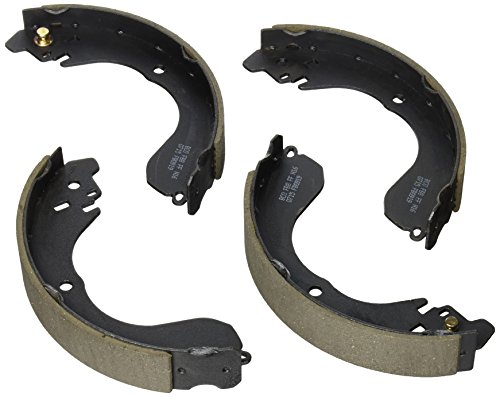
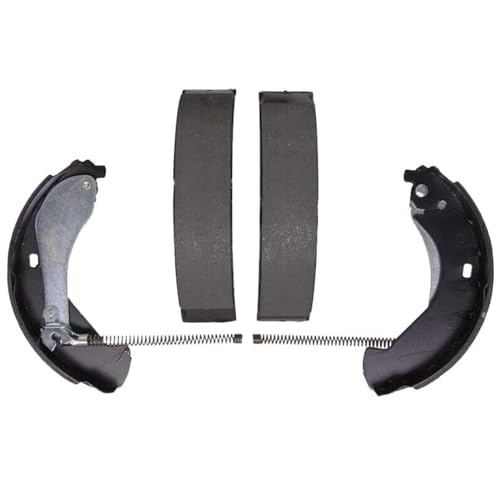
How Drum Brake Shoes Work
Drum brakes use curved shoes lined with friction material that press outward against a rotating drum when you press the pedal. Springs return the shoes when you release the pedal, and an adjuster keeps the gap correct as linings wear. Rear drum brakes are common on many cars and trucks, often paired with front disc brakes.
Friction material determines stopping feel, noise, and wear. Organic linings run quiet and gentle on drums but wear faster, semi metallic linings handle heat well but can be noisier, and ceramic linings balance quiet operation with durability. Choose the material your vehicle maker recommends when possible, since brake balance matters.
Signs Your Brake Shoes Need Attention
Squealing or scraping sounds, a soft or spongy pedal, longer stopping distances, or pulling to one side all signal brake trouble. A grinding noise often means linings have worn through to metal, which damages drums and needs immediate professional attention. Do not ignore brake warning lights or a pedal that sinks toward the floor.
Visual inspection through the drum or during tire service can reveal lining thickness, cracks, and contamination from leaking wheel cylinders. If you see fluid, grease, or uneven wear, the cause needs fixing along with the shoes, or new shoes will wear badly too. Brakes are not a place to guess, so seek a qualified mechanic when unsure.
Fit, Quality, and What Comes in the Kit
Brake shoes must match your exact vehicle and drum diameter, so confirm part numbers against your vehicle before ordering. Quality shoes use even friction material, solid bonding to the shoe, and correct spring and hardware fit. A hardware kit with new springs, clips, and adjusters is worth including, since old springs lose tension and cause uneven wear.
Avoid the cheapest unknown parts for brakes, since friction quality and bonding affect safety directly. A reputable brand with proper certification gives more confidence than an unbranded bargain. Compare kit completeness too, since a kit missing hardware can stall a repair halfway through.
Professional Fitting and Safety Notes
Brake work demands proper tools, torque specs, and safety steps, including secure jacking, wheel chocks, and brake dust precautions. Brake dust should never be blown out with compressed air, since it can harm lungs; proper cleaning methods and protective equipment matter. If you lack experience or tools, professional fitting is the safer and often cheaper choice once mistakes are counted.
After fitting, brakes need a careful bedding period with gentle stops to seat the linings, and a test drive in a safe area before normal driving. Check pedal feel, listen for noise, and return promptly if anything feels wrong. Never drive with a soft pedal, grinding noise, or pulling, since those signs mean the brake system needs immediate attention.
Cost, Drums, and Long Term Care
Brake shoe cost is modest compared with drum replacement, so replace drums when they are scored, cracked, or beyond their wear limit. Machining drums can restore a smooth surface when thickness allows, but thin drums overheat and crack. A mechanic can measure drums and advise whether machining or replacement is right.
Long term brake care means gentle braking habits, prompt attention to noises, and regular inspection during tire or service visits. Avoid riding the brakes on long descents, since heat fades braking power. With timely shoe replacement and drum care, drum brakes serve safely for many miles.
Related Guides to Read Next
If you want to compare nearby options, these related guides can help: best brake shoes for drum brakes, best brake hoses, best brake tools. Each one covers a different angle, so start with the guide that matches your room, your budget, or your next question.
Living With Drum Brakes
Drum brakes reward attentive ownership, since early attention to noises and pedal feel prevents small wear from becoming costly drum damage. Listen during the first stops each day, when cold brakes reveal squeals or grinding that warm brakes may mask. A new noise deserves inspection promptly, not after weeks of hoping it fades.
Driving habits shape drum brake life more than most drivers realize, with gentle, progressive braking reducing heat and wear compared with late, hard stops. On long descents, use engine braking to spare the brakes from overheating, since faded brakes stop poorly and wear rapidly. Smooth driving saves brakes, tires, and fuel together, which is a welcome bonus.
Service visits are the right time for brake inspection, since wheels are already off for tire work and a mechanic can check lining thickness, drum condition, and hardware easily. Ask for a brake check at each service, and keep records of shoe and drum replacements with dates and mileage. That record helps future mechanics and future buyers trust the vehicle history.
Weather and road conditions test brakes differently, with wet roads, salt, and mud accelerating corrosion and wear. After winter, a brake inspection catches salt related issues before they worsen, and after dusty or muddy driving, cleaning prevents grit from scoring drums. Seasonal checks cost little and catch problems early.
Safety should always override cost or convenience when brakes are involved, since stopping distance is the difference between a scare and a crash. If pedal feel changes, noises appear, or stopping distances grow, seek professional help at once rather than driving on hope. Brakes are one system where caution is never wasted.
A Final Check Before You Buy
Confirm the exact part number against your vehicle year, make, model, and drum size, since a close match is not safe enough for brakes. Check that the kit includes fresh hardware, compare friction material with maker recommendations, and inspect drums for scoring or wear limits. When any doubt remains, professional fitting is the wiser choice.
After fitting, bed brakes gently with moderate stops, test in a safe area, and return promptly if pedal feel, noise, or pulling seems wrong. Keep service records with dates and mileage, and inspect brakes at each service visit. Brakes reward caution, and a final check is never wasted.
Frequently Asked Questions
How long do brake shoes last?
Brake shoe life varies with driving style, vehicle weight, and conditions, often lasting tens of thousands of miles in normal use. City driving with frequent stops wears shoes faster than highway driving. Regular inspection during tire service catches wear before it becomes dangerous. Replace shoes when linings reach the maker minimum thickness, not when noise forces the issue.
Can I replace brake shoes myself?
Experienced home mechanics with proper tools, torque specs, and safety steps can replace brake shoes, but the job demands care with springs, adjusters, and brake dust safety. Mistakes affect stopping safety, so beginners should choose professional fitting. If you attempt it, follow a vehicle specific manual exactly and test brakes carefully afterward. When in doubt, hire a professional.
Why do my brakes squeal?
Squealing can come from worn linings, glazed surfaces, dust buildup, or vibration between shoe and drum. Light squealing after rain often clears with a few stops, while persistent squealing needs inspection. Grinding means linings may be worn through and drums may be damaged, which needs immediate attention. Never ignore new brake noises.
Do brake shoes and pads mean the same thing?
No, brake shoes belong to drum brakes and press outward against a drum, while brake pads belong to disc brakes and squeeze a rotor. Many vehicles use pads at the front and shoes at the rear. Parts are not interchangeable, so confirm whether your axle uses drums or discs before ordering. Using the wrong part type is unsafe.
When should drums be replaced?
Replace drums when they are scored deeply, cracked, heat spotted, or worn beyond the maker maximum diameter. Machining can restore smooth drums when enough thickness remains, but thin drums overheat and risk cracking. A mechanic measures drum diameter and condition during shoe replacement and advises whether machining or new drums are needed. Never reuse a cracked drum.
Final Thoughts
The product table above summarizes materials and fit points, but safety should drive every brake decision. Confirm exact fit for your vehicle, choose quality parts, and seek professional help when symptoms or skills raise doubt. With best brake shoes chosen and fitted properly, your drum brakes stop smoothly, quietly, and reliably for miles to come.


