
Best Braisers (2026): Materials, Sizes and Buying Tips
Disclosure: We may earn a commission when you buy through links on this page, at no extra cost to you. As an Amazon Associate I earn from qualifying purchases. Learn more
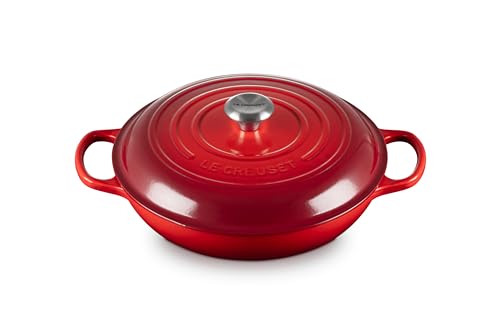
Enameled iron, stainless or ceramic: how to choose the best braiser by size, weight, lid fit and stove compatibility.
Picture a Sunday pot of short ribs that starts on the stove and finishes in the oven, with no spare pan to wash and no crowding at the edges. A braiser is built for that job, with wide cooking space, short sides and a lid that holds in moisture. Finding the best braiser for your home comes down to your kitchen space, how many people you cook for and what you can spend. The comparison table below sums up the main types at a glance.
This guide walks through size, material, lids, safety and budget in plain order, with a focus on daily use, storage and upkeep costs.
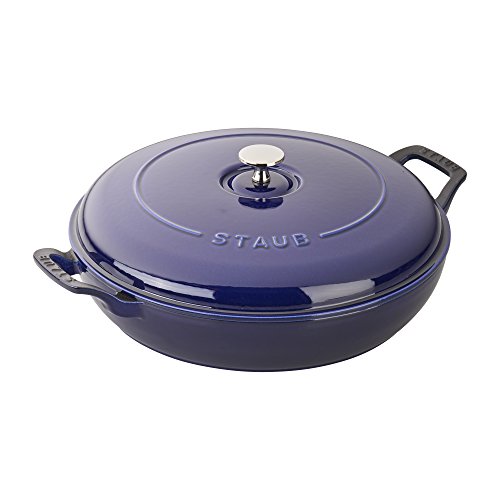
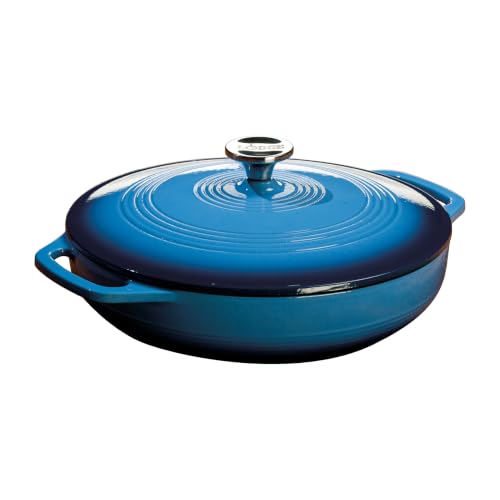

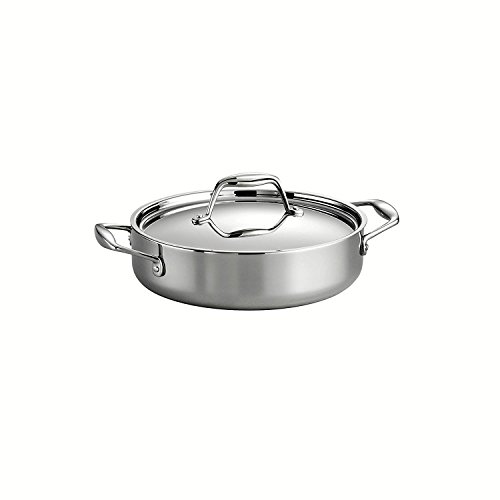


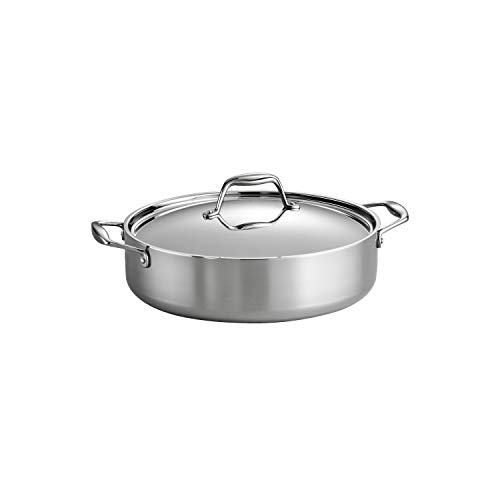
Quick Answer: Braiser Types in 30 Seconds
Three types cover almost every home kitchen. Each one cooks the same dishes, but they differ in weight, care and price.
- Enameled cast iron: steady heat and strong searing, but heavy to lift when full.
- Stainless steel: much lighter and easy to wash, with less heat retention once the burner is off.
- Bare cast iron or ceramic: bare iron suits seasoning fans and very high heat, while ceramic suits gentle oven dishes.
Before You Buy: A Quick Checklist for Choosing a Braiser
Work through the points below in order. Size and fit come first, since a pan that fights your stove or your cabinets will annoy you every week.
Size: Match It to Your Space
A 2.5 quart braiser suits one or two people and small batches of vegetables or chicken thighs. A 3.5 quart size is the most flexible for most homes, holding a family meal without crowding the burner. A 5 quart pan helps when you cook for guests or want leftovers, but it needs a wide burner and real cabinet depth. If you want a fuller breakdown, see our guide on what size braiser do i need before you order.
Measure more than capacity. Check the base diameter against your largest burner, the width including handles against your oven racks and the height with the lid against your shelf space. A pan that fits the oven but not the cabinet ends up living on the stove.
Which Type Fits Your Routine
Enameled cast iron is the classic choice for slow braises, stews and bread, since the heavy base spreads heat evenly and the enamel needs no seasoning. Our guide to the best enameled cast iron braiser explains how enamel quality and lid fit vary across price levels.
Bare cast iron costs less and tolerates metal tools and very high heat, but you must dry it well and keep up the seasoning. It suits cooks who already enjoy cast iron skillets and want the same habits in a lidded pan. The best cast iron braiser guide covers seasoning care and rust prevention in more depth.
Stainless steel is the light option for cooks who move a full pan often or cook acidic sauces like tomato based dishes most days. It will not chip and it heats fast. See the best stainless steel braiser guide for notes on layered bases and warp resistance.
Ceramic braisers work well for gentle oven cooking, but they dislike sudden temperature swings and hard knocks, so choose ceramic only if you can store the pan unstacked.
Features Worth Paying For and Features to Skip
Pay for a lid that seals well, since a loose lid lets steam escape and leaves braising liquid too low by the end of cooking. Wide loop handles are worth it too, because you will grip them with thick oven mitts while the pan is at its heaviest. A flat, thick base matters more than decorative finishes, and a metal lid knob matters if you plan to use high oven heat often.
Glass lids let you watch food without lifting the lid, but many carry a lower oven limit than the pan itself. Skip bundled extras you will not use, such as trivets and matching utensils, and skip extra coatings with unclear care rules.
Is a Braiser Non Toxic?
Braisers in enamel, stainless steel and bare cast iron have no applied nonstick coating, so there is no PFAS or PTFE layer to worry about in normal use. Enamel is a glass based finish fused to iron, and bare iron is protected by seasoning built from cooking oil. Some ceramic and coated pans use finishes that can wear over time, so read the maker notes on what the coating contains. If a listing will not state its materials clearly, choose a simpler pan.
Induction, Gas and Glass Top Compatibility
Induction burners need a magnetic base, and cast iron and many layered stainless pans qualify, while pure ceramic does not. Gas burners forgive a slightly uneven base, but a flat base still gives steadier contact and fewer hot spots. On a glass top stove, weight is the real limit, so check your stove maker guidance before choosing the heaviest iron pan. Lift a braiser instead of dragging it, since dragging can mark the glass surface.
Oven Safe Temperature and Handles
Judge oven safety by the weakest part, which is often the lid knob or a glass lid rather than the pan body. Makers state a limit for the whole piece, and that limit is the one to follow even if the iron could take more heat. Phenolic knobs carry lower limits, while metal knobs and plain stainless lids usually allow higher settings. Handles formed as part of the pan body are the most durable choice, since there are no screws to loosen.
Realistic Budget Ranges
For under $50, expect simple bare cast iron or basic stainless pans with thinner bases and plain lids. Spending about $50 to $100 buys better base thickness, smoother enamel on entry level iron and handles that feel safer with mitts. At about $100 to $200, enamel finish, lid seal and warranty terms improve in ways you notice weekly. At about $200 to $300, demand excellent fit and finish, clear care guidance and replacement part access.
Types Compared for Different Homes
Compare the three builds below against your routine. The right build in the right size will outperform a costly pan that fights your kitchen.
Enameled Cast Iron for Most Homes
This build gives the steadiest simmer, the strongest sear and the easiest path from stove to oven to table. It suits families who cook braises and one pot meals several times a month and can store one heavy pan at waist height. Readers torn between the two best known enamel names can see le creuset vs staub braiser for a direct comparison of lid design and pricing tiers.
Stainless Steel for Light Weight and Easy Care
A layered stainless braiser is far easier to lift, pour from and wash, which matters if wrist strength or a high oven shelf is part of your daily reality. It suits cooks who value speed over long heat retention. Add a little extra liquid for very long cooks, since lighter lids can let slightly more steam escape than heavy iron lids.
Bare Cast Iron and Ceramic for Special Routines
Bare iron suits cooks who sear hard, cook over open flame and enjoy maintaining seasoning as part of the hobby. Ceramic suits gentle bakers and hosts who prize table presentation for gratins and vegetable braises. Both builds ask for habits the other types do not, so choose them for a routine you already have rather than one you hope to start.
How This Guide Compares Braisers
We compare published maker specifications and care guidance across five points: heat distribution, durability, material safety, stove and oven compatibility and cleaning effort. We also weigh verified buyer feedback patterns, such as repeated notes about lid fit and enamel wear. When makers disagree on a limit, we report the lower and safer figure.
Quick Guide by Household and Space
- Small apartment: pick the size you can store in a cabinet with the lid on, since a pan stored in the oven gets moved and dropped more often.
- Couple cooking nightly: favor the lighter build if the pan will be lifted full daily, because comfort decides whether it gets used.
- Family with kids: choose secure handles and a lid knob, plus a finish that hides marks from frequent washing.
- Frequent host: a pan that looks right on the table saves a serving dish and keeps food warm through a long meal.
- Induction owner: test pans you already own with a kitchen magnet on the base, and expect the same flat base rule for your new braiser.
Common Mistakes to Avoid
- Buying by quart size alone, which ignores burner width and leads to weak searing at the edges of the pan.
- Choosing the heaviest pan for a glass top stove without checking the stove maker weight guidance first.
- Paying for a glass lid and then using it above its stated oven limit, which can crack the glass.
- Storing an enamel pan under a stack of heavier cookware, which chips the rim where the lid meets the base.
- Skipping the manual on coatings and cleaners, which can void support if the finish fails early.
Cost of Ownership and Care
Running costs are low, since a braiser uses your existing stove and oven and needs no filters or replacement parts in normal use. Budget instead for small items over the years: a replacement lid knob, wooden or silicone tools for enamel and a cloth layer between stacked pans. Bare iron needs oil and drying time after washing, while enamel and stainless mainly need protection from hard impacts. Store the lid slightly ajar if your kitchen is humid, which helps moisture clear between uses.
Your Questions, Answered
How do you clean a braiser?
Let the pan cool until it is warm rather than hot, then wash it with warm water, mild soap and a soft sponge. Cooling first matters because cold water on a very hot pan can stress enamel and warp thin bases. Soak stuck bits for twenty minutes instead of scrubbing hard, and dry bare iron on low heat for a minute.
Is a braiser worth it if you already own a Dutch oven?
Yes, if you often sear wide pieces of meat or cook dishes that benefit from faster evaporation and easier access with tongs. The shallow sides expose more surface to heat, so sauces reduce quicker and food is simpler to turn. If your cooking is mostly deep stews and soups, the Dutch oven already covers that ground. Buy the braiser for the shallow shape, not as a second tall pot.
How long does a braiser last?
A cast iron or stainless braiser can serve for decades, while enamel and ceramic finishes usually set the real lifespan of coated styles. Lids, knobs and enamel edges show wear first, so inspect them each year for chips or cracks. Replace a pan when the base warps enough to spin on the stove or the coating flakes into food.
What makes a braiser reliable over many years?
Reliability comes from a thick base that resists warping, a lid that still seals after years of heat cycles and handles formed as part of the pan body. Simple materials age better than layered finishes, since there is less to peel or chip. Check any pan by setting the lid on and looking for gaps of light at the rim. Even contact all around points to a pan that will braise evenly for years.
What is the best braiser for a home kitchen?
For most homes it is a 3.5 quart enameled cast iron or layered stainless pan with wide loop handles and a tight fitting lid. The deciding test is personal: grip the handles while wearing your thickest oven mitts and lift the empty pan to shelf height. If that motion feels secure, the size, weight and shape will work in your kitchen. If it feels strained while empty, choose the lighter build before you buy.
Final Thoughts
Start with your space and your routine, then pick the build that matches both, and let price refine the choice rather than drive it. The product table above gathers the key specs side by side so you can confirm size, material and oven limits in one pass. Choose the best braiser for the meals you cook each week, and it will earn its shelf space for years. Prices and availability can change, so check the product page before ordering.


