Best Bracelet Men Watches: What Actually Matters Before You Buy for 2026
Disclosure: We may earn a commission when you buy through links on this page, at no extra cost to you. As an Amazon Associate I earn from qualifying purchases. Learn more

Choose the best bracelet men watches with a clear checklist on case size, movement, water resistance, bracelet fit and long term value for daily wear.
A metal bracelet changes how a watch looks, feels, and wears through a long day, so it deserves more attention than the dial alone. This checklist helps you judge case size, movement, water resistance, and bracelet quality before you spend. The best bracelet men watches balance wrist comfort with durability, and they suit the way you actually dress and work.
Start with the comparison table below, then score each candidate against the criteria that follow. A watch that looks sharp in photos but pinches, rattles, or feels top heavy will spend its life in a drawer, no matter how good the deal seemed.


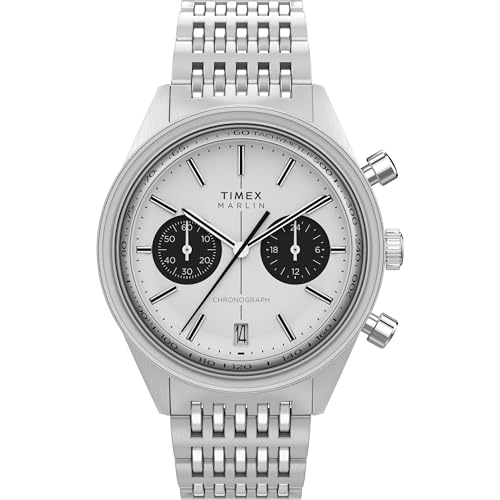
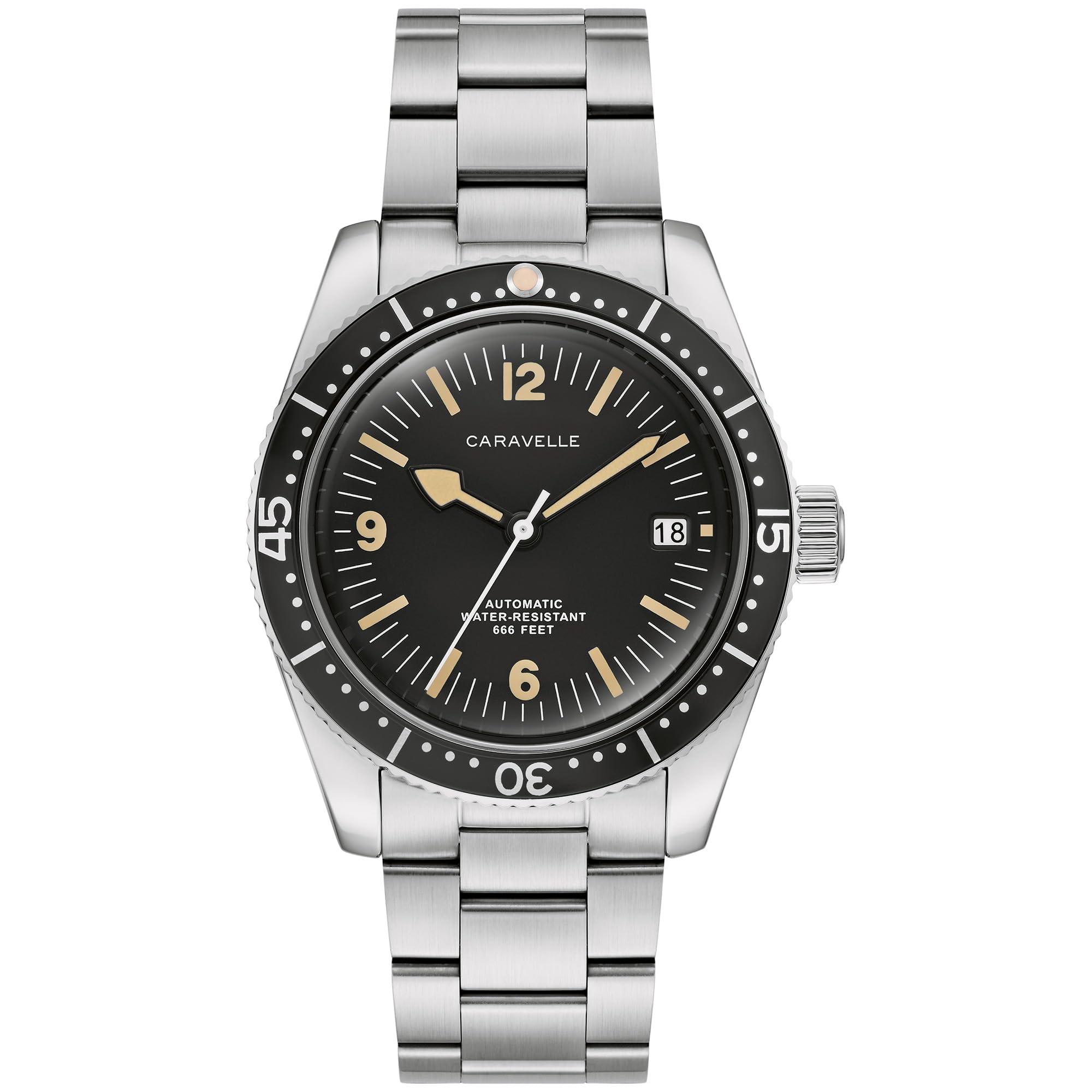


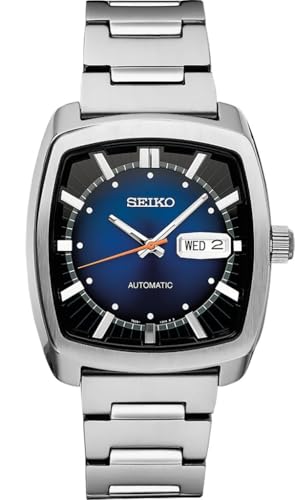


How We Evaluate Bracelet Watches
What Men Should Look For
Men should start with wrist fit and daily routine. Measure your wrist, note whether you type all day, work with tools, or dress formally, and let that guide case size and bracelet style. A bracelet should sit flat, flex smoothly at each link, and balance the case so the watch stays centered. Weight matters over hours, not minutes, so a slightly lighter bracelet often wins for office wear. If your wrist size changes with heat, look for easy adjustment options such as extra links or a clasp with fine adjustment positions.
Movement Type (Quartz, Automatic, Solar, Smart)
Quartz movements are accurate, affordable, and low effort, needing only a battery change every few years. Automatic movements run on wrist motion and appeal if you enjoy mechanical craft, but they need regular wear and service every 5 to 7 years. Solar movements charge from light and reduce battery worries. Smart models add notifications and fitness tracking but need frequent charging and software support. Choose based on habits: if you rotate watches often, quartz or solar stays ready, while an automatic may stop between wears and need resetting.
Water Resistance Rating
Ratings are measured in still water, so real world use needs a margin. A 30m rating means splash protection only, fine for rain and hand washing but not swimming. At 100m, swimming and showering are generally fine. At 200m, you get a rating suited to recreational diving and rough water use. Check that crowns push or screw down as directed, and remember that seals age. If you swim often, have seals checked periodically, because a high rating with worn gaskets will not protect the movement when you need it most.
Legibility and Style
You should read the time at a glance in bright light and in dim rooms. Look for strong contrast between hands and dial, clear markers, and lume that glows after light exposure on hands and key markers. Style should match your wardrobe: polished center links read dressier, brushed finishes hide scratches and suit casual wear, and darker dials often feel sportier. Sapphire crystal resists scratches best, while mineral glass costs less. A watch that suits both a shirt and a weekend jacket will get far more wrist time than a narrow style piece.
Strap and Bracelet Options
The bracelet itself is the focus here, so inspect link construction. Solid links feel sturdier and rattle less than folded links, and a milled clasp usually feels more secure than a thin pressed clasp. Quick release spring bars make it easy to swap to leather, NATO, or silicone straps for a different look or for exercise. Check lug width so replacement straps are easy to find. Taper also matters: a bracelet that narrows toward the clasp often feels more comfortable and looks more refined than one that stays the same width throughout.
Brand Reputation, Warranty, and Value
Reputation matters most for service and parts years later. Established makers tend to offer clearer warranties, commonly 2 to 5 years, and better access to links, gaskets, and movement service in the United States. Value is not only resale, though some brands do hold value better. It is also cost of ownership, including battery changes, automatic service, and bracelet refinishing. For context on styling across brands, see our guide to the best bracelet watches before you commit to one direction.
Price Tiers That Pass Our Checklist
Best Overall Tier
The best overall tier, often around $250 to $600, usually combines sapphire crystal, solid link bracelets, milled clasps, and at least 100m water resistance. Movements at this level are reliable quartz, solar, or well regulated automatics with decent power reserve. This tier suits a buyer who wants one watch for work, travel, and weekends without babying it. Finishing is noticeably cleaner, with even brushing and polished edges that feel smooth on skin. If you will wear one watch daily for years, this is the tier where extra spending most clearly improves daily comfort.
Best Value Tier
Value options around $100 to $250 can still pass the checklist if you prioritize fundamentals. Expect mineral glass or basic sapphire on some models, quartz accuracy, and bracelets that may use folded end links but still fit securely. Focus your money on correct case size, a comfortable clasp, and at least splash to swim level resistance for your needs. Skip decorative extras that add cost without improving wear. Shoppers comparing looks across budgets may also find our guide to the best good looking watches for men useful for proportion ideas.
Best for Heavy Use Tier
For heavy use, choose brushed stainless steel or titanium, 200m resistance, and a bracelet built to shrug off knocks. Titanium feels lighter during long shifts, while steel hides wear with simple refinishing. A tool free fine adjustment clasp helps when wrists swell outdoors or during work. Avoid polished finishes that show every mark, and avoid delicate dress proportions. This tier costs more upfront, around $400 and up, but it spreads that cost over years of hard wear with fewer repairs and less worry about water or impacts.
Quick Buyer Checklist
- Does the case diameter suit your wrist without the lugs hanging over the edges?
- Does the bracelet flex smoothly and balance the case through a full day?
- Can you adjust the fit with links or clasp positions for warm and cool days?
- Does the water resistance rating match your swimming, showering, or work exposure?
- Is the crystal material clear for the price, ideally sapphire at higher tiers?
- Does the movement type match how often you will wear and maintain the watch?
- Are warranty length, service access, and replacement links clearly stated?
Red Flags to Watch For
- Vague water claims. Words like water resistant with no meter rating tell you almost nothing about safe use.
- Rattly bracelets with no detail. If link and clasp construction are not described, expect folded parts and loose tolerances.
- No lug width or case dimensions. Missing measurements make strap swaps and fit judgments guesswork.
- Very short warranty. A warranty under a year on a mid priced watch signals low confidence from the maker.
- Unrealistic feature lists. Long lists of smart functions at a tiny price often mean weak software support and short battery life.
Care and Maintenance Tips
Service automatic watches every 5 to 7 years, or sooner if timekeeping drifts or water exposure is frequent. Rinse the bracelet after saltwater exposure with fresh water and dry it fully, since salt and grit wear link pins. Store the watch away from magnets, which can affect mechanical accuracy, and keep it out of prolonged direct heat. Clean the bracelet with a soft brush and mild soap to remove sweat and sunscreen from between links. Those simple habits keep the clasp smooth and the finish even. For brand background, see our guide to the best men watches company options and service networks.
FAQs
What makes bracelet watches for men different?
Bracelet watches for men typically use larger cases, wider bracelets, and heavier link construction scaled for larger wrists. The difference is mostly proportion and weight, not a separate technology. A well chosen size matters more than the label, so a smaller wrist may suit a modest case even within men's lines. Check lug to lug length closely, because that measurement decides whether the watch sits flat or overhangs and feels unstable.
How water resistant should a watch be?
For daily wear with rain and hand washing, 30m to 50m is enough. Choose 100m if you swim or shower with your watch, and 200m for diving or rough water sports. Remember that you should not press buttons underwater unless the maker says it is safe. Seals also need periodic checks, so an older watch may not deliver its original rating without service, even if the dial still prints a high number.
How long does a watch battery last?
Most quartz batteries last about 2 to 3 years, though power saving features and solar charging can extend working life much longer. A seconds hand that jumps in intervals often signals a low battery. Replace batteries promptly, because a depleted cell can leak and damage the movement. Use a reputable watch shop that can also check seals after opening the case, especially if your watch carries a swimming level rating you rely on.
What case size fits my wrist?
Many wrists suit cases from 38mm to 42mm, with lug to lug length under about 50mm for comfort. Slim wrists often look and feel better at 36mm to 40mm, while larger wrists can carry 42mm to 44mm. Thickness matters too: a slim case slides under cuffs, while a thick case suits casual wear. If possible, try similar sizes in person and check that the bracelet drapes naturally rather than standing away from your wrist in stiff angles.
Quartz or automatic: which is better?
Quartz is better for accuracy, lower cost, and grab and go convenience. Automatic is better if you value mechanical craft and will wear the watch regularly enough to keep it running. Accuracy differs clearly: quartz may gain or lose seconds per month, while automatics vary by seconds per day. Neither is wrong. Match the movement to your routine and service budget, and you will be happier than choosing by prestige or by price alone.
Our Verdict
Prioritize wrist fit, bracelet construction, and a water rating that matches your real life, then choose the movement you will enjoy maintaining. The product table above gives a quick comparison, but your checklist should make the final call. For daily versatility and lasting comfort, the right best bracelet men watches choice feels balanced from morning to night and needs no fiddling to stay centered and readable.