
Best Bracelet Watches Buying Guide for 2026
Disclosure: We may earn a commission when you buy through links on this page, at no extra cost to you. As an Amazon Associate I earn from qualifying purchases. Learn more

Learn how bracelet design, clasp security, sizing, and metal finish affect comfort and long term wear for bracelet watches for everyday use.
A bracelet watch lives or dies by its metal band, so the links, clasp, and sizing deserve as much attention as the dial. The best bracelet watches feel secure and balanced on the wrist from morning to night, look polished with work clothes and weekend outfits, and age well with everyday wear. This guide explains the bracelet styles, the features that decide comfort, and the habits that keep a metal band looking good.
The product table below gives a quick overview of current options. Use it as a shortlist, then check each watch against the points that follow.


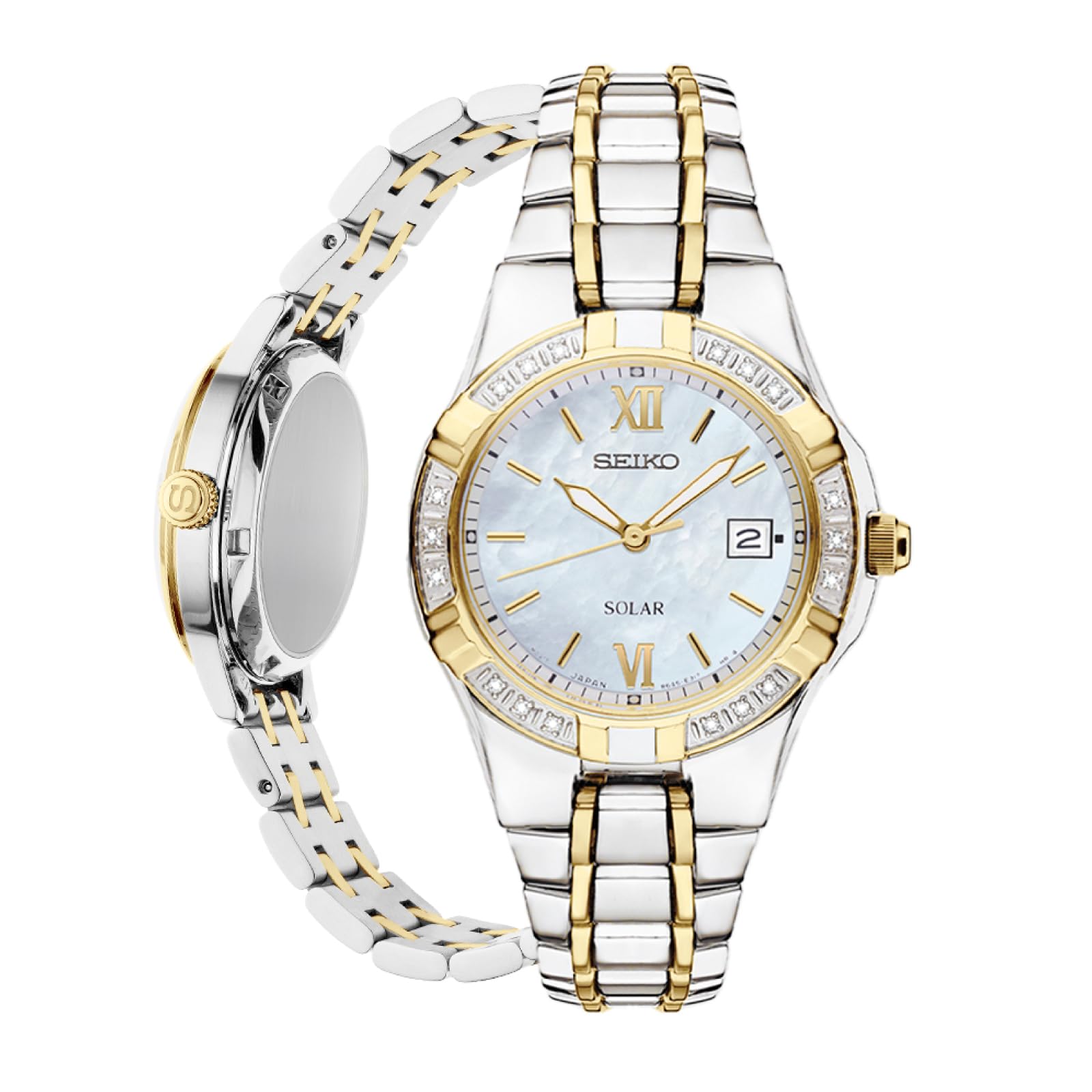


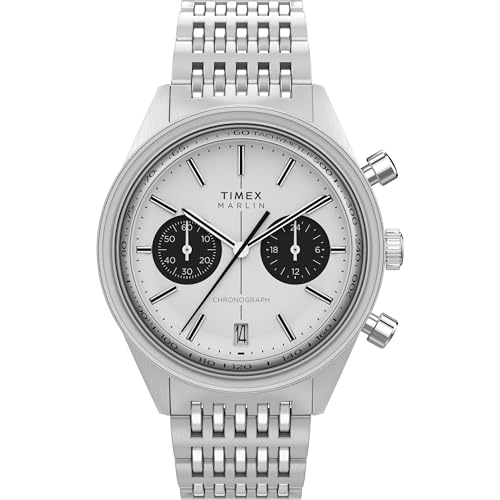
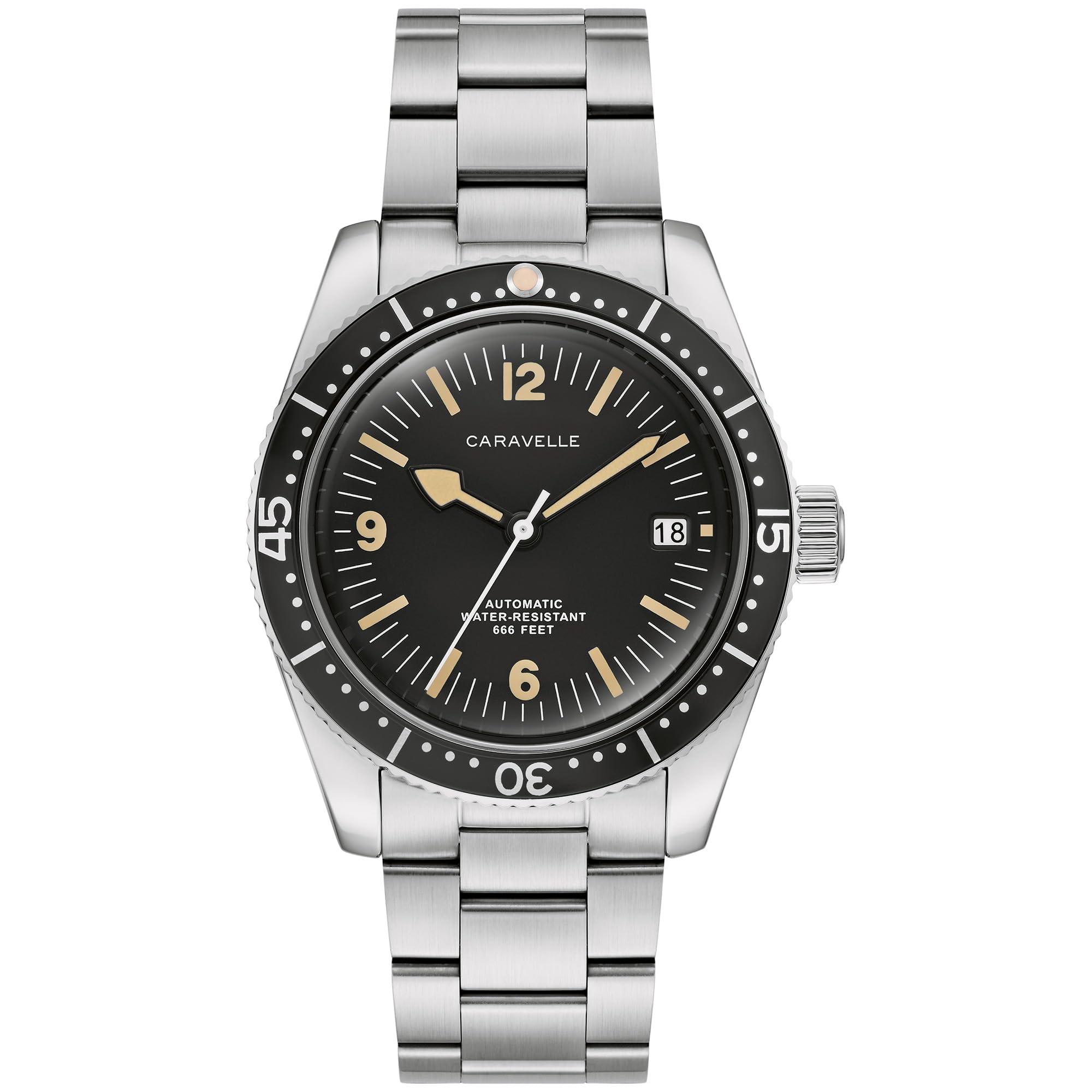


Bracelet Styles Compared
Bracelet style changes both the look and the comfort of a watch, so it helps to know the main designs before you shop.
Oyster Style
Oyster style bracelets use three wide rows of links. They look sturdy and sporty, wear well every day, and suit most casual and business outfits. The flat, solid feel makes them a safe first choice.
Jubilee Style
Jubilee style bracelets use five narrower links per row. They flex more, drape softly, and read as dressier, which suits office wear and smaller wrists. The smaller links can catch hair if they are poorly finished.
Mesh Style
Mesh bracelets are woven metal bands that slide to adjust almost any size, breathe well, and feel light. They suit slim cases and a minimalist look, though cheaper meshes can kink or snag clothing.
Integrated Style
Integrated bracelets flow straight out of the case with no visible lugs. The look is sleek and modern, but replacement straps are limited, so check how the bracelet can be sized before you buy.
| Style | Look | Best For |
|---|---|---|
| Oyster | Sturdy, sporty | Everyday and casual wear |
| Jubilee | Dressy, flexible | Office and smaller wrists |
| Mesh | Light, minimal | Slim cases, fine adjustment |
| Integrated | Sleek, modern | Fashion and dress looks |
What to Check on Any Bracelet Watch
Link Construction
Solid links feel substantial and rattle less than hollow or folded ones. Run a finger along the underside in photos and reviews for sharp edges, and look for smooth movement at each link so the band does not pinch wrist hair.
Clasp Security and Adjustment
A good clasp closes with a firm click and stays shut when you knock it. Fine adjustment holes or a sliding clasp help when your wrist swells in warm weather. A thin pressed clasp is a common weak point on very cheap watches.
Sizing
Most metal bracelets are sized by removing links with a small pin tool, or by a jeweler for a small fee. Keep spare links in the box. Count how many links can be removed before the clasp sits awkwardly, and check that the bracelet is long enough for your wrist to begin with.
Finish and Scratch Resistance
Brushed steel hides daily scratches, while polished steel looks formal but shows marks fast. Gold tone and plated finishes can wear at the edges over time, so solid steel or titanium suits long term wear better. Match the metal color to the jewelry you wear most.
Weight and Balance
A heavy bracelet on a light case, or the reverse, makes the watch slide around. Titanium and thinner cases keep weight down for long days. A watch that sits centered and does not tug on the wrist is far easier to wear every day.
Movement, Water Resistance, and Size
Quartz movements are accurate, affordable, and need only a battery change every few years. Solar watches charge from light and skip battery swaps. Automatic watches run on wrist motion, appeal to people who like mechanical craft, and need servicing every five to seven years.
Water resistance is rated in still water. A 30 m rating covers splashes and rain, 100 m covers swimming and showering, and 200 m suits water sports. Seals age, so have an older watch checked before you swim with it.
For size, most wrists suit a case of about 36 to 42 mm, and slim wrists often look better in a smaller case. Check the lug to lug length as well as the diameter, since a watch that overhangs the wrist edges feels unstable.
Which Buyer Should Choose What
Daily office wearers do well with a brushed steel Oyster or Jubilee style in a mid size case, because it handles desk work and still looks smart in a meeting. People who dress formally often prefer a slim case with a Jubilee or mesh band that slides under a shirt cuff.
Active buyers should favor 100 m water resistance, a clasp with an extra safety lock, and a bracelet that can be swapped for silicone. Gift shoppers are safest with a classic dial, a neutral steel finish, and a bracelet with removable links, since the recipient can size it at home. Whoever you are buying for, a clear dial and a secure clasp matter more than extra features.
Budget Guide
Around $50 to $150 buys a reliable quartz bracelet watch with a stainless steel case and a decent clasp. Around $150 to $400 adds sapphire crystal options, better finishing, and stronger water resistance. Above that you pay for automatic movements, finer links, and premium materials. A well chosen watch at a modest price will be worn far more than a costly one that does not fit your wrist or wardrobe.
Care and Maintenance
- Rinse the bracelet with fresh water after saltwater exposure and dry it fully.
- Clean between links with a soft brush and mild soap to remove sweat and sunscreen.
- Keep the watch away from strong magnets and long periods of direct heat.
- Service an automatic watch every five to seven years.
- Keep spare links and the manual together so future sizing is simple.
Related Guides
For nearby options, see our guides to best integrated bracelet watches, best jubilee bracelet watches, best mesh bracelet watches, and best men's bracelet watches.
Frequently Asked Questions
Are bracelet watches comfortable all day?
Yes, when the bracelet is sized correctly and the links are smooth. A well fitted band spreads the weight and does not pinch. If it feels heavy, a lighter titanium or mesh style can help.
Can the bracelet size be adjusted?
Most metal bracelets let you remove links or move the clasp. Integrated designs may offer fewer options, so check the sizing method in the listing before you order.
Do metal bracelets scratch easily?
Polished links show scratches more than brushed ones. Brushed steel is the practical choice for daily wear, and a light cleaning keeps it looking even.
Are bracelet watches suitable for sport?
Sturdy steel bracelets handle light activity well. For heavy sweat, swimming laps, or rough sport, a silicone strap is usually more comfortable, and many watches let you swap straps.
How do I clean a metal bracelet?
Use mild soap, warm water, and a soft brush between the links, then dry the bracelet fully. Do this every few weeks if you wear the watch daily.
Final Thoughts
Choose the bracelet style that suits your wrist and wardrobe, check the links and clasp, then settle the movement and water resistance for your routine. Revisit the product table above with those points in mind, and you will find the best bracelet watches for everyday wear without paying for features you will not use.


