Best Boxing Shoes for Flat Feet: A Practical Guide for 2026
Disclosure: We may earn a commission when you buy through links on this page, at no extra cost to you. As an Amazon Associate I earn from qualifying purchases. Learn more

A fit guide to the best boxing shoes for flat feet: heel hold, insole room, ankle height and pivot grip.
Flat feet change how a boxing shoe feels, because a low arch tends to roll inward during pivots and lateral steps. This guide to the best boxing shoes for flat feet explains which features help with comfort and stability, how to check fit, and how to look after your feet during training. It covers fit and comfort only, and it does not replace advice from a clinician.
Boxing shoes are light, thin soled and built for footwork, so the usual advice for cushioned running shoes does not carry over. The goal is a stable, close fitting shoe that holds the midfoot and heel without squeezing the arch.




What the Best Boxing Shoes for Flat Feet Have in Common
A Stable Midfoot and Heel
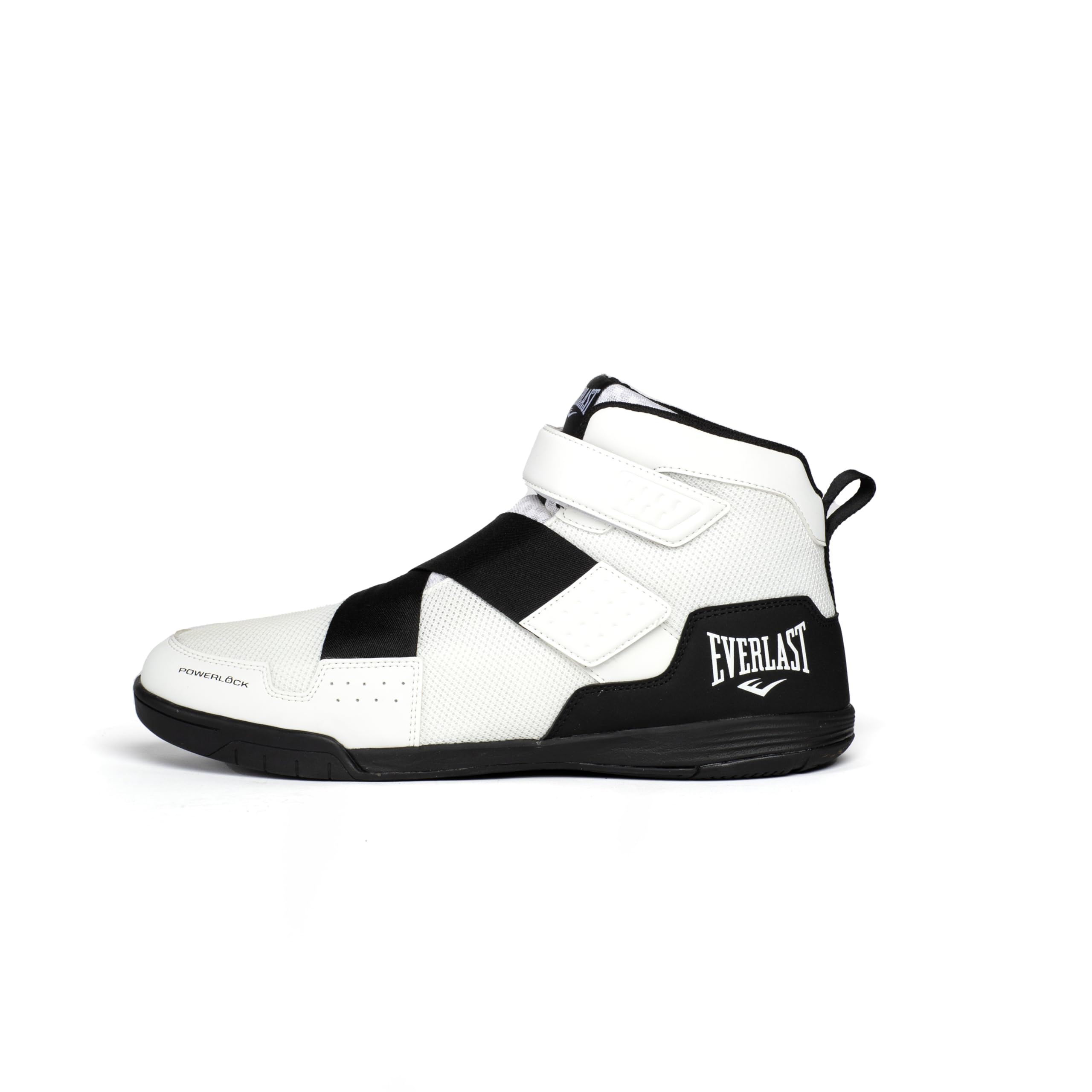
With a low arch, the foot can collapse inward when you push off. A firm heel counter and a secure lacing system keep the foot aligned. Look for shoes that lock the heel in place and let you tighten the midfoot separately from the toes.
Room for an Insole
Many people with flat feet wear an insole or orthotic. If you do, check that the boxing shoe has a removable insole and enough volume to take yours without crowding the toes. Bring the insole to a fitting, or try the shoe with it at home during the return window.
Ankle Height
Mid and high tops wrap the ankle and can feel more secure when your arch gives little support. Low tops are lighter and freer, but they give less help during quick direction changes. Choose the height based on how steady you feel during pivots, not on appearance.
Sole Grip and Pivot
A thin, flat sole with a smooth pivot point under the ball of the foot lets you turn without sticking. Thick, heavily lugged soles can catch and twist the knee. Shoes with a very flat sole offer little arch contour of their own, so any support comes from the insole and the way the upper holds the foot.
How to Fit Boxing Shoes With Flat Feet
Try shoes on in the evening, when feet are at their largest, and wear the socks and wraps you train in. The heel should stay seated when you rise on your toes, the toes should spread without pressing the sides, and the midfoot should feel held, not pinched. Walk, pivot and shuffle for a few minutes, because a shoe that feels fine standing still can feel different in motion.
Avoid tightening the laces hard to force a feeling of support. Pressure across the top of the foot can cause numbness and blisters without making the shoe any more stable. If a shoe only feels secure when laced very tight, try another size or shape.
Sizing differs between makers, so trust the checks above more than the number on the box. If you sit between sizes, the larger one with a firm lacing system is usually more comfortable than a tight pair, as long as the heel does not lift. Keep the packaging and receipt until you have trained in the shoes for a few sessions, because comfort problems often appear only after the feet warm up and swell. Buying from a seller with a clear return policy makes that test risk free.
Low, Mid and High Cut Compared
Low cut shoes feel closest to a training shoe and suit fast movers with steady ankles. Mid cut shoes cover the ankle bone and balance freedom with guidance, which suits most people. High cut shoes give the most structure and suit heavy training days, though they take longer to lace and feel warmer. Prices overlap across all three heights, with many pairs between about $50 and $150, so height should be a fit decision rather than a budget one.
For a wider look at boots in this category, see our guide to the best boxing boots.
Training Habits That Help
Warm up your feet and ankles before hard footwork, and build up new drills gradually. Short sessions in new shoes let the upper soften and let you adjust the laces as your feet warm up. Rotate two pairs if you train most days, so each pair dries fully between sessions.
Keep the shoes for the gym only. Street grit wears the thin sole smooth and ruins the grip you need on canvas. Brush the soles clean, air the shoes after each session and replace them when the sole is shiny, the heel collar is loose or the upper tears.
When to Talk to a Professional
If you feel sharp pain, swelling, numbness, or pain that gets worse during training, stop and rest. Talk with a clinician or podiatrist before you train again. Shoes can improve comfort and fit, but they do not treat a foot condition, so use this guide for fit only and seek professional advice for persistent symptoms.
For everyday footwear that suits flat feet, our guides to the best shoes for flat feet and the best gym shoes for flat feet cover cushioning and support in more depth.
Common Mistakes to Avoid
- Choosing a shoe for its looks and skipping the pivot test.
- Over tightening laces in the hope of getting arch support.
- Buying a shoe too small to fit an insole.
- Wearing boxing shoes for running or road work.
- Keeping worn shoes after the grip has gone.
Frequently Asked Questions
Do boxing shoes have arch support?
Most boxing shoes have little built in arch support, because they are thin and light by design. Support usually comes from the insole you add and from how the upper holds the foot. Look for a removable insole so you can use your own.
Can I wear orthotics in boxing shoes?
Often yes, if the insole is removable and the shoe has enough volume. Try the shoe with the orthotic in place and check that the heel stays seated and the toes have room. If it does not fit, try a different last or a half size larger.
Are high tops better for flat feet?
High tops give more ankle coverage, which many people find reassuring, but height does not by itself fix a low arch. A firm heel counter and a good lacing system matter as much as the cut. Choose the height that feels stable for your footwork.
How should boxing shoes fit?
They should be snug at the heel and midfoot with a little room for the toes. Try them with your usual socks and wraps, and practice pivots before you commit. Persistent heel slip or pinching after a few sessions means the size or shape is wrong.
Can I run in boxing shoes?
No. The thin sole offers little cushioning and wears quickly on pavement. Keep separate running shoes for road work and use boxing shoes only for ring training, bag work and gym floors.
Final Thoughts
Look for a secure heel, room for an insole, a smooth pivot sole and an ankle height that feels steady. With those four points settled, the best boxing shoes for flat feet become a matter of fit rather than guesswork. Try shoes with your wraps and socks, give them a few sessions to settle, and see a professional if pain persists.