Best Boxing Shoes for Wide Feet 2026: Fit One to Your Use
Disclosure: We may earn a commission when you buy through links on this page, at no extra cost to you. As an Amazon Associate I earn from qualifying purchases. Learn more
Learn how to choose boxing shoes for wide feet by width fit, ankle support, sole grip, and weight, with guidance for training, sparring, and foot comfort.
Boxing shoes are meant to feel light and close fitting, which can make best boxing shoes for wide feet a difficult search if standard widths pinch or squeeze. This guide helps you find a pair that supports movement without painful pressure.
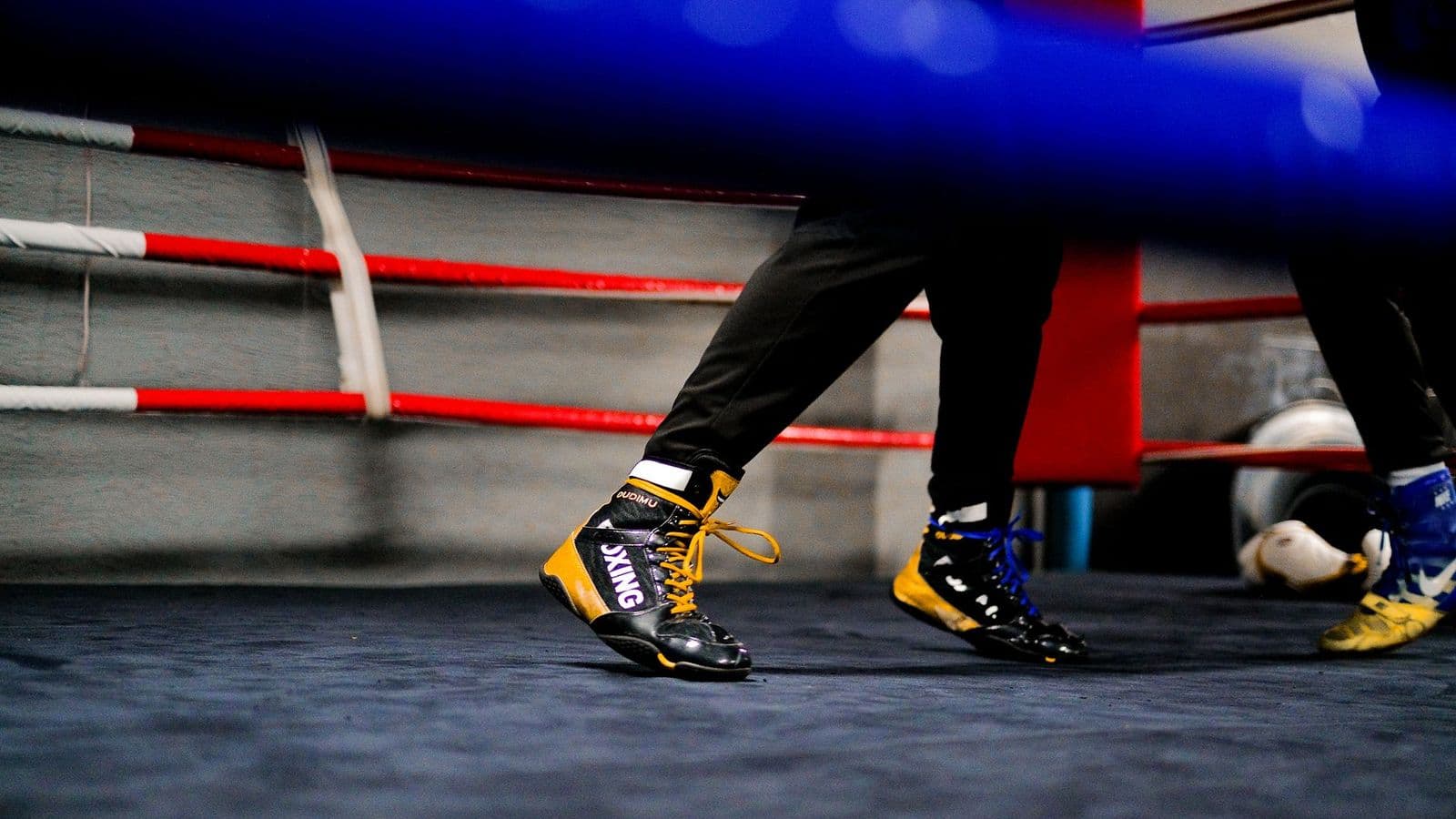
A boxing shoe is a lightweight, high or mid top shoe designed for footwork, pivoting, and quick movement in the ring or gym. The sole is usually thin and grippy, allowing fast pivots without sticking to the canvas, while the upper holds the foot securely during lateral movement. For wide feet, the key is a shoe with a genuinely roomy toe box and forefoot, not just a larger length size, because sizing up in length alone can leave the heel loose while the forefoot still pinches.
The Basics
Width fit should be checked with boxing socks and after moving, because feet spread during training. A shoe that feels snug at rest may feel tight after a few rounds of footwork. Ankle height also matters: high top shoes offer more ankle support, while mid and low top shoes offer more freedom of movement. The right height depends on your training style, ankle history, and personal preference, and if you have ankle pain or a diagnosed condition, talk with your clinician before choosing support level.
Sole grip and pivot are crucial in boxing. A sole that grips too much can stick during pivots and strain the knee, while a sole that is too slippery can cause loss of footing. Look for a sole designed for boxing movement, with a pivot point under the ball of the foot, and test pivoting on a gym floor if possible before committing to a pair.
Key Features to Compare
Width Fit and Toe Box
A roomy toe box lets toes spread during footwork and reduces pressure on the sides of the forefoot. Look for shoes offered in wide widths, or styles known for a roomier last, rather than simply buying a longer size. Try shoes with your boxing socks, walk and pivot in them, and check for pressure on the little toe and the bunion area, because those are common pinch points for wide feet.
Ankle Height and Support
High top boxing shoes wrap the ankle more fully and can feel more supportive during lateral movement, while mid top shoes offer a balance of support and freedom. Low top shoes feel lightest but offer the least ankle coverage. Choose height based on your training, comfort, and any ankle concerns, and remember that a shoe alone cannot replace proper conditioning or medical advice for ankle problems.
Sole Grip and Pivot Point
A boxing sole should grip enough for quick steps but allow smooth pivots without sticking. A pivot point under the ball of the foot helps you turn without twisting the knee. Test pivoting on a clean gym floor, and avoid shoes with very aggressive tread designed for running or court sports, because that tread can grip too much on a canvas or mat.
Weight and Breathability
Lightweight shoes reduce fatigue during long training sessions, but very light shoes may sacrifice durability or support. Breathable uppers help feet stay cooler during intense workouts, while a more structured upper offers better foot hold. Balance weight, breathability, and support for your training volume, because a shoe that is light but unsupportive will not feel good over time.
Durability and Training Surface
Durability depends on training surface and frequency. Shoes used daily on rough gym floors wear faster than shoes used a few times a week on a canvas. Check sole wear, upper stitching, and lace or closure durability, and rotate shoes if you train very often. A shoe that lasts longer may cost more initially but save money over a season of training.
Who Should Buy Which Type
For Training and Footwork Drills
For training and footwork drills, a light shoe with a roomy toe box and a smooth pivot sole is ideal. The shoe should allow quick steps, pivots, and lateral movement without pinching. Break shoes in gradually with footwork drills before a long sparring session, so you can adjust fit and lacing as feet warm up.
For Sparring and Ring Work
For sparring, ankle support and a secure fit matter more, because movement is faster and more unpredictable. A mid or high top shoe with a secure closure helps the foot stay in place during lateral moves. Check that the shoe does not slip at the heel, because heel slip during sparring can affect balance and confidence.
For Wide Feet and Long Sessions
For wide feet during long sessions, prioritise a genuinely wide fit, breathable materials, and a sole that pivots smoothly. Feet swell with heat and exertion, so a shoe that fits at the start of a session should still feel comfortable at the end. Adjust lacing during breaks if needed, and stop if you feel persistent pain, numbness, or blistering.
Related Choices to Compare
If you are also weighing a nearby option, the guide to best shoes for wide feet explains how that choice differs and when it may suit your needs better. Compare its main trade offs with the points above before you decide.
Common Mistakes and Care
A common mistake is sizing up in length to gain width, which leaves the heel loose and the forefoot still tight. Another mistake is choosing a shoe for looks alone without testing pivots and lateral movement. Always test wide fit, pivoting, and ankle feel together, not just standing fit.
Air shoes after training, clean soles to maintain grip, and check laces and closures for wear. Replace shoes when the sole loses pivot smoothness or the upper no longer holds the foot securely. Good care and timely replacement will keep footwork feeling sharp and comfortable.
Frequently Asked Questions
How should boxing shoes fit wide feet?
Boxing shoes for wide feet should feel roomy across the forefoot and toe box, with toes able to spread and no pinching at the sides. The heel should stay secure without slipping, and the fit should be checked with boxing socks after moving. If the forefoot pinches but the heel is loose, try a wide width rather than a longer length.
Are high top boxing shoes better for wide feet?
High top shoes offer more ankle coverage, but ankle height does not by itself solve width fit. A high top shoe in a wide width can be excellent for wide feet, while a high top shoe in a standard width may still pinch. Choose ankle height for support preference and width for forefoot comfort, as separate decisions.
Can I pivot safely in wide boxing shoes?
Yes, if the sole is designed for boxing pivots and the shoe fits securely. A pivot point under the ball of the foot allows smooth turning without sticking. Test pivoting on a gym floor before sparring, and avoid running shoes with aggressive tread, because they can grip too much and strain the knee.
Should wide feet size up in boxing shoes?
Sizing up in length can help a little, but it often leaves the heel loose while the forefoot still feels tight. A shoe offered in a wide width is usually a better solution. If wide widths are not available, try different brands and lasts, because last shape varies widely between makers.
How do I break in wide boxing shoes?
Break shoes in gradually with footwork drills and shorter sessions, adjusting lacing as feet warm up and swell. Start with light training and build up to longer sessions over one to two weeks. If pain, numbness, or blistering persists beyond break in, the fit may be wrong and you should seek a different width or style, and talk with your clinician if pain continues.
A Final Check Before You Order
Before you order, check the width rather than just the length, try the shoes with boxing socks, and test pivots and lateral steps on a gym floor. A shoe that gives toes room to spread, holds the heel securely, and pivots smoothly will support footwork far better than a longer standard width shoe that still pinches the forefoot. Break the pair in gradually and adjust lacing as feet warm up during training.
Also bring your usual boxing socks to any fitting, and move through footwork patterns rather than standing still. Fit that feels good while moving is the fit that will hold up in training.
Final Thoughts
Look for a genuinely wide toe box, test pivoting and lateral movement, and choose ankle height for your training style. A shoe that fits wide feet well will feel secure without pinching, even after a long session.
For most boxers with wide feet, best boxing shoes for wide feet come down to a roomy forefoot, a secure heel, and a sole that pivots smoothly. Get those right and footwork will feel much freer.