Best Box Cheese Graters (2026): Sizes, Steel and Buying Tips
Disclosure: We may earn a commission when you buy through links on this page, at no extra cost to you. As an Amazon Associate I earn from qualifying purchases. Learn more

Size, steel thickness and a stable base decide the best box cheese grater. Here is how to match one to your kitchen and cooking.
A box grater earns its drawer space on busy weeknights, when you need a pile of cheddar for tacos, carrots for soup, and parmesan for pasta without pulling out a machine. The right best box cheese grater depends on how much counter room you have, how many people you cook for, and how often you grate. A compact model suits a small apartment, while a larger one suits batch cooking for a family.
This guide walks through sizes, materials, and care so you can match a grater to your home the first time. Use the comparison table below to scan the main styles side by side, and see our guide to the best cheese grater if you want to weigh every grater format before you decide.








Quick Answer: The Right Box Grater in 30 Seconds
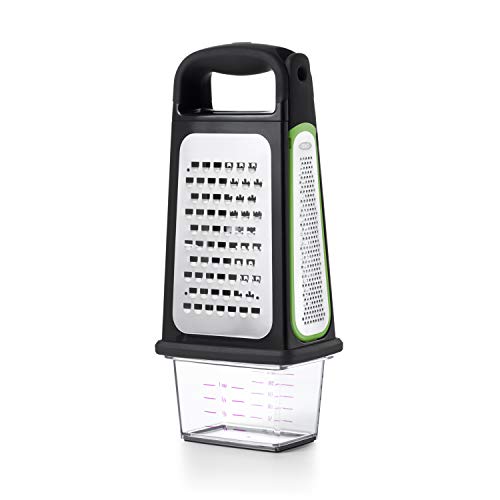
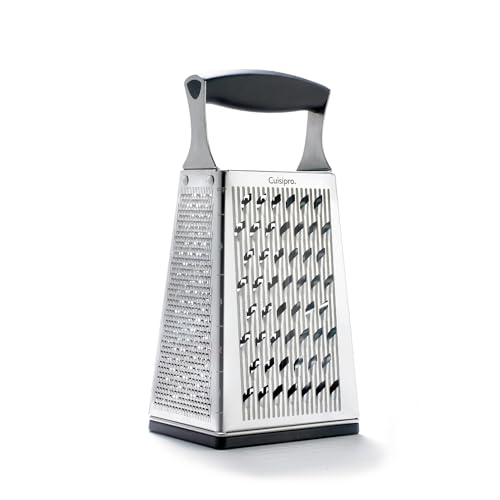
For most homes, a standard four sided box grater in stainless steel is the safest starting point. It gives you coarse, medium, and fine grating plus a slicer, stands upright on its own, and catches shreds inside its body. Choose a compact size if storage is tight and you grate small amounts. Choose a larger size with a matching container if you cook for four or more people. Whatever size you pick, a sturdy handle and a rubber base matter more than extra sides you will rarely use.
Before You Buy: A Quick Checklist for Choosing a Cheese Grater
Work through the five points below before you look at prices. They narrow the field fast and keep you from paying for features your cooking does not need.
Which Type Fits Your Routine
A box grater is the general purpose choice, since one tool handles blocks of cheese, firm vegetables, and citrus zest at the counter. If you grate mostly hard cheese at the table, a best rotary cheese grater keeps fingers away from the blades and drops shreds straight onto the plate. If you process large amounts each week, the best electric cheese grater saves effort but takes more storage room and cleaning time. Flat and handheld graters store easily, yet they offer fewer surfaces and less stability for big jobs.
Features Worth It and Ones to Skip
A wide handle you can grip with a damp hand, a base that stays put, and clearly different hole sizes on each side are worth paying for. A snap on container helps when you grate ahead for meal prep, since shreds fall in and go straight to the fridge. Fine holes that truly zest and grate hard cheese matter if you cook with parmesan often, so compare the best cheese grater for parmesan options for that job. Skip novelty sides, tiny containers that fill after one block, and extra slicers if you already own a good knife.
Materials and Food Safety
Stainless steel sides resist rust, shrug off odors from garlic and onion, and hold an edge longer than thin coated metal. Look for smooth seams and a frame that does not flex when you press a firm block against it, since flexing makes grating uneven and tiring. Plastic parts should feel thick and rigid, with no rough edges where food can lodge. Avoid any grater with flaking coating or bent teeth, because fragments and trapped residue have no place near food your family eats.
Dishwasher Safe or Hand Wash
Many stainless steel box graters carry a dishwasher safe label, but hand washing still treats the cutting edges more kindly. Dishwasher racks let the grater knock against other items, which can dull the raised teeth over time, and strong detergent can fade plastic handles. Washing by hand right after use also stops cheese from drying into the holes, which is when cleaning turns into a chore. If you rely on the dishwasher often, choose all metal construction with no glued parts that heat and water can loosen.
Realistic Budget Ranges
Basic models under $10 cover light use, such as weekly tacos or the odd salad, but they tend to feel thin and wobble under pressure. The middle range, about $10 to $25, is where most homes find a sturdy frame, a comfortable handle, and a container included. Spending about $25 to $50 buys heavier steel, a larger capacity, and parts that feel built for daily cooking over many years. Pay for build quality and size that match your routine, not for a longer list of sides.
Three Box Grater Styles Compared
Instead of chasing a single winner, match one of these three styles to your kitchen and household. Each style below covers the same grating tasks, but they differ in storage, capacity, and comfort.
Compact Graters for Small Kitchens
A compact box grater stands shorter and narrower, so it fits in a crowded drawer or a shallow cabinet. It suits one or two people who grate a small block at a time for eggs, salads, or a single pan of pasta. The trade off is capacity, since shreds fill the body quickly and you stop to empty it more often. Your hand also works closer to the sides, so choose one with a full handle on top rather than a slim loop you pinch.
Standard Graters for Everyday Family Cooking
The standard size is the workhorse for most households, tall enough to hold a generous pile of shreds and wide enough to stay steady while you work. It handles a family taco night, a pot of soup, and baking prep without feeling cramped. This size still stores upright in a typical cabinet, though it may be too tall for low drawers. If you cook for three to five people several times a week, this is the style to start with.
Large Graters With a Container for Batch Cooking
A large box grater paired with a fitted container suits cooks who prep ingredients in bulk, such as shredding cabbage for slaw or cheese for a casserole that feeds a crowd. The container catches everything, often with measurement marks and a lid, so prep moves straight to the fridge. These take the most cabinet room and cost the most, and the container is one more piece to wash. For big families and frequent hosts, the time saved on cleanup usually justifies the space.
How to Compare Box Graters Without Guesswork
Judge every candidate on five criteria: ease of use, durability, cleaning, design, and value. Ease of use means a handle that fits your hand and holes that cut without dragging. Durability shows in frame thickness and teeth that stay sharp and aligned. Cleaning depends on open corners and surfaces that rinse free. Design covers footprint, stability, and whether shreds land where you want them. Base your judgment on maker specifications and patterns in verified buyer reviews, and weigh the criteria that match your routine most heavily.
What We Like and What We Do Not Like About Box Graters
Box graters win on versatility per dollar. One upright tool replaces several single purpose gadgets, needs no power, and works the moment you take it out. The four sides cover coarse shreds for melting, fine shreds for garnish, zest for baking, and slices for salads. Because the body contains the shreds, your counter stays cleaner than with a flat grater used over a board. Cleanup is also simple, with no cords, drums, or charging parts to manage.
The limits are real, though. Grating is manual work, and a large block of cold hard cheese will tire your arm. The inside corners can trap residue if you let food dry there. A tall box can feel tippy on a wet counter if the base has no grip, and the smallest size frustrates anyone cooking for a group. If your grating is mostly small amounts of hard cheese, or if hand strength is a concern, another format may serve you better than any box style.
Common Buying Mistakes to Avoid
- Buying the largest size for a small kitchen, so the grater lives on the counter because no cabinet fits it.
- Choosing by the number of sides alone, then never using the slicer or the extra fine side you paid for.
- Ignoring handle shape, which makes grating slow and awkward when your grip slips on a damp handle.
- Picking thin steel to save a few dollars, so the frame flexes and the teeth dull within a year of regular use.
- Forgetting storage for the container and lid, which then clutter a drawer while the grater sits elsewhere.
Cost of Ownership and Care
A box grater has almost no running cost, since it uses no power and needs no replacement parts during normal use. Your only real expense is eventual replacement when the teeth dull, and good care stretches that day by years. Rinse the grater right after use, wash it in the direction that keeps the teeth away from your sponge, and dry it fully before storing so moisture cannot sit in the seams. Our guide on how to clean a cheese grater covers safe technique in detail. Store it upright with the sharpest side facing a wall of the cabinet, or slip a folded towel over the fine side if children reach into that drawer.
Your Questions, Answered
Can a box grater handle vegetables as well as cheese?
Yes, firm vegetables are one of its strengths. Carrots, zucchini, potatoes, and cabbage all grate cleanly on the coarse side, and the slicer side cuts cucumber and radish into even rounds. Soft foods are the exception, since ripe tomatoes and soft fruit crush instead of shredding. Chill firm vegetables briefly before grating and they will hold their shape better against the teeth.
How do you grate safely when the cheese block gets small?
Stop grating while a solid piece still remains, roughly the size of your thumb, and use that piece in another dish or melt it into a sauce. Pressing a tiny stub against the teeth is how knuckles meet the sharp edges. A flat palm on top of the block, with fingers curled up and away, gives you pressure with a safer margin. Our guide on how to use a cheese grater shows the grip and stroke in full.
Does a box grater work for chocolate and whole spices?
Yes, and the fine side handles both well. Cold chocolate shaves into curls and fine dust for desserts, and whole nutmeg grates into a powder that tastes far fresher than a jar that has sat open for months. Keep the chocolate cold and handle it with a paper towel, since the warmth of your fingers melts the surface and smears the holes.
How do you store a box grater in a small kitchen?
Stand it inside a tall cabinet next to mixing bowls, where its height works in your favor instead of against a drawer. If drawer storage is your only option, measure the drawer depth before buying, since compact models exist for exactly this problem. Some cooks keep the grater inside its own container or a large measuring jug, which protects both the teeth and anything stored beside it.
When should you replace a box grater?
Replace it when grating starts to tear food rather than cut it, which shows up as ragged shreds and cheese that smears across the holes. Rust spots that return after washing, teeth bent flat in one area, and a frame that rocks on a flat surface are also clear signs. A grater in that state makes you press harder, and pressing harder is when slips happen.
Final Thoughts
Choose by the way your household actually cooks: compact for small spaces and small jobs, standard for daily family meals, and large with a container for batch prep. Spend your money on steel thickness, a handle you can hold with confidence, and a base that stays put. Match those points and the best box cheese grater for your home stops being a guess. Compare your shortlist against the product table above, and you will have a tool that quietly handles weeknight cooking for years.