Best Bowling Shoes For Sliding Buying Guide 2026
Disclosure: We may earn a commission when you buy through links on this page, at no extra cost to you. As an Amazon Associate I earn from qualifying purchases. Learn more

Learn how to choose best bowling shoes for sliding with confidence. Compare types, features, fit, and care so you pick an option that suits your space,.
A good slide is the difference between a smooth, repeatable delivery and a jarring stop at the foul line. The best bowling shoes for sliding give you a predictable glide on the sliding foot and a firm brake on the other, so your weight settles into the shot instead of fighting the approach. The product table above shows the main styles, and this guide explains how soles, heels and fit change the way a shoe slides.
Slide depends on more than the shoe. Approach surface, humidity and your own speed all play a part, which is why bowlers with the same shoes can report very different feelings. Understanding those factors lets you pick a shoe that works with your game rather than guessing from the label.




How a Bowling Shoe Slides
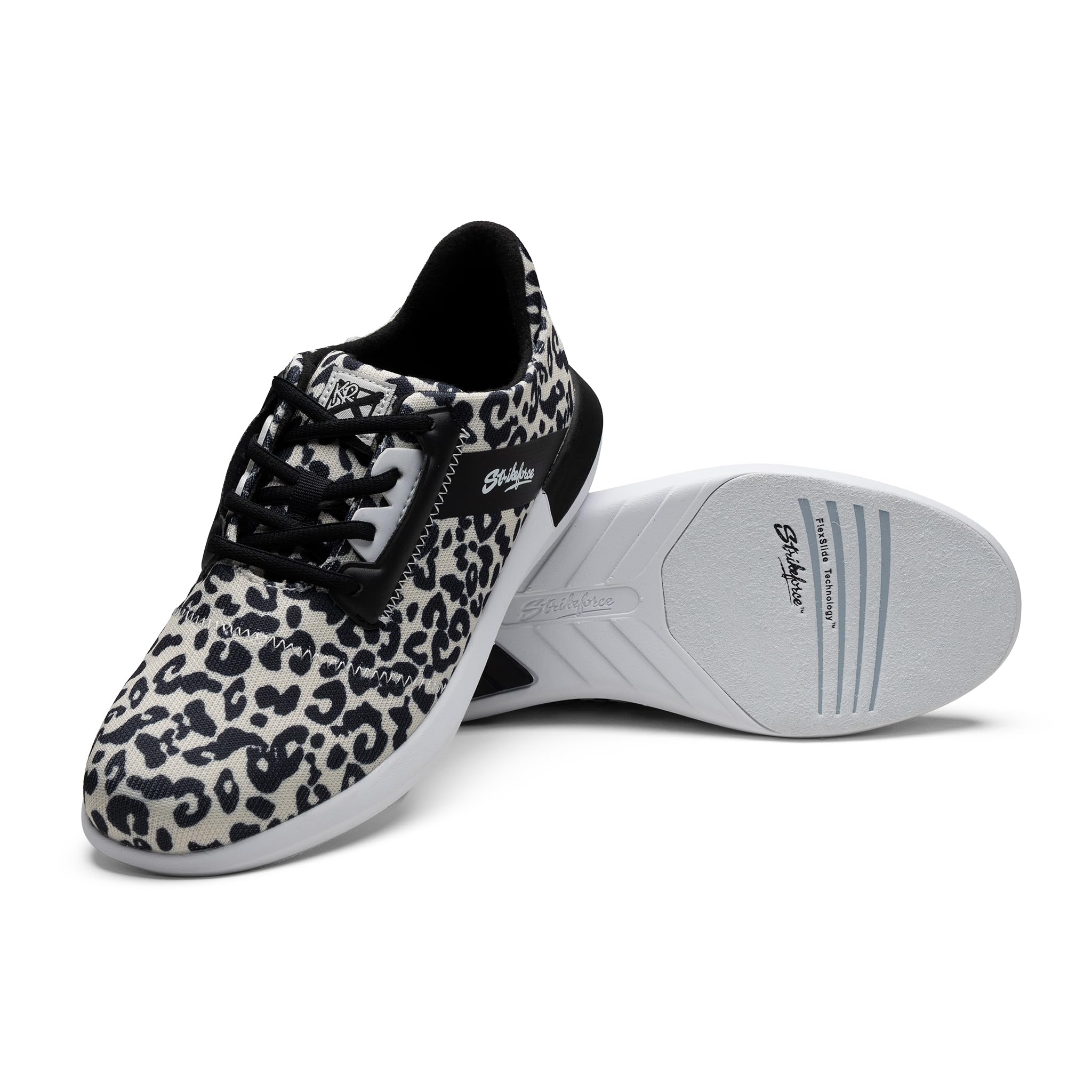
Bowling shoes are built asymmetrically. The sliding shoe has a smooth sole, often leather, felt or a synthetic slide pad, that glides over the approach. The braking shoe has a sole and heel that grip, so your push-off foot stays planted. A right-handed bowler normally slides on the left foot and a left-handed bowler on the right, which is why most pairs are sold as right-hand or left-hand models.
The goal is a controlled stop at the foul line. Too little slide and you stick, which can twist the knee and pull your shot off line. Too much slide and you glide past your balance point, which makes it hard to stay steady through the release.
Types of Bowling Shoes Compared
| Type | Best for | Slide behavior |
|---|---|---|
| Universal slide shoes | Beginners, casual and social bowlers | Moderate slide on both feet, forgiving |
| Fixed sole shoes (right or left hand) | League bowlers on steady lanes | Set slide on one foot, grip on the other |
| Interchangeable sole and heel shoes | Serious bowlers on changing lanes | Slide level can be swapped for conditions |
Universal Slide Shoes
These give a moderate slide on both feet, so one pair suits either hand. They are the natural first purchase and a big step up from rental pairs. Read our guide to the best bowling shoes for beginners if you are starting out.
Fixed Sole Shoes
A right or left hand model puts a slide sole on the sliding foot and a grip sole on the other. The feel stays the same game after game, which suits league bowlers who play the same house each week.
Interchangeable Sole and Heel Shoes
These let you swap soles and heels to change slide level, which helps on humid days, on sticky approaches or after a change in style. They cost more and take time to learn, so they suit bowlers who already know what they want. Our guide to the best bowling shoes with interchangeable soles covers them in depth.
Slide Levels Explained
Most makers rate slide soles by number or letter, from a grippy low slide to a slick high slide. Faster, more aggressive approaches usually need less slide because momentum already carries you forward. Slower, shorter approaches often need more slide so you do not stick. If you are unsure, start in the middle of the range and adjust after a few sessions rather than changing everything at once.
Lane conditions matter too. Dry, fast approaches can feel sticky, while humid days or a dusty approach can feel slow. This is why some bowlers keep two sole levels in their bag and swap between them.
Fit, Size and Support
Bowling shoes should fit snugly without pinching. A loose shoe lets the foot shift inside during the slide and reduces control, while a shoe that is too tight can numb the toes. Try them with the socks you bowl in, walk through a practice approach, and check the heel stays seated. Sizing can differ from street shoes, so compare charts before ordering and keep the receipt in case you need another size.
Support matters over a long session. Look for a cushioned insole, a firm heel counter and an upper that flexes without folding. If you have wide feet, our guide to the best bowling shoes for wide feet explains how to compare lasts.
Key Features to Check
- Slide sole material: Leather and felt slide differently from synthetic pads. Pick the one that suits your approach speed.
- Heel on the braking foot: A rubber heel grips and stops you cleanly. A worn heel can make the finish uncertain.
- Handedness: Check that the shoe matches your bowling hand, since the slide sole must be on the sliding foot.
- Upper material: Leather softens with use, while synthetic uppers keep their shape and are easier to wipe clean.
- Replacement parts: If you plan to change soles, confirm that spare soles and heels are available for the model.
Common Mistakes to Avoid
- Blaming the lane for a bad slide when the sole is simply dirty or worn.
- Buying the wrong hand model, which puts the slide sole on the braking foot.
- Choosing a very slick sole without learning your approach first.
- Wearing bowling shoes outside, which picks up grit and ruins the slide.
- Ordering a size that is too large, which makes the foot slide inside the shoe.
Care and Maintenance
A clean sole slides the same way every time. Brush the slide sole before bowling to remove dust, keep the shoes in a bag away from street dirt and moisture, and replace a sole when it feels thin, glazed or uneven. Wipe the uppers with a damp cloth and let them dry naturally away from heat, which can warp the sole.
Never wear bowling shoes outside the center. Grit and moisture change the slide and can damage the approach. Changing shoes at the lane is a simple habit that protects both your pair and the lanes.
Frequently Asked Questions
How much slide should a bowling shoe have?
It should feel smooth and controlled, not sticky or icy. Faster approaches usually need less slide, and slower approaches more. Start with a moderate slide and adjust after a few sessions.
What is the difference between slide and traction shoes?
The sliding shoe has a smooth sole for the final step, while the braking shoe grips for the push-off foot. Right-handed bowlers usually slide on the left foot, and left-handed bowlers on the right.
Can I bowl in regular sneakers?
Regular sneakers grip too much and can stop your foot suddenly, which strains knees and ankles. They also mark the approach. Most centers require bowling shoes for those reasons.
How do I care for interchangeable soles?
Keep soles clean, dry and stored flat in a bag. Brush off dust before bowling, label each sole by slide level, and replace a sole when it feels thin, torn or uneven.
Do bowling shoes need breaking in?
Most feel comfortable quickly, though leather uppers soften with use. Wear them for a few practice games before league night. Persistent pain points to a size or width problem rather than normal break-in, so try another fit if it does not ease.
Final Thoughts
Pick the shoe type that matches your game, check slide level and handedness, and make sure the fit holds your foot steady. A clean, well-fitting pair with the right slide will do more for your consistency than any extra feature. When you compare the best bowling shoes for sliding with those points in mind, the product table above becomes a short list. For a general overview, see our guide to the best bowling shoes.