Best Bowling Shoes: A First Time Buyers Guide for 2026
Disclosure: We may earn a commission when you buy through links on this page, at no extra cost to you. As an Amazon Associate I earn from qualifying purchases. Learn more

This first time buyers guide explains bowling shoe fit, slide soles, heels, and lane etiquette so you can choose a comfortable pair with confidence.
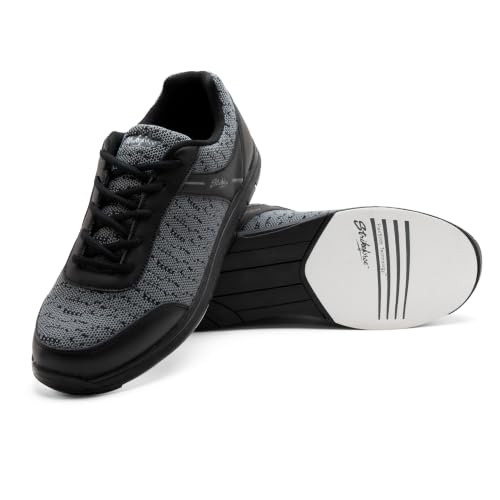
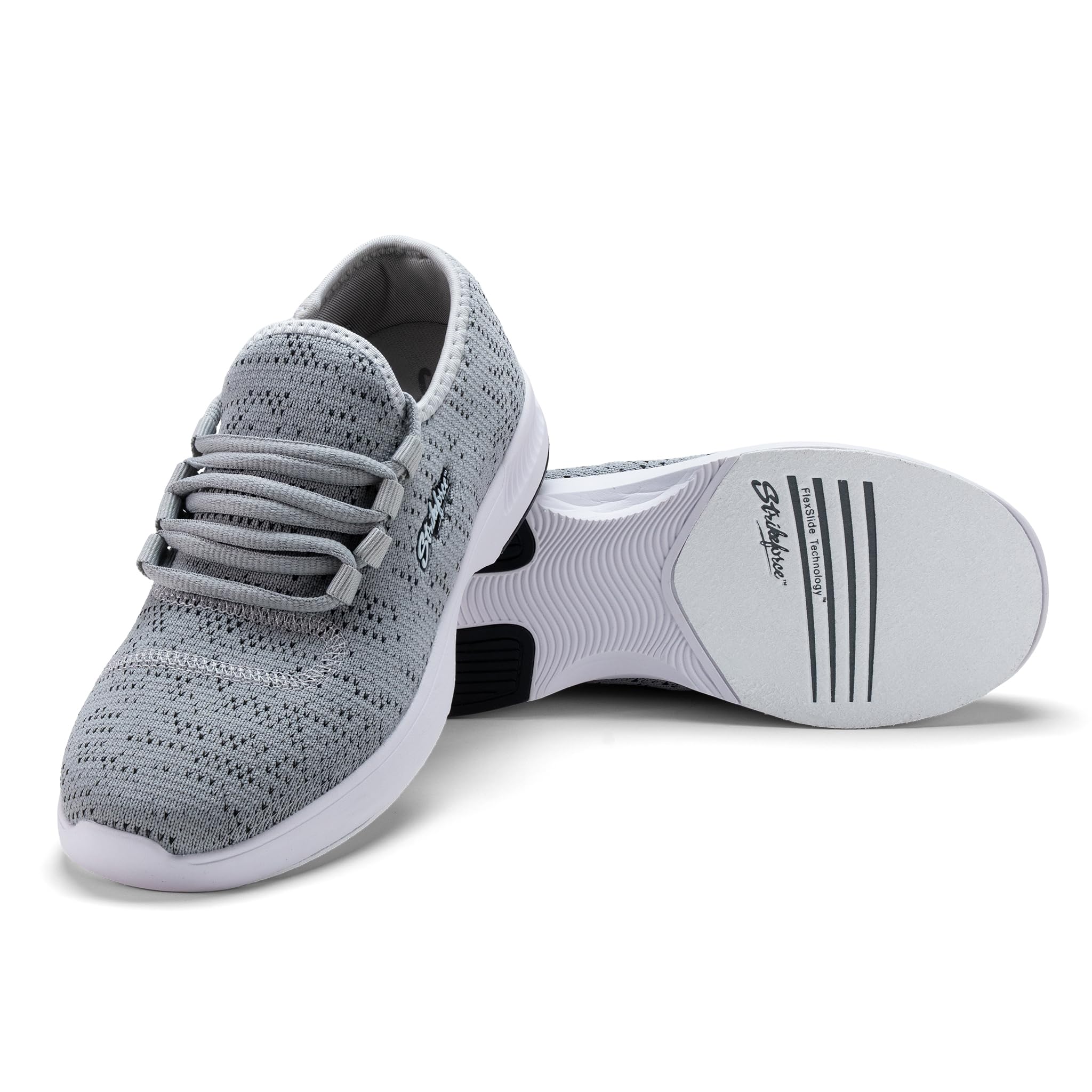
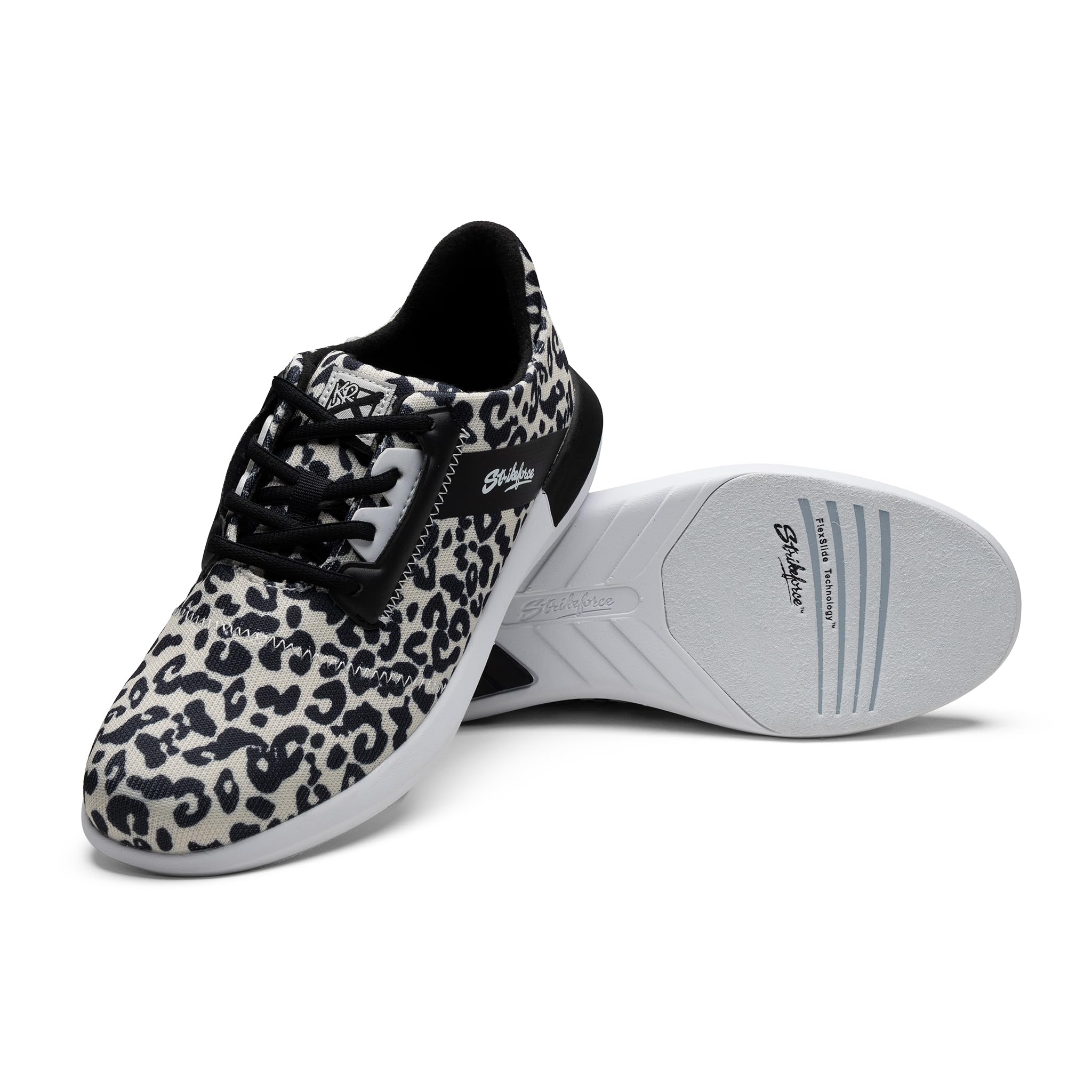
Bowling shoes look simple, yet the slide sole and the braking heel work as a pair to control your final steps and your release. The best bowling shoes fit snugly, slide in a predictable way, and keep the foot steady through the approach, whether you bowl once a month or three times a week. The product table above shows the main styles, and this guide explains what separates them.
A comfortable fit matters more than a flashy upper, because a shoe that pinches or slips will change your approach long before your technique does. Use the sections below to match the shoe to your habits, then check fit and care.





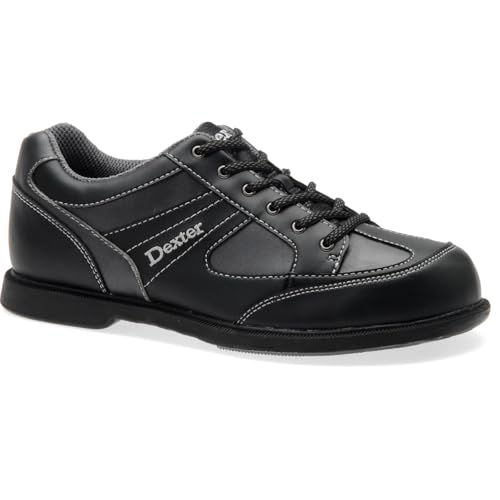
Rental Shoes or Your Own Pair?
Rental shoes are fine for a first visit, but they vary in fit, wear and slide from one center to the next. If you bowl more than a handful of times a year, owning a pair gives you a known fit and a known slide. Most bowlers find a basic pair pays for itself within a season of rentals, and a clean pair is more comfortable than a shared one.
Types of Bowling Shoes
Universal Slide Shoes
These have a moderate slide sole on both shoes, so the same pair suits right-handed and left-handed bowlers. They are the best first purchase for casual bowlers and beginners. Read our guide to the best bowling shoes for beginners for more on choosing a first pair.
Right-Hand and Left-Hand Models
These pairs put a slide sole on the sliding foot and a grip sole on the other, which gives a more consistent feel for league bowlers. Right-handed bowlers slide on the left foot, and left-handed bowlers on the right, so check you buy the right model. For more on how slide works, see our guide to the best bowling shoes for sliding.
Performance Shoes With Interchangeable Soles
Serious bowlers can swap soles and heels to adjust slide for lane conditions. They cost more and take time to learn, so they suit players who already know what they need.
Men's and Women's Fits
Men's and women's lasts differ in width and heel shape, so use the maker's size chart rather than assuming your street size carries over. Our guides to the best men's bowling shoes and best women's bowling shoes go deeper on each fit.
Key Features to Compare
- Slide sole feel: The sliding foot should glide smoothly without sticking or skating. Leather, felt and synthetic pads each slide a little differently.
- Heel braking: A rubber heel on the braking foot stops the foot without a sudden grab.
- Fit and toe room: Your toes should have room to spread while the heel stays seated. Loose shoes let the foot shift in the slide.
- Upper comfort and support: Padding at the ankle and a stable midfoot help over long sessions. Leather softens with use, while synthetic uppers hold their shape.
- Closure: Laces allow fine adjustment, while hook-and-loop straps and quick-lace systems are faster to put on.
What Different Budgets Buy
Under About $60
Basic universal shoes suit occasional bowlers. Expect simple uppers and a moderate slide that does not change. They are comfortable enough for a few games and are a good step up from rentals.
About $60 to $120
This is the sweet spot for most league bowlers. You usually get better cushioning, a more durable upper, and a choice of hand-specific models. Some pairs include a simple sole-swap system.
Above About $120
Performance shoes add interchangeable soles and heels, stronger support and better materials. The extra money is only worth it if you bowl often on varied lanes and want to tune your slide.
Choosing by How You Bowl
Casual bowlers who play a few games a month do well with a universal pair that is comfortable and easy to clean. League bowlers who play weekly benefit from a hand-specific model, because the slide feels the same each night. Competitive bowlers who face different oil patterns and approach conditions are the ones who gain from changeable soles and heels. Think about how often you bowl, how many different centers you visit, and how much you want to fine tune before you spend more.
If your feet are narrow or wide, if you wear orthotic inserts, or if you have a history of foot or knee pain, prioritize a removable insole and a stable heel. Ask your doctor or a podiatrist about support, and stop bowling if you feel sharp pain, since forcing a slide in a poorly fitting shoe is a common cause of strain.
Sizing and Fit Tips
Bowling shoe sizes can differ from street shoes, so compare the size chart before ordering. Try the shoes with the socks you bowl in, and walk and slide in them for a few minutes. Your toes should not curl or press against the front, and your heel should not lift. A snug but comfortable fit is right, and a pinch in one spot usually means the wrong width or size. Our guide to the best bowling shoes for wide feet helps if standard widths feel tight.
Care and Lane Etiquette
Keep shoes dry, store them in a bag away from street dirt, and wipe the soles clean after use. Never wear them outside the center, since grit damages the approach and changes the slide. Brush slide soles before bowling, and replace a sole that feels thin, patchy or uneven. Change into your shoes at the lane and keep street shoes off the approach.
Common Mistakes to Avoid
- Buying a size that is too large, which lets the foot shift during the slide.
- Choosing the wrong hand model, which puts the slide sole on the braking foot.
- Paying for interchangeable soles before learning your own slide.
- Wearing bowling shoes outdoors, which ruins the sole.
- Ignoring return terms, since fit often shows only after a few games.
Frequently Asked Questions
Do I need different shoes for my sliding foot and my plant foot?
Universal shoes use a moderate slide on both feet. Hand-specific models put a slide sole on the sliding foot and a grip sole on the other, which gives a more consistent feel once your game is established.
How should bowling shoes fit?
Snug, with room for your toes to spread and a heel that stays seated. They should not pinch, and they should not let the foot shift when you slide. Try them with the socks you bowl in.
Can I wear bowling shoes outside the lanes?
No. Outdoor grit sticks to the sole and can damage the approach, and moisture changes how the sole slides. Change into your shoes at the center and carry them in a bag.
How do I break in new bowling shoes?
Wear them for a few practice games before league night. Leather softens gradually, while synthetic uppers change less. Persistent pain in one spot points to a size or width problem rather than normal break-in.
When should I replace my bowling shoes?
Replace them when the slide sole is thin or uneven, the heel is worn smooth, or the upper no longer holds your foot. Some bowlers replace only the sole or heel if the rest of the shoe is sound.
Final Thoughts
Start with fit, then slide, then budget. A well-fitting pair with a predictable slide will help your game more than any extra feature. When you compare the best bowling shoes with those priorities, the product table above becomes easy to read. If you also play cricket, remember that cricket bowling shoes are a different category.