Best Bowling Shoes For Wide Feet 2026
Disclosure: We may earn a commission when you buy through links on this page, at no extra cost to you. As an Amazon Associate I earn from qualifying purchases. Learn more

Learn how to choose bowling shoes for wide feet, from toe box width and slide soles to support, sizing, and lane comfort. Choose with confidence.
best bowling shoes for wide feet is a search for lane shoes that give broad feet room without losing the slide and stability that bowling demands. A wide fit should feel roomy across the forefoot while the heel stays locked in place through the approach and release. This guide explains width, slide, and support so you can choose with confidence.
The comparison table below gives an overview of the main choices, while the sections that follow explain sizing, sole options, and care. Wide feet vary in shape, so the best approach is to learn your own width pattern and test fit carefully rather than trusting a wide label alone.

Who Should Buy Which Shoes
For League Bowlers
League bowlers who play several games a week need a wide shoe that stays comfortable across long sessions and repeated approaches. Look for a roomy toe box, cushioning that does not flatten quickly, and a slide sole that behaves the same on your home lanes. A secure midfoot fit matters as much as width, since a loose shoe can twist during delivery.
For Casual and Social Bowlers
Casual bowlers may prefer a simpler wide shoe that is easy to put on and comfortable for a few games at a time. Rental style comfort with a proper fit beats a high performance shoe that pinches, especially if you bowl irregularly. Focus on width, a smooth slide, and a sole that grips on the approach without sticking.
For Bowlers With Foot Pain
Bowlers with bunions, swelling, or sensitive forefeet should treat pressure relief as the top priority. A wide or extra wide last, soft upper materials, and a removable insole for custom inserts can all help. If pain persists or changes, talk with a clinician or podiatrist rather than pushing through with tighter shoes.
Key Features to Compare
Width and Toe Box Shape
Width labels vary between makers, so compare the actual toe box shape rather than trusting letters alone. Some wide shoes add room across the whole forefoot, while others only widen the toe area. Your toes should lie flat without overlap, and the widest part of your foot should match the widest part of the shoe.
Slide Sole and Heel
Bowling shoes pair a slide sole on one foot with a grip sole on the other for most right handed bowlers, and the reverse for left handed bowlers. Interchangeable soles let you tune slide to lane conditions, which helps on sticky or fast approaches. Beginners may prefer a fixed slide sole for consistency while they learn their approach.
Support and Cushioning
Good arch support and heel cushioning reduce fatigue over several games, especially for bowlers who stand a lot between turns. A firm heel counter keeps the foot aligned during the slide, while a cushioned collar protects the ankle. Removable insoles are useful if you already use custom inserts for wide feet.
Upper Materials and Break In
Soft leather and flexible synthetics mold to wide feet more kindly than stiff materials, though they may stretch with use. Try shoes on later in the day when feet are slightly larger, and wear your usual bowling socks. A shoe that pinches in the shop is unlikely to become comfortable after a short break in period.
Types Worth Knowing
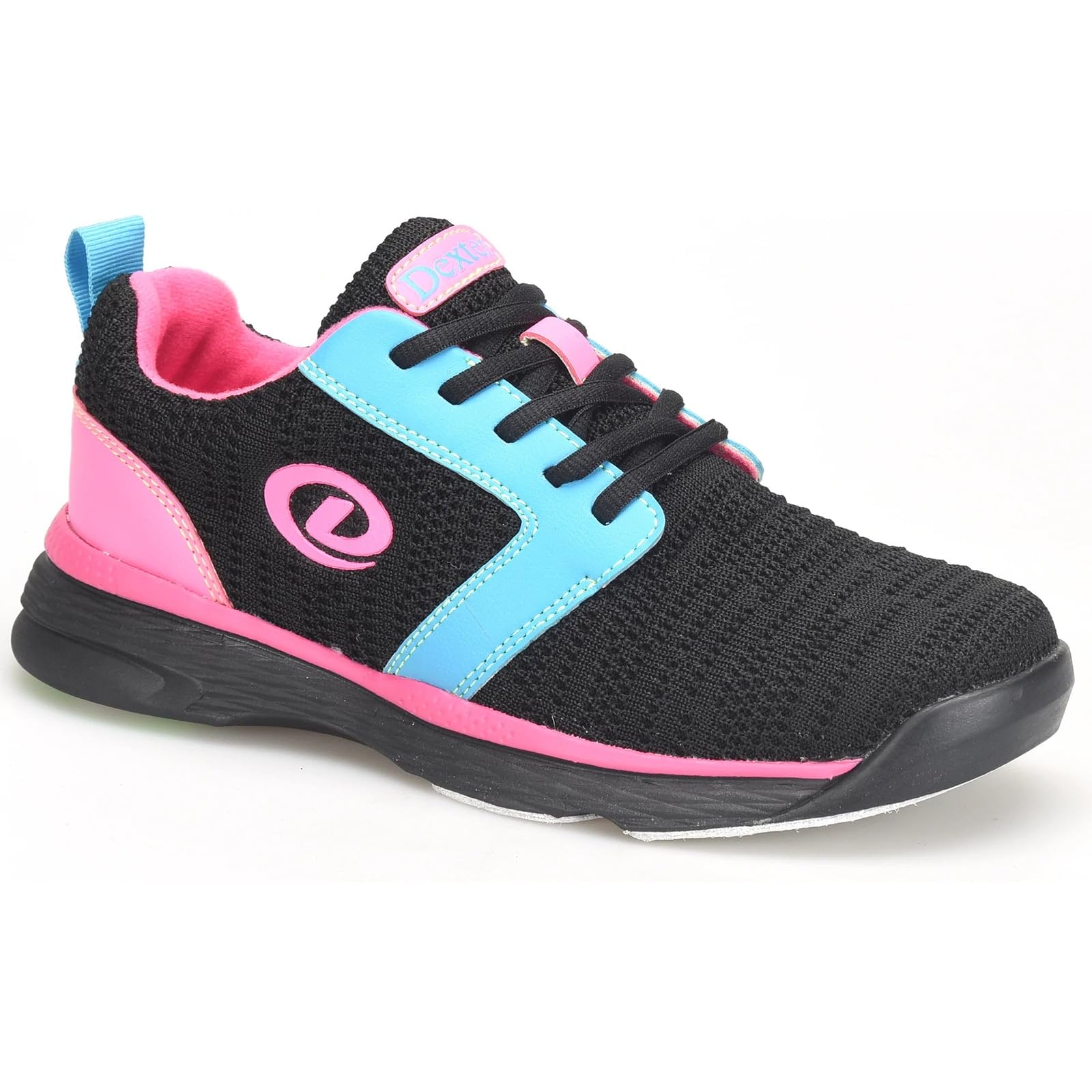
Athletic Style Bowling Shoes
Athletic styles borrow sneaker comfort and lighter weight, which suits bowlers who value cushioning and a modern feel. They often have mesh or soft synthetic uppers that accommodate width well. Check slide behavior carefully, since athletic comfort means little if the sole sticks on your lanes.
Classic Leather Bowling Shoes
Classic leather shoes offer a traditional look and an upper that gradually moulds to the foot. They tend to feel firmer at first and need a few sessions to soften. For wide feet, leather can be a good choice if the last is genuinely wide, since it stretches gently where pressure is highest.
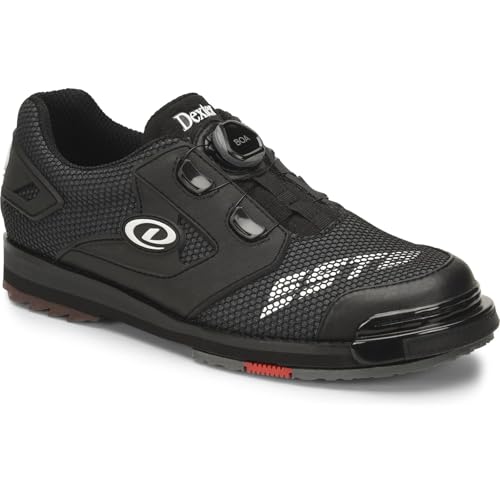
Performance Shoes With Interchangeable Soles
Performance shoes let you swap slide soles and heels to match lane conditions and your approach style. This flexibility helps serious bowlers, but it adds cost and complexity that casual players may not need. If you bowl on varied lanes, the tuning options can be worth the investment.
Budget, Care, and Common Mistakes
Prices for bowling shoes for wide feet usually range from about 50 dollars to about 200 dollars, with rental style options at the lower end and performance models higher. Spending more mainly buys interchangeable soles, better cushioning, and more durable uppers. For most wide footed bowlers, a mid priced pair with a genuinely wide last is a sensible starting point.
A common mistake is buying a longer size to gain width, which leaves the heel loose and the slide unstable. Another is choosing shoes based on looks while ignoring the slide sole, which is the heart of bowling footwear. Clean soles with a brush, keep shoes in a bag away from damp floors, and replace worn slide soles before they affect your approach.
Before you order, measure both feet in the evening and compare widths, since one foot is often broader than the other. Check the return policy so you can test indoors, and walk through a few practice approaches on a smooth floor. The product table above is a starting point, but your feet and your lanes should make the final call.
A Closer Look at Lane Fit and Slide
Lane conditions change slide behavior, so a sole that feels perfect on dry lanes may stick on humid days or slide too far on freshly oiled lanes. Interchangeable soles let you adapt, but fixed sole bowlers should learn how their home lanes behave across seasons. Note slide feel after each session to spot patterns early.
Foot shape varies even within wide sizes, since some feet are wide at the toes while others are wide across the midfoot. A shoe that fits one pattern may pinch another, so compare the last shape rather than trusting a width letter. Trace your foot on paper and compare it with the shoe insole shape when possible.
Socks change fit more than many bowlers expect, with thick cushioned socks filling width that thin socks leave empty. Always fit bowling shoes in the socks you will bowl in, and carry a spare pair in case of sweat or rain on the way to the lanes. Consistent socks make fit judgments far more reliable.
Break in should be gentle, with short practice sessions before league night rather than a full evening in new shoes. Leather uppers soften gradually, while synthetic uppers change less, so expect different break in behavior by material. Stop and adjust lacing if hot spots appear rather than bowling through pain.
Slide sole care affects consistency, since dust and moisture on the sole change friction unpredictably. Brush soles before bowling and keep shoes in a bag away from damp floors and car trunks. Replace a worn slide sole before it alters your approach, since a sudden change can affect timing and balance.
Finally, consider a second pair of insoles or custom inserts if you already use them for daily shoes, since bowling involves repeated lunges that load the forefoot. Removable insoles make this easy, and a podiatrist can advise on inserts that suit bowling movement. Comfort across a full evening matters more than any single feature.
Frequently Asked Questions
Should I buy a longer size to get more width?
No, buying longer to gain width usually leaves the heel loose and harms slide control. Look for a shoe made on a wide or extra wide last in your true length instead. Your toes should have room without the heel slipping, and the widest part of the shoe should match your foot.
Do wide bowling shoes slide differently?
Width itself does not change slide, since slide comes from the sole material and the lane surface. A poor fit can still affect your approach if the foot moves inside the shoe. Choose the slide sole for your lane conditions and the width for your foot shape, and judge each feature separately.
Are interchangeable soles worth it for wide feet?
Interchangeable soles are worth it if you bowl on different lanes or are refining your approach, since they let you tune slide without buying new shoes. Casual bowlers on one set of lanes may do fine with a fixed sole. Either way, width and fit come first, because no sole system fixes a pinching shoe.
How should bowling shoes fit across the forefoot?
Your toes should lie flat with a little room to spread, and no toe should feel squeezed against its neighbor. The upper should feel snug but not tight across the widest part of the foot. If pressure builds after a few minutes of standing, try a wider last rather than hoping the shoe stretches.
When should I see a clinician about foot pain when bowling?
See a clinician or podiatrist if pain is sharp, persistent, swelling, or changes how you walk, or if you have diabetes or circulation problems. Footwear can ease pressure, but it cannot diagnose or treat an underlying condition. A professional can advise on inserts, width, and whether bowling should pause while you recover.
Related Guides
Wide fit lessons carry across sports, so best shoes for wide feet offers general guidance on lasts, sizing, and toe box shape. For sport specific comparisons, best running shoes for wide feet and best gym shoes for wide feet show how width needs change with impact and lateral movement.
Athletic style options are also covered in best athletic shoes for wide feet, which may help if you prefer a sneaker like feel on the lanes. Use these guides alongside the product table above when narrowing your shortlist.
Final Thoughts
Choosing best bowling shoes for wide feet means finding a wide last that gives your forefoot room while keeping your heel secure through the slide. Width, slide sole, and support each deserve attention, and none of them can cover for a failure in the others. Try shoes on with bowling socks and test your approach before committing.
Use the product table above as a starting point, then let fit and lane feel decide. A pair that fits well will make every game more comfortable and your delivery more consistent, which is the real payoff of choosing carefully.