Best Bowling Shoes for Beginners: A First Time Buyer Guide for 2026
Disclosure: We may earn a commission when you buy through links on this page, at no extra cost to you. As an Amazon Associate I earn from qualifying purchases. Learn more
A first time guide to bowling shoes: rental versus owning, slide soles, fit, and the features that help new bowlers feel steady and comfortable on the lanes.
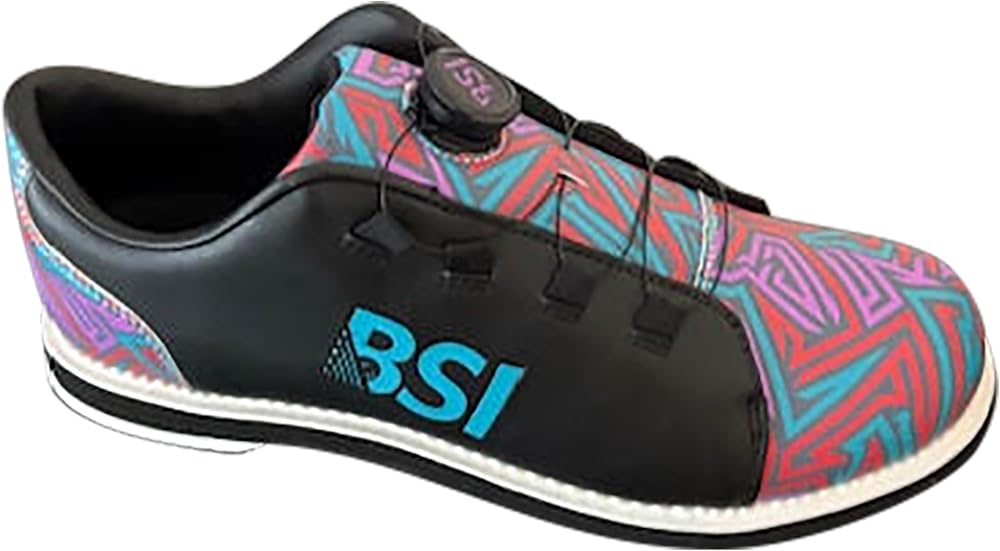
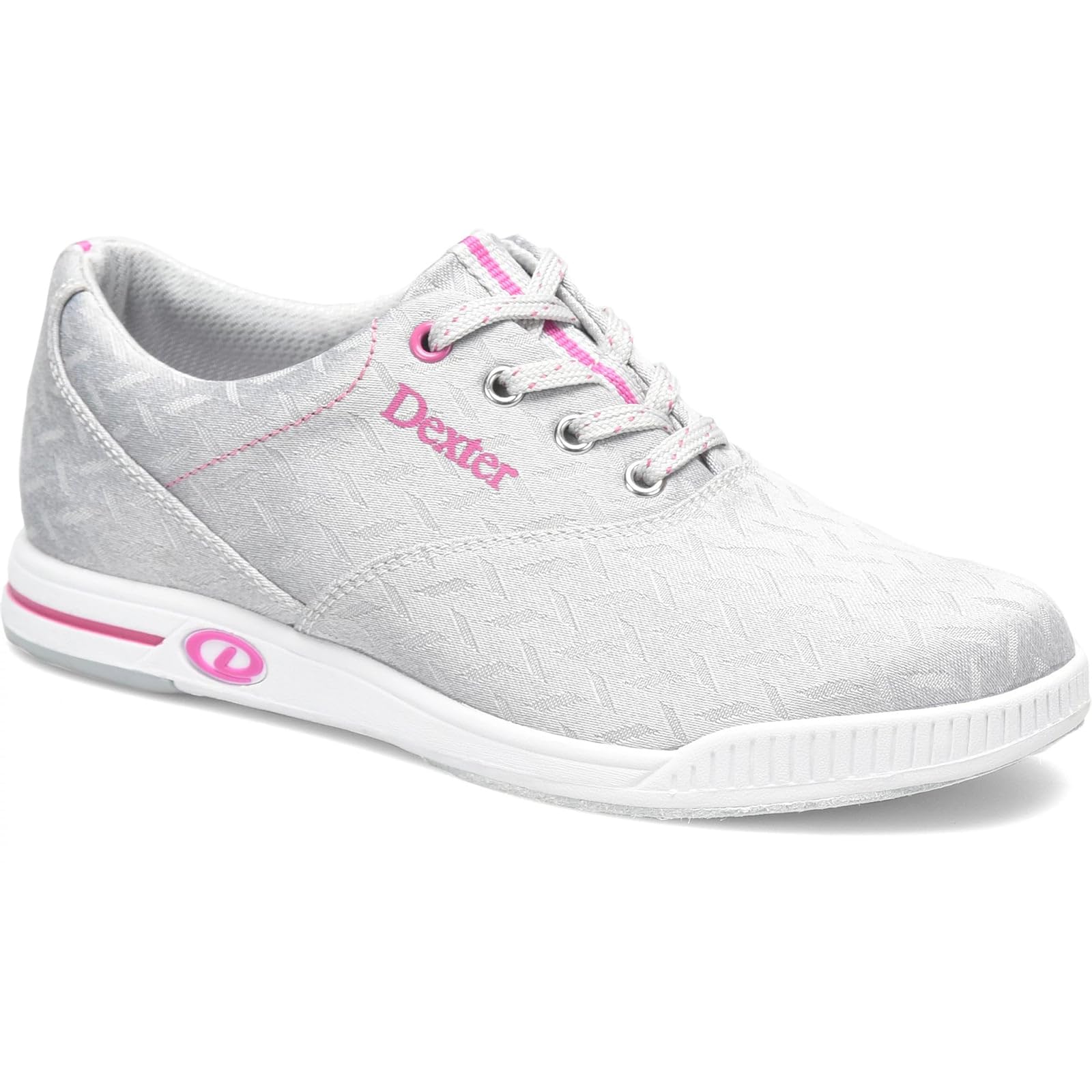
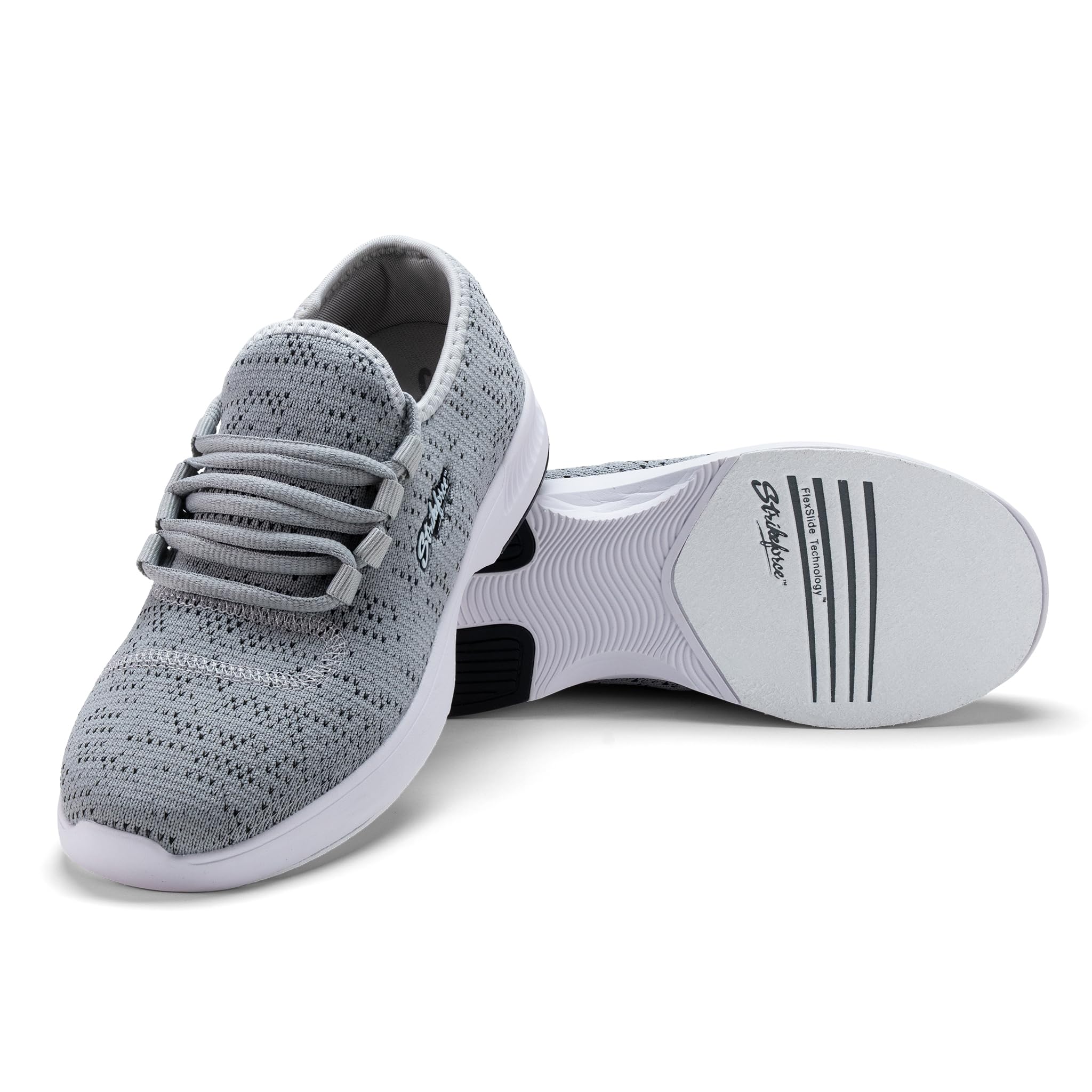
If you bowl more than a few times a year, owning shoes changes the experience quickly. The best bowling shoes for beginners are not the flashiest or most expensive pair, but the pair that fits well, slides predictably, and keeps you steady through your approach. The comparison table below gives a quick side by side view, and this guide explains rental versus owning, slide soles, and fit for new bowlers.
Rental shoes serve a purpose for a first visit, yet they vary in fit, wear, and slide from one center to another. Your own pair removes that variability, so you can focus on approach, timing, and release instead of wondering whether the shoes will grip or stick at the wrong moment. For beginners, consistency matters more than advanced features.



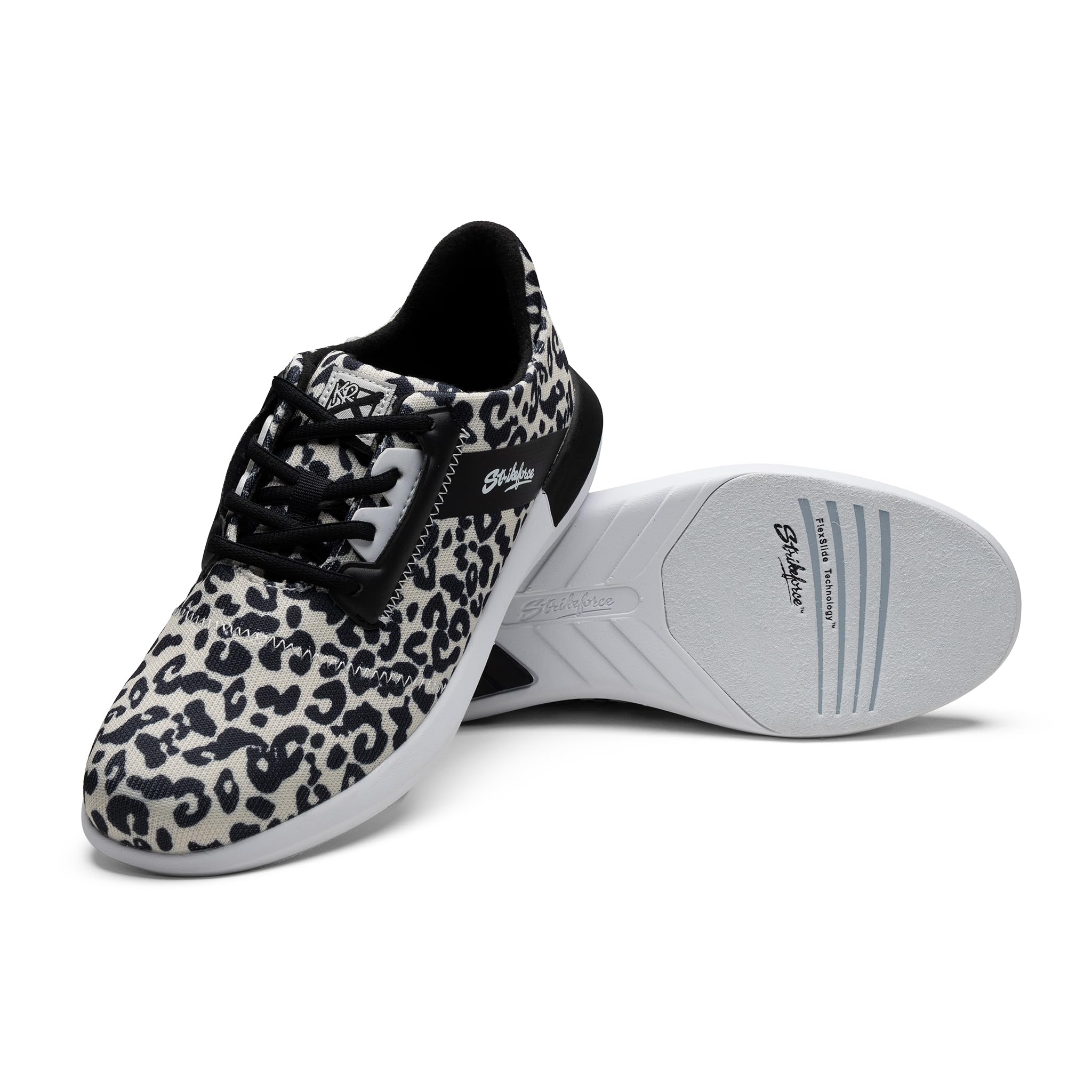


Rental Shoes Versus Your Own Pair
Rental shoes are convenient and cheap for an occasional visit, and they let you try bowling without commitment. Their downside is inconsistency: sizes run differently, soles wear unevenly, and you never know whether the pair you receive will slide smoothly or grab unexpectedly. That unpredictability can hide real progress, since a good approach can still feel awkward in poor shoes.
Owning a pair pays for itself surprisingly fast if you bowl monthly or join a casual league. You gain a known fit, a known slide, and shoes that mold to your feet over time. Beginners do not need a high end pair to enjoy those benefits; a basic well fitting pair with a universal slide sole covers most new bowlers comfortably. Our guide to best bowling shoes compares general bowling footwear if you want a broader look.
Understanding Slide and Traction
Bowling shoes balance two opposite needs: one foot slides while the other brakes. Most beginner shoes use a universal slide sole on both feet, which gives a predictable, moderate slide for either handedness and simplifies the first purchase. More advanced shoes offer interchangeable soles and heels for different lane conditions, but beginners rarely need that complexity early on.
Slide feel also depends on the approach surface, which varies by center and by humidity. A sole that slides well on a dry synthetic approach may feel stickier on a worn wooden lane. If your slide feels inconsistent, check for dirt or moisture on the sole before blaming the shoe, and keep a small towel for wiping soles between frames. As your approach stabilizes, you will learn whether you prefer a little more slide or a little more grip.
Fit, Comfort, and Sizing
Bowling shoes should fit snugly without pinching, with toes able to wiggle slightly and heels held firmly during the slide. Many beginners buy too large, thinking extra room means comfort, yet loose shoes let the foot shift during the approach and reduce control. Try shoes with the socks you normally bowl in, and walk, slide, and stand in them for several minutes before deciding.
Width matters as much as length. If the shoe pinches across the forefoot, a wide fit will feel better even if the length matches your usual size. Break in takes a few sessions, so expect the first outing to feel slightly firm. Persistent pain in one spot, however, signals a fit problem rather than break in, and a different size or width is worth trying before you settle.
What Beginners Do Not Need Yet
Beginners do not need interchangeable soles, custom drilling, or premium leather uppers to enjoy the game. Those features serve bowlers who face varied lane conditions weekly and fine tune their slide by fractions. Spending on them early often adds confusion without improving scores, since approach timing and release matter far more at this stage.
Focus instead on a durable upper, a comfortable insole, and a sole that slides predictably. A simple pair that fits well will carry you through your first league season and help you learn what you actually prefer. When you later know whether you want more slide or more grip, an upgrade becomes an informed choice rather than a guess.
Care, Storage, and Lane Etiquette
Bowling shoes last longer with basic care. Keep them dry, store them in a bag away from street shoes, and never wear them outside the center, since grit on the soles damages approaches and changes slide. Wipe soles clean after each session and check for worn spots or peeling edges that could catch mid slide.
Lane etiquette also protects your shoes and others. Change into bowling shoes at the center, keep street shoes off the approach, and report a sticky or damaged approach to staff rather than forcing a slide. Those habits keep the lanes safe for everyone and preserve the consistent slide your own pair provides.
A Final Check Before You Order
Before you order, confirm your size in bowling shoes specifically, since sizing can differ from street shoes, and check the return policy so you can try the fit at home. If possible, visit a pro shop for a fitting, where staff can watch your approach and suggest a slide level for your style.
Plan for a few sessions of break in, and judge the shoes after your third outing rather than your first. By then, fit and slide will have settled, and you will know whether the pair supports your approach or fights it. The product table above summarizes beginner friendly shapes, and a careful fit check turns that summary into a pair you will enjoy wearing.
Joining a Casual League
A casual league is the natural next step after a few months of social bowling, and owning shoes makes that step smoother. Leagues usually meet weekly, play a set number of games, and welcome beginners, with handicaps that level the field between new and experienced players. Ask at your local center about beginner friendly leagues, costs, and time commitments before joining, since formats vary widely.
League play improves consistency faster than occasional social games, because regular play builds approach timing and spare shooting under mild pressure. Your own shoes pay off here: the same fit and slide every week lets you notice real progress instead of adjusting to different rental pairs. Bring a small towel, water, and your shoes in a bag, and arrive early enough to warm up properly.
League etiquette is simple and welcoming. Wait for neighboring bowlers to finish their approach before stepping up, keep the approach area clear, and celebrate good shots graciously. Most leagues value friendly regulars over high scores, so a relaxed attitude and consistent attendance matter more than early results. After a season, you will know your game far better and enjoy bowling far more.
Frequently Asked Questions
Do I really need my own bowling shoes as a beginner?
You do not need them for a first visit, but owning a pair helps if you bowl monthly or join a league. Your own shoes give consistent fit and slide, which lets you focus on approach and release. Rental shoes vary between visits and can mask real progress with unpredictable grip.
What is a universal slide sole?
A universal slide sole gives a moderate, predictable slide on both feet, which suits beginners of either handedness. It avoids the complexity of interchangeable soles while you learn. As your approach stabilises, you may later prefer a dedicated slide and traction combination for finer control.
Should bowling shoes fit tight or loose?
Bowling shoes should fit snugly without pinching, with slight toe wiggle and a firmly held heel. Loose shoes let the foot shift during the slide and reduce control. Try them with your usual bowling socks, walk and slide in them, and choose a wide fit if the forefoot feels pinched.
How do I stop my slide from sticking?
Check the sole for dirt or moisture first, and wipe it with a towel between frames. Approach conditions vary by center and humidity, so a sticky slide often reflects the lane rather than the shoe. If sticking persists on clean approaches, a different slide level or a pro shop fitting may help.
Can I wear bowling shoes outside the center?
No, wearing bowling shoes outside picks up grit that damages approaches and changes slide unpredictably. Change into them at the center and store them in a bag away from street shoes. That habit protects both the lanes and the consistent feel of your own pair.
Final Thoughts
Beginner bowling shoes should prioritize fit, predictable slide, and comfort over advanced features. A well fitting pair with a universal slide sole removes rental variability and lets you learn approach and release with confidence. The product table above shows beginner friendly options, and a careful sizing check will narrow them to the right pair.
Bowl in them for a few sessions before judging, keep them clean and dry, and upgrade only when you know what slide feel you prefer. That patient approach saves money and builds a better game. It is the sensible path to the best bowling shoes for beginners for your first league season and beyond.