Best Bolt Extractor Sets for 2026: Removing Damaged Bolts
Disclosure: We may earn a commission when you buy through links on this page, at no extra cost to you. As an Amazon Associate I earn from qualifying purchases. Learn more

Compare bolt extractor sets by size range, grip design, and case quality, and learn how to remove damaged bolts without making the problem worse.
A stripped or broken bolt can stop a repair cold, and a good extractor set is the tool that gets it moving again. The best bolt extractor sets give you reverse threaded tools that bite into a damaged fastener so you can turn it out instead of drilling it away. Check the comparison table below for sizes and piece counts, then use this guide to match a set to the bolts you actually meet.
Think about your usual work first. Small machine screws, automotive bolts and large structural bolts each need different extractor sizes, and a set that covers only one range leaves you stuck on the next job.




Who Should Buy a Bolt Extractor Set
These sets suit home repairers, car owners and anyone who maintains older equipment, where rust and wear are common. They help most on vehicles, outdoor machinery, bikes and secondhand furniture, where seized fasteners turn up often. If you rarely face damaged bolts, a small set may be enough. Frequent repairers will benefit from a wider range, and owning a set before you need it saves a trip to the store in the middle of a job.
Key Features to Compare
Size Range
A set should cover the bolt sizes you meet most, from small screws up to larger bolts. A compact set with strong extractors in the sizes you use beats a large set full of sizes you never touch. Check whether the set is metric, SAE or both.
Extractor Design
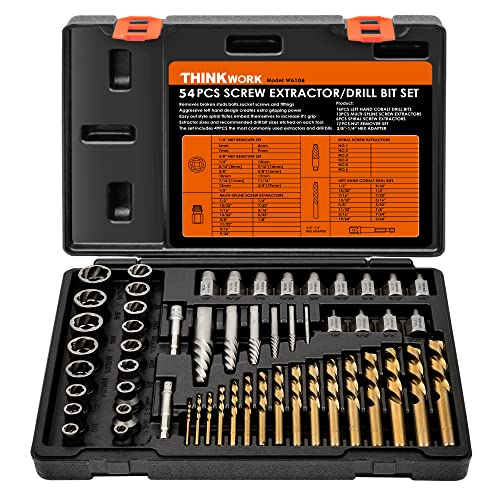
Spiral flute extractors grip tighter as you turn them counterclockwise, which makes them the most common type. Straight flute designs spread pressure more evenly and suit some broken bolts. Socket style extractors with reverse spiral teeth grip rounded heads and lug nuts from the outside, which is useful when the head is stripped but still present.
Material and Hardness
Look for hardened steel such as high carbon or chrome molybdenum. A brittle extractor can snap inside the bolt and create a much harder problem. Thicker walls and a clean machined finish usually mean a tougher tool.
Drive Type and Included Bits
Some extractors fit a tap wrench, others a socket drive or drill chuck. Many sets include left hand drill bits, which can catch and remove a small bolt while drilling the pilot hole. A set with a mix of both gives more options on a bad bolt.
Case and Organization
A sturdy case with labeled sizes saves time and keeps small pieces from vanishing. Check that the case latches securely, because a loose lid scatters the contents in a toolbox.
For rounded screws rather than bolts, our guide to the best screw extractor sets covers a closely related removal task.
How to Use an Extractor Properly
Measure the damaged bolt and check the size chart that comes with the set. Center punch the middle of the bolt so the drill bit does not wander, then drill a pilot hole that matches the extractor size, keeping the drill straight. An off center hole weakens the grip. Tap the extractor in firmly and turn it slowly with a wrench, using steady pressure rather than sudden force.
If the bolt does not move, stop and add penetrating oil, then wait before trying again. Patience matters more than strength here, and a slow approach protects both the extractor and the surrounding part. Wear eye protection when drilling and tapping hardened steel.
Common Mistakes to Avoid
- Drilling too large a pilot hole, which leaves too little material for the extractor to grip.
- Using a power drill at high speed to turn the extractor, which can snap it.
- Skipping penetrating oil on rusted fasteners.
- Using the wrong size extractor, which slips and rounds the hole further.
Care and Storage
Keep the set clean, dry and in its case, since rust on the extractors reduces their bite. After each use, wipe the tools and check the cutting edges for chips. Replace any extractor that shows cracks or wear, because a failed tool inside a bolt is far harder to remove than the original bolt. Keep penetrating oil, a center punch and a good drill together so the whole job can be done in one session.
Frequently Asked Questions
What size extractor do you need?
Match the extractor to the bolt diameter using the size chart supplied with the set, and drill the recommended pilot hole. A loose fit will slip, so when you are between sizes, choose the larger extractor that still fits the drilled hole.
Can you use an extractor with a power drill?
Some are made for drill use, but many work better with a hand wrench that gives you control over torque. High speed and sudden force raise the risk of snapping the tool, so check the instructions for your set before using power tools.
What if the extractor breaks inside the bolt?
A broken extractor is very hard to drill because the steel is hardened, so prevention matters more than repair. If a break happens, a machine shop may be the safest next step rather than more drilling at home.
Do you need penetrating oil?
It helps a great deal on rusted or seized bolts. Apply it, allow time to soak in, and reapply if the bolt still resists. Heat can also help on metal parts, but only where it is safe and will not damage nearby components.
Are cheap extractor sets worth buying?
Very cheap sets can be brittle and may snap under load. A mid range set from a reputable maker usually has better steel and clearer sizing. For occasional home use, a small but well made set is a sensible choice.
Final Thoughts
A good extractor set turns a frustrating repair into a manageable one, provided you choose the right size and work patiently. Match the range to your usual jobs, keep the tools in good condition and resist the urge to force a stuck bolt. Use the product table above to compare the best bolt extractor sets against your own list of jobs.