
Best Bouncy Chairs for Infants of 2026: Complete Buying Guide
Disclosure: We may earn a commission when you buy through links on this page, at no extra cost to you. As an Amazon Associate I earn from qualifying purchases. Learn more

Compare bouncy chairs for infants by harness safety, recline, bounce motion, weight limits, frame stability, fabric care, and size for your home and budget.
Choosing the best bouncy chairs for infants starts with safety and fit, not with extra features. A good bouncy chair gives a small baby a calm, supported place to rest near a caregiver, with a gentle bounce that responds to movement. The right chair also fits your room, your routine, and the weight and age limits set by the maker, so it is worth comparing those details before you buy.
This guide explains how bouncy chairs differ, which features matter most for infants, and how to judge size, materials, and care. The comparison table below can help you sort options by type and budget once you know your space and daily needs. Always follow the maker age and weight guidance, and use the chair only with adult supervision.
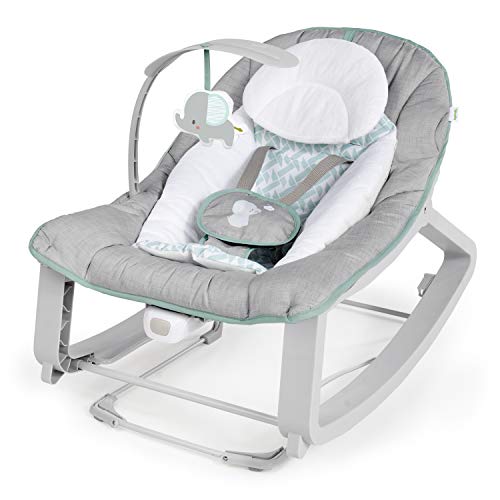


Spending Levels That Fit Different Homes
Spending levels for bouncy chairs differ mainly in materials, adjustability, and added comfort features, not in the basic job of giving a baby a supported seat. A lower spending option often has a simple frame, a fixed or limited recline, and a basic fabric seat. That can work well for short, supervised rest periods at home, as long as the harness, base, and weight limit meet the maker guidance for your baby.
Lower Spending Level
At a lower spending level, look for a stable base, a secure harness, and fabric that can be removed and washed. Expect fewer recline positions and simpler bounce motion, so check that the seat angle still supports your baby comfortably. Prices in this range are often about $30 to $80, and a simple chair can be a practical choice for a second home or a grandparent house.
Mid Spending Level
At a mid spending level, you may find more recline positions, better padding, and a sturdier frame with smoother bounce motion. Some chairs add a toy bar, a vibration setting, or a canopy, but those extras should never matter more than harness fit and base stability. Prices in this range are often about $80 to $160.
Higher Spending Level
At a higher spending level, chairs may offer premium fabrics, a more refined frame, and extra recline settings. Higher spending does not guarantee a safer chair, so still check the maker weight limit, harness design, and stability on your own floor. Prices in this range are often about $160 to $300.
How to Choose Bouncy Chairs for Infants: Buying Guide
Features That Matter for Infants
For infants, the most important features are a supportive seat, a secure harness, and a bounce motion that stays gentle and controlled. The seat should cradle the baby without letting the head flop forward or the body slide down. A three point or five point harness should sit snugly over the shoulders and hips. Check the maker age and weight limits, and stop using the chair when your baby reaches those limits or can sit up unaided, climb out, or push up strongly, as the maker directs.
Support and Adjustability
Recline positions let you change the seat angle for rest or alert time, and a recline lock can help hold the chosen angle. The seat should support the head, neck, and back in a natural position, with padding that does not bunch under the baby. Adjust the harness every time you place the baby in the chair, because clothing and growth change the fit.
Comfort and Cushioning
Comfort comes from even padding, breathable fabric, and a seat shape that does not press into the legs or back. High density foam can feel supportive, but it should still feel soft enough for short rest periods. A removable seat pad makes cleaning easier after spills, and a mesh panel can help airflow in a warm room.
Style and Room Fit
Measure the floor space where you plan to use the chair, and check the folded size if you need to store it between uses. Neutral colors and simple fabrics often blend well with many rooms, while bright patterns may suit a nursery better. A chair that folds flat can help in a small apartment, but folding ease should never come before base stability.
Build Quality and Frame
Build quality shows up in the frame, the joints, and the way the chair bounces. A wide, stable base resists tipping on a flat floor, and smooth joints should not pinch or wobble under normal use. Steel frames tend to feel sturdy, while well made plastic frames can feel lighter and easier to move.
Warranty and Return Policy
Check how long the frame and fabric are covered, what the maker counts as normal use, and whether the seller accepts returns if the chair does not fit your space. Keep the receipt and the maker instructions, because they carry the exact age and weight limits for your chair. A clear warranty does not make a chair safer on its own.
Materials and Upholstery
Materials affect cleaning, comfort, and durability. Mesh fabric can feel cool and light, while cotton blends can feel soft and familiar. Check whether the seat pad is machine washable, because frequent washing is part of life with an infant. Avoid loose threads, small detachable parts, and rough seams near the seat.
Types of Bouncy Chairs
Bouncy chairs fall into a few broad types, and each type suits a different home and routine. The types below describe general designs, not specific products, so use them to narrow your search. If you want a broader view of seating for babies, see our guide to the best infant chairs alongside this guide.
Budget Models
Budget models focus on the basics: a stable base, a simple bounce, and a washable seat. They often have fewer recline positions and plainer fabrics, but they can work well for short, supervised use. Choose a budget model only if the harness, base, and weight limit still meet your needs, and do not accept a wobbly frame just to save money.
Premium Models
Premium models add refined materials, smoother motion, and more recline or comfort settings. They may look better in a main living space, but the core safety checks stay the same. Compare the harness, base, and weight limit first, and treat premium extras as a bonus rather than a reason to overlook a poor fit.
Ergonomic Models
Ergonomic models focus on seat shape, head support, and a recline that keeps the baby in a natural resting position. Look for even padding, good neck support, and a harness that holds the baby without pressing into the shoulders. An ergonomic label alone does not prove a better fit for your baby, so check the seat shape and size against the maker guidance for age and weight.
Compact and Space Saving Models
Compact models fold small, weigh less, and store easily in a closet or car trunk. They suit small homes, travel to a caregiver house, and families who need to clear floor space often. Check the open footprint and base width carefully, because a very narrow base can feel less stable. A compact chair should still bounce smoothly and hold its recline setting without slipping.
When your baby grows beyond the bouncy chair stage, seating needs change, and many families compare feeding seats next. Our guide to the best high chairs for infants can help with that later stage, while our guide to the best bouncy chairs gives a broader view of the category. Buy for the stage your baby is in now.
Setup and Care Tips
- Place the chair on the floor: Always use the chair on a flat floor surface, never on a table, bed, or raised surface.
- Check the harness each time: Fasten the harness snugly before every use, and adjust it as your baby grows or clothing changes.
- Inspect straps and joints: Look for fraying, loose buckles, or wobbly joints, and stop using the chair if a safety part is damaged.
- Clean fabric as directed: Remove and wash the seat pad as the maker directs, and wipe the frame clean to remove dust and spills.
- Keep small parts away: Check toy bars and attachments for loose or small parts, and remove any part that could break off.
- Store it dry and flat: Fold and store the chair in a dry place, and check the bounce and recline lock again after storage.
Frequently Asked Questions
What features matter most in a bouncy chair for an infant?
The features that matter most are a secure harness, a stable base, a supportive seat, and a gentle bounce. A good seat supports the head and back without letting the baby slide down, and the harness should adjust easily for a snug fit. Check the maker age and weight limits, and choose a fabric you can clean often. Extra features like music or vibration should come after those core safety and comfort checks.
How do I choose the right size bouncy chair for an infant?
Choose the right size by checking the maker age and weight limits, then measuring the floor space where you will use the chair. The seat should fit your baby without excess room that lets the baby slide, and the base should sit flat without rocking. If you need to move or store the chair often, check the folded size and weight too.
Is an expensive bouncy chair worth it for an infant?
An expensive bouncy chair is worth it when the extra spending buys better padding, more recline settings, or a sturdier frame that you will use daily. A lower priced chair can work well for short, supervised rest, as long as the harness and base meet the maker guidance. Compare safety fit and comfort first.
What features matter most for long use of a bouncy chair?
For long daily use, washable fabric, a durable frame, and a harness that stays easy to adjust matter most. A seat that cleans well will cope with spills, and a frame that stays stable will feel safer over months of use. Check the bounce motion after washing or storage, and inspect straps and buckles often.
How long should a good bouncy chair last?
A good bouncy chair should last until your baby reaches the maker age or weight limit, or can sit up unaided, climb out, or push up strongly, as the maker directs. That period is often several months, but it varies by chair and by baby growth. Inspect the chair often, and retire it at the first limit reached, even if it still looks new.
Final Thoughts
Focus on three checks before you buy: does the harness fit snugly, does the base stay stable on your floor, and does the seat support your baby comfortably within the maker age and weight limits? Always supervise your baby in the chair, place it on the floor, and check straps and joints often.
For many families, the best bouncy chairs for infants are simply chairs that fit well, clean easily, and feel steady in daily use. Use the product table above to compare types and budgets, then choose the chair that matches your space and your baby stage. A careful choice gives your baby a calm place to rest during supervised time together.
