
Best Bottom Diaper Cover for 2026
Disclosure: We may earn a commission when you buy through links on this page, at no extra cost to you. As an Amazon Associate I earn from qualifying purchases. Learn more

Compare diaper cover prices, fit, closures, and laundry care so you can spend where it matters and avoid paying for features you will rarely use.
Choosing the best bottom diaper cover is mostly about fit, laundry, and how it works during bleary eyed changes. Prices vary widely, but a higher price does not always mean a better fit for your baby. The comparison table below shows the main styles side by side, and this guide explains where spending more helps and where it does not.
Start with your routine: how often you change diapers, whether you use cloth or disposable inserts, and how much laundry you want to handle. Those answers matter more than any single feature, and they will point you toward the right closure style, size range, and fabric.
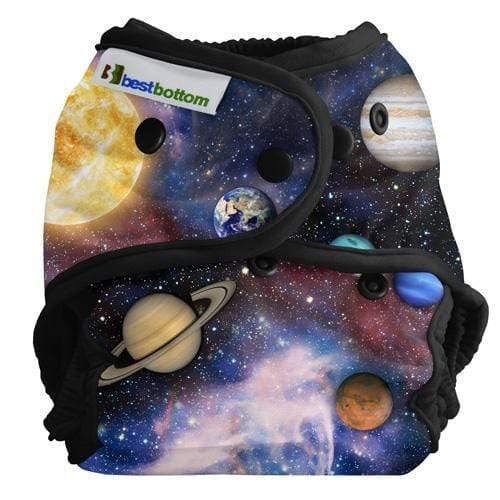

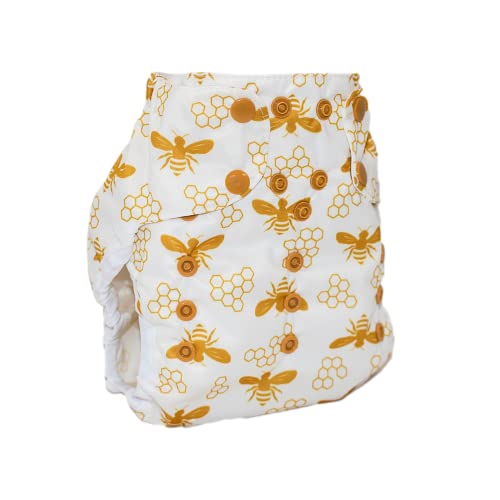
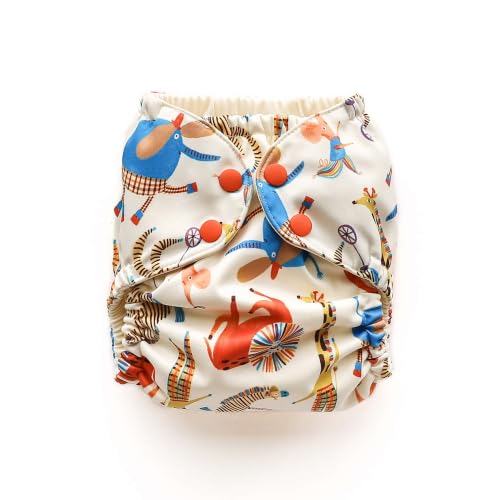
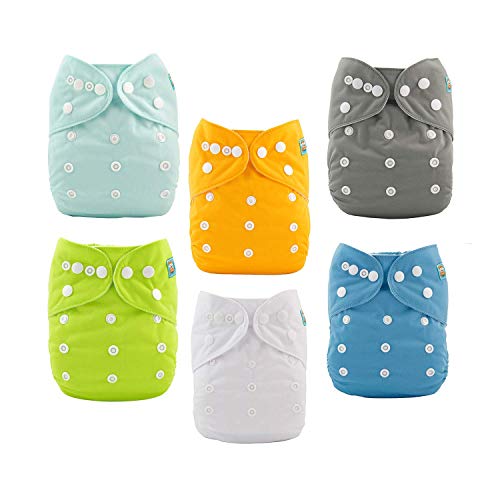

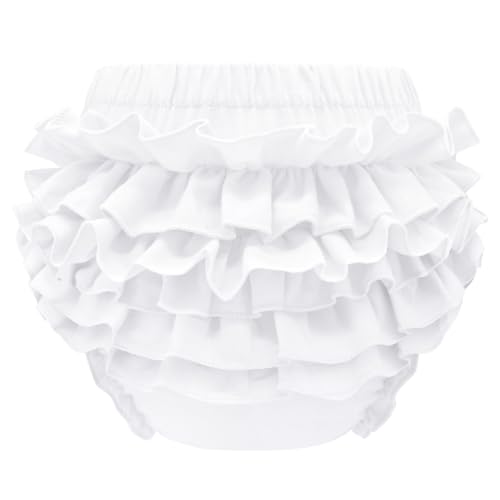
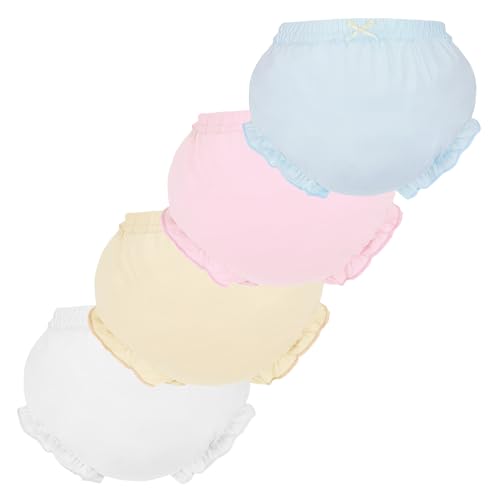
How to Narrow the Choice Before You Compare Prices
Fit First, Then Features
A diaper cover should sit snugly around the waist and legs without leaving deep marks on the skin. Check the maker weight and size guidance, since sizes vary between makers and a cover that is too large can leak. Adjustable snaps or hook and loop closures help you fine tune the fit as your baby grows. If you are between sizes, the smaller size often seals better, but watch for red marks after wear.
Closure Style and Night Changes
Snaps last well and resist curious little hands, but they take a moment longer to fasten. Hook and loop closures are faster with one hand, which helps during night changes, yet they can wear out sooner and may catch on other laundry. Think about who will do most changes and whether speed or long term durability matters more in your home.
Laundry Routine and Spare Count
Machine washable covers save time, but you still need enough spares to cover wash days and accidents. Most families keep several covers in rotation, plus extra inserts if the cover uses them. Check the care label for drying guidance, since high heat can wear out elastic and waterproof layers sooner. A simple design with few parts is usually easier to wash and dry.
What Your Money Gets You at Each Price Tier
Budget Tier: What to Expect
Budget covers, at about $8 to $15 each, usually offer simple waterproof layers, basic snaps or hook and loop closures, and a limited size range. They work well for trying cloth diapering or for backup use at daycare. Their trade offs can include thinner elastic, fewer size settings, and less breathable fabric. Buy a small number first to test the fit before stocking up.
Midrange Tier: A Strong Balance for Most Families
Midrange covers, at about $15 to $25 each, often add better elastic, more snap settings, softer inner layers, and sturdier closures. This tier suits daily use, since the fit adjusts as your baby grows and the cover survives frequent washing. Many families find this tier offers the best balance of durability and price, especially if they use covers every day.
Premium Tier: When Spending More Pays Off
Premium covers, at about $25 to $40 each, may offer wider size ranges, premium fabrics, gussets for extra leak protection, and refined closures. Spending more pays off mainly if you need a cover that lasts through more than one child or if your baby is between standard sizes. For occasional use, the extra features may not justify the price, so weigh your laundry load and growth plans first.
Features Worth Paying For and Ones to Skip
Ease of Use for Tired Parents
One handed closures, clear front and back markings, and a simple insert system all help during night changes. Worth paying for: closures you can fasten without looking, and a design that stays put during active play. Easy to skip: elaborate pocket systems you will rarely use, since a simple cover with a reliable closure often does the job faster.
Safety Standards and Certifications
For baby products, check whether the maker states compliance with relevant safety standards and guidance from bodies such as JPMA and CPSC, and follow the maker age and weight guidance. Worth paying for: clear labeling, sturdy snaps that cannot detach easily, and fabrics that meet stated standards. Easy to skip: vague safety claims with no standard named. Keep small parts away from children, use adult supervision during changes, and ask your pediatrician if you have questions about fit or skin irritation.
Comfort for Baby and Parent
Soft inner layers, gentle leg elastic, and breathable fabrics help a cover feel comfortable for long wear. Worth paying for: soft bindings around the legs and waist, and a cut that allows free leg movement. Easy to skip: heavy padding that adds bulk under clothes, since a trim cover fits better and moves more easily. Check for red marks after wear, and adjust the fit or size if marks persist.
Materials and Cleaning
Waterproof outer layers keep clothes dry, while washable inner layers simplify laundry. Worth paying for: machine washable fabrics, durable elastic, and closures that survive repeated washing. Easy to skip: fabrics that need special handling if you already face a heavy laundry load. Fewer parts usually mean faster washing, drying, and folding, which matters when you change diapers many times a day.
Long Term Costs to Factor In
The cover itself is only part of the cost. Add inserts or prefolds if the cover needs them, plus extra covers for wash days and daycare. Replacement elastic, worn closures, and outgrown sizes add up over time, so a durable midrange cover can cost less in total than several cheap covers that wear out quickly. Check warranty terms before buying, and keep the care label guidance to extend the life of each cover.
Frequently Asked Questions
Is a premium diaper cover really safer?
A premium price alone does not make a diaper cover safer. Safety depends on fit, sturdy closures, clear maker guidance, and compliance with relevant standards, not on price. A well fitting budget cover with secure snaps can be safer than a loose premium cover. Check the maker age and weight guidance, inspect closures before each use, and replace any cover with loose snaps or damaged elastic.
When should I buy a diaper cover before baby arrives?
Most families buy a small starter set during the final weeks of pregnancy, once they know their planned diapering approach. Start with a few covers in the newborn size range, rather than a large stock, since fit depends on your baby's weight and shape. You can add more covers after birth, once you know which closure style and size work best. Keep receipts in case you need a different size.
Is a diaper cover covered by insurance?
Diaper covers are usually not covered by health insurance, since they are everyday baby care items rather than medical devices. Some flexible spending accounts may treat certain baby care items differently, so check your plan rules if you want to use those funds. In general, budget for covers as a regular household cost, and keep your purchase records for your own tracking.
How long can my baby use a diaper cover?
How long a cover lasts depends on your baby's growth, the size range, and how often you wash it. Many covers fit for several months within one size range, and adjustable snaps can extend that range. Your baby has outgrown a cover when it leaves deep marks, gaps at the legs, or frequent leaks despite correct fastening. Replace worn elastic promptly, since stretched elastic leaks more easily.
How do I clean and sanitize a diaper cover?
Clean a diaper cover by following the maker care label, usually machine washing in warm water and air drying or tumble drying on low heat. Rinse soiled covers promptly, and avoid bleach unless the maker says it is safe, since bleach can damage waterproof layers. Check snaps and elastic after washing, and retire covers with damaged closures. For stubborn odor, an extra rinse cycle often helps more than harsh chemicals.
The Bottom Line
Fit, closure style, and laundry routine matter more than price alone. Choose a cover that seals well at the legs and waist, fastens easily during night changes, and survives your wash routine. The best bottom diaper cover is the one that fits your baby, suits your budget, and holds up through daily use. Compare the options in the product table above, and start with a small set before buying in bulk.


