
Best Bouncy Chairs in 2026: Types Compared and How to Choose
Disclosure: We may earn a commission when you buy through links on this page, at no extra cost to you. As an Amazon Associate I earn from qualifying purchases. Learn more

Compare bouncy chairs for babies by bounce style, recline, harness and weight limit, with a clear checklist for safe use, folding and easy cleaning.
A bouncy chair gives your baby a raised, cozy place to watch the room while you keep your hands free for a short task nearby. The best bouncy chairs bounce gently, support a young baby in a safe recline, and stay steady on the floor. Use the comparison table below to check each type against the points in this guide.
Start with your baby, not with extras. A newborn needs a flatter recline and firm head support, while an older baby who kicks hard needs a stronger bounce and a higher weight limit.
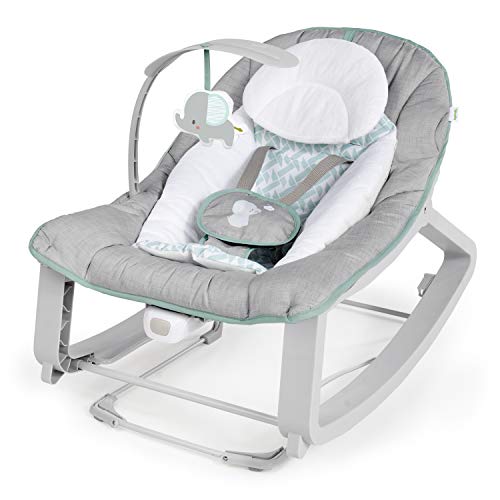


Who Should Buy Which Bouncy Chair?
Pick by baby stage and daily routine. The right chair for a sleepy newborn is rarely right for a strong, kicking baby of six months.
Parents of Newborns Who Need Full Head Support
Choose a deep recline and a seat shape that keeps the head centered, the chin away from the chest and the harness snug, without extra blankets behind it. If your baby was born early, has low muscle tone, breathes with effort, changes color, or seems unusually limp or hard to wake, seek medical care promptly, and talk with your clinician about personal needs before using a bouncy seat at all.
Parents in Small Homes Who Need a Flat Fold
Choose a light frame that folds flat and leans behind a door or slides under a sofa between uses. Weight matters as much as size here. Skip wide toy arches that do not detach, since a fixed arch can double the stored depth.
Grandparents and Caregivers Who Want Simple, Steady Use
Choose a manual chair with a wide base and a simple harness buckle. A plain bounce that your baby powers by kicking is easy to learn and hard to set wrong. A carry handle helps too.
Key Features to Compare
Compare in the same order each time. Motion first, then fit and safety, then cleaning, folding and power.
Bounce Motion and How Your Baby Powers It
A manual chair bounces when your baby kicks or shifts weight, and it slows when your baby rests. Automatic models add a steady motion from a motor, and vibration models add a gentle buzz through the seat pad. Stronger motion is not better for a newborn. Choose the softest setting that settles your baby, and check that the bounce stays smooth when the legs kick hard.
Recline Positions and Newborn Head Support
Recline sets the angle of the whole seat, and that angle decides how well a young baby is supported. A flatter position suits newborns, while a more upright position suits older babies who hold their heads steady. Some chairs offer two or three fixed angles. Pick one where the change clicks firmly into place and cannot slip.
Harness Type and Frame Stability
Most chairs use a three point harness at the waist and between the legs, and a few use a five point harness with shoulder straps. Straps should adjust from both sides and lie flat without twisting. The frame should sit on a wide base with grips that resist sliding on hard floors. Readers judging frames more broadly can see our guide to the best quality chairs.
Weight Limit and When to Stop Using a Bouncy Chair
Every chair carries a stated weight limit, often around 20 to 25 pounds for a simple bouncer, and a stage limit that matters just as much. Stop using the chair when your baby can sit without help, push up strongly or lean far enough to shift the frame, whichever comes first. Feet pushing flat against the floor is another sign to move on.
Seat Fabric, Padding and Removable Covers
The seat fabric catches milk, drool and diaper leaks, so a cover that removes in one piece and washes well will save you real time. Cotton blends feel soft in warm rooms, while smooth synthetic fabrics wipe clean faster and dry sooner. Padding should support without bulky rolls at the sides of the head. Check the care label first, because special washing often means a cover stays dirty longer.
Fold, Carry Weight and Power Options
Chairs weigh roughly 4 to 12 pounds, and that range feels large when you carry a baby in your other arm. A flat fold helps in cars and small homes. Powered models run on batteries or a wall adapter, and battery life varies widely. If you travel often, choose one that still works as a manual bouncer when the batteries run out.
Types of Bouncy Chairs Compared
The types below differ mainly in how the motion starts. Simple manual chairs often cost about $40 to $90, while powered and convertible models often cost about $90 to $250.
Manual Bounce Seats Powered by Your Baby
A manual seat has a springy frame and no motor, so your baby sets the pace and the chair rests when your baby rests. These seats are usually the lightest, the quietest and the easiest to fold. Their limit is simple. A very young or sleepy baby may not move enough at first to create much bounce.
Vibration and Automatic Bounce Seats
These seats add motion when your baby is too young or too unsettled to bounce alone. Vibration tends to soothe during short fussy periods, while a motor driven bounce repeats a steady rhythm. Check noise, speeds and whether the motion stops on a timer. This type earns its place only if the added motion truly helps your baby settle.
Convertible Seats That Become Toddler Chairs
A convertible model starts as a reclined bouncer, then locks into a low toddler chair. That longer life can justify a higher price and a larger frame. Confirm how the change works before you buy. The toddler stage should feel firm and still, with no bounce left in the seat.
Picking the Right Bouncy Chair for Different Stages
Stage matters more than age alone, because babies gain head control at different rates.
Best Infant Bouncy Chairs
The phrase best bouncy chairs for infants points to chairs made for the youngest babies, and three points set them apart. Look for the flattest recline in the range, a shaped insert that supports the head and trunk without loose padding, and a low starting weight on the label so the harness fits a small baby snugly. Infant models also bounce with very light movement.
Common Mistakes to Avoid
Most problems come from place and timing, not from the chair itself.
- Letting a baby sleep in a bouncy chair leaves the head at an unsafe angle, so move a sleeping baby to a flat sleep surface.
- Placing the chair on a sofa, bed or table raises the fall risk sharply if your baby pushes hard.
- Leaving the harness loose lets a small baby slump or slide down, spoiling comfort and support.
- Using the chair after your baby can sit or climb invites tipping, even below the stated weight limit.
- Adding loose blankets or pillows behind the head can push the chin toward the chest.
- Rocking the chair hard by hand makes the motion rougher than the frame was built for.
Care and Maintenance of a Bouncy Chair
Wash the removable cover as the label directs and let it dry fully before you refit it. Wipe the frame and straps with a damp cloth and mild soap, then dry the buckle area so grit does not build up inside the clasp.
Check harness stitching, adjusters and frame joints every few weeks, and stop using the chair if a strap frays or the base rocks on a flat floor. Store it dry and out of direct sun. Remove batteries from a powered model during long storage.
Frequently Asked Questions
How do I choose the right size bouncy chair for my baby?
Choose by weight limit and stage first, then by how your baby fits today. Your baby should sit deep in the seat with the harness snug and the head supported. Leave growth room in length, not in strap looseness. Near the top of the limit, a convertible model may be wiser than a larger simple bouncer.
Can a baby sleep in a bouncy chair?
No, a baby should not sleep in a bouncy chair. These seats are for awake time with an adult nearby, and the reclined angle is not a sleep position. If your baby falls asleep in the chair, move your baby to a firm, flat sleep surface on the back. Plan for this after car rides too.
How long can a baby stay in a bouncy chair at one time?
Keep each stay short, around 20 to 30 minutes, and take your baby out sooner if fussing, slumping or sweating starts. Short stays protect time on the floor, where your baby builds strength by kicking freely and pushing against a mat. Several brief sits between feeds and floor play suit most babies better than one long sit.
Is an expensive bouncy chair worth it for a baby?
An expensive bouncy chair is worth it only when the extra cost buys a stage or motion you will truly use. A convertible frame, a washable cover with a spare, or a quiet motor can each earn their price. Songs, lights and large toy bars rarely do. Spend first on recline and harness fit.
How long should a good bouncy chair last for a baby?
A good bouncy chair should last through the full bounce stage of one baby, often the first six to nine months, without loose joints or worn straps. Its life ends by stage once your baby can sit or climb. Before reuse for a younger sibling, inspect the harness and frame again and check the maker site for any recall on that model.
Final Thoughts
Put fit first. A safe recline, a snug harness and a weight limit that matches your baby stage matter more than songs or lights. Then check the product table above for size, power and price.
When you compare best bouncy chairs with those points in order, the choice usually narrows fast. Buy the simplest chair that fits your baby well today, and use it on the floor for short awake periods.
