
Best Bouncy Chairs for Newborns in 2026: Every Type Explained Side by Side
Disclosure: We may earn a commission when you buy through links on this page, at no extra cost to you. As an Amazon Associate I earn from qualifying purchases. Learn more

Compare bouncy chairs for newborns by recline, harness and motion, with clear guidance on safe awake use, folding size, washable fabrics and price.
Choosing a seat for a baby who cannot yet hold up the head can feel confusing, because many bouncers look alike in photos. The best bouncy chairs for newborns share a deep recline, full body support and a secure harness, while others suit older babies better. This guide compares each type so you can use the comparison table below with confidence.
Most families want a safe floor level spot for short awake periods while they cook or fold laundry nearby. The sections below match that need to motion, size, fabric and price.
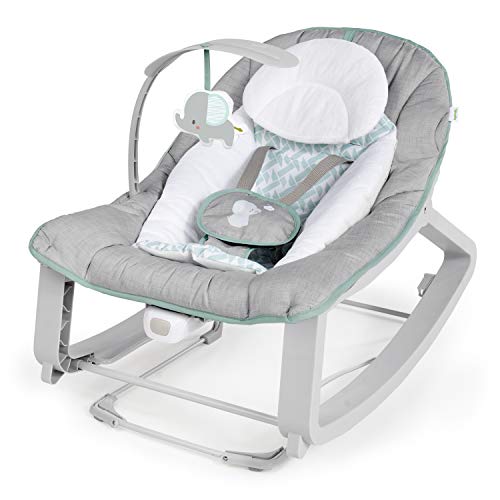


Who Should Buy a Bouncy Chair for a Newborn?
Pick by your daily routine and your room, not by color or extras. If you are still weighing other seat types, see our guide to the best chairs for newborns.
Parents Who Need a Brief Hands Free Spot
You need both hands for a few minutes while your newborn stays awake, supervised and close to you on the floor. Choose a low stable frame and a harness you can fasten quickly. A seat you can move between rooms without waking a calm baby will get the most use.
Families in Small Homes With Little Storage
You need a seat that folds flat and slides behind a sofa or into a closet between uses. Choose a light frame of about 5 to 9 pounds and skip bulky bases that stay open all day. Measure your storage gap before you buy, because a slim fold matters more than extra songs or lights.
Parents Whose Newborns Settle With Gentle Motion
Some newborns relax when small kicks create a soft bounce, while others prefer a still seat. Choose a responsive frame if motion calms your baby, and try short sessions at first. If your baby cries harder as the bounce grows, pick a model with a gentle vibration setting instead.
Types of Bouncy Chairs for Newborns Compared
Each type creates comfort in a different way, and price rises with power and extras. If your baby is past the earliest weeks, see our guide to the best bouncy chairs for a broader age range.
Classic Baby Powered Bouncers
These seats bounce only when your baby moves, so the motion stays gentle and stops when your baby rests. They need no batteries, weigh the least and often fold the flattest, at about $40 to $80. A sleepy newborn who barely moves will get very little bounce at first.
Bouncers With a Vibration Soothing Unit
A small battery unit adds steady vibration through the seat pad, and some models add soft sounds. They can help during fussy awake periods and often cost about $60 to $120. You will replace or recharge batteries, and the frame weighs slightly more than a classic model.
Convertible Bouncers That Become Toddler Seats
These frames start with a deep reclined newborn position and later lock upright as a low chair for an older child. They cost more at about $100 to $200, but they stay useful past the newborn months. Check that a toddler cannot release the upright lock.
Compact Travel Bouncers
Travel models use a narrow frame, a quick fold and a carry handle or bag for visits to family. They suit grandparents homes and short trips, at about $50 to $110. Their seats can run smaller, so check the weight limit if your baby is growing fast.
Key Features to Compare
Compare the best bouncy chairs for newborns on support and safety first, then on motion and extras. The five factors below decide daily comfort.
Recline Angle and Newborn Body Support
A newborn needs a deep recline that keeps the head, neck and back in one supported line, with the chin away from the chest. Look for a padded insert that lifts the smallest babies into the harness straps and fills the gap behind the shoulders. Two or three recline positions let you raise the seat slightly as your baby grows. Avoid seats that sit a newborn too upright, because slumping can make breathing harder.
Harness Fit and Frame Stability
Choose at least a three point harness with a strap between the legs and straps over both hips, plus padding where the buckle rests. The straps should adjust low and snug for a small newborn and lengthen as your baby grows. The frame should feel firm on a hard floor, with wide legs and non slip feet. Give the empty seat a gentle push before first use and confirm that all feet stay planted.
Bounce Motion and Soothing Settings
Motion should start with little effort and stay smooth, without a sharp jolt at the top of each bounce. On powered models, look for more than one vibration level so you can use the lowest setting that settles your baby. Sounds and lights are optional and should turn off fully, because a quiet seat suits calm awake time better for many newborns. Check typical battery life before you buy.
Fabric, Padding and Easy Cleaning
Newborn seats face milk spills, spit up and diaper leaks, so a cover that removes in one piece and goes in the wash saves real time. Soft breathable fabric helps in warm rooms, while smooth woven fabric wipes clean faster after small spills. Padding should support without deep loose folds around the face. Buy a seat with a spare cover if you can, because laundry rarely keeps pace with a newborn in the first month.
Fold, Seat Weight and Floor Space
Most newborn bouncers open to about 24 to 32 inches long and 16 to 22 inches wide, so measure the clear floor area where you will place the seat. A fold that works with one hand helps when your other arm holds the baby, though never fold the frame while your baby is in the seat. Lighter seats of about 5 to 9 pounds move easily between rooms, while heavier convertible frames trade that ease for longer use.
How to Use a Bouncy Chair Safely With a Newborn
Place the bouncer only on the floor, never on a bed, sofa, table or counter, and stay in the room with your baby awake and in view. Always fasten the harness and keep the seat away from cords and heaters. A bouncer is not a sleep device, so move a sleeping baby to a flat firm crib or bassinet on the back.
Seek medical care promptly for trouble breathing, lips or face turning pale or blue, unusual sleepiness or hard waking, poor feeding, a fever in a baby under three months, or repeated vomiting, and talk with your pediatric clinician about personal needs and any concern about growth or development. This guide gives general comfort information only.
Common Mistakes to Avoid
- Letting a newborn sleep in a bouncer leaves the head tilted and delays a move to a flat sleep surface.
- Placing a bouncer on a sofa or table lets bouncing shift the frame toward an edge and cause a fall.
- Leaving the harness loose lets a small baby slide down and slump against the straps.
- Using a bouncer past its weight limit or after your baby pushes up raises tip risk.
- Propping a bottle in the seat leaves your baby without help if choking starts.
- Skipping floor time each day reduces practice your baby needs for head and trunk strength.
Care and Maintenance for a Newborn Bouncer
Remove and wash the cover as the maker directs, using a gentle cycle and air drying when the label allows, so padding keeps its shape. Wipe the frame and harness webbing with a damp cloth and mild soap, then dry fully before the next use. Check buckles, stitching and frame joints each week, and stop using the seat if a latch cracks or a leg bends. Store it indoors away from sun and damp.
FAQ
When can a newborn start using a bouncy chair?
A newborn can use a bouncy chair from birth if the seat offers a full recline, a newborn insert and a weight range that starts low enough for your baby. Begin with awake sessions of a few minutes and watch posture the whole time. Premature babies may need a later start, so ask your pediatric clinician before first use in that case.
How long can a newborn stay in a bouncy chair at one time?
Keep each newborn bouncy chair session short, about 15 to 20 minutes at a time, and break up seat time with holding and floor play. Longer stretches keep the head and trunk in one curved position and can flatten the back of the head over time. Fussiness or slumping means your baby needs a position change.
Can a newborn sleep in a bouncy chair overnight?
No, a newborn should not sleep in a bouncy chair overnight or for naps. The curved seat is built for supervised awake time, and a sleeping baby belongs on the back on a flat firm surface with no loose bedding. If your baby falls asleep in the seat, move your baby gently to a crib or bassinet.
When should parents stop using a bouncy chair for a newborn?
Stop using a newborn bouncy chair when your baby reaches the stated weight limit, tries to sit up, or pushes up on hands, whichever comes first. That point often arrives around five to six months, but active babies can reach it sooner. As your baby grows, see our guide to the best bouncy chairs for infants for the next stage.
Does a newborn bouncy chair need a toy bar?
No, a newborn bouncy chair does not need a toy bar, and many newborns prefer a plain view of your face in the first weeks. If you choose one, pick soft toys that hang high enough to look at without touching the face and that remove easily for washing. Remove the bar if your baby turns away or arches.
Wrapping Up
Match the seat to your newborn first, with a deep recline, a snug harness and a frame that stays steady on the floor. Then choose the motion type, fold and fabric that fit your rooms and laundry routine. Use the product table above to check weight limits, open size and price.
When you compare the best bouncy chairs for newborns with those points in mind, the right choice is usually the simplest seat that supports your baby well. Keep sessions short and supervised.
