
Best Bosch Impact Driver: 12V vs 18V, Torque and Kits (2026)
Disclosure: We may earn a commission when you buy through links on this page, at no extra cost to you. As an Amazon Associate I earn from qualifying purchases. Learn more

Best Bosch impact driver guide: 12V vs 18V platforms, torque, speed modes and kit choices for home projects and pro work.
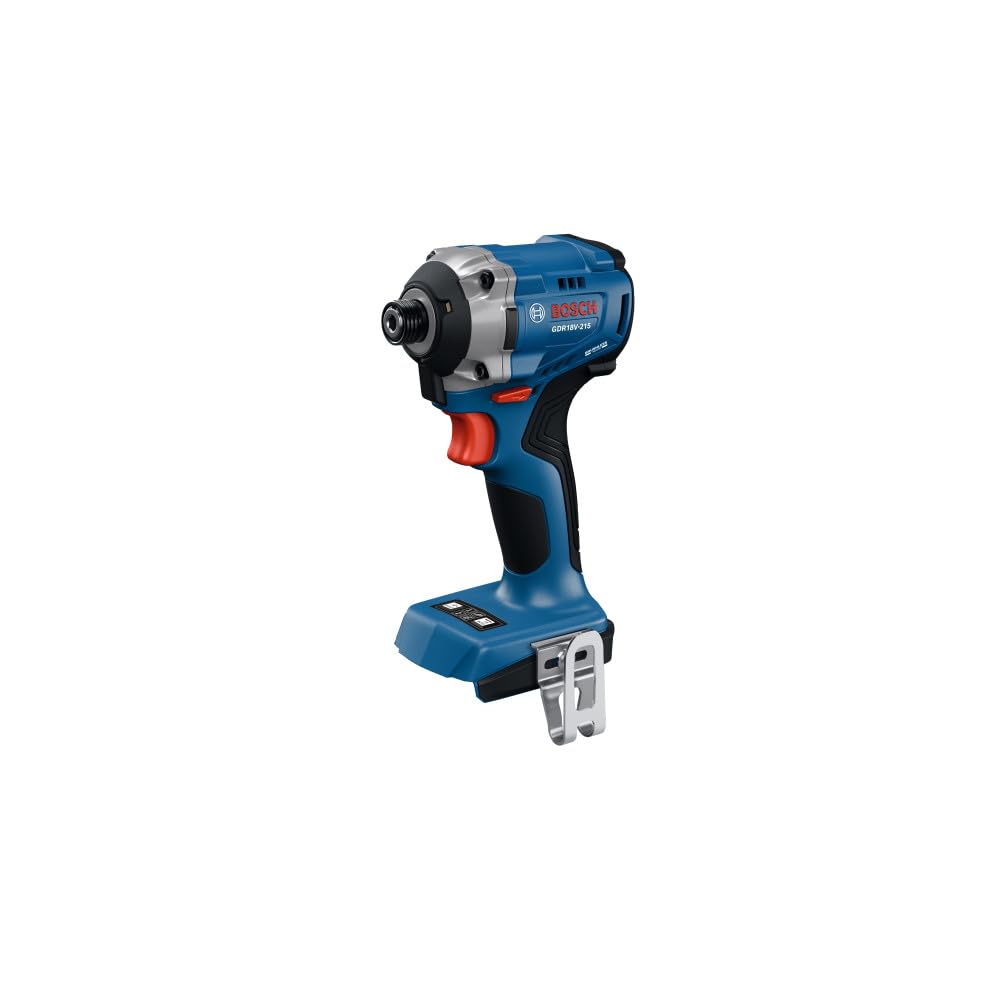
Bosch sells several impact drivers that look alike on the shelf, yet they differ in torque, size, speed control, and battery platform, so picking the wrong one is easy. This guide to finding the best bosch impact driver for your work compares the lineup by power, runtime, and comfort, and it explains which type suits decks, cabinets, flat pack furniture, and shop tasks. The product table shows the main models side by side so you can spot the differences fast.
By the end, you will know whether a compact 12 volt model, a versatile 18 volt model, or a stronger hybrid tool fits your projects and budget. If you are still weighing brands, our guide to the best impact driver across all makers is a helpful place to start.


Who Should Buy Which Bosch Impact Driver?
Homeowners and Weekend DIY Users
A mid range 18 volt Bosch impact driver covers nearly everything around a house, from hanging curtain rods and building raised garden beds to assembling shelving and driving lag bolts into deck framing. You get enough torque for lumber work without the bulk of a pro grade tool, and one battery can also run a drill driver from the same platform. If most of your jobs are repairs, furniture assembly, and seasonal projects, this is the sweet spot, and our guide to the best impact driver for home use explains how home needs differ from job site needs.
Cabinet, Furniture, and Tight Space Work
Short head length matters more than raw torque when you drive screws inside cabinets, between studs, or under a sink. A compact Bosch model, especially from the 12 volt line, slips into spots a full size tool cannot reach and stays light during overhead work. The trade off is lower torque, so long structural screws in dense lumber will strain it. If tight quarters define your work, compare the compact options in our guide to the best compact impact driver before you buy.
Pros, Remodelers, and Frequent Fastener Work
If you drive fasteners all day, look at the stronger 18 volt Bosch models with brushless motors, multiple speed settings, and higher impact rates. These tools sink long lag bolts and structural screws with less effort from your wrist, since the impact action does the twisting instead of your arm. A hybrid model that accepts both hex bits and sockets also suits mixed work. Drivers who split time between the shop and vehicles may also want our guide to the best impact driver for automotive for socket focused advice.
Best Bosch Impact Driver: Key Features to Compare
Torque and Impact Rate
Torque tells you how hard the tool twists, and it is usually listed in inch pounds. Compact Bosch models sit at the lower end of the range, while full size 18 volt models deliver far more, enough for lag bolts and structural screws in framing lumber. Impact rate, shown as impacts per minute, affects how fast the tool drives once resistance builds. More torque is not always better, though. Excess power snaps small screws and strips soft material, so match the rating to the fasteners you use most rather than chasing the biggest number.
Speed Settings and Control Modes
Many Bosch impact drivers offer two or three speed and torque settings, and that control matters more than most buyers expect. The lowest setting gives you a gentle start for cabinet hardware, small screws, and delicate assembly work where a full power burst would split the wood or spin the screw through the surface. Higher settings handle decking and framing. Some models add modes that pause or slow the tool once a fastener seats, which helps prevent snapped bolts and damaged threads. If you switch between fine work and rough work often, multiple settings earn their cost quickly.
Battery Platform and Runtime
Bosch impact drivers run on either the 12 volt or the 18 volt battery platform, and the choice shapes every tool you buy afterward, since batteries and chargers work across tools on the same platform. The 18 volt packs hold more energy, drive more screws per charge, and power a much wider tool range, while 12 volt packs keep the tool small and light. Compact high capacity packs balance weight and runtime for most users. If you already own Bosch cordless tools, staying on your current platform saves real money, because a bare tool costs far less than a full kit.
Size, Weight, and Grip Comfort
Head length decides whether the tool fits between joists or inside a cabinet, and overall weight decides how your arm feels after an hour of overhead driving. Compact Bosch models have short heads, while full size models run longer. Grip shape matters too, since a slim grip suits smaller hands and reduces fatigue. A built in LED light near the chuck helps in dark corners, and a belt hook keeps the tool at your side on a ladder. Hold both sizes in mind against your typical work space before you choose.
Chuck Type and Bit Changes
Most Bosch impact drivers use a quarter inch hex collet that accepts standard hex shank bits, and many let you load a bit with one hand by pushing it straight in. Ejecting the bit often takes a pull on the collet sleeve. Hybrid models add a half inch square drive on the outside of the collet, so the same tool runs sockets without an adapter. That dual setup suits users who move between screws and bolts all day. Whatever you choose, use impact rated bits, because standard bits can shatter under repeated hammer blows. Understanding where sockets end and bits begin is easier once you read impact driver vs impact wrench, since the two tools overlap more than most people expect.
Motor Type and Durability
Brushless motors appear on most current Bosch impact drivers, and they bring real advantages over older brushed designs. With no brushes to wear out, the motor runs cooler, lasts longer, and draws power more efficiently, which stretches runtime per charge. Electronic control also lets the tool adjust output to the load instead of spinning at full force all the time. Brushed models still exist at lower prices and work fine for light use, but frequent users usually get better value from brushless. Solid housing, metal gear cases, and a clear warranty round out the durability picture.
The Bosch Impact Driver Lineup Explained
The Bosch range breaks into three clear groups. The 12 volt models are the smallest and lightest, built for assembly, cabinet work, and light repairs where control beats power. The standard 18 volt models are the all rounders, with enough torque for decks, fences, and general construction, plus access to the widest battery and tool platform Bosch sells. At the top, the stronger 18 volt models and hybrid driver wrench designs add torque, extra speed modes, and socket capacity for pros and heavy remodel work.
Price follows that ladder. Single driver listings in the product table run from roughly $110 to $190, and bundled combo kits add a second tool to the box. Bare tools cost less when you already own matching batteries and a charger. Bosch also sells some models in both kit and bare tool form with nearly identical names, so read the listing closely before you order.
Common Mistakes to Avoid
- Buying torque you cannot control: a top tier model with no low speed setting snaps small screws and damages delicate work.
- Mixing battery platforms by accident: a 12 volt battery never fits an 18 volt tool, so a bargain bare tool can turn into a costly extra battery and charger purchase.
- Using standard drill bits: non rated bits can crack or shatter under impact blows, so always match the bit to the tool.
- Skipping the bit check before driving: a partly seated bit wobbles, cams out of the screw head, and chews up both the fastener and the work surface.
- Leaning on the tool like a drill: pushing hard adds little driving force, because the impact mechanism does the work, and excess pressure only tires your arm.
- Ignoring head length: a powerful tool that cannot fit inside your cabinet or between your joists will sit unused while a smaller tool does the job.
How to Make Your Bosch Impact Driver Last Longer
Blow dust out of the vents and collet with dry compressed air after dusty jobs, and wipe the housing with a dry or slightly damp cloth. Dirt packed into the collet makes bits stick and seat poorly, so keep that area clean. Store batteries indoors at moderate temperatures, partly charged rather than fully drained, and keep them off cold concrete floors in winter. Let a hot battery cool before charging it.
Inspect bits often and retire any with rounded or cracked shanks, since a failing bit damages screw heads and stresses the collet. Avoid dropping the tool onto concrete where you can, and check the chuck for growing wobble, which signals wear worth a service visit. If the tool starts losing power, overheating quickly, or making grinding sounds, stop using it and contact Bosch service or a qualified repair shop rather than forcing it through the job. Our guide on how to use an impact driver covers grip, stance, and driving technique that reduce wear on both the tool and your fasteners.
FAQ
Which Bosch impact driver should I buy first if I own no cordless tools?
Start with a standard 18 volt kit that includes two batteries and a charger. That platform powers the widest range of Bosch drills, saws, and lights, so later tools cost less as bare units. A mid torque model with at least two speed settings handles home and yard projects without the price of the top tier line, and the second battery means one can charge while you keep working.
Is Bosch a good impact driver brand compared with other pro brands?
Yes. Bosch sits firmly in the pro tier, known for compact designs, refined speed control, and durable brushless motors. Rival brands may offer slightly higher peak torque or larger tool catalogs, but Bosch owners tend to praise balance and finesse on detailed work. Brand choice often comes down to which battery platform you already own, since switching platforms costs far more than any small spec gap between top brands.
How long does a Bosch impact driver usually last?
With normal care, a brushless Bosch impact driver often serves five to ten years of regular use, and the motor itself rarely fails first. Batteries usually wear out sooner, typically after a few years of heavy cycling, and collets and chucks can loosen with age. Warranty terms vary by model and region, so register the tool and keep your receipt, and treat fading runtime as a battery issue to rule out before blaming the tool.
Is an impact driver worth it if I already own a drill driver?
For most people who build, repair, or remodel regularly, yes. An impact driver drives long screws and lag bolts with far less wrist strain, because the hammer action absorbs the twisting force that makes a drill kick back. It also leaves your drill free for drilling holes, so you stop swapping bits mid task. If you only hang the odd picture frame, a drill driver alone is enough, and the money is better spent on quality bits.
Can a Bosch impact driver remove lug nuts on a car?
A standard impact driver is not the right tool for lug nuts, even though a socket adapter makes it tempting. Lug nuts need sustained torque well beyond what most impact drivers deliver, and forcing the job overheats the tool and can leave nuts under tightened, which is a safety risk on the road. A hybrid Bosch model handles light socket work such as small bolts and fasteners, but wheel service calls for a proper impact wrench and a torque wrench to finish.
Final Thoughts
The right choice comes down to fit. Pick the 12 volt line for compact control, the standard 18 volt line for all round value, and the stronger 18 volt or hybrid models for daily heavy driving. Check the product table above once more, match the platform to any Bosch batteries you already own, and you will land on the best bosch impact driver for your bench without overspending on power you will never use.


