
Best Bosch Cordless Drill (2026): 12V, 18V and Hammer Types
Disclosure: We may earn a commission when you buy through links on this page, at no extra cost to you. As an Amazon Associate I earn from qualifying purchases. Learn more

Platform, chuck and motor advice for choosing the best bosch cordless drill, from compact 12V models to 18V hammer drill drivers.
Choosing inside one brand sounds simple until you face two voltage platforms, brushed and brushless motors, and versions with or without a hammer function. The best bosch cordless drill for you depends on the materials you drill and the screws you drive. This guide sorts the lineup into clear types and compares power, battery platform and runtime, and ergonomics and weight, so you can match a type to your work before you spend anything.
Use the product table below to line up real models side by side, then read on for the details behind each type. To see how Bosch stacks up against other brands, our guide to the best cordless drill options covers the wider field, while readers with only household jobs may prefer our guide to the best cordless drill for home use.
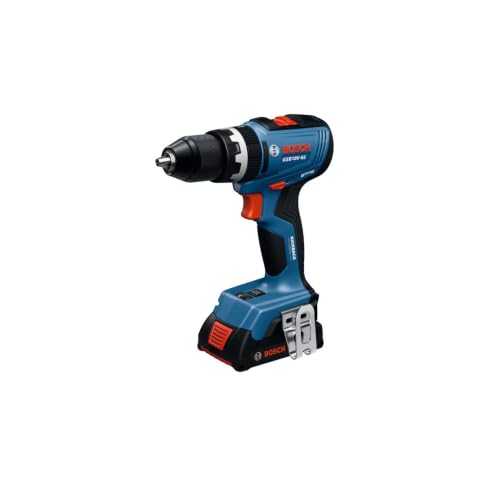

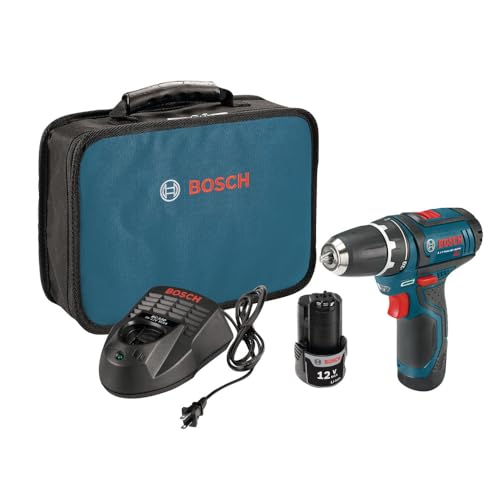
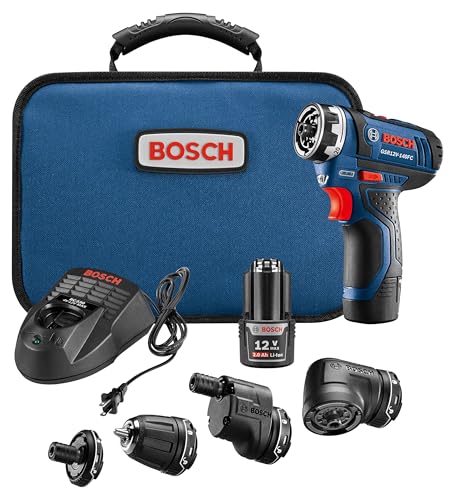
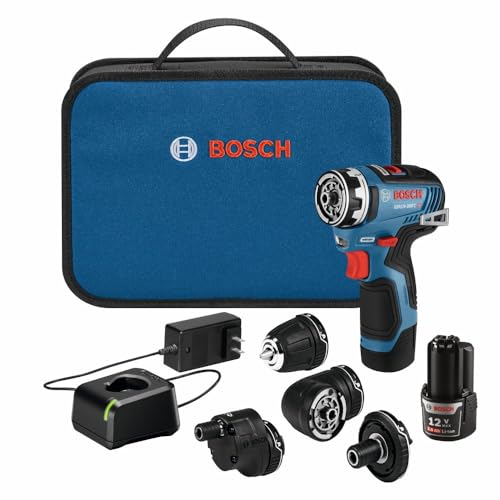


Types of Bosch Cordless Drills Compared
Bosch builds its range around three broad types, and the differences between them decide how the tool feels and what it can handle.
Compact 12 Volt Drills for Light Work
A compact 12 volt drill is the smallest and lightest type in the range, built for assembly, cabinet work, and drilling in tight spots inside furniture. Torque is modest, so it suits pilot holes, hinges, and small screws rather than large fasteners in dense lumber. Many use a smaller chuck or a hex holder, which keeps the head short. Choose this type when low weight and access matter more than raw power.
18 Volt Drill Drivers for General Use
The 18 volt drill driver is the core of the lineup and the type most buyers should start with. It pairs a one half inch keyless chuck with a two speed gearbox, so the low range drives screws with control and the high range drills holes quickly. Brushed versions cost less, while brushless versions run cooler and stretch each charge further. This type handles deck repairs and wall anchors with room to spare, which makes it the most balanced choice for a single drill household.
18 Volt Hammer Drill Drivers for Masonry
A hammer drill driver adds a percussion action that pulses the bit forward as it spins, which helps it bite into brick, block, and concrete for anchor holes. It still works as a normal drill driver with the hammer mode off. Expect more weight and a higher price than a plain drill driver. If you mount shelves on masonry walls often, compare dedicated options in our guide to the best hammer cordless drill.
Who Should Buy Which Bosch Drill
Your project list should pick the type.
Homeowners Handling Repairs and Assembly
If your jobs are curtain rods, picture hooks, furniture assembly, and the odd shelf, a compact 12 volt drill or an entry 18 volt drill driver covers everything without tiring your arm. You gain little from a hammer function unless your walls are brick or concrete. A kit with one battery is usually enough, because your sessions are short.
DIY Builders Taking On Larger Projects
Renovations, deck work, and shop builds call for an 18 volt brushless drill driver with two batteries, because drilling all day exposes weak runtime fast. The larger chuck takes bigger bits and hole saws. If your projects include masonry anchors, step up to the hammer version rather than buying a second tool later.
Renters With Limited Storage Space
A small apartment rewards a drill that stores in a drawer and charges on a counter. A compact 12 volt model in a soft case fits that life, and its low weight helps when you drill overhead for curtain hardware. Skip spare batteries and bulky bundles you have nowhere to keep. One caution applies to every renter, though. Check your lease before drilling into walls, since anchor holes in tile or masonry can cost you part of a deposit.
How to Evaluate a Bosch Cordless Drill
Judge any model in this range on five criteria. Power and performance come first, meaning torque for driving and speed range for drilling. Battery platform and runtime come next, followed by ergonomics and weight, then durability of the chuck and gearbox, and finally warranty length and service support. Base your comparison on maker data sheets and patterns in verified buyer reports, rather than on headline voltage alone, since voltage tells you the platform, not how hard the tool works.
How to Choose the Right Cordless Drill
The sections below walk through the decisions in the order they matter. Our longer overview of how to choose a cordless drill adds more depth if you want it.
Type and Chuck Size
Start with the work the tool must do. A drill driver covers drilling and screwdriving in wood, metal, and plastic, while the hammer version adds light masonry. A right angle variant exists for bores between studs, but it is a specialty second tool. Chuck size then sets your bit ceiling. A 3/8 inch chuck suits light duty models, while a 1/2 inch chuck accepts larger bits and hole saws. Note that Bosch sells 12 volt and 18 volt platforms in the US, so a 20 volt label belongs to other brands.
Battery Platform and Runtime
Batteries are the long term cost in any cordless system, because packs, chargers, and future tools all tie back to the platform you pick today. Within the Bosch range, 12 volt packs serve the compact line and 18 volt packs serve the full size line, and the two families do not interchange. Larger amp hour packs run longer under heavy loads, but they add weight at the base of the tool. If you already own Bosch batteries in one family, a bare tool in that family costs far less than a fresh kit.
Brushless Motors
A brushless motor replaces carbon brushes with electronic control, so it wastes less energy as heat and usually delivers more work per charge. It also removes a wear part, which means less upkeep over the life of the tool. The trade off is price, since brushless models sit above brushed ones with similar torque. Choose brushless if you drill often or plan to keep the tool for many years. Occasional users who drill a few holes a month will rarely notice the difference.
Features Worth Paying For
A few extras earn their cost. An LED work light helps inside cabinets, a belt hook keeps the drill at your side on a ladder, and a side handle adds control for large bits. A bundled impact driver only makes sense if you drive long fasteners often, and our explainer on drill vs impact driver shows where each tool wins. Accessory bundles with huge bit counts often pad the box with sizes you will never touch, so a short quality bit set is the smarter add on.
How Much Should You Spend?
Expect compact 12 volt kits at about $80 to $130, mainstream 18 volt drill driver kits at about $100 to $200, and brushless hammer models at about $180 to $300 with two batteries. Spending more mainly buys torque, runtime, and a tougher build. A corded drill costs less and never needs charging, yet the cord limits reach and setup time, which is why most buyers accept the battery premium.
The Bosch Cordless Drill Lineup Explained
Think of the lineup as a ladder. The bottom rung is the compact 12 volt family for assembly and tight access. The middle rung is the 18 volt drill driver family, split into brushed models for value and brushless models for heavier use. The top rung is the 18 volt hammer family for buyers who drill masonry often. Combo kits pair a drill driver with an impact driver and shared batteries, which lowers the cost per tool when you truly need both.
Two checks prevent most buying regrets. First, confirm the kit contents before ordering, because some listings sell a bare tool with no battery or charger. Second, confirm that any extra pack matches your voltage family and charger. Prices and availability can change, so check the product page before ordering.
Common Mistakes to Avoid
- Choosing by voltage alone, because an 18 volt label says nothing about torque or chuck quality.
- Buying a bare tool without owning matching batteries and a charger, so the saving vanishes when you buy them separately.
- Driving large lag bolts with a drill driver on a high clutch setting, which can snap fasteners or twist the tool in your hand.
- Skipping the hammer function when most of your walls are brick, so anchor holes take far longer and wear bits out early.
- Ignoring weight and grip size, because a drill that feels fine in a store can strain your wrist during overhead work.
How to Make Your Bosch Cordless Drill Last Longer
Store batteries indoors at room temperature and avoid leaving them on the charger for weeks, since long storage at a full charge ages a pack faster. Keep batteries partly charged if the drill will sit unused for months. Wipe the housing after dusty jobs and check that the chuck still grips bits without wobble. New users can build safe habits early with our walkthrough of how to use a cordless drill, which covers clutch settings and bit changes.
Let a hot battery cool before charging, and if you drop the drill, inspect the housing and chuck before the next use. Keep sharp bits in the chuck, because dull bits force the motor to work harder and drain the pack sooner. Stop using any battery that swells or cracks, and follow the maker guidance for disposal. Wear eye protection when drilling, clamp small workpieces, and remove the battery before changing bits.
FAQ
What is the best bosch cordless drill?
For most buyers, an 18 volt brushless drill driver is the strongest all around answer, because it balances torque, runtime, and weight across wood, metal, and plastic work. One detail the type sections skip is gearing. Models with a metal gearbox hold up better under repeated hole saw use than models with mostly plastic gear housings, so check the housing material when two drills look identical on paper.
Is Bosch a good cordless drill brand?
Yes, Bosch is a long established power tool maker with a wide service network and a deep accessory catalog, which matters when you need a replacement charger years later. The brand sells both a trade focused line and a homeowner friendly range under the same name, so compare the specific family rather than the logo. Battery families also differ by region, so packs bought overseas may not match US chargers.
Which Bosch cordless drill should I buy?
Match the type to your most common material, then buy one step above your current needs if your project list is growing. Count your last ten jobs as a shortcut. If eight were assembly and light drilling, the compact or mainstream types serve you best. If half involved anchors into brick, start with the hammer type.
How long does a cordless drill last?
A cared for drill often serves for many years, while batteries usually age out first after a few years of regular charging cycles. Two warning signs suggest replacement is near. The chuck develops play that no tightening fixes, or the tool cuts out under loads it once handled with a healthy pack. Brushless models remove brush wear, but switches and chucks still wear, so budget for a new pack before a new tool.
How do you clean a cordless drill?
Remove the battery first, then brush dust from the vents and chuck with a dry soft brush and wipe the housing with a slightly damp cloth. Short bursts of compressed air clear the vents, but keep the nozzle a few inches away to avoid driving grit deeper. Never wash the tool or use solvents on the grip. Clean the chuck jaws last and work them open and closed a few times, since trapped grit there causes wobble.
Final Thoughts
Start with the type that matches your materials, then choose the battery family you are happy to build on. Compact 12 volt drills reward light users with low weight, mainstream 18 volt drill drivers cover the widest range of home and shop work, and hammer models earn their premium when masonry is routine. Before you order, look back at the product table near the top and confirm the chuck size, kit contents, and battery family. Chosen that way, the best bosch cordless drill is the one that fits your jobs and your hands.


