
Best Boots with Straight Leg Jeans in 2026: Everything to Know Before Your First Purchase
Disclosure: We may earn a commission when you buy through links on this page, at no extra cost to you. As an Amazon Associate I earn from qualifying purchases. Learn more

Shopping for boots to pair with straight leg jeans for the first time? Learn shaft height, fit and heel basics, compare types and avoid common mistakes.
Straight leg jeans are easy to wear, but the wrong boot can bunch the hem, hide the shoe or throw off the whole outfit. The best boots with straight leg jeans balance shaft height, heel shape and fit so the denim falls cleanly and your feet stay comfortable. This guide starts with the basic terms, then walks you through each choice in plain language. Use the comparison table below to check the options as you read.
Your goal as a first time buyer is simple: match the boot to the jeans you already own. Bring your most worn pair to every fit check in this guide, because hem length and leg opening decide more than color does.


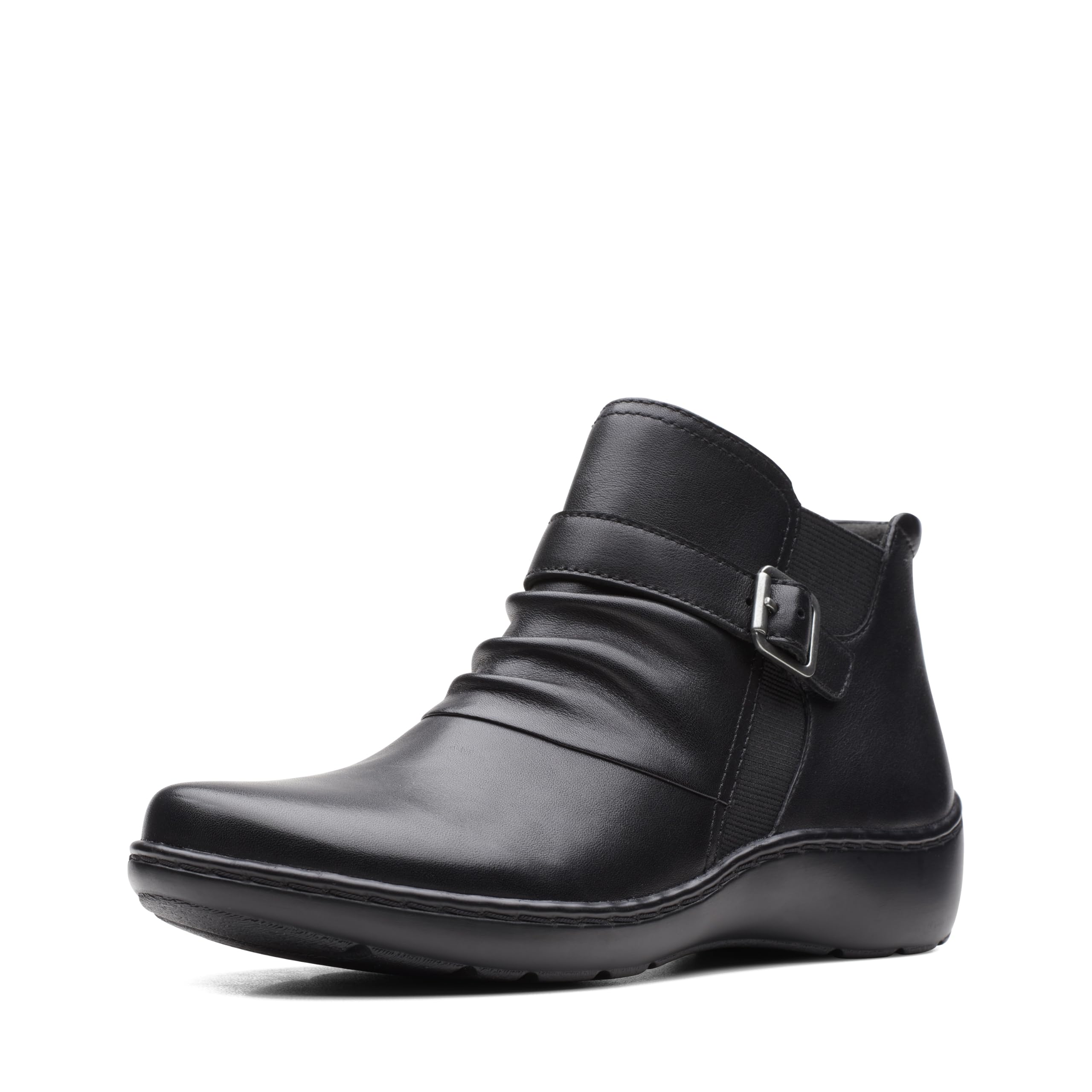


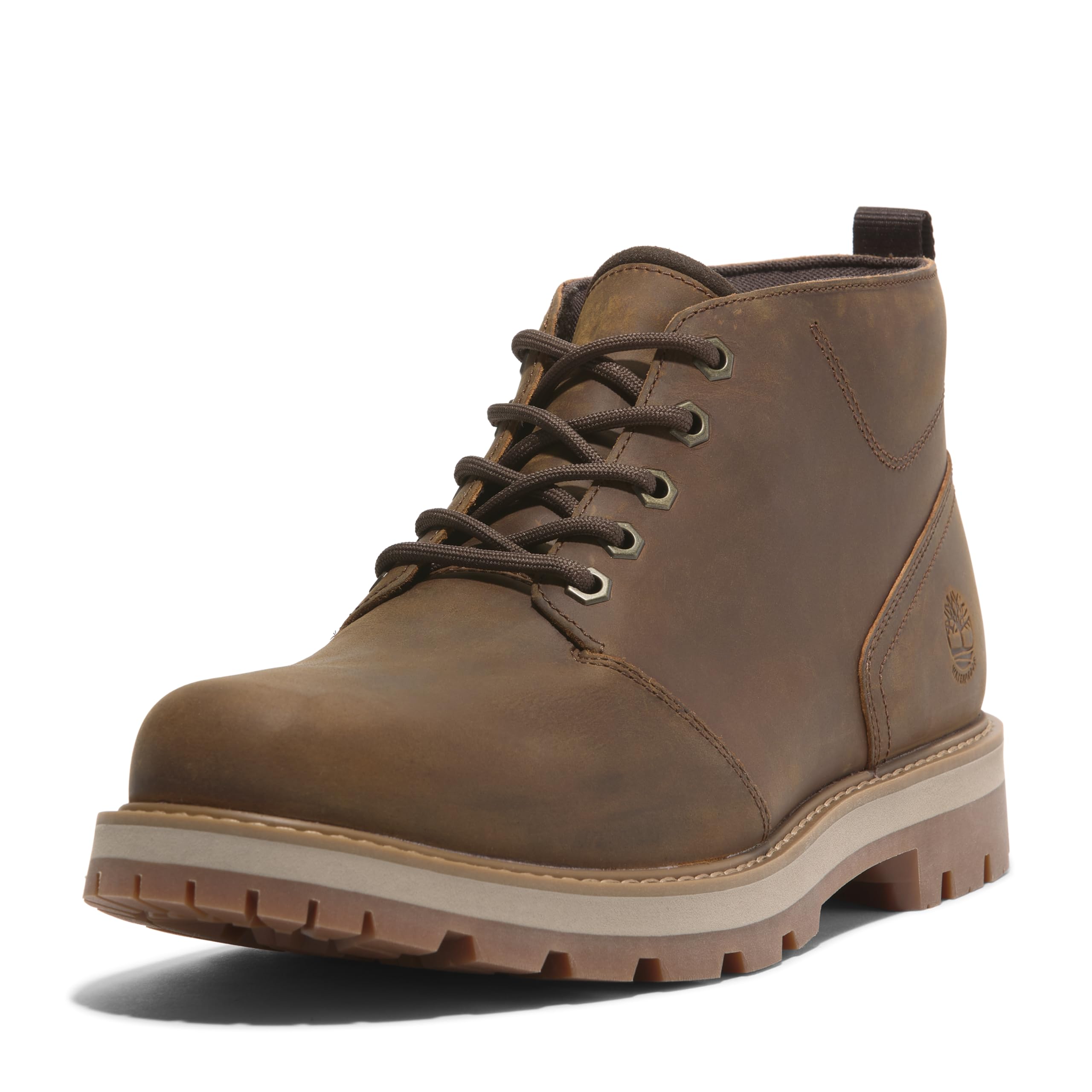

Who Should Buy Which Boots for Straight Leg Jeans?
Start with how you dress most days, since the boot under the hem sets the tone of the whole outfit.
Daily Casual Wearers Who Live in Straight Leg Jeans
You wear straight leg jeans with tees, sweaters and light jackets most of the week. Choose ankle boots or short Chelsea styles with a low heel and a rounded or almond toe. The shorter shaft stays under the hem, and the low heel keeps long errands comfortable.
Smart Casual and Office Wearers in Straight Leg Jeans
You need jeans to pass in a relaxed office or at dinner. Choose smooth leather ankle boots or sleek mid calf boots in black or dark brown, with a slim heel and a plain finish. A cleaner toe shape and minimal stitching let the straight leg read as tailored rather than rugged.
Cold Weather and Wet Day Wearers in Straight Leg Jeans
You wear jeans through rain, slush and cold commutes, so warmth and grip matter as much as looks. Choose waterproof boots with a taller shaft, a lugged outsole and room for thicker socks. A sealed upper keeps spray from soaking the denim at the ankle.
Key Features to Compare
The best boots with straight leg jeans share one trait: the denim and the boot work as one line from knee to toe. Compare the six factors below in order, and the styling choices later become much easier.
Shaft Height and Where the Hem Lands
Shaft height is the distance from the footbed to the top of the boot. Ankle shafts of about 4 to 6 inches let a straight leg hem fall over the boot with no bunching. Mid calf shafts of about 8 to 11 inches need a longer jean or a small cuff, since the hem can catch on the wider top edge. Picture where each shaft height will meet the hem of your favorite jeans.
Shaft Opening and Jean Leg Width
A straight leg opening is usually about 14 to 16 inches around, wide enough to slide over most ankle boots but snug over bulky shafts. If the boot top is wider than the leg opening, the denim rides up and stacks in folds. Slim shafts and elastic side panels sit flatter under the jean. Walk and sit with the jean pulled down over the boot to see whether the hem stays in place.
Heel Height and Heel Shape
A flat heel or a low block heel of about 1 to 2 inches suits daily wear and keeps the hem at its natural length. A taller or slimmer heel lifts the hem and suits dressier jeans with no fading or rips. Heel height changes the break of the jean, so a pair hemmed for flats can drag under a tall heel.
Fit, Sizing and Toe Box
Fit your boots in the afternoon, when your feet are at their largest, and wear the socks you plan to use with jeans. Your toes should lie flat with a little room to move, and the toe box should not press the sides of your forefoot. Your heel should stay seated with only slight lift as you walk. If you fall between sizes, take the larger size with an insole.
Upper Material and Weather Protection
Smooth leather looks polished, resists scuffs and wipes clean, which suits office and evening outfits. Suede feels softer and more relaxed, but it marks in rain and needs a protector spray before wet wear. Waterproof boots with sealed seams or a Gore Tex lining keep feet dry on wet days, while a breathable lining helps in mild weather. Choose the upper for your climate first, then pick a color that fits your denim washes.
Arch Support, Cushioning and Outsole Grip
Arch support holds your foot steady, which matters if you have flat feet, high arches or feet that roll inward as you walk. Cushioning in the footbed softens each step on hard floors. The outsole gives stability, and shallow lugs grip wet sidewalks without looking like work gear. If you stand for hours, place support ahead of a dressier heel shape.
Getting Started: Your First Wears With Straight Leg Jeans
Unbox your boots and try them indoors first, with the exact jeans and socks you plan to wear. In front of a mirror, check three points: the hem should skim the top of the boot or fall just past it, the leg should not bunch above the shaft, and the toe should extend the line of the leg. Walk and sit, then check the hem again. If you are also choosing denim for taller shafts, see our guide to the best jeans for boots for length advice that pairs with this fit check.
Wear new boots at home for short periods over the first few days, then take a brief walk outside once the fit feels right. A looser denim cut behaves differently, so readers comparing styles can see our guide to the best shoes to wear with wide leg jeans, since a wide leg covers more of the boot. Keep the packaging until you have worn the boots outdoors.
Common Mistakes to Avoid
Most first time errors come from judging the boot alone, without the jeans in front of you.
- Buying a wide shaft with narrow straight leg jeans leaves the hem bunched and riding above the boot all day.
- Choosing a tall heel for jeans hemmed for flats lets the back hem drag and fray on the ground.
- Sizing boots with thin dress socks and then wearing thick winter socks makes the toe box painfully tight.
- Wearing suede boots in rain without protector spray leaves dark water marks that are hard to remove.
- Judging fit while seated only hides heel lift and toe pressure that appear once you start walking.
Care and Maintenance for Boots Worn With Jeans
Wipe dust and road salt from leather boots after wear, and let wet boots air dry at room temperature away from direct heat, since heat can crack leather and warp soles. Stuff the shafts with paper or boot trees so the tops stand straight. Store boots upright where air can move.
Brush suede once it is fully dry, and refresh protector spray every few weeks during wet seasons. Check heels and outsoles for smooth worn spots, because a worn heel changes how the hem hangs and can make you slip. Dark denim can leave color on light boots, so wipe light shafts after early wears with new jeans.
Boots With Straight Leg Jeans: Your Questions Answered
Can I wear boots with straight leg jeans all day?
Yes, you can wear boots with straight leg jeans all day if the heel is low and the fit is right. Choose a block heel, a cushioned footbed and a toe box that lets your toes spread. Walk in the outfit at home for an hour first, since mild pressure often grows by late afternoon.
Are expensive boots with straight leg jeans worth the extra cost?
Expensive boots can be worth it if the extra cost buys full grain leather, a resoleable sole and a better shaped last. Boots at about $80 to $150 often suit light weekly wear, while pairs at about $150 to $300 tend to hold their shape longer. Pay for construction you will use, not for a logo.
How long is the break in period for new boots worn with jeans?
The break in period for new boots is usually about one to two weeks of regular short wears. Stiff leather softens first across the toes and around the ankle, where the jean hem rubs as you walk. Thick socks reduce friction, and you should change shoes if a hot spot forms.
Do I need waterproof boots for straight leg jeans outfits?
You need waterproof boots only if your jeans outfits regularly face rain, slush or wet commutes. A waterproof pair also protects the hem, since a taller sealed shaft keeps splashes off the denim. In a mostly dry climate, a breathable leather boot with a protector spray handles light showers and feels less warm indoors.
How often should I replace boots worn with straight leg jeans?
Replace boots worn with straight leg jeans when the outsole is smooth, the heel is worn unevenly or the upper cracks at the flex point. For daily wear that point often arrives after about two to three years. A pair that leans to one side on a flat surface has lost needed support.
How should boots fit when worn with straight leg jeans?
Boots should fit snugly at the heel and midfoot, with room for your toes to lie flat and move slightly. The shaft should feel close but not tight, so the jean leg can slide over it without pulling. Try both feet, since one foot is often a little larger, and size for the larger foot every time.
Final Thoughts
Keep three checks at the center of your decision: the hem should fall cleanly over the shaft, the toe box should give your toes room, and the heel should suit the length of your jeans. Match the upper to your weather, and let color come last. Use the product table above to compare shaft height, heel height and price.
When you shop for best boots with straight leg jeans with those checks in mind, your first pair can carry most of your wardrobe. Start with one versatile pair, wear it with the jeans you own most, and add a dressier or warmer pair only when a real gap appears.


