Best Boots to Wear with Suits for 2026: Which One Fits the Way You Use It?
Disclosure: We may earn a commission when you buy through links on this page, at no extra cost to you. As an Amazon Associate I earn from qualifying purchases. Learn more

Best boots to wear with suits match your dress code, from Chelsea and chukka styles to fit, sole, color and care points that keep tailoring sharp.
No single boot suits every suit, every office, and every season. A slim Chelsea boot under a charcoal suit looks polished in a boardroom, while the same pair can feel too formal for relaxed tweed on the weekend. The best boots to wear with suits match the tailoring you already own and the formality you need most often.
This guide works by use case rather than by brand. You will compare boot styles, toe shapes, upper materials, sole profiles, and color pairings, then check fit where it matters under a trouser leg. Start with the comparison table below.


Who Should Buy Which Boots for Suits?
Your weekly routine should decide the boot, because a pair worn at weddings faces different demands from a pair worn four days a week.
Office Professionals Who Wear Tailored Suits Most Days
You need a clean silhouette that slides under a narrow trouser leg without catching, plus comfort for a full day on your feet. Choose smooth leather in black or dark brown, a slim sole, and a plain toe. A Chelsea boot or a plain dress boot serves you best. Expect to spend about $150 to $300 for leather that holds a shine and a shape.
Wedding Guests and Occasional Suit Wearers
You need one versatile pair that looks right in photographs and works across several suit colors. A dark brown Chelsea boot or a suede chukka in a deep tone pairs well with navy, grey, and charcoal suits. Suede softens the look for daytime venues, while smooth leather reads more formal at night. For finishing details see our guide to the best watches to wear with suits.
Cold Weather Commuters Who Walk to Work in a Suit
You need ankle coverage, grip on wet pavement, and uppers that survive slush without ruining the line of your suit. Choose a lace up dress boot with a thin rubber sole, an almond toe, and leather treated for water resistance. The shaft should sit close to the ankle so trousers fall cleanly over it. Dark colors hide salt marks better, and rotating two pairs helps each pair dry fully.
Key Features to Compare
Silhouette and Shaft Height Under Trouser Legs
The shaft rises above the ankle, and its height and width decide how your trousers drape. A shaft ending just above the ankle bone keeps the hem from pooling or riding up as you walk. Slim shafts work with tapered legs, while wide shafts push fabric outward and break the clean line a suit depends on. With slim tailoring, favor close fitting elastic sided or narrow lace up styles.
Toe Shape and Toe Box Room
Dress boots for suits use an almond or softly rounded toe rather than a broad work boot toe, because a tapered toe echoes a dress shoe and fits the formality of tailoring. The toe box still needs room for your toes to lie flat without pressing the leather outward, since bulges spoil the smooth profile. Try boots late in the day, when feet are largest, in suit socks.
Leather and Suede Uppers and Suit Fabrics
Smooth leather with a light shine suits worsted wool and other formal suit fabrics, because both share a refined surface. Suede has a matte, textured finish that pairs better with flannel, tweed, and softer tailoring, and it reads a step less formal. Unlined suede also feels lighter in mild seasons. Match the texture to the cloth: glossy with smooth suits, matte with textured suits.
Sole Profile and Grip on City Floors
A thin leather sole gives the lowest profile and the most formal look, but it can feel slippery on wet stone and wears faster in rain. A slim rubber sole adds grip and water protection while staying nearly as low, which makes it the practical choice for most commuters. Avoid thick lugged soles, because heavy tread belongs on trails and reads as workwear.
Fit Around the Ankle, Instep, and Arch
A boot for a suit should hold the heel without slipping and leave the ankle free to flex on stairs. Lace up styles let you adjust the instep, which helps if your feet swell during long days, while Chelsea boots rely on elastic panels that should feel snug but not tight. Modest cushioning and steady arch support help on hard office floors, yet thick athletic insoles can spoil the fit.
Color Matching for Navy, Charcoal, and Black Suits
Black boots are the safest match for black and charcoal suits and the only choice for the most formal settings. Dark brown boots pair well with navy and medium grey suits, and if you prefer a shoe for that pairing, see our guide to the best shoes to wear with blue suit. Burgundy bridges brown and black wardrobes. Match boot color to your belt, and avoid light tan with dark formal suits.
Chelsea, Chukka, and Dress Boots Compared for Suits
That balance is why the search for the best boots to wear with suits starts with the suit itself, not the boot alone. Three styles cover nearly every dress code.
Chelsea Boots for the Cleanest Line
Chelsea boots have no laces, so nothing interrupts the line from trouser hem to toe. Elastic side panels make them quick to pull on, and the plain front suits formal and business settings alike. They work best with slim or tapered trousers. Check that the elastic holds the shaft close, because a gaping shaft catches the hem.
Chukka Boots for Smart and Relaxed Tailoring
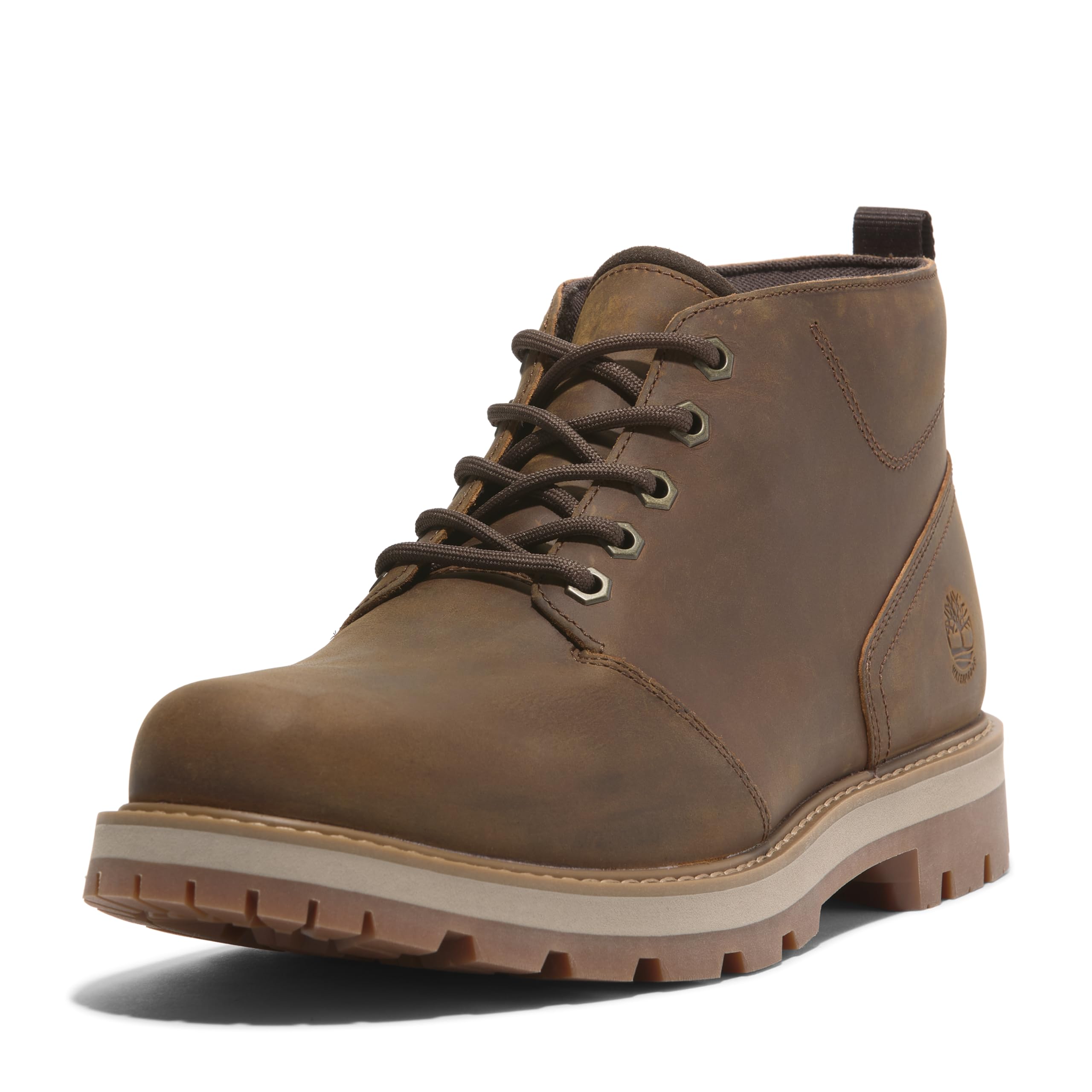
Chukka boots are ankle height with two or three lace eyelets and a relaxed open lacing style. In suede they suit smart casual offices, daytime weddings, and suits worn without a tie. In smooth leather with a slim sole they can step up to business wear. Avoid chunky crepe soles with formal suits, because the pale, thick edge lowers the formality fast.
Lace Up Dress Boots for Cold Weather and Support
Lace up dress boots rise higher on the ankle and give the most adjustable fit, which helps on long winter walks to the office. Plain toe versions in smooth leather stay formal enough for most business suits, while brogue detailing suits country tailoring and heavier cloth. Their coverage keeps hems from exposing socks when you sit. For a western take, see our guide to the best suit to wear with cowboy boots.
Common Mistakes to Avoid
- Choosing a bulky work boot shape with a suit, which makes the outfit look unfinished.
- Buying boots in the morning when feet are smallest, which leads to pinching by late afternoon.
- Wearing light tan boots with a black suit, which creates a contrast that weakens the formal effect.
- Picking a thick lugged sole for the office, which reads as outdoor gear indoors.
- Ignoring trouser hem length, which leaves fabric pooling over the shaft as you walk.
Care and Maintenance for Boots Worn With Suits
Rest each pair for at least a day between wears so the lining can dry, and insert cedar shoe trees while they rest to hold the shape and absorb moisture. Brush dust off after each wear, and condition smooth leather every few weeks, because dry leather cracks along the creases where the boot bends.
Polish smooth leather to keep the shine formal suits call for, and use a suede brush plus a protective spray for suede, since suede marks easily in rain. Let wet boots dry at room temperature away from direct heat, which stiffens leather. Resole leather soled pairs when the sole feels thin at the ball of the foot.
Boots for Suits: Your Questions Answered
Can you wear Chelsea boots with a suit to a formal wedding?
Yes, Chelsea boots work at most formal weddings when they are black, smooth leather, and polished. The deciding detail is the dress code on the invitation: black tie events still call for classic dress shoes in most circles. For a daytime wedding, dark brown Chelsea boots with a navy suit look sharp. Ask about the venue too, because garden settings favor rubber soles over leather ones.
Should boots worn with suits cover the ankle when you sit down?
Yes, the shaft should still cover your ankle when you sit and your trouser hem rises. This is the main advantage boots hold over shoes with suits, because no gap of sock or skin shows in meetings or photographs. Test it in the shop by sitting and crossing your legs in your suit trousers. If skin shows, choose a taller shaft or a longer hem.
How should dress boots for suits fit in the toe box?
Dress boots should let your toes lie flat with a small amount of space ahead of the longest toe, while the widest part of your foot aligns with the widest part of the boot. A tapered dress toe can fool you into sizing up, so judge fit by width and heel hold instead of length alone. If leather presses the tops of your toes, the shape is wrong for your foot.
Can you wear boots with a suit in warm weather?
Yes, you can wear boots with a suit in warm weather if you choose lighter constructions. Unlined suede chukkas and shorter Chelsea boots in breathable leather feel far cooler than tall, lined lace up boots. Pair them with lightweight suits and thin socks. In very hot climates a boot always feels warmer than a loafer, so reserve boots for air conditioned days and evenings.
How long is the break in period for leather dress boots worn with suits?
Most leather dress boots feel comfortable within about three to five full wears, as the leather softens at the ankle and across the toes. Wear new pairs around the house and on short outings first, rather than debuting them at an all day event. Slight heel slip often settles as the sole flexes, but sharp pain or blisters mean the fit is wrong.
Wrapping Up
Start with formality, then fit, then color. Pick the style that matches your most formal regular setting, confirm the shaft and toe work with your trouser cut, and choose a color that covers most of your suits. When those points line up, the best boots to wear with suits become a reliable part of your wardrobe. Compare your finalists in the product table above.