Best Boots to Wear with Long Dresses in 2026: Which One Fits the Way You Use It?
Disclosure: We may earn a commission when you buy through links on this page, at no extra cost to you. As an Amazon Associate I earn from qualifying purchases. Learn more

Best boots to wear with long dresses depend on shaft height, heel shape, calf fit and dress slit. Tips for day, evening and cold-weather outfits.
A long dress hides most of a boot, so the parts that matter are the shaft height, the heel and the toe below the hem. The best boots to wear with long dresses work with your hem length and your plans, not against them. Use the comparison table below to check those details first.
There is no single pair for every long dress. A flowing maxi for daytime walking needs grip and cushioning, while a fitted evening dress needs a slim shaft and a cleaner toe.


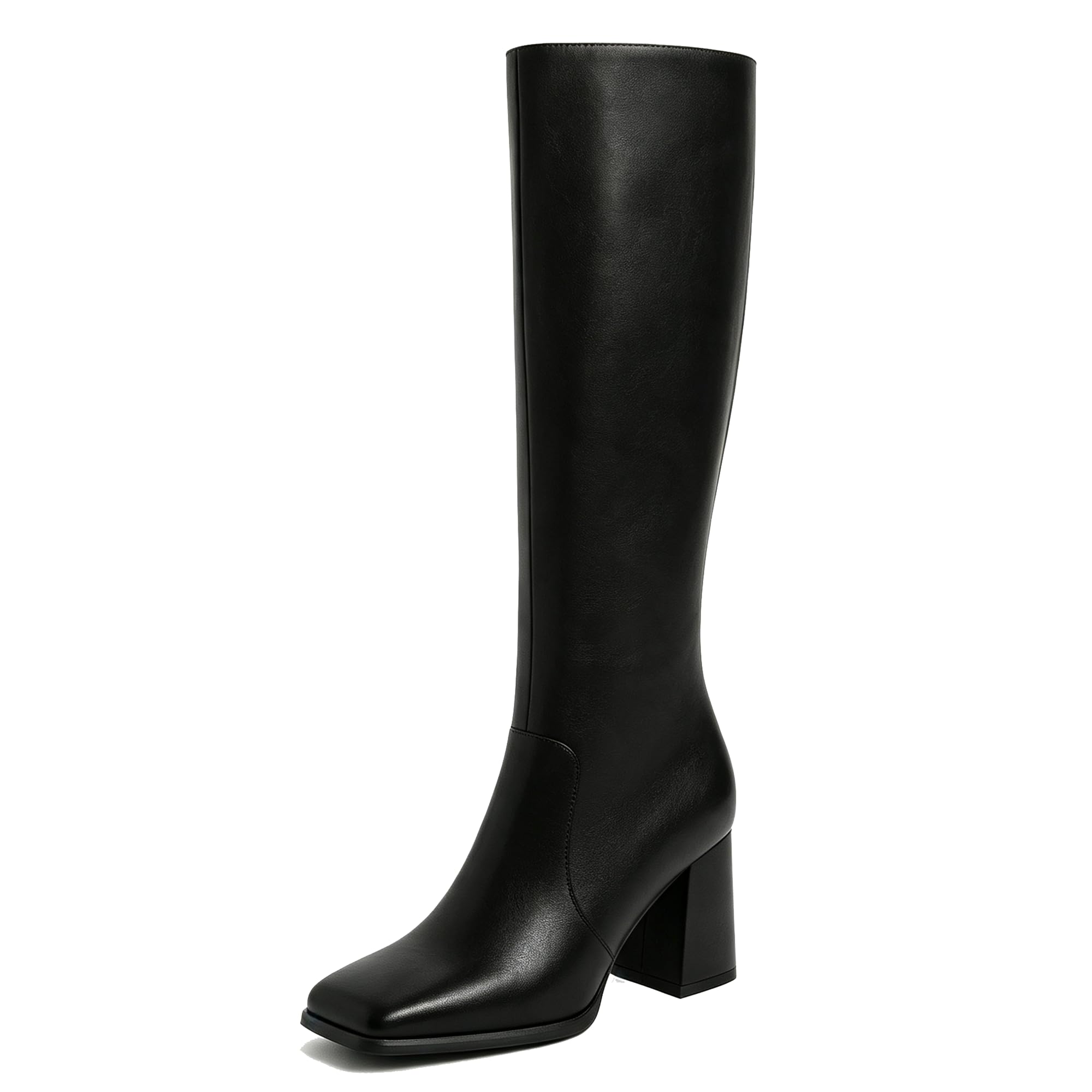


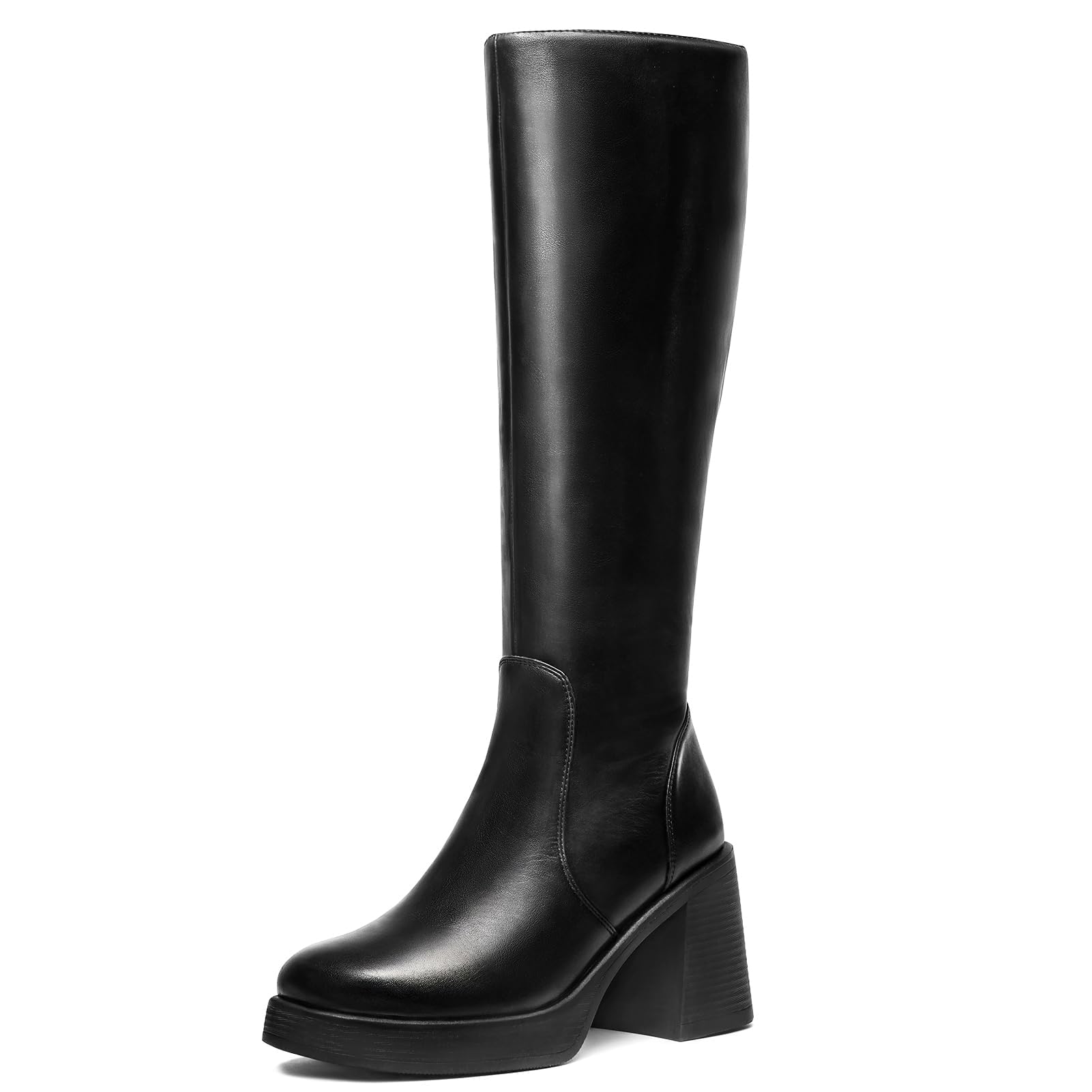


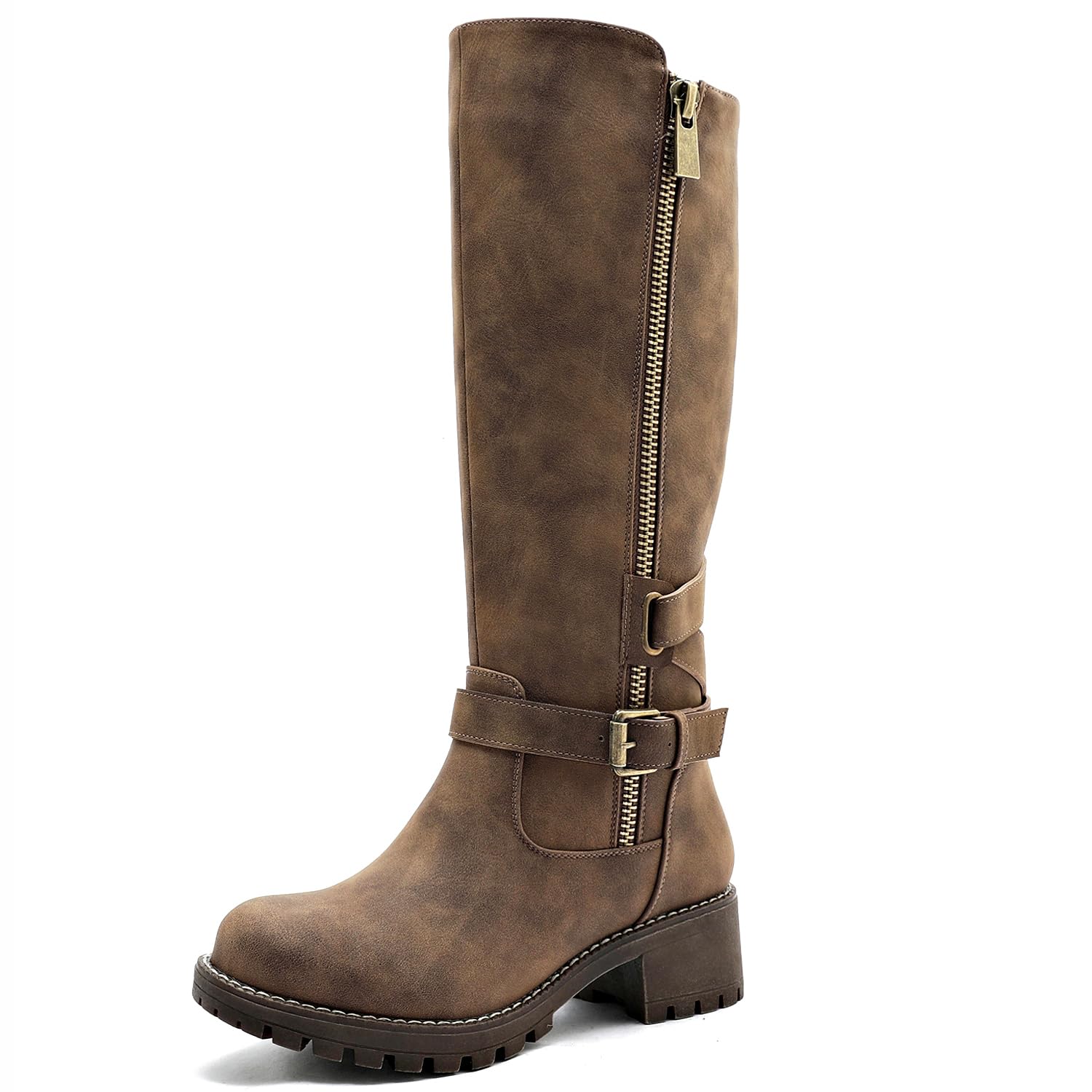
Who Should Buy Which Boots for Long Dresses?
Start with the dress you wear most and the hours you spend on your feet. Hem length, slit height and weather narrow the choice faster than color alone.
For Daytime Long Dresses and Lots of Walking
You need comfort through errands, travel or sightseeing in a maxi or midi length dress. Choose a flat boot or a low block heel with cushioning and a grippy outsole. An ankle or mid calf boot keeps fabric from pooling around the shaft. A wider toe box helps when feet swell later in the day.
For Evening and Dressy Long Dresses
You need a polished line under a fitted, wrap or slit dress for dinner, weddings or parties. Choose a knee high boot with a slim, structured shaft that sits close to the leg, with no bunching under the fabric. A pointed or almond toe extends the leg line below the hem.
For Cold Weather and Rainy Day Long Dresses
You need warmth and dry hems when a long dress is your cold weather staple. Choose a taller shaft that closes the gap where wind reaches bare legs, plus tights underneath. Waterproof boots help on wet streets, but pick a sole with real tread, since a smooth dress sole slips on slick pavement.
Key Features to Compare
When you compare the best boots to wear with long dresses, work through height, heel, fit and material in that order, since each one changes how the hem falls.
Shaft Height and the Gap Below the Hem
Shaft height decides whether the hem covers the boot, meets it or leaves skin between the two. An ankle boot leaves a gap with a midi length dress and hides under a floor length hem. A mid calf shaft can catch on a hem ending at the same spot. A knee high shaft removes the gap and suits slit dresses, since the leg stays covered as you walk.
Heel Height, Heel Shape and Stability Under a Long Hem
A long hem leaves less room to recover from a wobble, so heel shape matters more than usual. A flat sole or a block heel of about 1 to 2 inches gives stability for walking and standing. A heel of about 2 to 3 inches lifts a floor length hem off the ground. Thin heels look dressier but suit smooth floors better than grass. Check the heel to toe drop with the exact dress on.
Calf Fit, Toe Box and Sizing with Tights or Socks
Measure your calf at its widest point in the afternoon, then compare that number with the shaft opening for your size. A tall shaft should sit close without pinching when you sit or climb stairs. Leave room for tights, but avoid a loose shaft that twists and rubs. In the toe box, toes should lie flat and wiggle, with about a thumb width in front.
Toe Shape and How Much Boot Shows
With most long dresses, only the toe and a sliver of the front shaft show as you walk, so that small area carries the whole look. A pointed toe lengthens the leg line and suits fitted or slit dresses. An almond toe gives a softer result for wrap and A line dresses.
Material, Shaft Structure and Snag Risk
Smooth leather slides under a hem and resists scuffs, while suede adds texture that suits knit and flowing dresses. A structured shaft keeps a clean line under fitted fabric, while a soft shaft may slouch and create folds the dress catches on. Check seams, zips and buckles for rough edges, since a lining or lace hem can snag on exposed hardware.
Outsole Grip, Cushioning and Breathability for Long Wear
The outsole decides how safe the outfit feels, since you cannot easily see your feet under the hem. Look for rubber with a patterned tread for wet pavement and garden paths. Cushioning in the insole eases standing at events, while a firm midsole stops the foot rolling on uneven ground. Breathable leather or a moisture wicking lining helps indoors, where tall shafts can feel warm.
Matching Boots to Long Dress Lengths and Slits
Try each pairing with the dress on, then walk, sit and climb a step. A floor length hem should clear the ground by a small margin in your chosen heel, since a hem that pools around the boot is a trip risk and picks up dirt.
A slit dress shows the full shaft, so height and color matter more there. A knee high boot gives a covered look through the slit, while an ankle boot leaves bare leg showing. If you also wear shorter hems, see our guide to the best boots to wear with dresses for pairings beyond long lengths. For a western slant, see our guide to the best dresses to wear with cowboy boots, since that shaft changes how a slit falls.
Knit long dresses sit closer to the leg, so the shaft underneath must stay smooth. If that style is your focus, see our guide to the best boots to wear with sweater dress outfits for closer fit advice. On warm days a boot may be too much, and you can see our guide to the best sandals to wear with dresses for an open shoe option.
Common Mistakes to Avoid
Most pairing problems come from checking the boot or the dress alone, rather than the two together.
- Choosing a shaft that ends where the hem ends leaves fabric catching on the boot top with every step.
- Wearing flat boots with a dragging hem makes the fabric dirty and raises the risk of tripping.
- Buying tall boots without measuring your calf leads to pinching when you sit or a shaft that slumps.
- Picking a thin heel for grass or gravel lets the heel sink and makes each step unstable.
- Ignoring rough zips and buckles lets hardware snag linings, lace and delicate dress fabric.
- Judging the outfit only while standing still misses how the hem and shaft move when you walk.
Care and Maintenance for Dress Boots
Wipe dust from leather after each wear with a soft dry cloth, and use a cleaner made for that finish only when marks remain. Brush suede in one direction once fully dry, and let wet boots air dry away from direct heat so the leather does not crack. Test any waterproof spray on a hidden spot first.
Store tall boots upright with boot trees or rolled towels inside the shaft, since a folded shaft creases and later rubs under a dress. Keep light colors in cloth bags away from dark denim that can transfer dye.
Frequently Asked Questions
What boot height works best with a floor length maxi dress?
An ankle boot or a knee high boot works best, since both avoid the point where a hem meets a mid calf shaft. The ankle option stays hidden and suits warmer days. The knee high option gives a smooth line if the dress has a slit. Add a small heel if the hem still touches the ground.
Can you wear ankle boots with a long dress without breaking the leg line?
Yes, you can wear ankle boots with a long dress and keep a long leg line by matching the boot color closely to your tights or dress. A low cut front that dips at the ankle also helps, since it shows more leg. Avoid a shaft ending at the widest part of the calf. This suits midi length hems best.
How should boots fit around the calf under a long dress?
Boots should fit close around the calf, with room for one finger and your tights, but without gaps that let the shaft swing as you walk. Sit and bend the knee in them, since a shaft that feels fine standing can dig in seated. A back stretch panel gives flex for fuller calves. Red marks mean the shaft is too tight.
Can you wear boots with a long dress all day at an event?
Yes, you can wear boots with a long dress all day if the heel is low or block shaped and the insole cushions the ball of the foot. The real test is standing, since events involve more standing than walking. Carry a thin insole to add if the boots loosen later. Choose a pair already worn for hours without soreness.
Do you need waterproof boots for a long dress in the rain?
No, you do not need waterproof boots for light rain if the hem stays off wet ground and the walk is short. For steady rain, a waterproof shaft protects tights and stops the lower hem wicking water upward. A Gore Tex lining is one option, but sealed seams matter just as much. Dry both boots and hem before storing either.
How long is the break in period for boots worn with long dresses?
The break in period for new boots is usually a few short wears at home before a full day out. Wear them with the same tights you plan to use, and walk on carpet first to check for rubbing at the shaft top. Never debut new boots at an all day event.
The Bottom Line
Match shaft height to your hem first, then choose a heel you can walk and stand in, and confirm calf and toe room with the tights you will wear. Those three checks solve most pairing problems, from dragging hems to snagging shafts. Use the product table above to compare heights, heel shapes and shaft openings.
The right best boots to wear with long dresses choice lets the dress move cleanly while you forget about your feet. Start with your most worn long dress and apply the checks above.