Best Boots to Wear with Dresses: A First Time Buyer's Guide for 2026
Disclosure: We may earn a commission when you buy through links on this page, at no extra cost to you. As an Amazon Associate I earn from qualifying purchases. Learn more
New to shopping for the best boots to wear with dresses? Learn boot heights, fits, and outfit pairings in plain English, plus rookie mistakes to avoid.
If you have never shopped for this pairing before, the choices can feel confusing, since boot height, heel shape, and dress length all change the result. Best boots to wear with dresses is not one fixed look, and the right pair depends on the dresses you already own and where you plan to wear them. The comparison table below can help you weigh the main boot styles once you understand the basics in this guide.
This guide starts with plain language, so you do not need to know boot jargon before you begin. We will cover the main heights, how fit works with dresses, and the mistakes first time buyers make most often. By the end, you should feel able to walk into a store or browse online with a clear list of what to look for.






Boot Basics for First Time Buyers
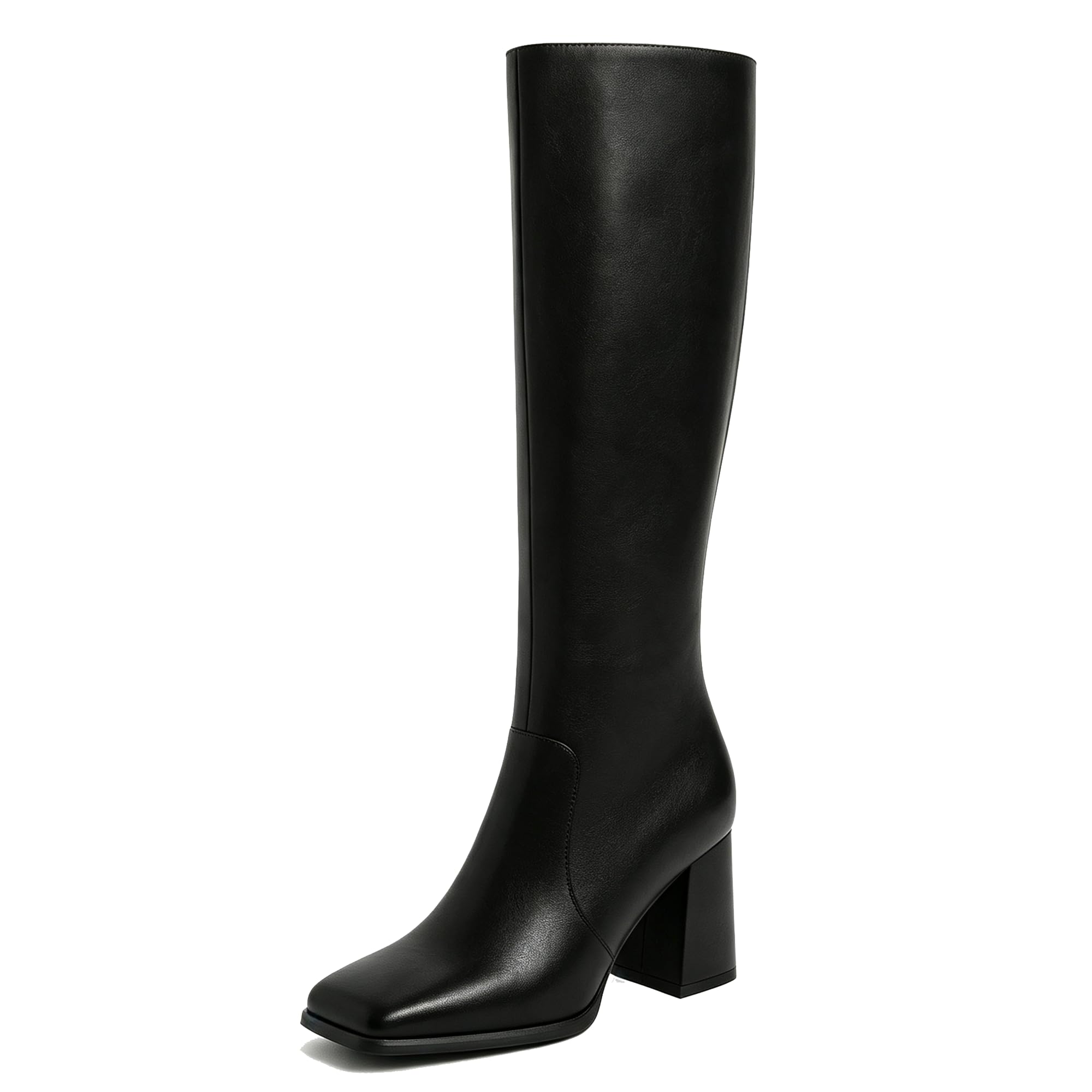
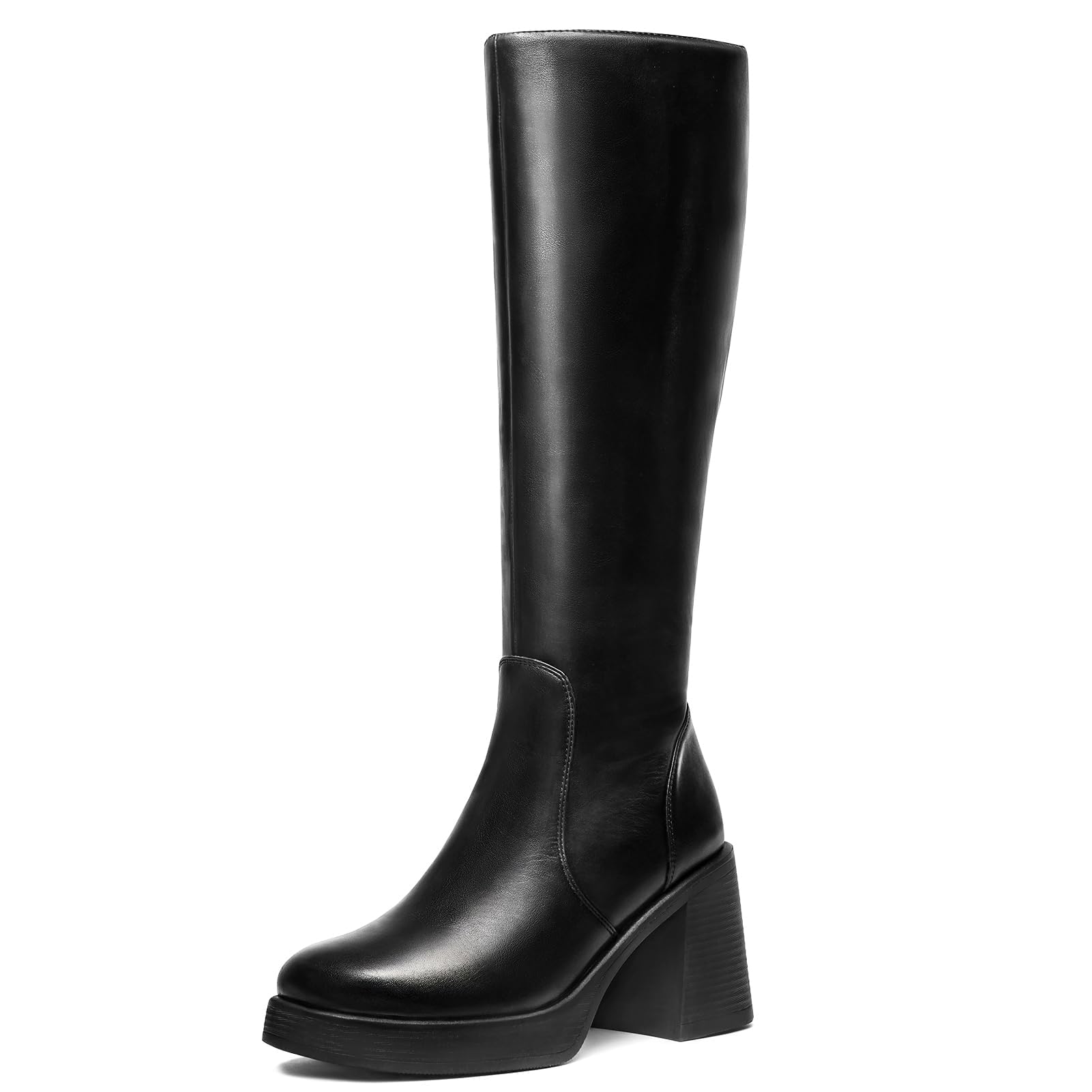
A boot is defined mainly by its height, its heel, and its toe shape, and each of those choices changes how it looks with a dress. Ankle boots end near the ankle bone and work with the widest range of dress lengths, while knee high boots cover more leg and suit cooler weather and longer hemlines. A low block heel is easier to walk in for a full day, while a higher heel changes posture and stride, so comfort should weigh heavily if you plan to stand for hours. Toe shape matters too: a rounded toe feels roomier, while a pointed toe looks dressier but can pinch if the fit is tight.
Material also shapes the look and the care routine. Smooth leather reads polished and suits smarter outfits, while suede looks softer but needs more care in rain. A matte finish tends to blend in quietly, while a glossy finish draws the eye and suits evening wear.
None of these choices is right or wrong on its own. The question is always whether the boot matches the dresses you wear most and the occasions you dress for.
Key Specs Explained in Plain English
The terms below sound technical, but each one describes something you can feel or see when you try boots on. Read them slowly, and try to picture your own dresses as you go. That mental picture will help more than any measurement chart.
Why Choose Boots to Pair With Dresses
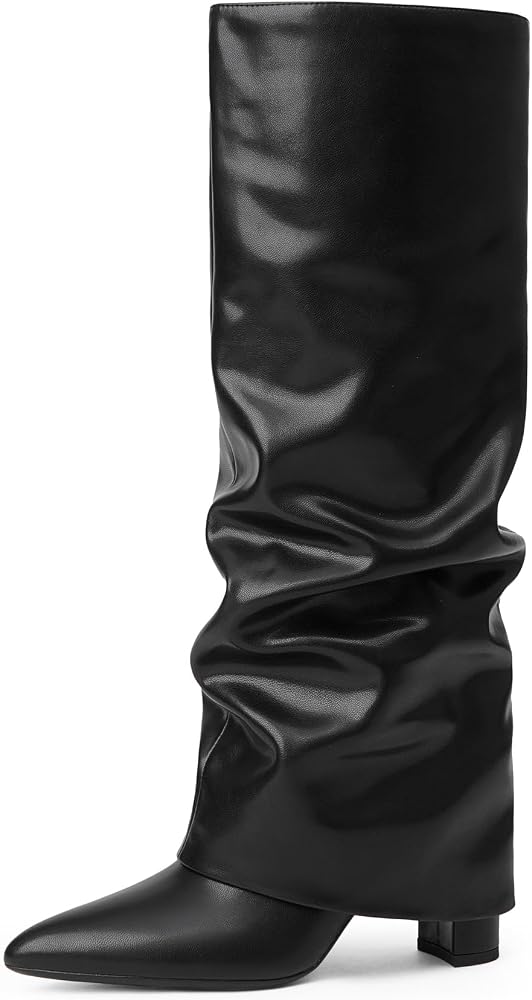
Boots add coverage, warmth, and a grounded look that lighter shoes cannot offer, which is why they work so well from autumn through spring. They also let you wear dresses in weather that would rule out open shoes, and they balance the softness of a dress with a sturdier base. The limits are worth knowing too: very tall boots can overwhelm a short dress, and a heavy boot can look out of place with a light summer fabric. If your dresses are mostly light and short, start with ankle boots, and save taller styles for heavier fabrics and cooler days.
Fit, Sizing, and Toe Box
Measure your feet in the afternoon and wear the tights or socks you plan to pair with the boots, since both steps give a truer fit. Your toes should have room to move without sliding forward, and your heel should stay seated as you walk. A roomy toe box matters most if you plan to stand for hours, while a narrow toe box suits short outings but can ache by evening. If one foot is larger, fit the larger foot and adjust the other side with lacing or an insole.
Walk on a hard floor and a slope before you decide, and check the fit again after a few minutes standing.
Cushioning and Support
Cushioning is the soft layer under your foot, while support is the shape that keeps your foot stable as you move. A stable boot has a firm heel counter and a midsole that resists twisting, which helps on long days and uneven pavements. A neutral boot feels softer and more flexible, which suits short outings and smooth floors. Heel to toe drop simply describes how much higher the heel sits than the front of the foot, and a lower drop usually feels more natural for walking.
If you have flat feet or high arches, pay extra attention to arch shape, since the wrong shape can leave you sore even in a well sized boot.
Break In Period and Comfort Out of the Box
Some boots feel comfortable at once, while stiffer leather needs several short wears to soften around your foot. Start with an hour or two at home, then build up to a half day before wearing new boots to an event. Soreness in one exact spot usually means a fit problem rather than normal break in, and it rarely improves with patience alone.
If the boot pinches your toes or rubs your ankle bone on the first wear, try a different size or width before you commit. Comfort out of the box matters most for first time buyers, since you have no old pair to fall back on.
Weight and Flexibility
Lighter boots tire your legs less over a long day, while heavier boots often feel sturdier and warmer. Flexibility matters when you climb stairs, kneel, or walk quickly, since a stiff sole resists bending with your foot. A good test is to hold the boot and bend the front gently: it should flex near the ball of the foot, not in the middle.
Very stiff boots can feel supportive at first but tiring by evening, so match stiffness to your day. For city walking and all day wear, a mid weight boot with a flexible forefoot is usually the safest first choice.
| Boot Style | Best With | Strengths | Watch Out For |
|---|---|---|---|
| Ankle boots | Most dress lengths | Versatile and easy to walk in | Less warmth in deep cold |
| Knee high boots | Longer hemlines and cold days | Coverage and a polished look | Can overwhelm short dresses |
| Low heel boots | All day wear | Comfort and steady walking | Less dressy for evening events |
| Heeled boots | Evening and smarter outfits | A dressier silhouette | Harder on feet over long hours |
Rookie Mistakes to Avoid
- Buying for one outfit only, then finding the boots clash with the rest of your wardrobe.
- Choosing a heel height you cannot walk in comfortably for the length of your day.
- Ignoring dress length, since the gap between hem and boot top changes the whole look.
- Skipping a walking test and discovering pinching or heel slip only at an event.
- Forgetting weather, so suede or light colours suffer in rain and mud.
Getting Started: Setup and First Use
When your boots arrive, try them on at home with the dresses you plan to wear most, and walk on a hard floor for at least ten minutes. Check the look in a full length mirror from the front and the side, and notice where the boot top sits against each hemline. Air dry wet boots away from direct heat, and store them upright so the shafts keep their shape. If you wear them daily, rotate with another pair when you can, since a rest day lets the lining dry and the cushioning recover.
For outfit ideas with a specific style, see our guide to best boots to wear with sweater dress or best boots to wear with long dresses. If you also like western styles, see our guide to best dresses to wear with cowboy boots, and for warmer days, see our guide to best sandals to wear with dresses.
Boots With Dresses: Your Questions Answered
How often should I replace boots worn with dresses?
Replace boots worn with dresses when the soles lose grip, the heel wears unevenly, or the upper shows cracks, torn seams, or a collapsed heel counter. Occasional wear can stretch a pair for several years, while daily wear may wear one out much sooner, so calendar age alone is a poor guide. Press the midsole to check for hard or flat spots, and watch for new foot pain that was not there before. A cobbler can often replace soles and heels, which extends the life of a pair you love.
Are expensive boots worth it for pairing with dresses?
A higher price can be worth it when it buys better leather, stronger stitching, and soles that can be repaired, but price alone does not guarantee comfort or style. Mid priced boots often give the best balance for a first pair, since you are still learning which height and heel suit you. Premium pairs tend to last longer and age better, which matters most if you wear them several times a week. Judge cost per wear rather than the price tag alone, and let fit decide between two pairs at different prices.
Do I need waterproof boots to wear with dresses?
You need waterproof boots only if you often walk in rain, snow, or wet streets in your dresses. For mostly indoor days and fair weather, water resistant leather or a simple weather spray is usually enough, and it keeps more style options open. Waterproof construction can add weight and reduce breathability, which matters on warm days or long indoor events. Check the weather you actually face in a normal week, and choose based on that pattern rather than a rare storm.
How long is the break in period for new boots?
The break in period for new boots is usually a few short wears for soft leather and up to two weeks for stiffer leather. Start with an hour or two at home, then a half day out, and only then a full event, so soreness shows up early rather than at an important occasion. Soreness in one exact spot usually signals a fit problem, not normal break in, and it rarely improves with more wear alone. If pinching or heel slip persists after several short wears, try a different size, width, or insole.
How should boots worn with dresses fit?
Boots worn with dresses should hold your heel firmly while giving your toes room to move and spread. There should be a small gap between your longest toe and the front of the boot when you stand, and your heel should not lift much when you walk. The calf fit matters for taller boots: the shaft should close without pinching and without a large gap that lets the boot sag. Try boots on with the tights or socks you will wear, walk for several minutes, and check the fit again after standing still.
Can I wear boots with dresses all day?
Yes, you can wear boots with dresses all day if the heel height, weight, and fit match your day. A low block heel and a flexible sole make the biggest difference for long hours, while a high narrow heel tires feet faster no matter how well the boot fits. Test new boots on a hard floor, stairs, and a slope before a full day, and wear your usual tights or socks for the test. If your feet ache in one spot or feel numb, the fit is wrong even if the size label matches your usual size.
The Bottom Line
For a first pair, choose a versatile height, a heel you can walk in all day, and a fit that feels right after several minutes standing. Match the boot to the dresses you wear most, not to a single outfit, and think about weather and walking distance before style details. Try boots on with your usual tights, check the hemline gap in a mirror, and give stiff leather a short break in period. Best boots to wear with dresses is a personal choice, and the product table above is a good place to compare the styles that fit your wardrobe.