
Best Boots to Wear with a Kilt for 2026: What Your Money Really Gets You
Disclosure: We may earn a commission when you buy through links on this page, at no extra cost to you. As an Amazon Associate I earn from qualifying purchases. Learn more

Compare the best boots to wear with a kilt by budget, shaft height, sole and sock pairing, so you spend on fit and leather that suit your tartan.
Boots for kilt outfits range from under $100 to over $300, and the gap is not obvious from a photo. The best boots to wear with a kilt balance the boot against the kilt hem, your socks and the formality of the event, and this guide shows where extra money genuinely helps. Start with the comparison table below, then match the tiers to how often you will wear it.
A kilt leaves your lower legs on show, so shaft height, toe shape and leather color matter more than under trousers. Paying more should buy better leather, a resoleable sole and room for thick socks, not just a brand name.


Who Should Buy Boots for a Kilt
Formal Wedding and Ceilidh Guests
You need a polished toe, a slim profile and leather that sits quietly beside a sporran and jacket. A smooth Chelsea style or neat lace up dress boot in black or dark brown suits most tartans. If your other formal outfits need similar polish, see our guide to the best boots to wear with a suit. Budget about $150 to $300 for leather that holds a shine.
Highland Games and Outdoor Festival Wearers
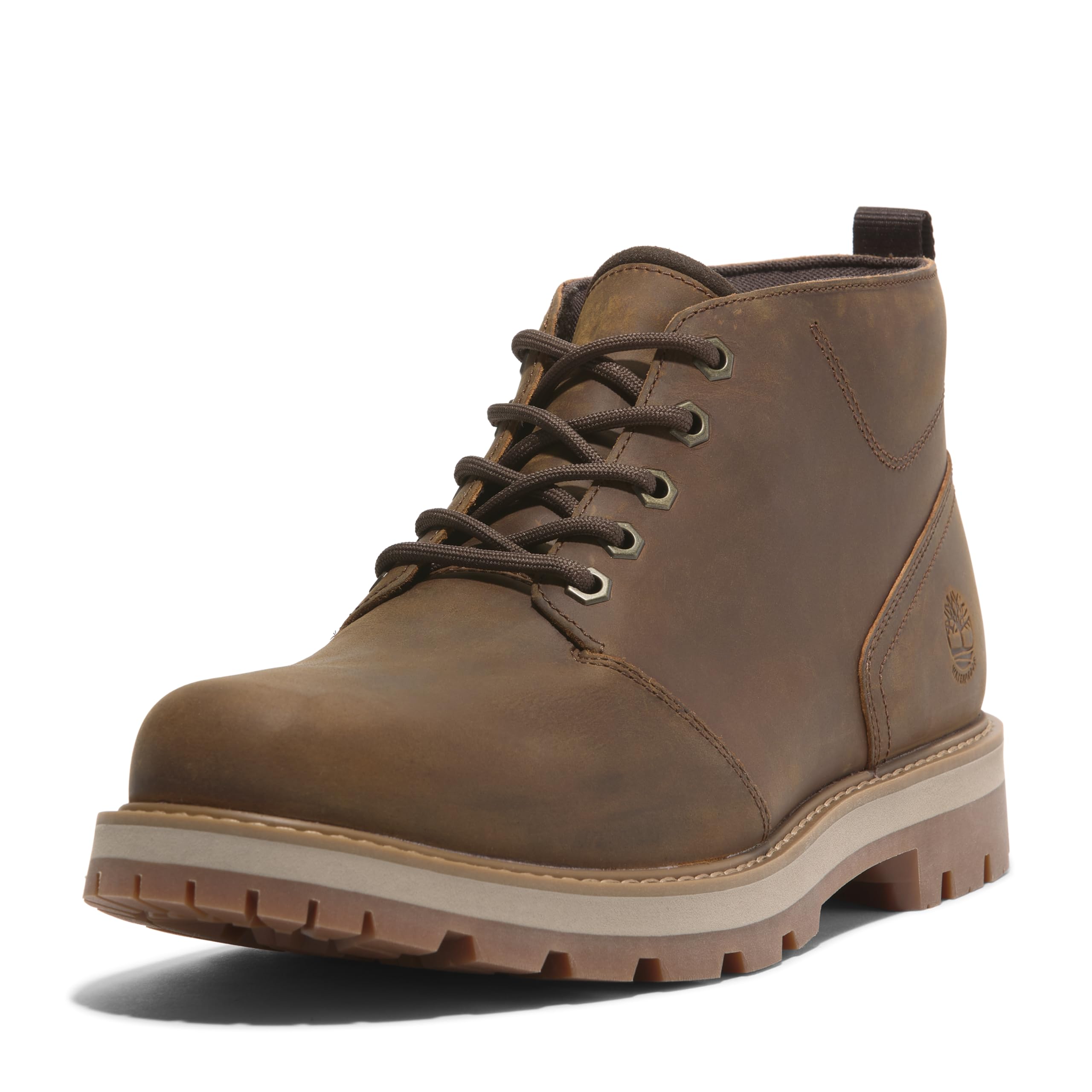
You will walk on wet grass, gravel and uneven fields, so grip and water resistance matter more than shine. A rugged lace up boot with a lugged outsole and wider toe box handles soft ground and looks right with socks pushed down. Tiers under $150 usually cover this job, because a matte finish hides mud that would ruin a dress boot in one afternoon.
Parade and Band Wearers
You stand on pavement, march in formation and wait between sets, so cushioning and stability decide whether your feet ache by midday. Look for a padded insole, a firm heel counter and calf room for thick socks.
Budget, Mid Range and Premium Kilt Boots Compared
Budget Tier: Simple Styles for Occasional Wear
Boots under $100 are usually synthetic or thin corrected leather with a glued sole and basic foam insole. They look convincing for a single wedding or first games day. The trade off is lifespan. The finish scuffs faster, the sole cannot be replaced and the fit runs narrow, so try them with your kilt socks first.
Mid Range Tier: Real Leather and a Sole That Lasts
Spending about $100 to $200 typically buys full grain leather, a stitched sole and a shaped insole with real cushioning. Most kilt wearers should land here, because the leather molds to your foot, takes polish well and survives years of events. Wider fittings also leave proper space for wool socks.
Premium Tier: Finer Leather and Longer Service
Boots at about $200 to $350 add thicker full grain leather, a leather lining and resoleable welted construction. The benefit shows over time, since a resole adds years while the upper keeps its shape. This tier pays off if you attend events monthly or perform in a band.
Key Features to Compare
Shaft Height and Proportion
The shaft should end well below the knee so a band of sock and skin shows between boot top and kilt hem, which sits at the middle of the kneecap. A shaft of about 6 to 8 inches suits most men, while taller boots crowd the hem. That proportion is what separates the best boots to wear with a kilt from ordinary boots worn by chance.
Toe Box and Calf Room Over Thick Socks
Kilt hose are far thicker than dress socks, so a boot that fits at home in thin socks can pinch at an event. Measure feet late in the day, fit boots while wearing kilt socks and leave about half an inch ahead of your longest toe. A rounded toe box suits wide feet, while a tapered toe looks sharper for formal wear. Check calf room too, because a tight shaft wrinkles the sock.
Outsole Traction and Stability for Grass and Stone
A lugged rubber outsole grips wet grass and gravel, and lug depth of about 4 to 6 mm gives bite without collecting mud. Smooth leather soles look elegant indoors but slide on damp stone, so save them for dry venues. Stability comes from a broad heel base and firm shank. A low profile rubber sole covers both settings well.
Leather Color Matched to Sporran and Belt
Match boot leather to your sporran and belt rather than to the tartan, because black boots with a brown sporran split the outfit into two halves. Black suits formal tartans, while mid brown and tan work with most day tartans. A polished finish signals formal, and a matte finish signals casual. When in doubt choose the darker option, since it hides scuffs better.
Cushioning, Breathability and Water Resistance
A cushioned insole with a modest heel to toe drop keeps standing and marching comfortable, and a leather lining manages sweat better than a synthetic one. Breathable uppers help at summer games, while a waterproof membrane such as Gore Tex keeps socks dry but feels warmer indoors. Treat waterproof boots as an outdoor choice, not a default. If your feet swell, laces let you ease the fit.
Socks and Styling Details
Kilt hose bridge the gap between boot and hem, and they change how any boot reads. For formal outfits, wear hose pulled up with the folded cuff below the knee and the flashes, the small tabs under the cuff, at the outer side of each leg. For rugged boots, pushing hose down in soft folds gives the relaxed games look. Cream hose suit most tartans.
Treat the kilt as the statement piece and keep everything else quiet. Avoid novelty socks, bright laces or heavy buckles that compete with the tartan. One metal tone across buckle, sporran fittings and boot hardware keeps the outfit looking planned.
Kilt Hose, Resoling and Other Ongoing Costs
The purchase price is only part of keeping a kilt outfit ready. Wool kilt hose cost about $20 to $40 a pair, and you will want two pairs so one can dry while you wear the other. A resole for a welted boot runs about $80 to $150, far less than a new premium pair. Budget boots cannot be resoled, so their price repeats every few years.
Common Mistakes to Avoid
- Choosing a shaft so tall it touches the kilt hem, which hides the socks and looks like a costume.
- Fitting boots in thin dress socks, then finding them tight over thick wool kilt hose on the day.
- Mixing black boots with a brown sporran and belt, which splits the outfit into two clashing halves.
- Wearing smooth leather soles on wet grass, where the first slope can end in a fall.
- Buying the cheapest tier for monthly band use, so the glued sole separates within a single season.
- Skipping break in wear before a wedding, which turns stiffness into blisters during the dancing.
Cleaning and Conditioning Leather Kilt Boots
Brush dirt off the leather after every wearing and wipe grass stains before they dry, since dried mud can mark pale leather. Condition smooth leather every few months, and let polish build only on formal pairs. Dry boots at room temperature with newspaper or boot trees inside, away from radiators, because direct heat cracks leather.
Rest a pair for a day between wearings so the insole dries fully. Check heel and sole edges each season, and book a resole before the midsole shows through. Store boots upright in a cool, airy place, and wash wool hose in cool water and dry them flat.
FAQ
Do boots for a kilt need to be waterproof for outdoor events?
Boots for a kilt only need full waterproofing if you expect standing water or hours of rain. For most games days, water resistant leather keeps socks dry through showers and wet grass. Pack spare dry hose in the car, because changing socks at midday does more than any membrane once water gets in over the boot top.
Can I wear boots with a kilt for a full day of standing and dancing?
Yes, you can wear boots with a kilt all day if the fit leaves room for swelling and the insole has real cushioning. Choose a rubber sole over leather for ceilidh dancing, since it grips without sticking. During breaks, loosen the lower laces for a few minutes, a small reset that delays forefoot ache.
How should boots for a kilt fit over thick kilt socks?
Boots for a kilt should feel snug at the heel with clear space at the toes when you wear your actual kilt hose. Your heel should not lift with each step, and the widest part of your foot should sit at the widest part of the boot. If you fall between sizes, take the larger size and add a thin insole.
How long does the break in period last for leather kilt boots?
The break in period for leather kilt boots usually takes about three to five short wearings around the house and on brief walks. Wear your kilt hose during those sessions so the upper stretches to the true thickness it must hold. If one spot rubs, work conditioner into that area rather than forcing a long first outing that risks a blister.
Are premium boots for a kilt worth the extra cost?
Premium boots for a kilt are worth the cost if you attend events often enough to use their longer service life. The gain is durability and resoleable construction, not a different look, since a mid range pair photographs almost identically.
Final Thoughts
Start with your most common event, pick the tier that matches how often you attend, then check shaft height, sock room and sole grip in that order. Those checks filter out nearly every poor choice before color and brand enter the decision. Chosen that way, the best boots to wear with a kilt will look deliberate with your tartan and stay comfortable to the last dance, so compare your shortlist against the product table above before you order.


