
Best Boots to Prevent Slipping on Ice: A First Time Buyer Guide for 2026
Disclosure: We may earn a commission when you buy through links on this page, at no extra cost to you. As an Amazon Associate I earn from qualifying purchases. Learn more

Shopping for the best boots to prevent slipping on ice for the first time? Learn the terms, compare options, and avoid rookie mistakes with this easy guide.
Buying winter boots for the first time can feel confusing, because a boot can look warm and sturdy yet still slide on a frozen sidewalk. This guide starts with the basics, explains grip in plain language, and shows you how to judge fit before you order. When you shop for the best boots to prevent slipping on ice, the outsole matters more than color or height, and the comparison table below helps you weigh the options side by side.
You do not need expert knowledge to choose well. You need to know what kind of ice you walk on, how long you stay outside, and whether your feet run cold, and the sections below take those questions in order.
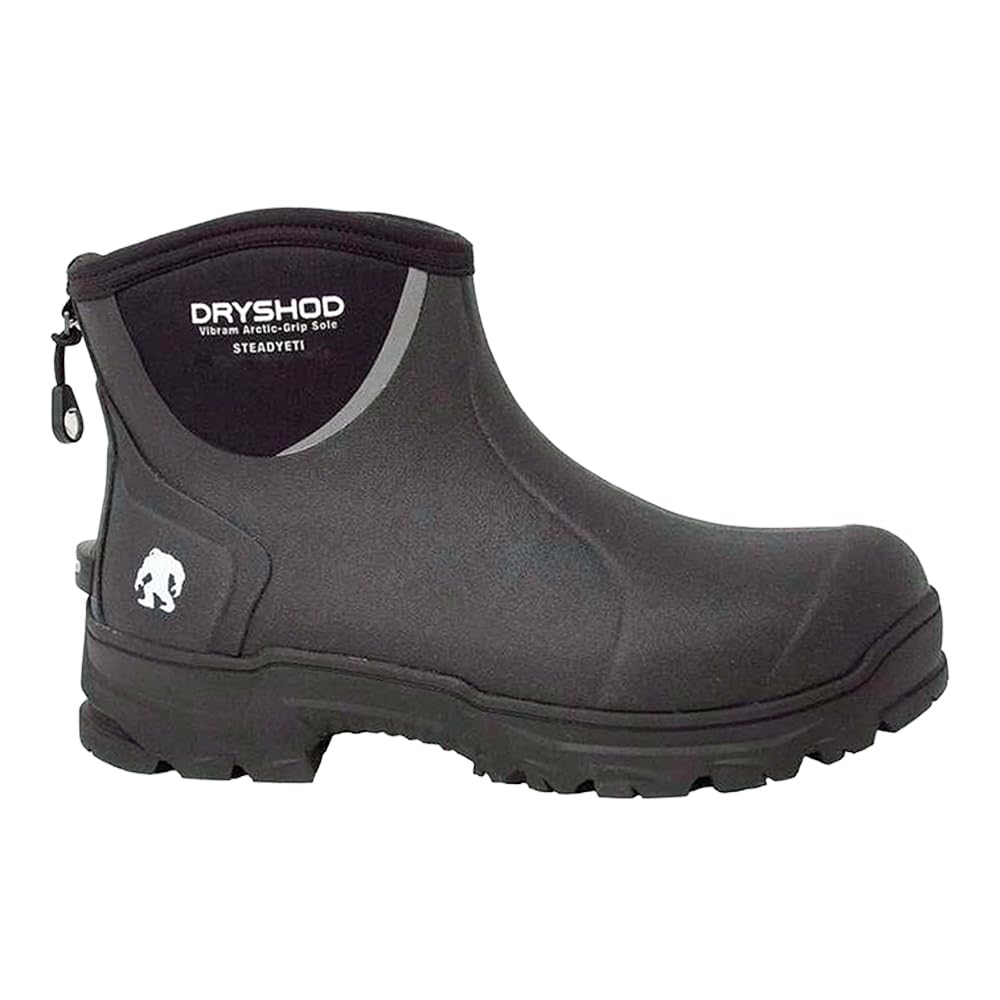
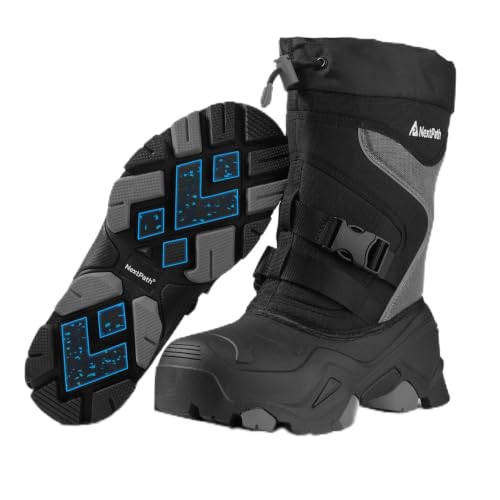
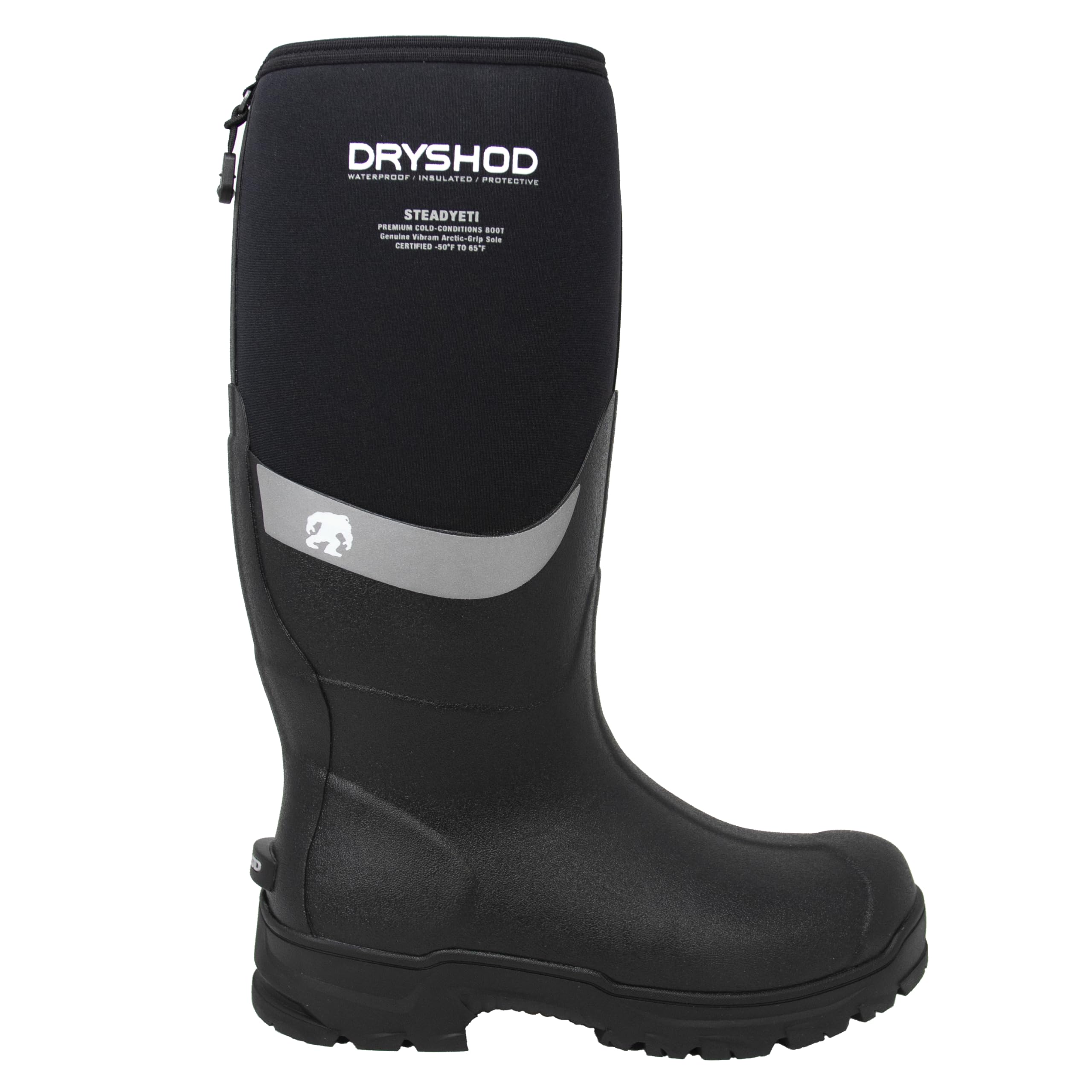
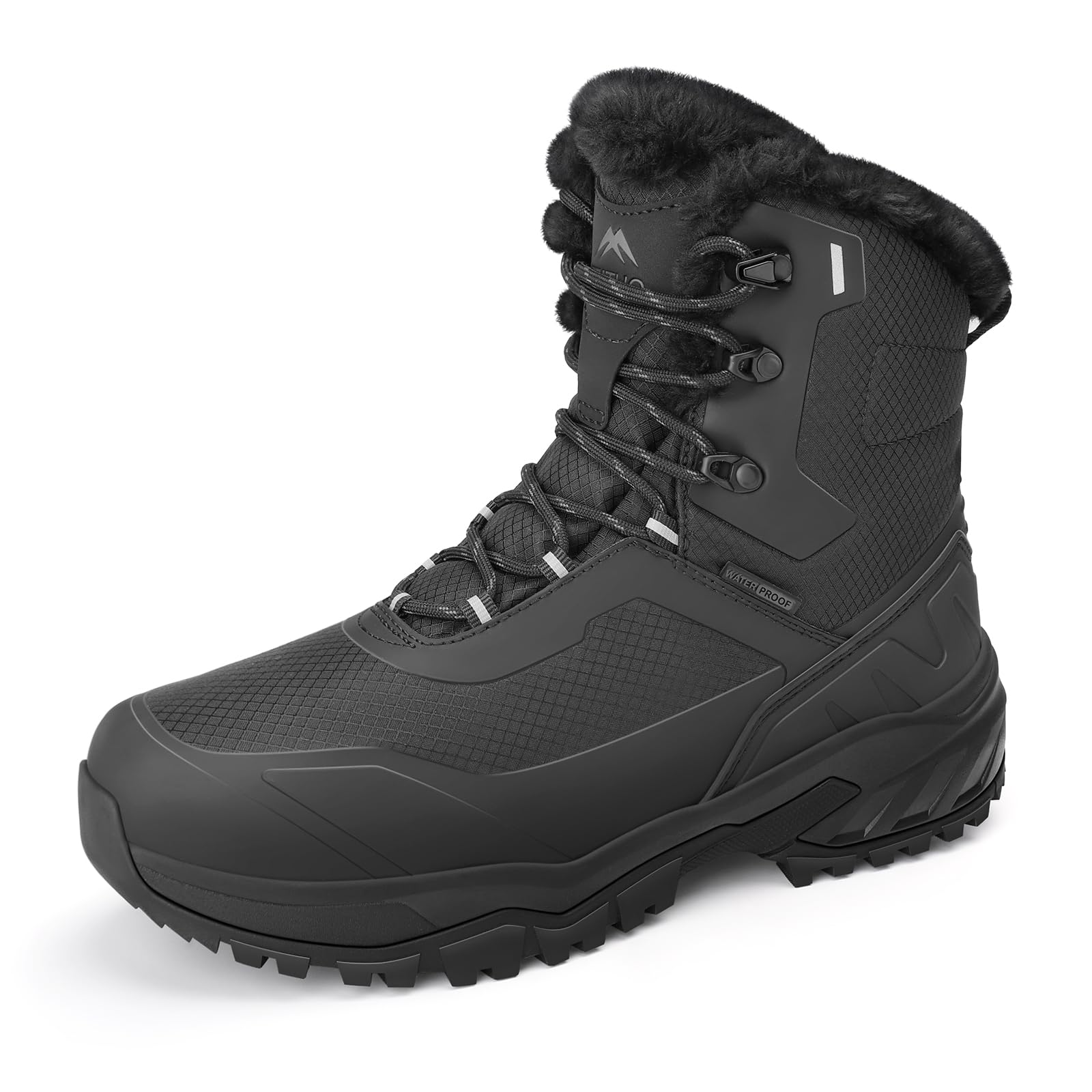
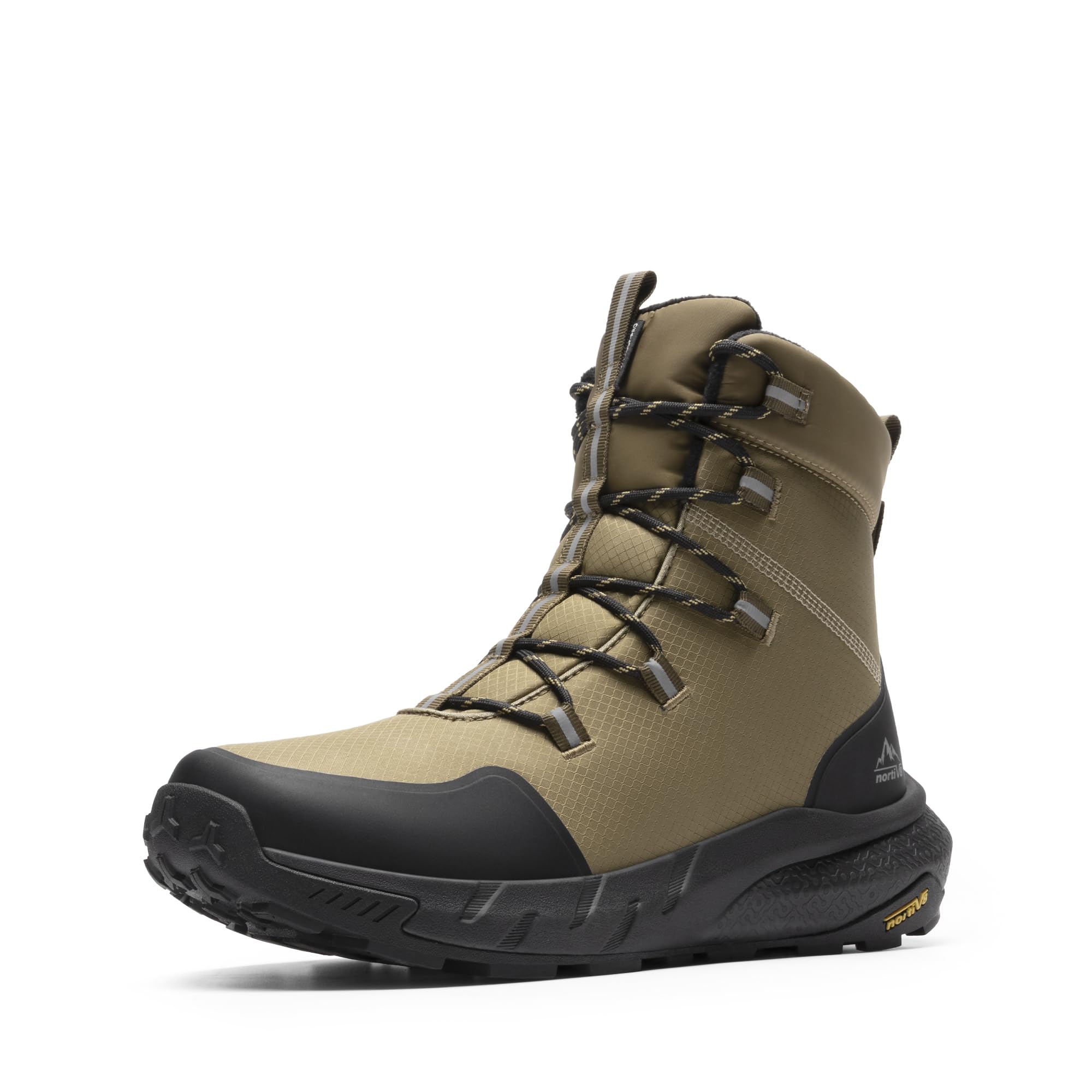


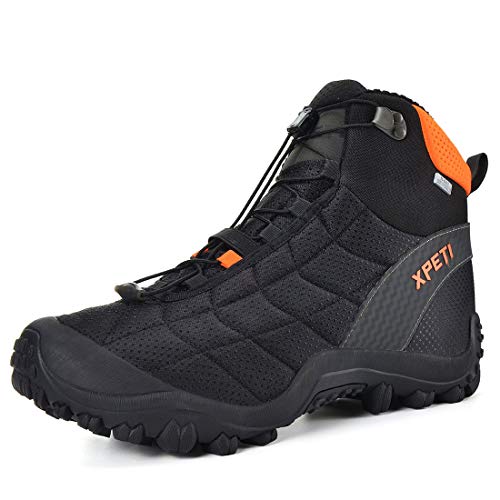
Who Should Buy Boots Made for Ice Grip
City Commuters and Dog Walkers on Icy Sidewalks
You walk short, repeated routes on cleared pavement that refreezes overnight, so you need grip on thin, hard ice rather than deep snow traction. A shorter insulated boot with a flexible sole suits you, because you step on and off buses and climb stairs between icy stretches. Look for a sole that bends for a natural stride, since a stiff sole can skate on smooth frozen concrete.
Outdoor Workers Who Stand and Walk on Frozen Ground
You spend long stretches outside on loading areas, farmyards, or job sites where ice builds up in shaded spots and stays all day. Warmth and ankle support matter as much as grip, because cold feet and tired ankles change how carefully you place each step. A taller insulated boot with a firm heel counter helps, and you can compare options in our guide to the best boots to wear on ice for long shifts outdoors.
Homeowners and Older Adults Worried About Falls
You clear steps, fetch mail, and cross a driveway that slopes, often while carrying something in both hands. A stable boot with a wide sole base and a low, broad heel gives you a steadier platform than a narrow fashion boot. If you fall and hit your head, cannot bear weight on a leg, or notice swelling that grows fast, seek medical care promptly, and talk with your clinician about balance, footwear, and personal fall risk before winter arrives.
Key Features to Compare
Outsole Lug Pattern and Depth
The outsole is the rubber bottom that actually touches the ice, and its pattern decides how much grip you get. Deep lugs of about 5 to 7 mm with wide gaps bite into snow and slush, while smaller, closely spaced edges help on bare, polished ice where deep lugs have little to grab. Look for edges pointing in several directions, because your foot pushes forward, sideways, and backward as you walk, turn, and stop.
Rubber That Stays Flexible in Cold Air
Rubber compounds behave differently once the temperature drops. A hard compound turns stiff and smooth in deep cold, so it slides more easily, while a softer cold rated compound keeps some flex and lets the small edges in the tread press into the surface. Read the description for winter or ice grip rubber, and be wary of glossy soles that feel like hard plastic, since those tend to perform worst on frozen pavement.
Waterproof Insulation and Shaft Height
Ice usually arrives with meltwater and slush, so a waterproof breathable membrane such as Gore Tex keeps socks dry when you step through puddles at midday. Insulation is rated in grams, and about 200 grams suits active walkers in moderate cold, while 400 grams or more suits slow, standing work in deeper cold. A taller shaft keeps snow out off cleared paths, but it adds weight and can feel warm indoors.
Fit, Sizing, and Toe Box Room for Winter Socks
Measure your feet in the afternoon, when they are at their largest, and try boots on while wearing the thick socks you plan to use. Your toes should wiggle freely inside a roomy toe box, with roughly a thumb width of space in front of your longest toe, because cramped toes lose warmth and change your balance. Your heel should stay seated when you walk, since heel lift causes blisters. Many first time buyers go up half a size for sock room.
Ankle Support, Stability, and Heel Shape
Stability comes from a firm heel counter, a sole that resists twisting, and enough ankle support to keep your foot aligned on uneven frozen ruts. Press the sides of the heel area; it should feel firm, not soft and collapsible. A low, wide heel with a slightly beveled back edge plants more rubber than a tall, narrow heel, and that broader contact helps when you step off a curb onto ice.
Choosing Between Short, Tall, and Work Styles of Boot
Short insulated boots are light and easy to drive in, and they suit cleared sidewalks and brief trips between buildings. Tall snow boots add warmth and keep deep snow out in unplowed areas, but they feel bulky on stairs. Work styles add a reinforced toe area and a thicker sole, which helps on rough sites yet adds weight.
Think about your most common walk, not your worst day of the year. If most of your winter walking is a daily route to a train or around the block with a dog, the best boots to prevent slipping on ice for you are likely a mid height pair with strong lugs that you will actually enjoy wearing. Readers who mostly walk longer untreated routes can also see our guide to the best boots walking on ice for route based advice.
Common Mistakes to Avoid
- Choosing a smooth fashion sole for icy streets, so the boot slides the first time you cross a frozen driveway.
- Buying your summer shoe size without sock room, so thick socks crowd your toes and your feet get cold and unsteady.
- Judging grip by boot height alone, so you pay for a tall shaft while the flat outsole underneath offers little traction.
- Wearing brand new boots on a long icy walk first, so sore spots appear far from home with no backup footwear.
- Ignoring worn lugs at the heel, so the area that strikes the ground first has almost no edges left to grip.
Care and Maintenance for Boots Worn on Ice
After each outing, knock packed snow and grit out of the lugs with a stiff brush, because a tread filled with ice and sand cannot bite on your next walk. Wipe off road salt with a damp cloth, since salt dries out leather. Rinse rubber soles with plain water if they pick up oily grit, because a clean rubber edge grips better than a coated one.
Dry wet boots at room temperature with the insoles removed, away from radiators and direct heat that can warp soles and crack uppers. Store them upright once clean, and check lug depth and heel wear before the season starts, so you can replace a worn pair in autumn rather than after the first freeze. Press a thumbnail into the sole as a quick check; winter rubber should still give slightly.
FAQ
How should boots for ice fit when you wear thick winter socks?
Boots for ice should feel snug at the heel and midfoot, with clear wiggle room for your toes. Try them late in the day with your thickest socks, walk on a hard floor, then stand on one foot to feel for tipping. If your toes press the front on a step edge, go up half a size, because that pressure grows on real descents.
Do boots for ice need to be waterproof to grip well on ice?
No, waterproofing and grip are separate jobs done by different parts of the boot. Grip comes from the outsole, while waterproofing sits in the upper and lining. Still, most ice walkers benefit from both, because meltwater is common by midday. If your routes are short and dry, you can skip heavy insulation, but keep the waterproof layer if you often cross slush at curbs and crossings.
How long does it take to break in new winter boots for ice?
Most soft insulated winter boots feel comfortable within two or three short walks, while stiffer leather work styles can take about a week of daily use. Wear new boots indoors first, then on a short dry walk, and only then on ice, so you learn how the sole feels before conditions get demanding. Moleskin or a thicker sock can ease a single rubbing spot during those first outings.
Are higher priced boots for ice worth it for a first time buyer?
Higher priced boots for ice can be worth it when the extra cost buys a better cold rated outsole, not just a taller shaft. Pairs at about $80 to $150 often cover commuters well, while spending more mainly adds insulation and durability. If you walk on ice only a few days each winter, a modest pair is a sensible start.
How often should you replace boots worn on ice?
Replace boots worn on ice when the lugs at the heel and forefoot look smooth or rounded, even if the uppers still look fine. For most walkers that point arrives after two to four winters, since dry concrete wears rubber faster than snow does. Drag the sole across a frosty board as a test; if it skates instead of catching, its best grip is gone.
Can you wear boots made for ice all day indoors and outdoors?
You can wear boots made for ice all day, but warm indoor hours often make heavily insulated pairs feel hot and heavy. If your day mixes office time with icy walks, choose moderate insulation and add a warmer sock for the outdoor parts. Readers comparing all day options can also see our guide to the best boots for not slipping on ice, which covers similar daily wear needs.
Our Verdict
For a first purchase, put the outsole first, fit with your real socks second, and insulation matched to your time outdoors third. Height, color, and extra features matter far less than lugs that bite and a heel that stays seated. Choose the best boots to prevent slipping on ice for the route you walk most, break the pair in on dry ground, and check the product table above before you order.


