
Best Boots for Not Slipping on Ice in 2026: What Actually Matters Before You Buy
Disclosure: We may earn a commission when you buy through links on this page, at no extra cost to you. As an Amazon Associate I earn from qualifying purchases. Learn more

Learn how to choose the best boots for not slipping on ice, with clear checks for lug depth, cold weather rubber, fit, insulation and daily care.
A smooth sole that feels fine on dry pavement can skate the moment you step onto a frozen sidewalk. Choosing the best boots for not slipping on ice starts with the outsole, not the color or the name on the box. This guide uses a simple checklist to judge grip, fit, warmth and support, so you can read the comparison table below with clear priorities.
Think first about where you actually walk. A treated sidewalk, a plowed lot and an untreated path ask different things of the same boot. The sections below match each surface to lug shape, rubber, insulation and shaft height.


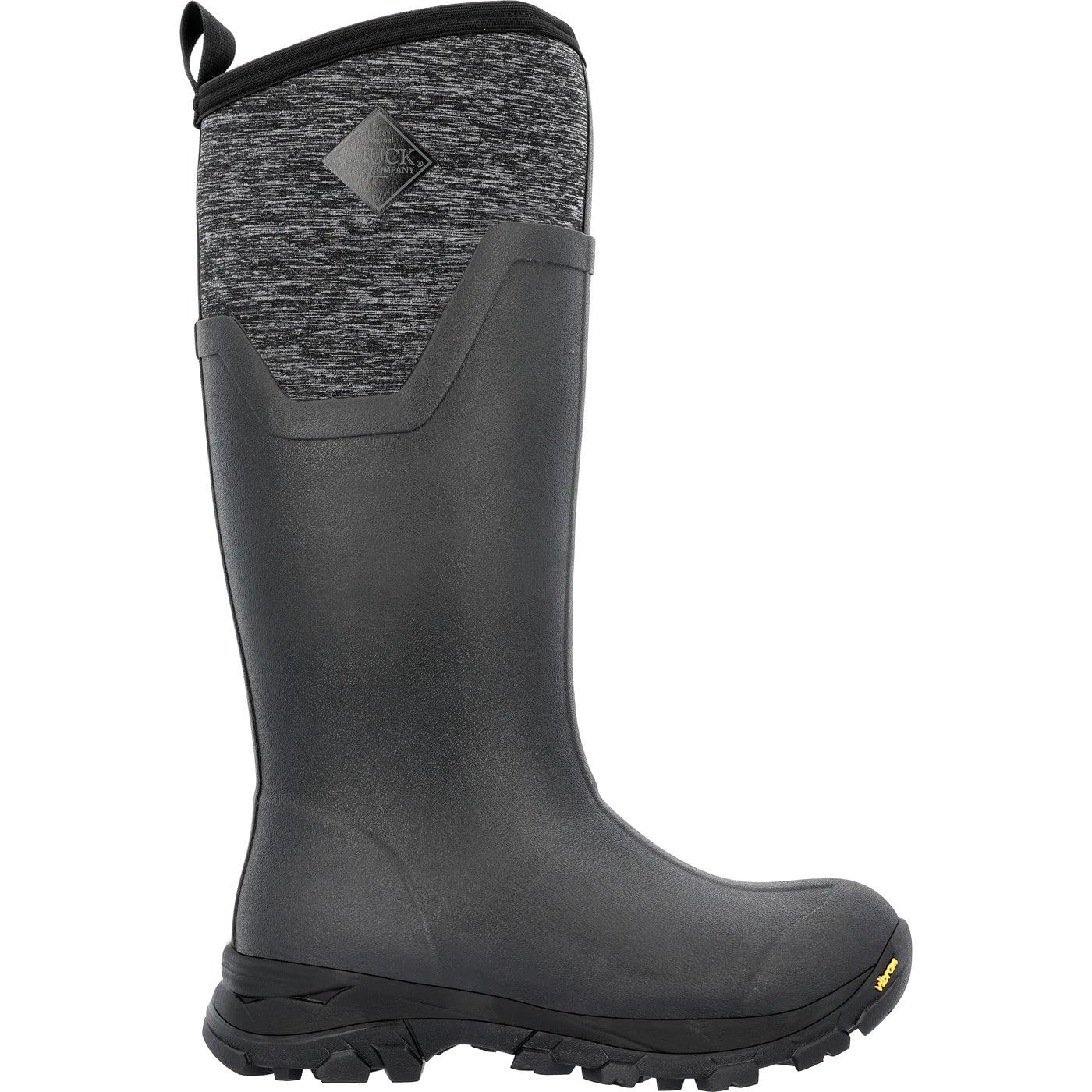
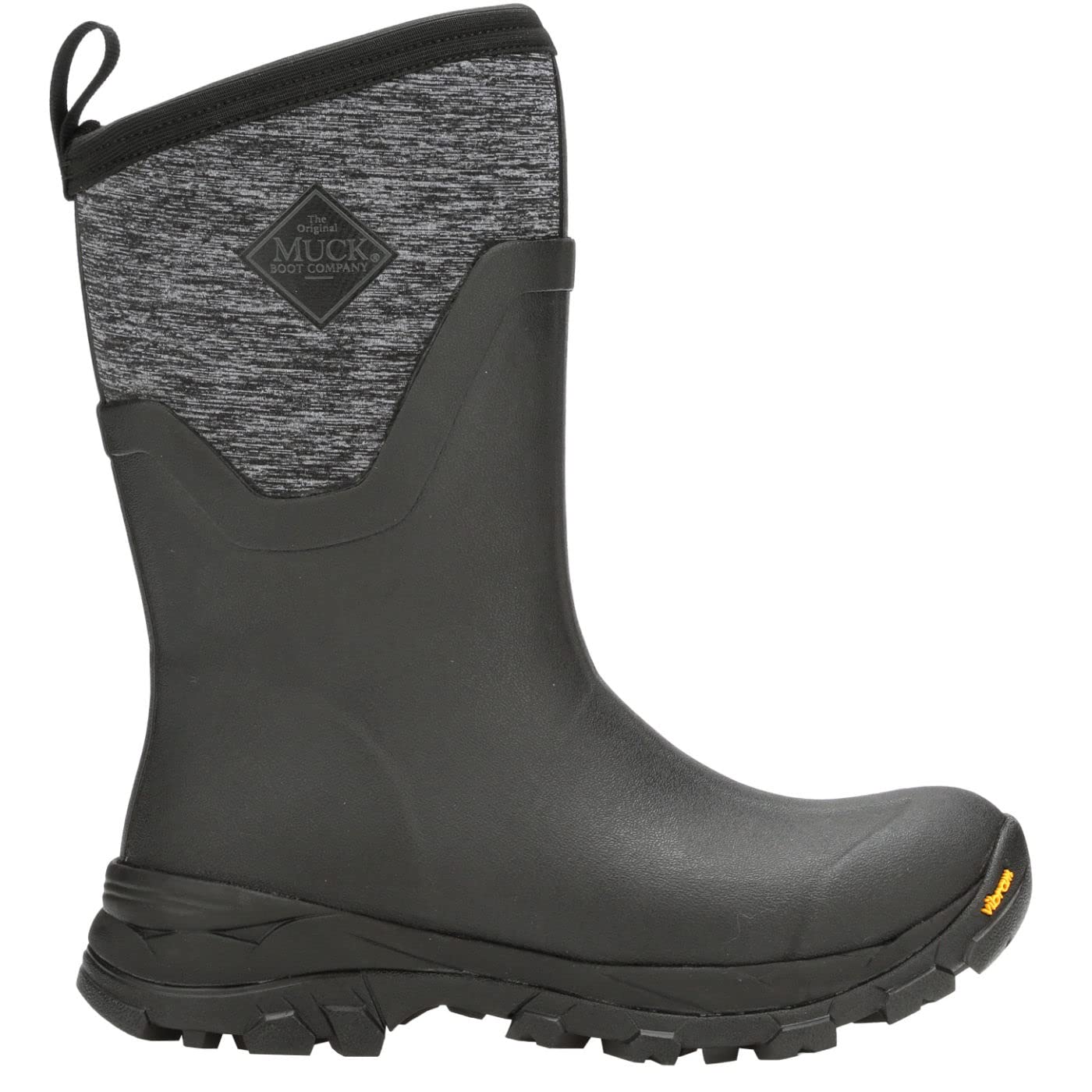

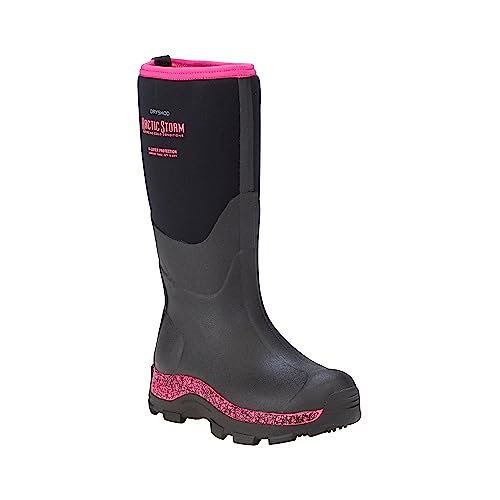
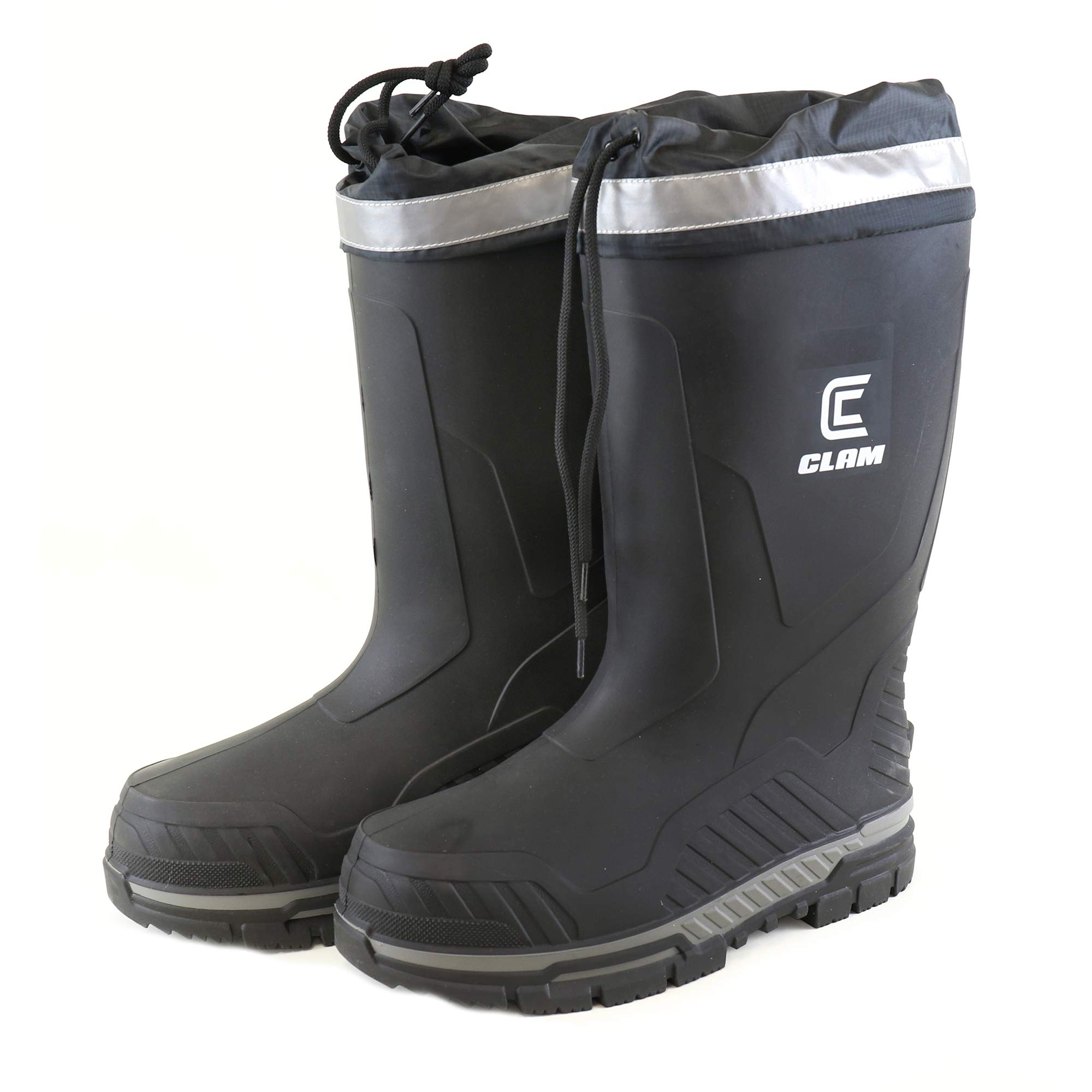

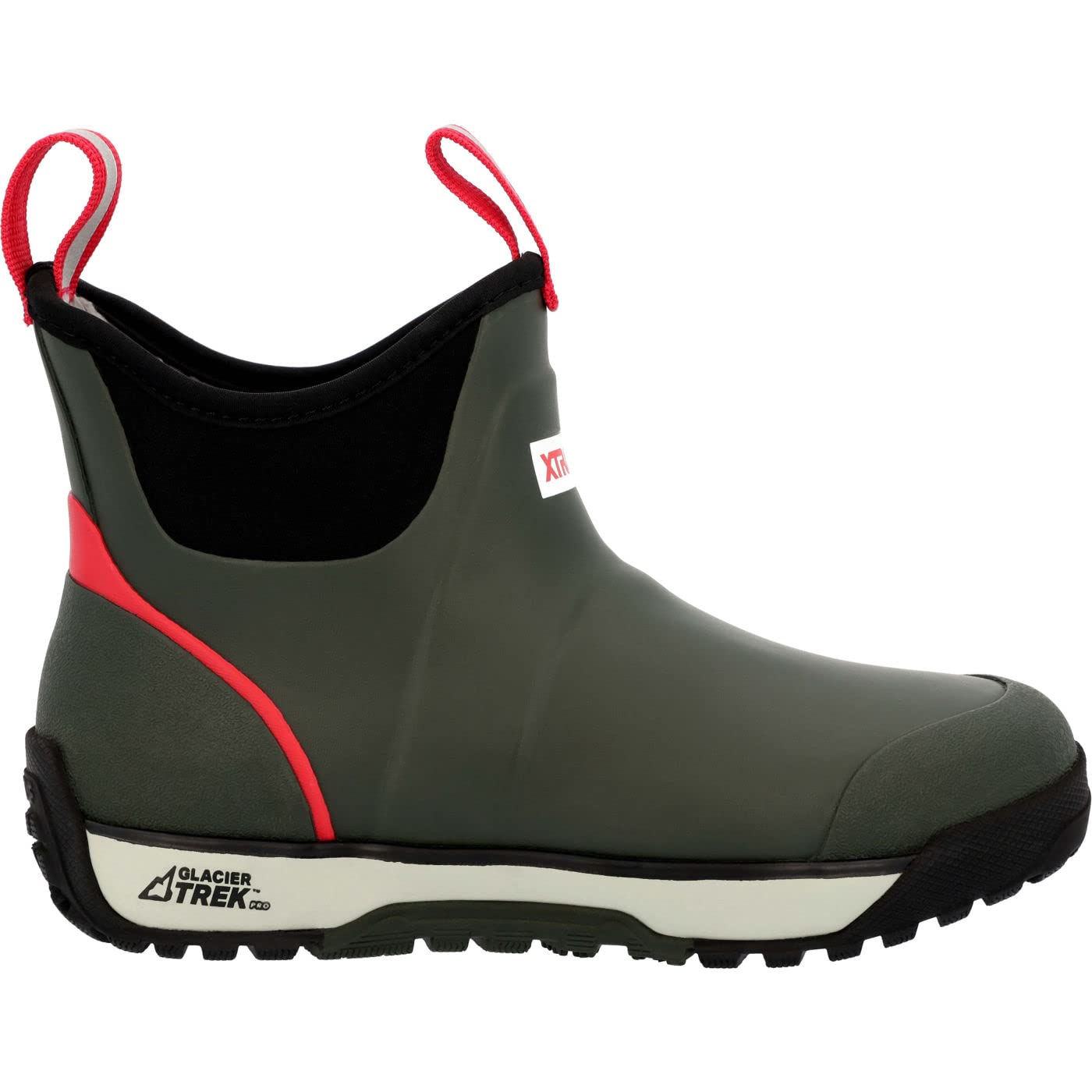


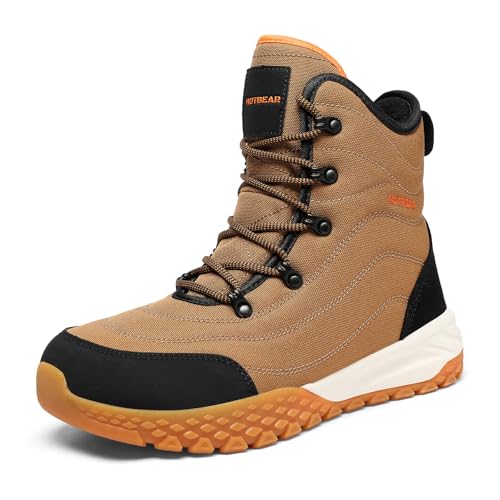
Who Should Buy Boots Built for Grip on Ice?
Your route decides how much traction, warmth and support you need, so match your group below first.
Sidewalk Commuters Who Cross Treated Streets and Lots
You walk short distances on salt, slush and patches of clear ice between home, transit and work. Prioritize deep lugs and a sole that bends at the forefoot, because a stiff sole can skate on flat treated surfaces. A mid height shaft gives enough support without slowing you down, and a waterproof upper handles slush at curbs.
Dog Walkers and Walkers on Untreated Paths
You step onto grass edges, packed snow and shaded ice where plows and salt rarely reach. Look for wide spaced lugs that shed snow, a firm heel edge for downhill steps and room for removable cleats on the worst mornings. If your route mixes deep snow with ice, see our guide to the best boots on ice and snow.
Older Adults and Anyone Who Needs Steadier Footing
You want a boot that feels planted at each step and does not roll at the ankle. Choose a flat, wide base, a tall shaft you can lace snugly and a low heel. A fall on ice that causes a head strike, confusion, a joint that cannot bear weight, numbness or pain that grows worse needs urgent medical care. If balance, circulation or feeling in your feet is a concern, talk with your clinician about personal needs.
Key Features to Compare
Judge each boot in the order below. Grip comes first, because warmth and comfort matter little if the sole cannot hold on a frozen surface. That order is the core of choosing the best boots for not slipping on ice in real winter conditions.
Outsole Rubber That Stays Soft in Cold Air
Rubber that feels grippy in a warm store can turn hard and slick once temperatures drop well below freezing. Look for a soft compound made for winter use, often described as staying flexible in cold weather. Press a thumbnail into a sample sole in the store, and choose one that gives a little. Soft rubber lets lug edges conform to tiny ridges in ice, which raises contact and helps each step hold.
Lug Depth, Shape and Spacing
Lugs are the raised blocks on the outsole, and most winter boots offer about 4 to 6 mm of depth. Deeper, angular lugs with sharp edges bite better than shallow round studs, while wide gaps clear packed snow instead of carrying it underfoot. Look for lugs that point in several directions, because you push, turn and stop on the same walk. A defined heel edge matters on slopes, since it digs in as your heel lands first. For a narrower look at daily prevention, see our guide to the best boots to prevent slipping on ice.
Fit, Sizing and Toe Space With Heavy Winter Socks
Measure both feet late in the day, when they are at their largest, and try boots on with the socks you will wear outside. Your toes should wiggle without pressing the front, and a thumb width of space before your longest toe is a useful guide. Your heel should stay seated when you walk, because a heel that lifts makes the boot feel unstable on ice. A roomy toe box also helps warmth, since tight boots can limit circulation.
Insulation and Waterproof Protection
Most winter boots list insulation by weight, with about 200 grams suiting active walkers in mild cold and about 400 grams suiting slower walks or long waits in deeper cold. More insulation adds bulk, so match it to your pace rather than defaulting to the warmest option. A waterproof membrane, sealed seams and a gusseted tongue keep slush and melt water out, and a tall shaft stops snow dropping in at the top.
Cushioning, Arch Support and a Stable Base
A stable boot spreads pressure across a wide, mostly flat sole rather than balancing you on a narrow, curved one. Firm cushioning under the heel softens hard frozen ground without feeling wobbly, and a shaped insole supports the arch so your foot does not roll inward as you tire. Bring your own orthotic insole to the fitting, because it changes the room inside the boot. Flat feet usually need firmer arch support, while high arches often feel better with more padding underfoot.
Quick Buyer Checklist for Boots That Grip on Ice
Use these questions before you order or before you leave a store with a pair. A boot that fails the first two questions is unlikely to earn your trust on a frozen morning, whatever the label promises.
- Does the outsole feel soft and flexible when you bend the forefoot by hand?
- Are the lugs about 4 to 6 mm deep, angular and spaced wide enough to clear snow?
- Can you see a clear heel edge that can bite when you step downhill?
- Is there room for your thickest winter socks without pressure on top of your toes?
- Does the heel stay seated when you walk, turn and step down from a low step?
- Does the insulation weight match your pace and the coldest weather you expect?
- Can removable cleats fit over the sole for days when ice covers every route?
Treat vague claims as a warning sign. Listings that promise grip without naming lug depth, rubber type or insulation weight give you nothing to verify, and photos of a smooth or shiny outsole suggest a fashion boot, not a winter one. Short return windows are also a reason to pause.
For longer daily routes, see our guide to the best boots walking on ice.
Common Mistakes to Avoid
Most poor choices on ice come from judging a boot indoors.
- Buying a smooth soled fashion boot for winter leaves you with almost no bite on the first patch of clear ice.
- Choosing your summer shoe size without winter socks crowds your toes and makes your feet feel colder on every walk.
- Picking the warmest insulation for fast walking overheats your feet, and damp socks then chill quickly once you slow down.
- Testing grip only on dry store floors hides how a hard sole behaves once rubber turns stiff in cold air.
- Wearing worn lugs all season lets each step start on rounded edges that slide instead of biting into the ice.
Care and Maintenance for Boots Used on Ice
Dry wet boots at room temperature away from direct heat, and loosen the laces so air can reach the lining. Pull the insoles out after slushy walks, because the space under them stays damp longest. Stuffing the toe with plain paper can draw out moisture overnight. Heat from a radiator or dryer can crack leather and weaken the glue that holds the sole.
Brush off road salt once boots are dry, then wipe the upper with a damp cloth, because salt left in place dries leather and stains fabric. Check lug depth and heel edges each month during winter, and retire a pair once the edges look rounded and smooth. Store boots upright in a cool, dry place with the shafts supported, so the ankle area does not fold and crease between seasons.
FAQ
What features matter most in boots for not slipping on ice on black ice?
Grip on black ice depends most on soft rubber and sharp lug edges, because the surface offers almost no texture to hold. One new check helps here: look at the sole under bright light, since a thin shiny film on new lugs can feel slick at first and wear away after a few walks on rough pavement. Slow, short steps still matter more than any sole once ice turns glass smooth.
Are expensive boots for walking on ice worth the higher price?
They can be worth it when the price buys softer winter rubber, deeper lugs and stitching that survives several seasons of salt. Winter boots often cost about $100 to $250, and the top of that range may add a replaceable insole and a taller waterproof shaft. Price alone does not create grip, so compare sole photos and lug depth before you pay for a name.
How should boots for ice fit with thick winter socks?
Boots for ice should feel snug at the heel and midfoot, with clear space at the toes, when you wear thick winter socks. One useful test goes beyond standing still: walk, turn sharply and step down from a low platform, because toes that touch only during turns will ache on a downhill street. If one foot is larger, fit that foot and pad the smaller one with a thicker insole.
Do boots for ice need to be waterproof?
Most boots for ice benefit from waterproof protection, because melt water and slush are part of nearly every winter route. The exception is a short, dry cold walk on cleared pavement, where a water resistant upper may be enough and feels less stuffy indoors. Check the height of the waterproof layer too, since a membrane that ends below the ankle will not help in a deep slush puddle at a curb.
The Bottom Line
Start with the sole, then check fit with real winter socks, then match insulation to your route and pace. Use the product table above to compare lug depth, insulation weight and shaft height side by side before you decide.
The right pair of best boots for not slipping on ice should feel steady on your worst stretch of route, not just comfortable in the store. Choose the boot that passes the grip and fit checks first, and winter walking becomes a calmer part of your day.


