
Best Boots Walking on Ice: Grip, Warmth and Safe Steps Guide 2026
Disclosure: We may earn a commission when you buy through links on this page, at no extra cost to you. As an Amazon Associate I earn from qualifying purchases. Learn more

Best boots walking on ice: sole rubber, tread, heel shape and warmth explained, with walking technique and add on traction tips for winter.
Ice is the hardest surface a boot has to grip. It is smooth, often wet, and changes with the temperature. The best boots walking on ice are not the tallest or the warmest. They are the ones with the right sole rubber, a sensible tread and a stable base, matched with a walking style that suits the surface.
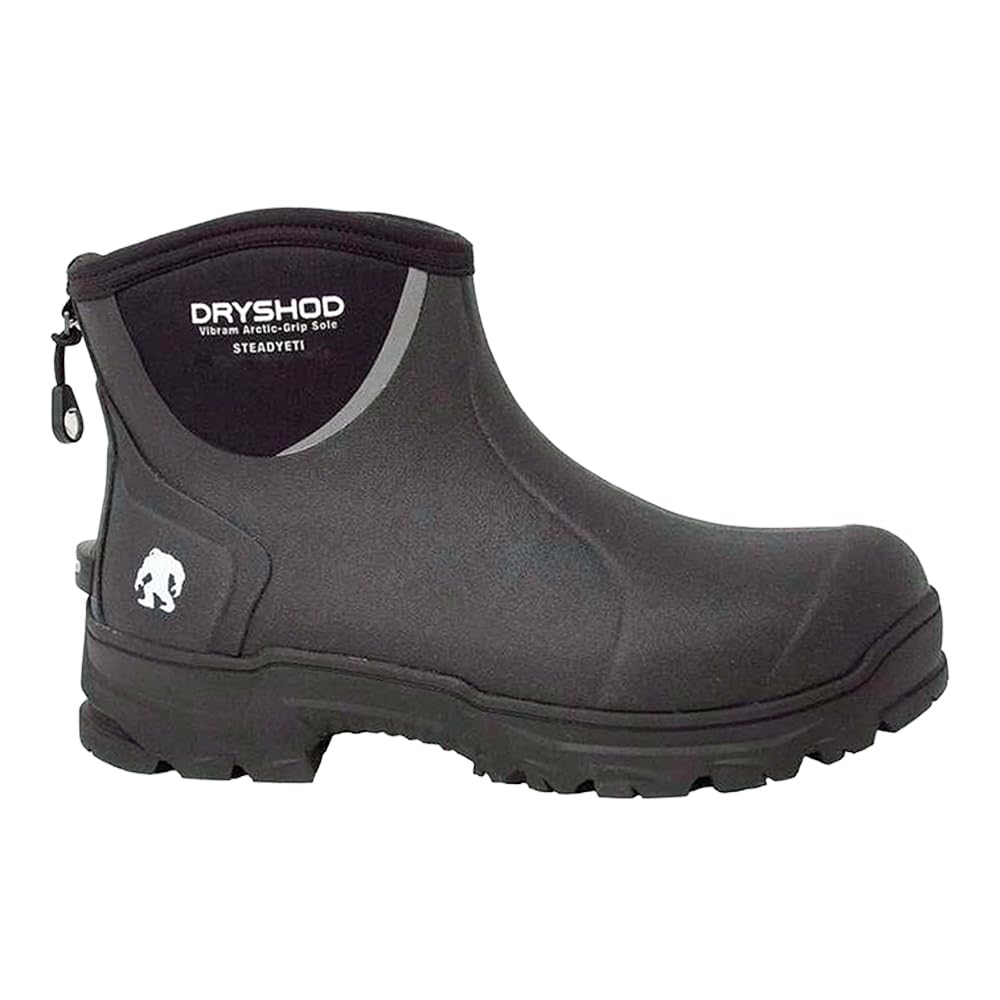
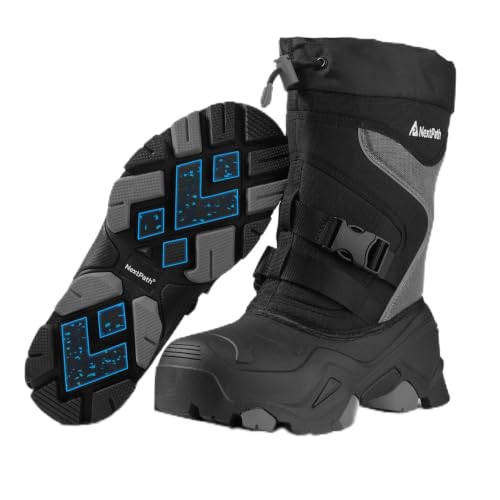
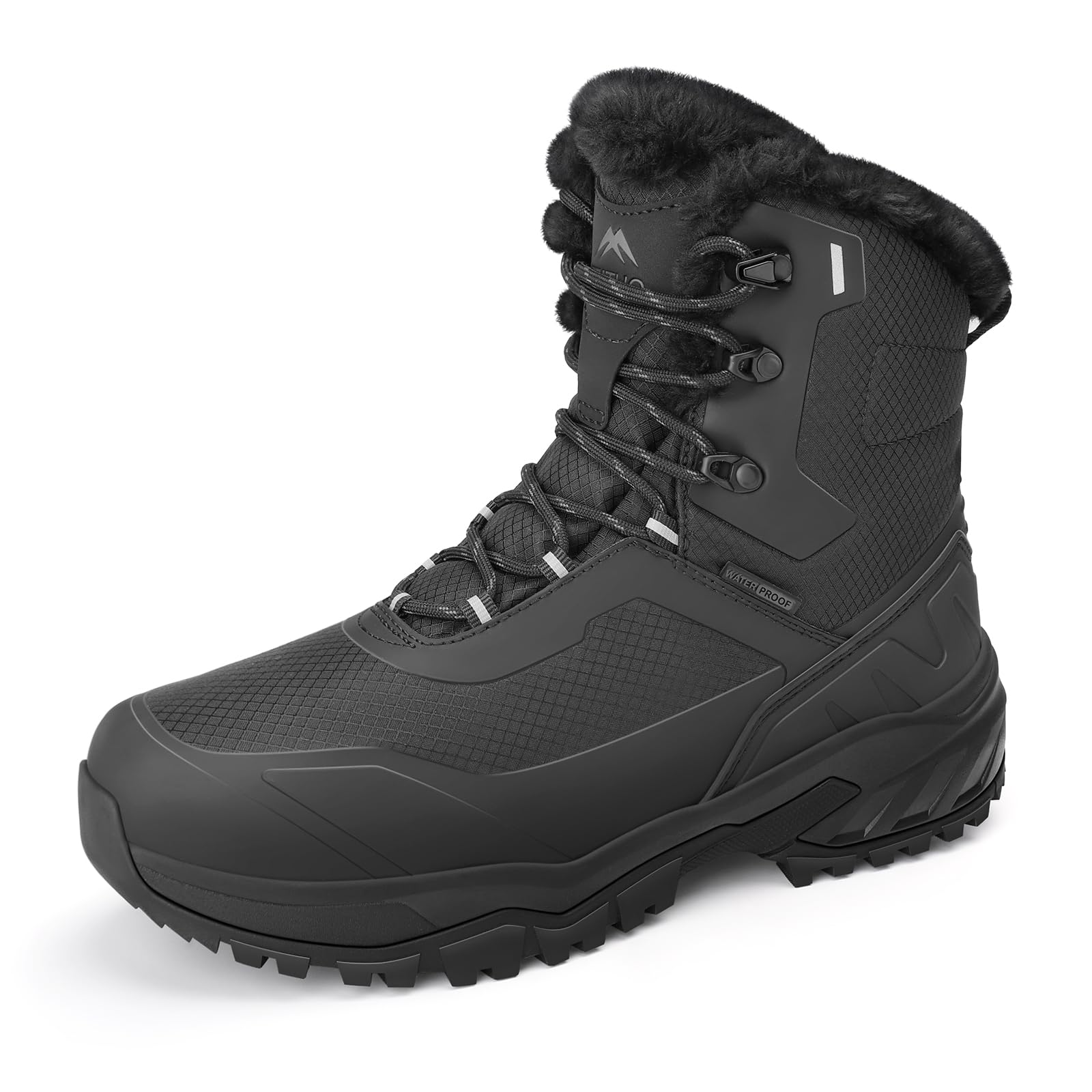
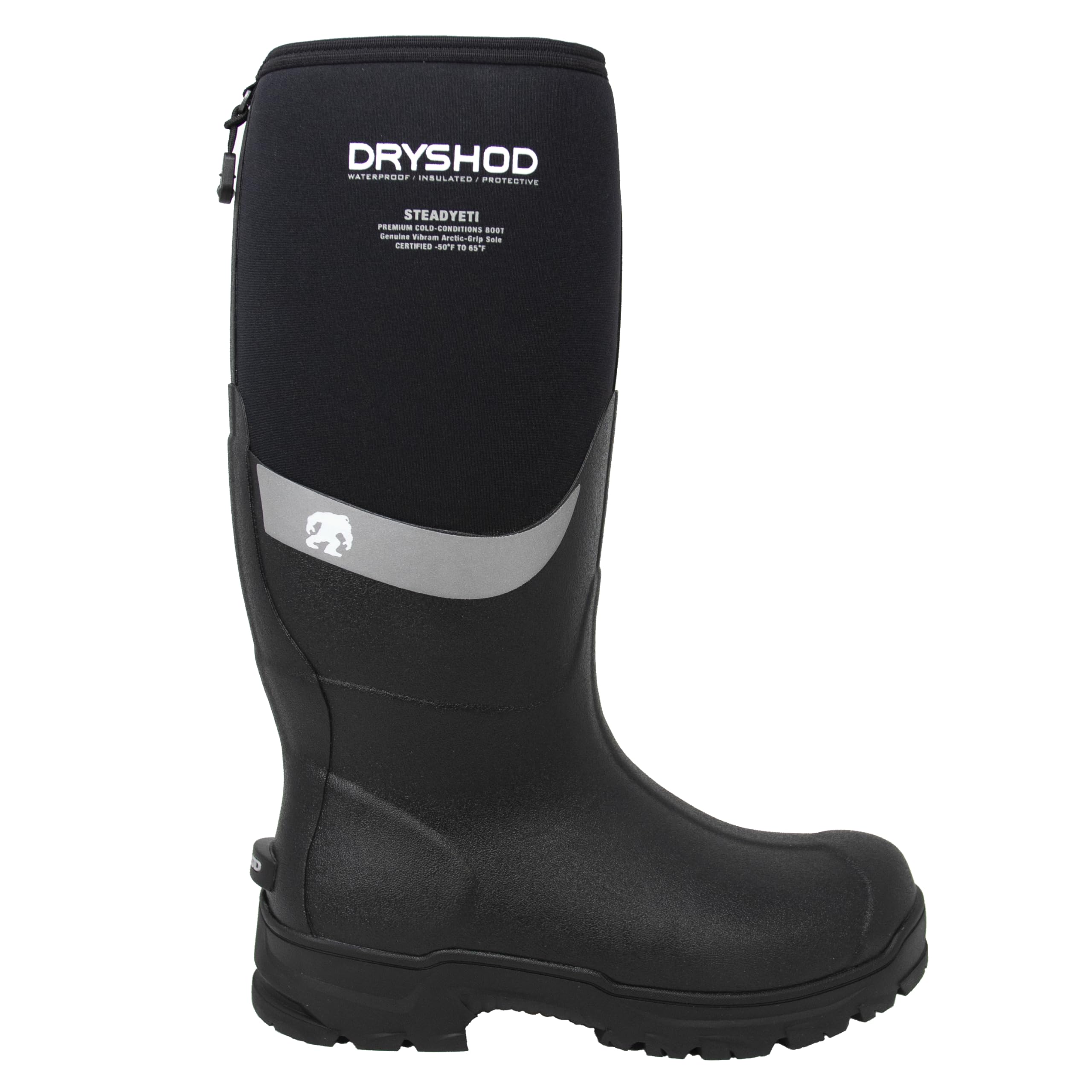
This guide breaks down what creates grip on ice, what to look for in a sole, how warmth and waterproofing fit in, and what to do when a boot alone is not enough. The product table above lists boots that put grip and warmth together.

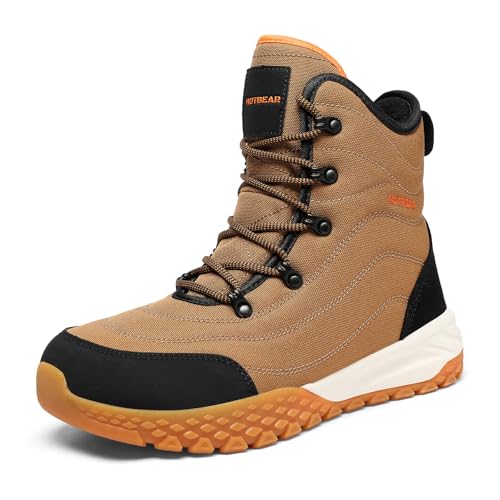
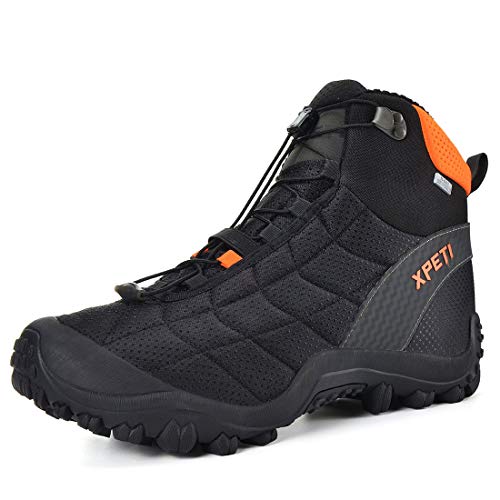
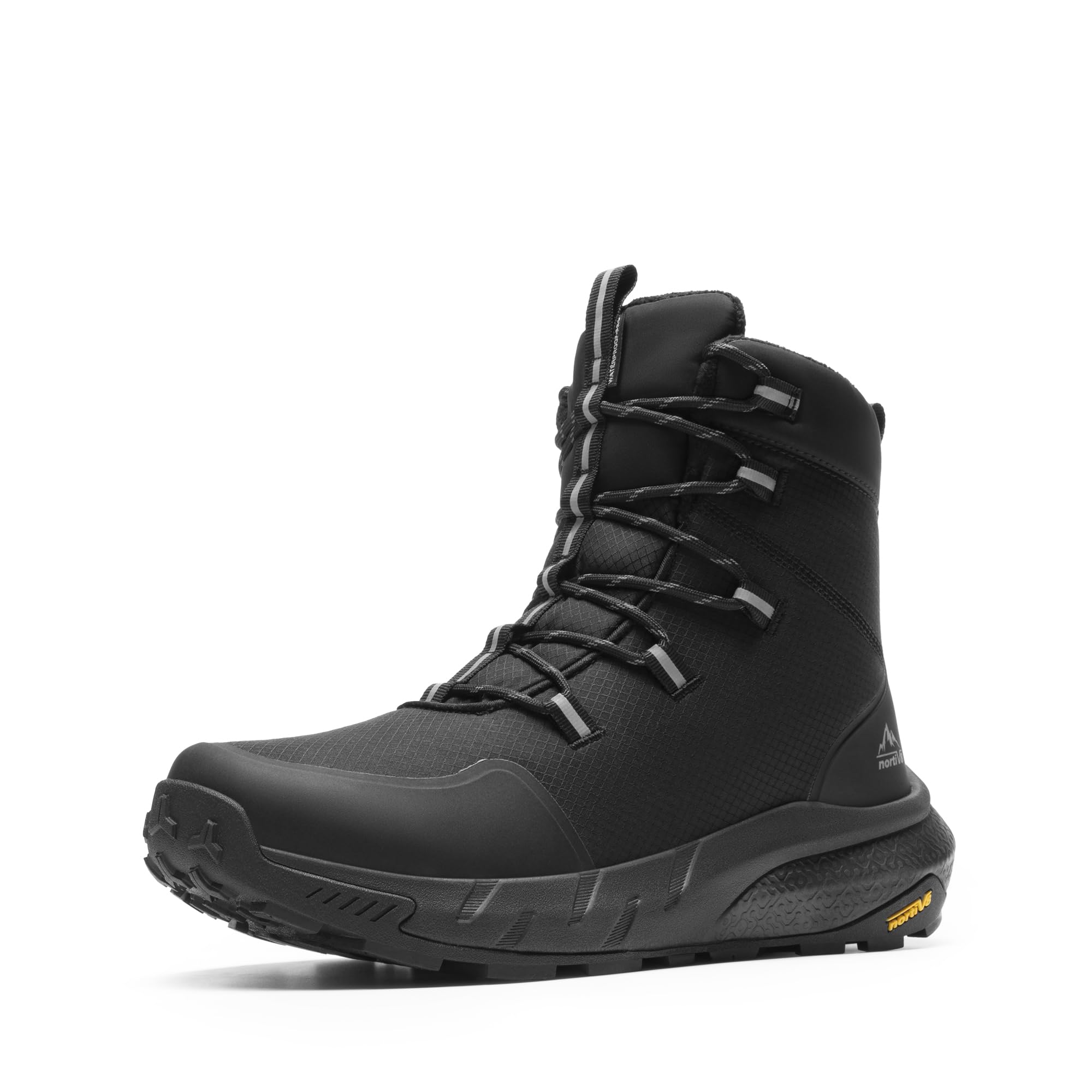
Why the Best Boots Walking on Ice Differ From Snow Boots
Snow is soft, so deep lugs bite into it. Ice is hard and slick, and deep lugs can actually reduce the contact area. Thin black ice and polished frost are the worst, because there is almost nothing for the tread to grab. A boot for snow and a boot for ice share features, but the ice boot depends more on rubber chemistry than on lug depth.
The Sole Is the Whole Story
Rubber Compound
Many soles harden in the cold, which makes them slide. A soft compound that stays flexible at low temperatures grips better. Some boots add special inserts or grit in the rubber to bite into ice. Check the product description for terms such as winter rubber, ice grip or arctic compound.
Tread Pattern
On ice, many small edges beat a few big lugs. Look for lots of sipes, which are fine cuts in the rubber that flex and grab. Wide spaced lugs still help in slush and snow on top of ice, so a mix of the two is a good sign.
Heel Shape
A low, broad heel with a slightly bevelled back puts more rubber on the ground when your foot lands. Tall, narrow heels slip easily. A stable platform also helps when you step off a curb.
Warmth Without Sweat
Cold feet make people tense and change how they walk. Choose insulation that fits your activity. Around 200 grams suits active walking, and 400 grams or more suits standing still. A breathable lining stops sweat chilling your feet when you stop.
Waterproofing and Height
Meltwater and slush are common alongside ice. A waterproof membrane and sealed seams keep your socks dry. A taller shaft keeps snow out but can feel heavy on stairs. Choose a height that suits your route.
Fit for Safer Steps
A boot that slides on your foot makes every step less secure. Try boots on with winter socks, late in the day. The heel should stay seated and your toes should have room. A snug midfoot gives you better control on slippery ground.
Add On Traction Devices
Cleats that slip over boots, spikes and chains add grip on hard ice. They work best on short walks and untreated paths. Remove them before walking on smooth indoor floors, since metal on tile is very slippery. Make sure they fit your boots tightly, and check them before each outing.
How to Walk on Ice
- Take short, shuffling steps and keep your feet flat.
- Keep your weight over your front foot and your knees slightly bent.
- Keep your hands free of heavy loads and out of your pockets.
- Use handrails, and walk on sanded or salted paths when you can.
- Slow down on slopes, ramps and shaded patches where ice hides.
Mistakes to Avoid
- Judging grip by boot height or brand alone.
- Wearing smooth fashion soles on icy streets.
- Ignoring worn heel lugs, where wear starts first.
- Buying a size that leaves no room for winter socks.
Care
A little care keeps your best boots walking on ice gripping all winter.
Knock packed snow and grit out of the tread, and wipe off road salt. Dry boots at room temperature with the insoles out. Press a thumbnail into the sole: winter rubber should still give a little. Replace boots when the tread looks smooth.
Choosing by Your Daily Route
Think about where you actually walk. A city commuter on salted pavements needs a lightweight, flexible sole and a waterproof upper. A rural walker on unplowed paths needs a deeper tread and a taller shaft. Someone who stands outside for work needs warmth and ankle support as much as grip.
If your route changes through the winter, keep two pairs. A light pair works for dry cold, and a warmer, higher pair suits snow and slush. Switching saves wear on both.
Signs Your Boots Have Lost Their Grip
Look at the heel and the ball of the foot, where the tread wears first. If the edges look rounded or the rubber has a glossy, hard surface, grip has faded. Boots that feel slippery on wet tile or a smooth porch will be worse on ice. Replace them before the first hard freeze rather than after a fall.
Dressing for a Long Icy Walk
Layer your legs and feet for the weather. Moisture wicking socks under a warmer pair keep sweat away from the skin, and a longer pant leg or gaiter keeps snow out of the boot top. Carry a spare pair of dry socks on long walks, and tell someone your route when you head out on remote paths. Cold feet lose feeling, and that makes it harder to sense slipping underfoot.
Frequently Asked Questions
Are waterproof boots better on ice?
Waterproofing keeps feet dry, but grip comes from the sole. Look for both.
Do I need ice cleats as well?
On hard, glassy ice, yes, they add grip that no sole can match. On sanded or lightly snowy paths, a good boot alone is enough.
What heel is best on ice?
A low, wide heel with a bevelled back.
Can older adults use the same boots?
Yes. Prioritise stability, easy fastening and light weight, and talk with a clinician about falls and balance.
Final Thoughts
Soft winter rubber, many small edges, a stable heel and a snug fit give you the most grip. Add insulation and waterproofing to suit your route, and carry traction devices for hard ice. For a closely related guide, see our best boots to wear on ice. The best boots walking on ice are the ones that keep you upright and warm all the way home.


