
Best Boots for Pitbulls: 2026 Checklist for Strong Paws and a Secure Fit
Disclosure: We may earn a commission when you buy through links on this page, at no extra cost to you. As an Amazon Associate I earn from qualifying purchases. Learn more

Find boots for pitbulls that stay on strong legs. Learn paw sizing, strap checks, sole grip, and seasonal picks for pavement, trails, and snow.
Pitbulls put more force through their paws than most dogs. They launch hard from a standstill, turn fast, and kick with strong back legs, so a loose boot twists and comes off within a block. The best boots for pitbulls solve that problem first, then protect the pads from hot pavement, rough trails, road salt, and sharp debris. This guide gives you a checklist for sizing, closures, soles, and seasonal builds. Start by scanning the comparison table below.
Fit is the theme of every section, from tracing each paw to the warning signs that mean a paw needs a veterinarian instead of a boot.
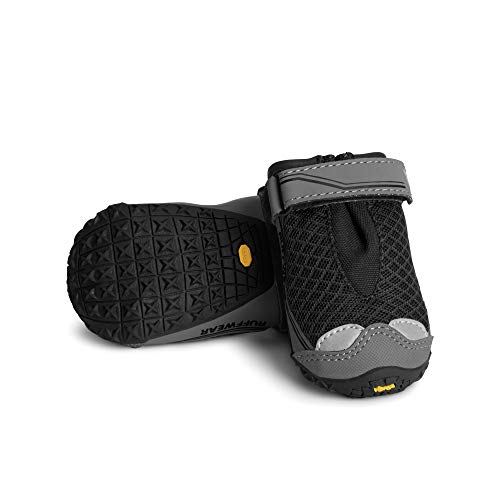
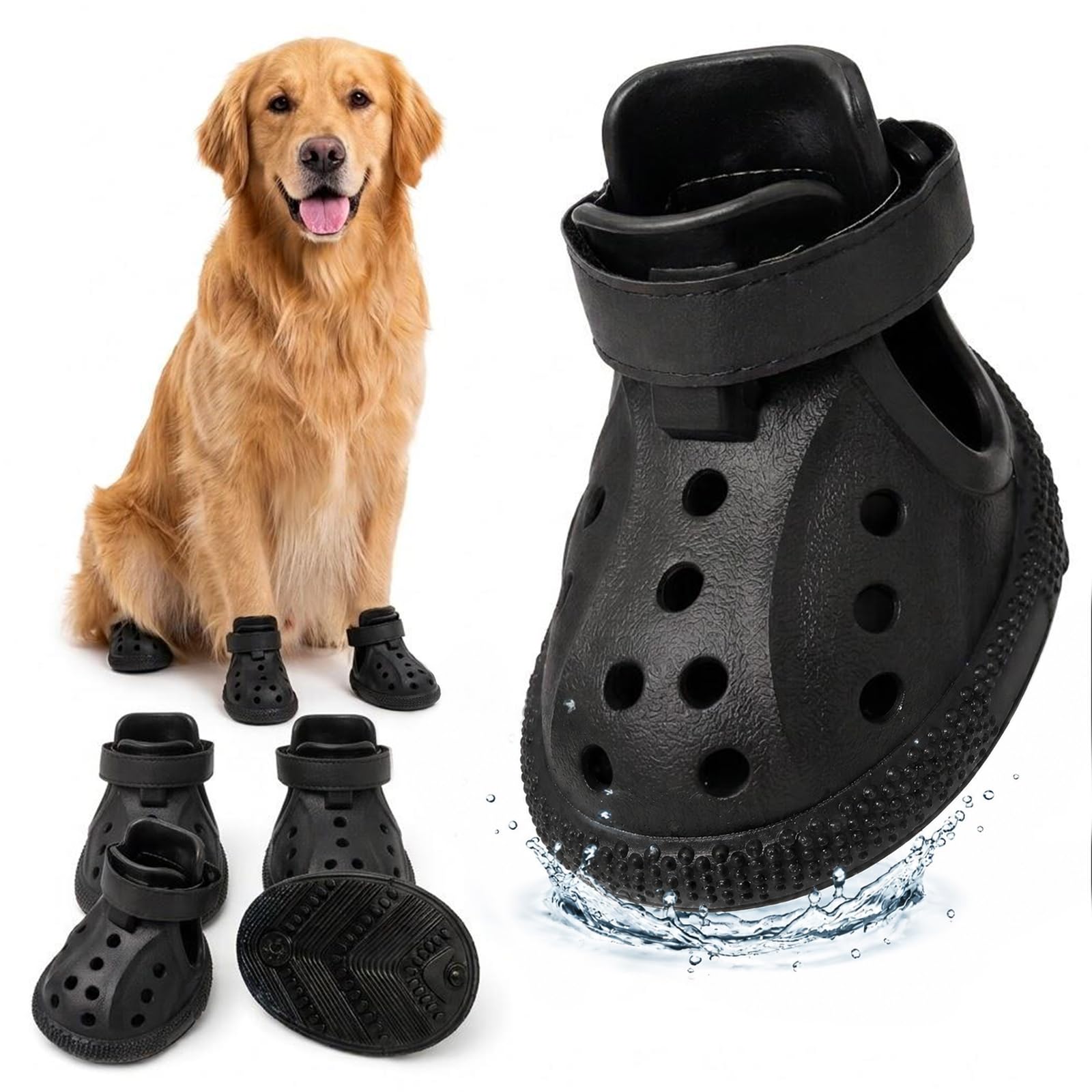
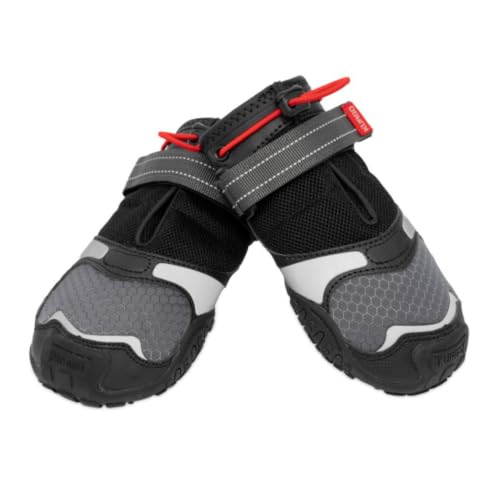
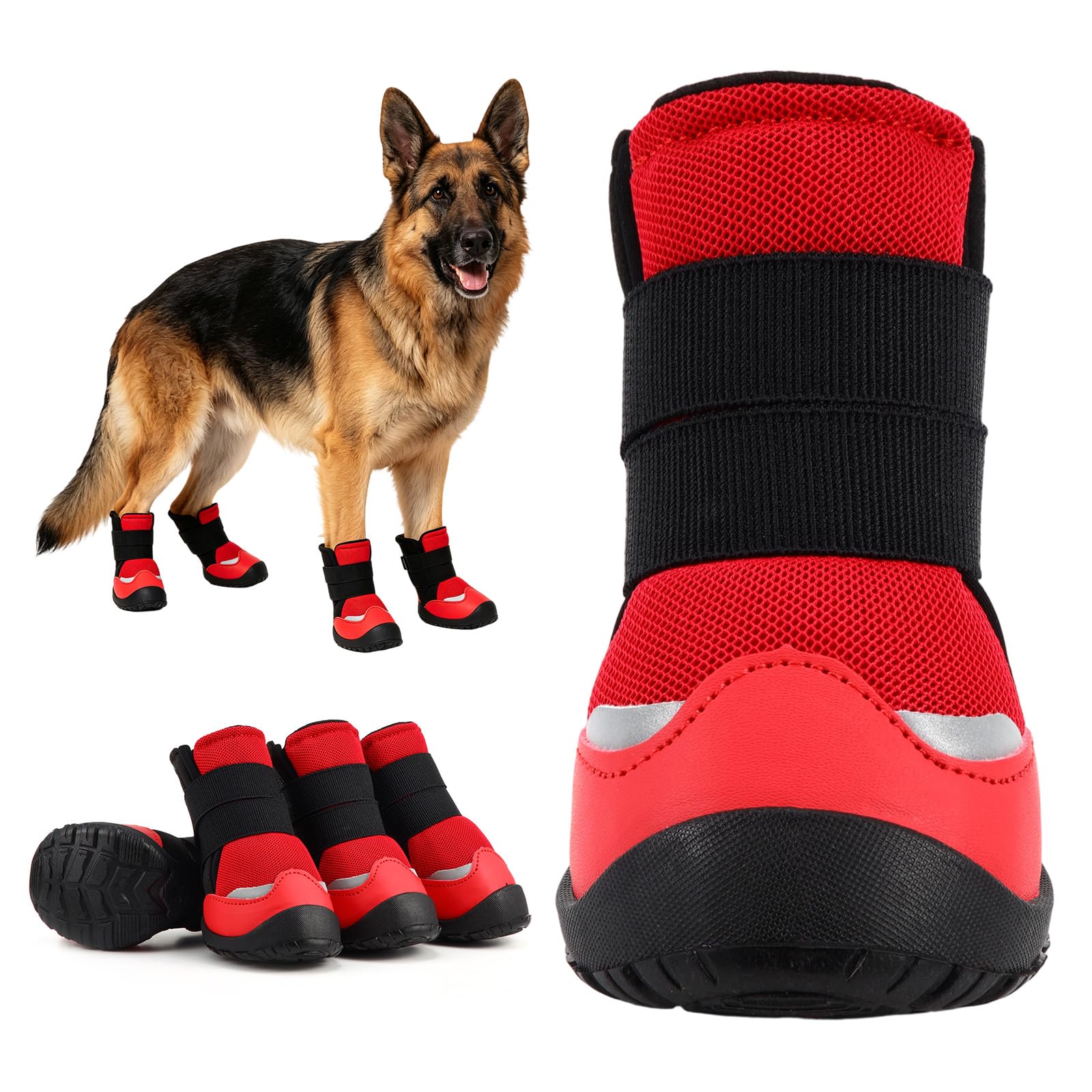
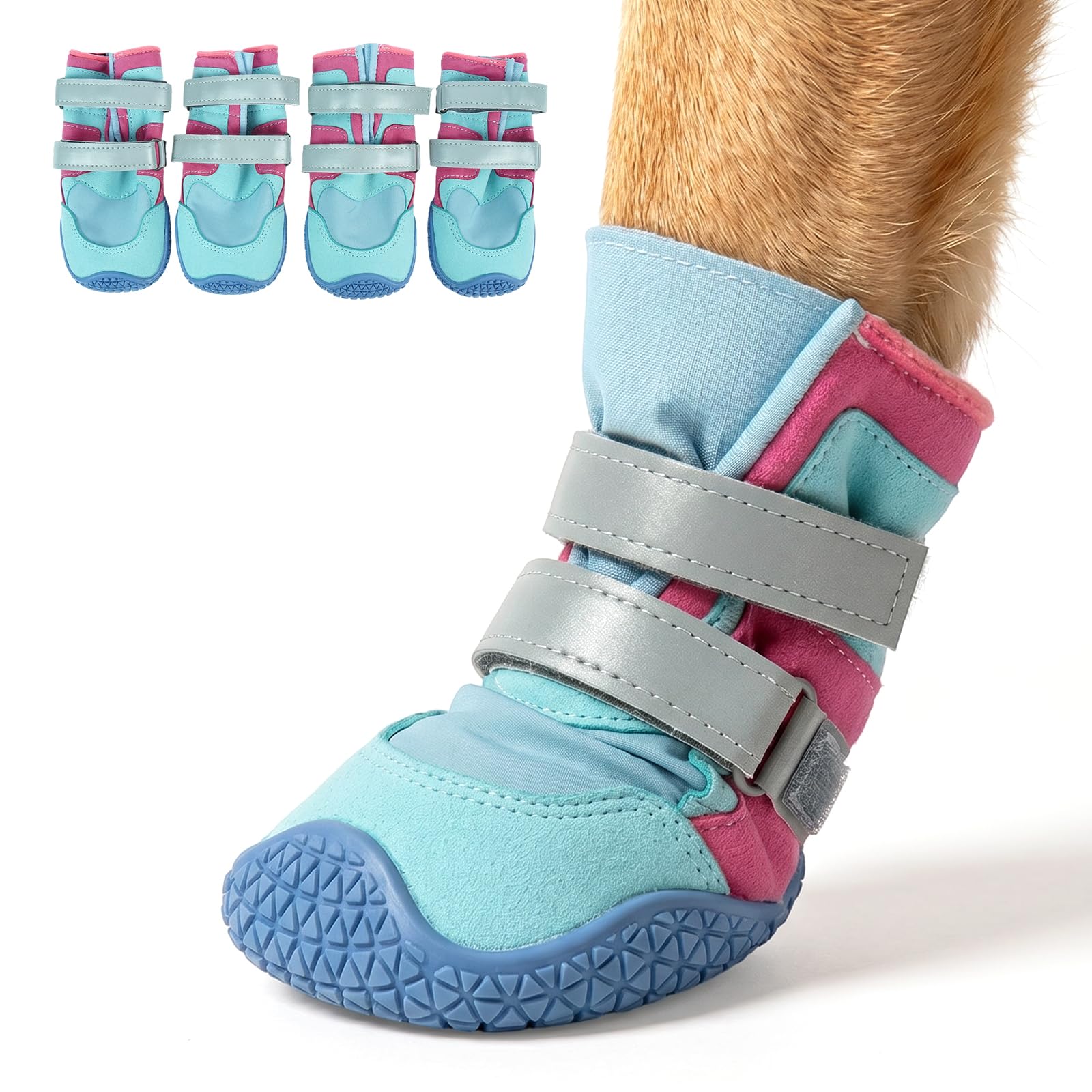
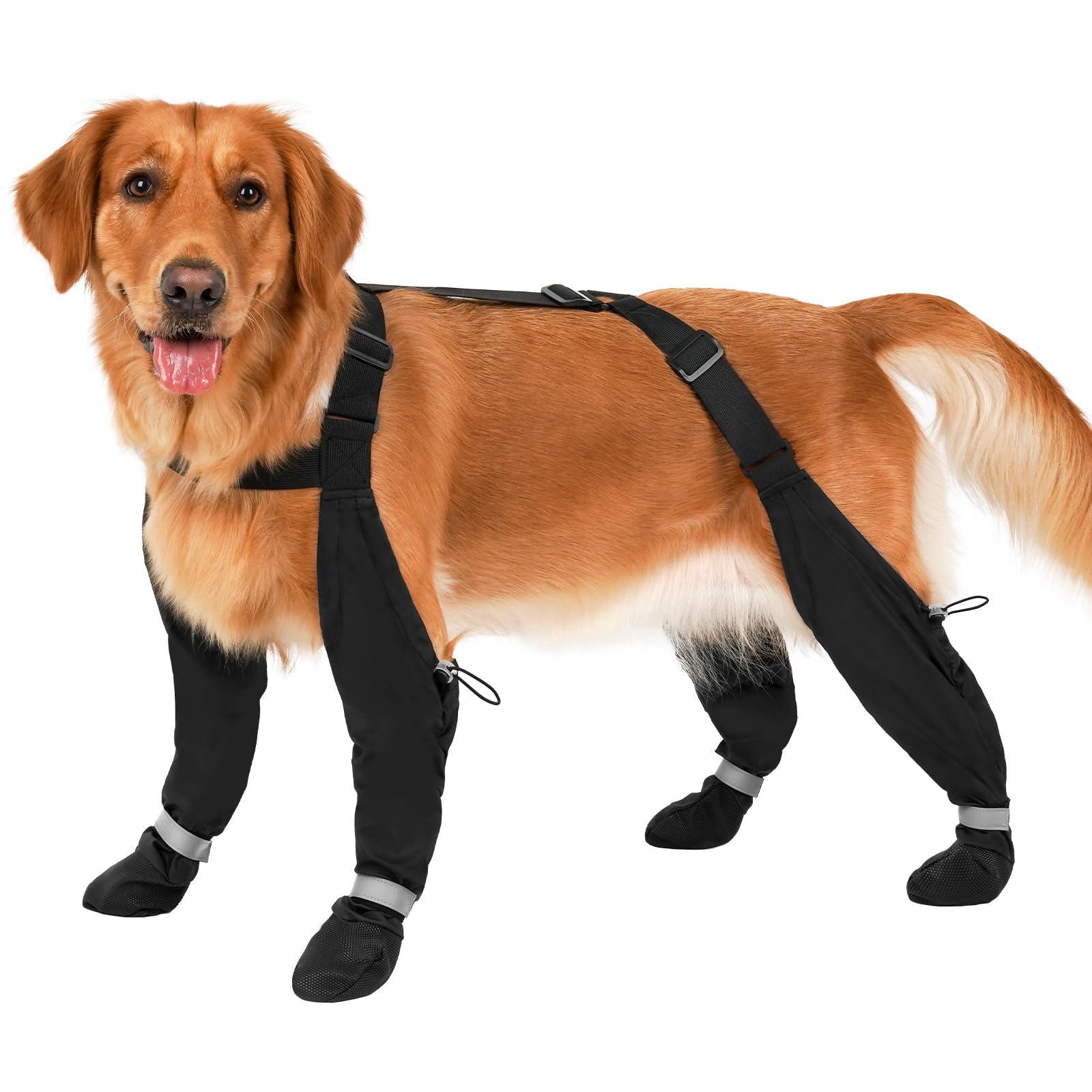

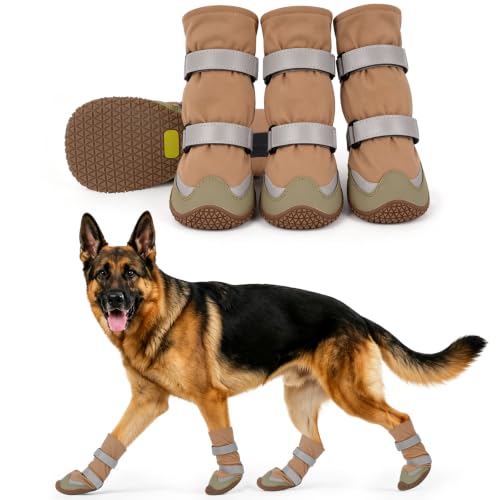
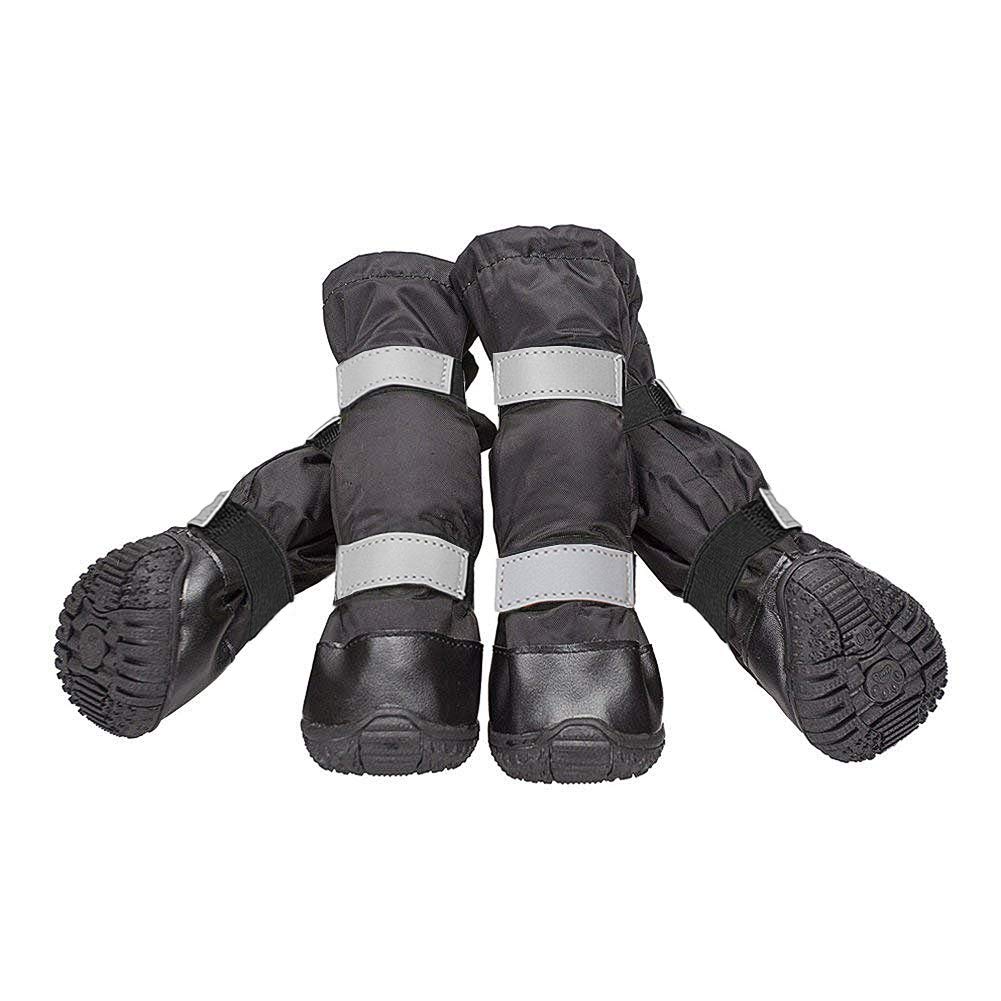
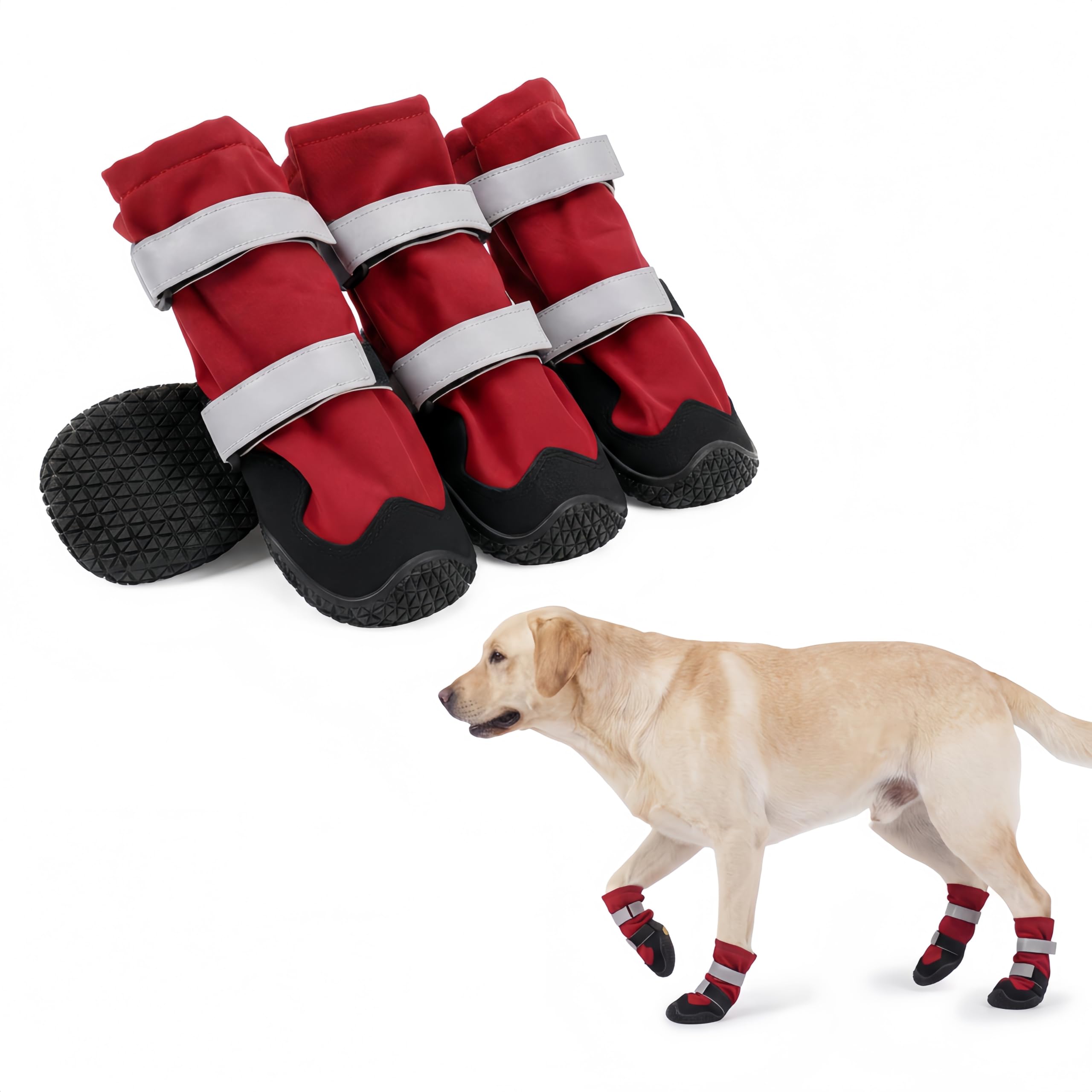
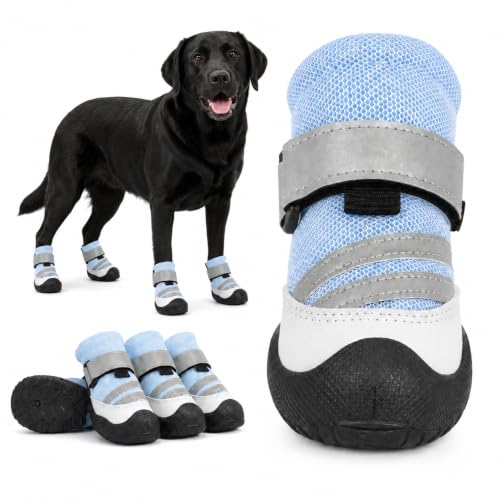
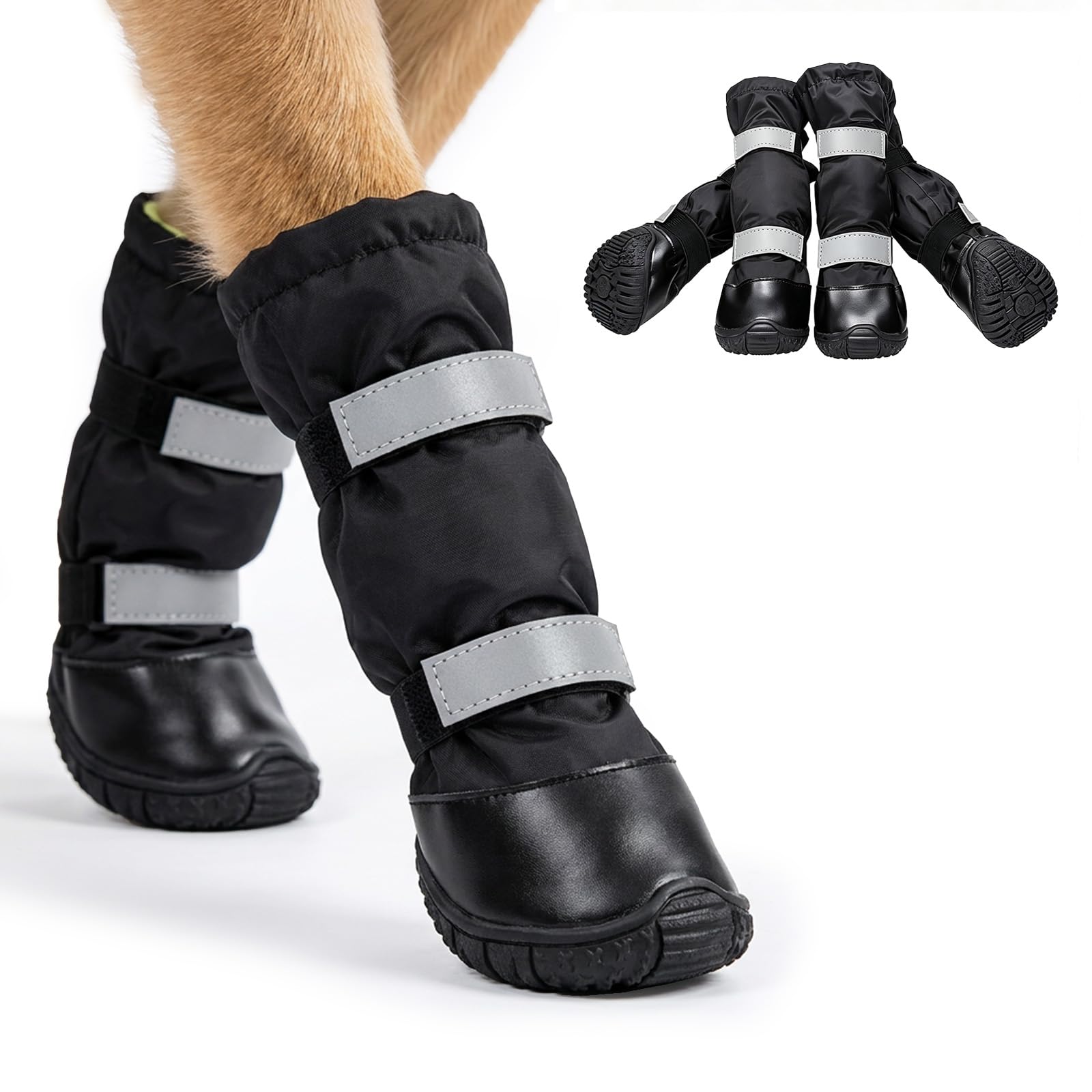
Who Should Buy Boots for Pitbulls
Boots are tools, not fashion. The dogs below gain clear protection or comfort from them, and each group should weigh the later features a little differently.
City Pitbulls Walking on Hot or Salted Pavement
Summer asphalt can burn bare pads during a midday walk, and winter sidewalks carry ice melt that stings and dries the skin between the toes. A city pitbull needs a sole thick enough to block heat and grit, plus an upper that closes high enough to keep salt out. For short smooth routes, a lighter flexible boot feels more natural.
Active Pitbulls Hiking and Running on Trails
Trail dogs cross gravel, roots, mud, and creek edges, often pulling hard toward the next scent. Your pitbull needs lugged rubber that grips wet rock, a reinforced front panel that shrugs off scrapes, and two straps that hold steady when the paw twists on uneven ground. Drainage matters after stream crossings, since a boot that holds water gets heavy and rubs.
Pitbulls With Sensitive Paws or a Healing Paw Injury
Some pitbulls lick and chew their paws because of allergies, dry cracked pads, or a healing cut, and a boot can act as a barrier outdoors while the skin recovers. Choose soft linings, smooth inner seams, and a roomy front that never presses on a sore toe. Watch for limping that gets worse, swelling, bleeding, a foul smell, discharge, or a wound that is not closing, and see a veterinarian promptly if any of these appear. Boots support recovery but never replace diagnosis, so talk with your veterinarian about your dog and its personal needs.
Key Features to Compare
When you compare the best boots for pitbulls side by side, work through the five checks below in order. A boot that fails the first two rarely succeeds in daily use, however tough it looks.
Paw Sizing and a Wide, Roomy Fit
Measure, never guess from weight alone, because pitbulls of the same weight can carry very different paw widths. Stand your dog on paper, let the paw bear full weight, then trace around it and measure the longest and widest points. Repeat for a back paw, since back paws are often a little narrower, and match each paw to the maker size chart, choosing the larger size when a paw falls between sizes. The nails should never press hard against the front panel.
Closures That Stay On Strong Legs
The closure system decides whether a boot survives the first excited minute of a walk. Look for two hook and loop straps rather than one, placed so the lower strap sits above the paw and the upper strap grips the narrower part of the leg. That pairing resists the backward kick that launches single strap boots into the grass. Straps should feel snug without digging in. Pick a design that folds long strap tails down flat, since flapping ends tempt a determined chewer.
Tough Soles With Grip for Pavement and Trails
The sole is the shield and the grip in one layer. Thick rubber with a clear tread pattern helps on wet sidewalks, loose gravel, and slick rock, and it slows the heat rising from summer pavement. Thin flexible soles give better ground feel for short city walks, while stiff soles protect best on sharp stone. Check that the sole wraps slightly up at the front, since a pitbull that drags its toes will wear through a flat front edge first.
Durable Uppers That Resist Scratching and Chewing
Uppers take abuse from nails, brush, crate edges, and teeth. Dense woven fabric or sturdy synthetic panels hold up better than soft loose knit when a dog scratches at a new boot or pushes through rough ground cover. Seams should sit where they will not rub the dewclaw. Supervise the first wears closely, because even a tough upper loses to a pitbull jaw left alone with it, so store boots out of reach between walks.
Breathable or Waterproof Builds by Season
Climate should shape your fabric choice as much as terrain does. Breathable mesh panels vent heat on warm dry days and help paws that sweat through their pads, which keeps the inside of the boot drier and less slippery. Waterproof shells suit rain, slush, and wet grass, but they trap warmth, so they are a poor pick for a summer walk. Many owners keep two sets, a light set for heat and a sealed insulated set for winter.
Picking the Right Boots for Different Seasons and Surfaces
One set rarely covers a full year for a strong dog that walks daily. Use the seasonal notes below to decide whether a second set earns its cost.
Best Snow Boots for Pitbulls: What Changes in Winter
Winter boots for this breed add insulation, a taller shaft, and a sealed upper that keeps packed snow from balling between the toes. Look for tread that stays flexible in deep cold, since rubber that turns hard and smooth slides on ice. The top opening should cinch close to the leg so meltwater cannot run inside. After each walk, rinse off road salt and dry the boots fully.
Summer Pavement and Indoor Grip Needs
On hot days the goal shifts from warmth to heat blocking and airflow. A light breathable boot with a solid sole protects pads on short outings, but no boot makes a long walk on scorching pavement wise, so shift exercise to shade or cooler hours. Indoors, thin soft soled boots can help senior pitbulls that slip on smooth floors. For a broader look at lighter paw wear, see our guide to the best dog boots for pitbulls.
Common Mistakes to Avoid
- Buying from dog weight alone skips paw width, so the boots twist sideways and rub the outer toes raw.
- Choosing a single loose strap lets a strong back leg kick the boot off within the first block.
- Ignoring the dewclaw leaves it caught under a strap edge, and the sore spot makes your dog refuse boots.
- Starting with a full length walk overwhelms a new wearer, so early panic often turns into chewing and lasting resistance.
- Leaving boots on an unsupervised dog invites steady chewing, and swallowed strap pieces can become a serious health risk.
- Wearing insulated winter boots on a warm day traps heat, and damp skin softens and tears more easily.
Care and Maintenance for Pitbull Boots
Rinse mud, salt, and grit off after dirty walks, since dried grit inside the boot works like sandpaper on the pads. Shake out stones and check the tread for embedded glass or thorns. Air dry boots away from direct heat, with the openings propped wide, and clear lint and hair from the hook and loop straps so they keep their grip. Replace a set when the tread smooths out, a strap stops holding, or the upper splits.
Boots for Pitbulls: Your Questions Answered
What features matter most in boots for a strong pitbull?
Secure double straps and honest paw sizing matter most, because a boot that leaves the paw protects nothing. One extra check is the return policy, since some dogs need a size change after the first try on. Keep the packaging until the fit is certain on all four paws.
How do I measure a pitbull for boots that stay on?
Measure each paw while your dog stands at full weight, because a lifted paw reads narrower than a loaded one. Trace on paper in the evening after a walk, when paws are at their widest, then add a small margin for toe spread. Recheck the size every few months for young dogs, since paws keep filling out well past the first birthday.
How long does it take a pitbull to get used to wearing boots?
Most pitbulls accept boots within a few short practice sessions spread over several days. Start indoors with one boot for a minute, reward calm steps, then build to four boots and brief garden time before any real walk. Keep early outings well under the usual distance, and end each session while your dog is still relaxed.
Can a pitbull wear boots all day?
No, a pitbull should not wear boots all day, because paws need open air to dry and stay healthy. Boots are for walks, hikes, and short supervised periods, with breaks that let you check for rubbing, trapped grit, or damp skin. If a healing paw needs longer coverage, ask your veterinarian about alternating a boot outdoors with a light indoor barrier so the skin still gets air.
Do pitbulls need waterproof boots for rain?
Pitbulls need waterproof boots for rain only when walks are long, the ground is cold, or road runoff carries salt and chemicals. For a quick warm weather shower, a breathable boot or bare paws followed by a rinse and towel dry is often fine. The point many owners miss is drying the folds between the toes afterward, since moisture held there feeds irritation.
The Bottom Line
Start with an honest paw trace, choose two straps that hold on strong legs, and match the sole and fabric to your ground and season. Train in short rewarded sessions, and check the paws after every outing. Chosen that way, the best boots for pitbulls become a simple part of the walk routine. Compare your finalists in the product table above and order the size your measurements support.


