
Best Boots for Small Dogs: Budget, Midrange, and Premium Guidance for 2026
Disclosure: We may earn a commission when you buy through links on this page, at no extra cost to you. As an Amazon Associate I earn from qualifying purchases. Learn more

Wondering what boots for a small dog should cost? Compare budget, midrange and premium options and learn which features are worth paying for.
Dog boots range widely in price, and the most expensive pair is not always the best fit for a small dog. The best boots for small dogs protect tiny paws without slipping off, rubbing, or making your dog refuse to walk. The comparison table below can help you weigh the main types side by side before you spend anything.
This guide explains what each price tier usually delivers, which features are worth paying for, and which upgrades you can skip. It also covers measuring, fit, and long term costs, so you can judge value over a whole season rather than on price alone.
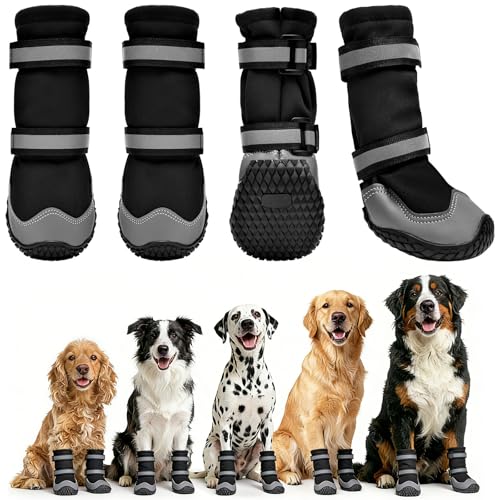


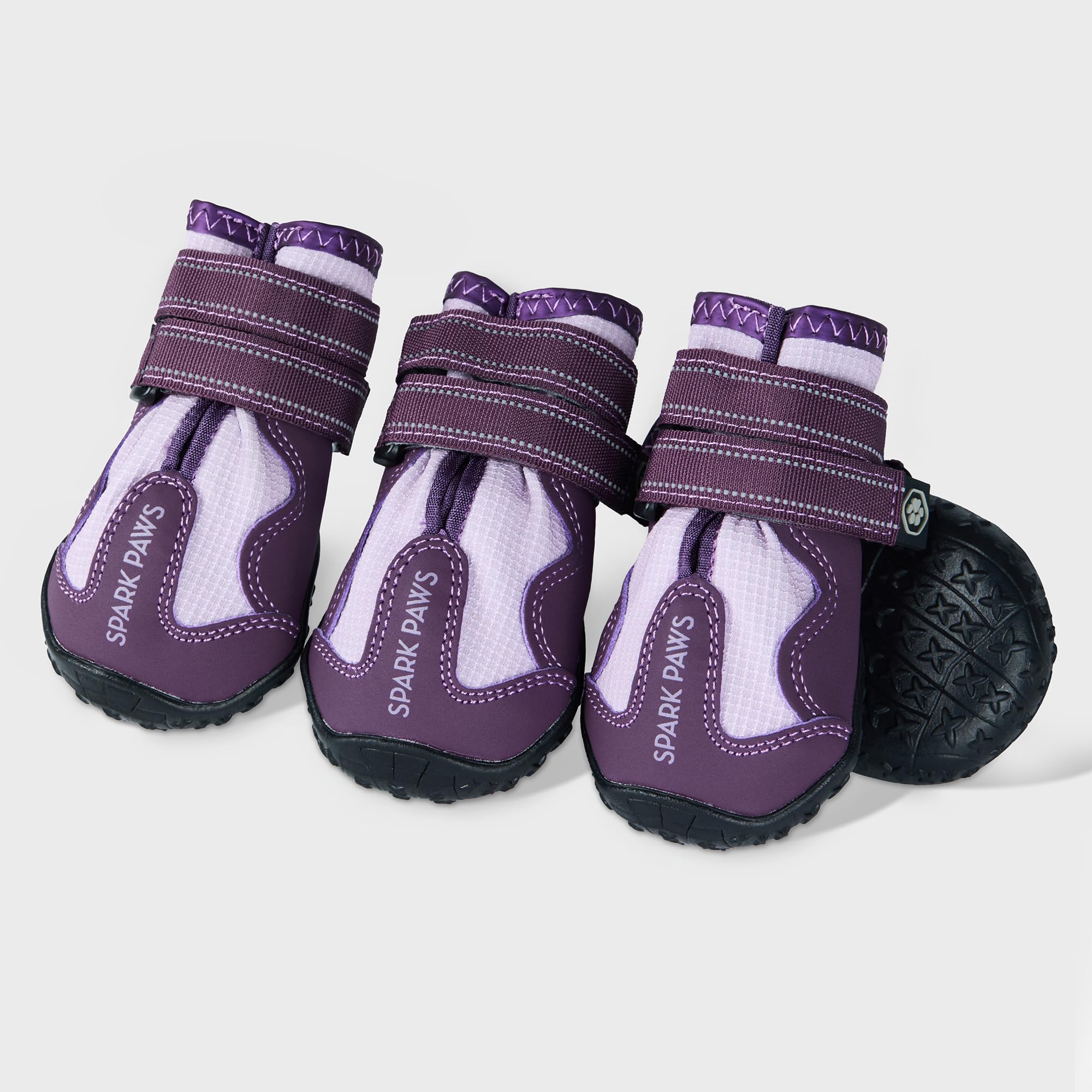


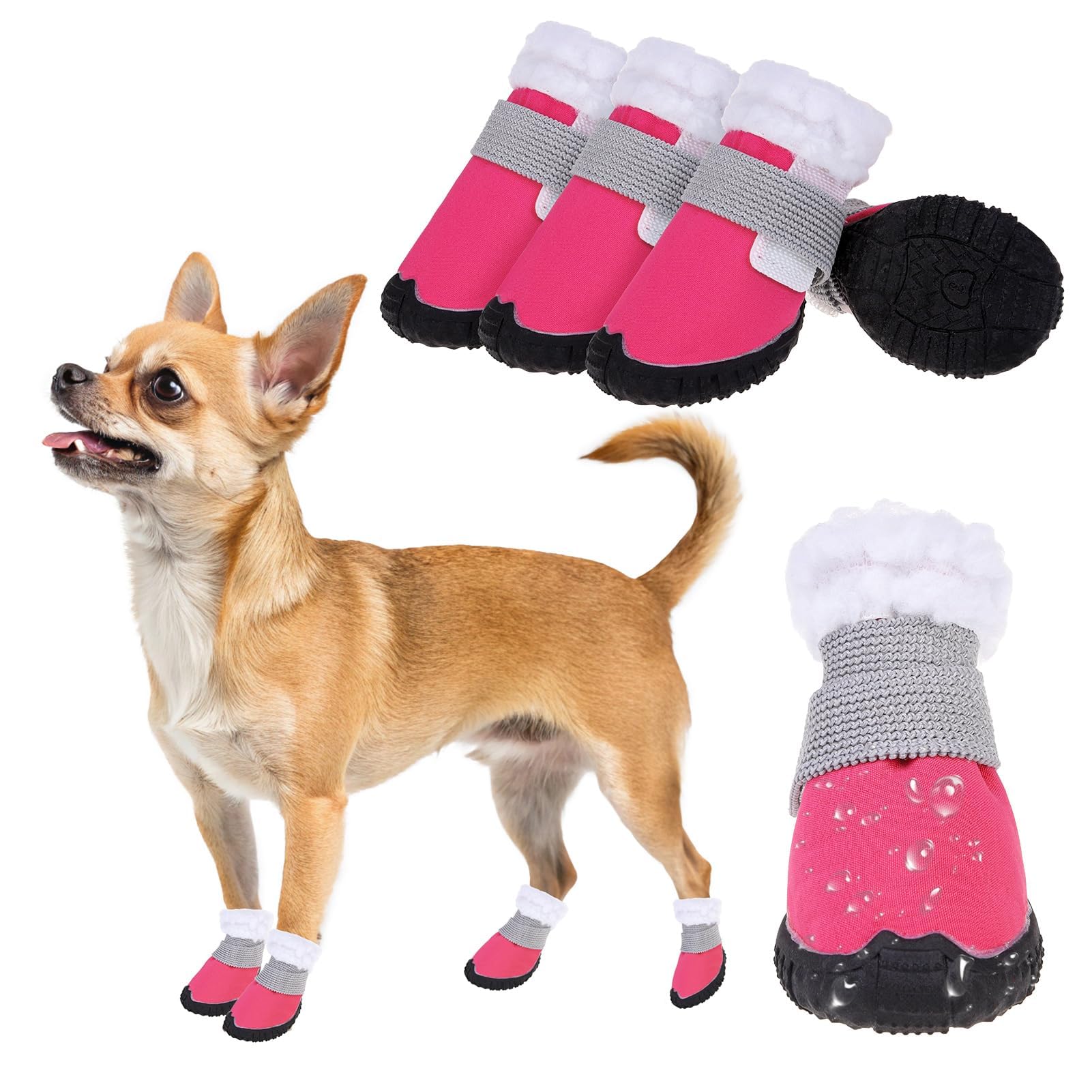
What Your Money Gets You at Each Price Tier
Price tiers in dog boots usually reflect materials, closure design, and sole quality. Lower cost pairs can be a fine starting point, but they often need more frequent replacing. Middle cost pairs usually balance durability and comfort, while higher cost pairs add refined fit systems and tougher soles. Use the tiers as a guide to features, and let your dog's paw size and walking habits decide the final choice.
Lower Cost Boots: What to Expect
Lower cost boots, often around $15 to $30 a set, usually use thin fabric uppers and simple hook and loop straps. They can work well for short walks, light rain, and trying boots for the first time. The trade off is durability: thin soles wear faster on rough pavement, and simple straps may loosen as your dog moves. Check the sizing chart carefully at this tier, since small sizes can vary a lot between makers.
Buy one set first to test fit before you stock up.
Middle Cost Boots: Where Most Buyers Land
Middle cost boots, often around $30 to $60 a set, usually add thicker soles, better straps, and more size steps for small paws. Many pairs in this range offer reflective details, water resistant fabric, and a second strap for a more secure fit. This tier suits regular walkers who need boots for wet weather, salted sidewalks, and rough trails. The extra cost often shows up as a sole that lasts longer and a closure that stays put through a whole walk.
For most small dogs, this tier offers the best balance of price and performance.
Higher Cost Boots: When Extra Spending Makes Sense
Higher cost boots, often around $60 to $100 a set, usually offer molded soles, padded linings, and more precise sizing for very small paws. Some pairs add rugged tread for trails, stronger waterproofing, and closures designed to stay secure on active dogs. The extra spending makes sense when your dog walks daily in harsh weather, hikes on rough ground, or has paws that fall between standard sizes. It does not make sense when a simpler pair already fits well and stays on.
Always test fit before you assume a higher price means a better match.
Features Worth Paying For (and Ones to Skip)
Some features change daily comfort a lot, while others add cost without much benefit. Pay for fit, secure closures, and a sole that suits your walking surfaces. Skip decorative extras that add weight or bulk, and skip heavy insulation unless your dog truly walks in deep cold. The sections below break down each factor so you can spend where it counts.
Fit, Sizing, and Toe Box
Fit matters more than any other feature for small dogs. Measure each paw while your dog stands, since front and back paws often differ in size. A good boot gives the toes room to spread without letting the paw slide forward, and it should not pinch the ankle. If your dog's paws fall between sizes, choose the larger size and check that the strap still closes snugly.
A boot that twists or slips off is worse than no boot at all, because it can trip your dog or cause rubbing.
Cushioning and Support
Small dogs need light cushioning, not thick padding that makes the boot bulky. A thin cushioned insole can soften hard pavement, while a flexible sole lets the paw move naturally. Avoid boots with stiff soles that force an unnatural gait, since small dogs already adjust a lot to wearing boots. Support should come from a snug ankle closure and a well shaped footbed, not from rigid walls.
Watch your dog walk indoors first: a normal, relaxed gait is a good sign, while high stepping or limping signals a fit problem.
Waterproofing and Breathability
Waterproof membranes keep paws dry in rain and slush, but they can trap heat on warm days. Choose full waterproofing for wet winters and muddy trails, and choose water resistant fabric with good airflow for mild weather. Check the seams and the closure area, since water often enters around a loose strap rather than through the fabric. Dry boots fully between walks, and never put damp boots back on your dog.
For hot pavement, a light breathable boot often beats a heavy waterproof pair.
Measuring for Size and Portability
Measure paw width and length with a soft tape or a paper tracing, and compare both numbers with the maker size chart. Weigh portability against performance: lighter boots pack easily and suit travel, while tougher boots weigh more but last longer on rough ground. Small dogs tire faster in heavy boots, so keep the pair as light as you can for the conditions. Carry a spare boot on long walks, since losing one boot can leave a paw unprotected.
Store boots in a dry bag so they stay clean between trips.
Features That Matter for Small Dogs
Small dogs need narrower boots, gentler straps, and soles scaled to tiny paws. A strap that is too wide can press on a slim ankle, and a sole that is too long can catch on steps or curbs. Look for size steps that cover very small paws, and for closures you can adjust with one hand while holding a paw steady. Reflective details help on evening walks, and a secure but soft ankle cuff stops the boot from sliding without cutting circulation.
Follow local animal rules for leash use and off leash areas, and never force boots on a dog that shows signs of distress.
For winter walks, see our guide to the best winter boots for small dogs for cold weather features in more detail. For snowy ground, our guide to the best small dog boots for snow covers traction and insulation choices for small paws.
Long Term Costs to Factor In
Think beyond the first purchase. Replacement sets, lost single boots, waterproofing spray, and washing all add up over a season. Cheaper boots may need replacing twice as often as sturdier pairs, which can erase the initial saving. Check whether the maker sells single replacements or only full sets, and check the warranty terms before you buy.
A pair that lasts a full winter with one replacement strap often costs less overall than a pair that falls apart after a month. Keep receipts and size notes, so reordering the right size is simple.
Check the return policy before you order, since small sizes vary between makers and a first pair may not fit. A clear exchange policy lets you try a different size without paying full price twice. Keep the packaging until you have tested the boots indoors, and note which size worked for each paw.
Frequently Asked Questions
What features matter most in boots for small dogs?
Fit, secure closures, and a sole suited to your walking surfaces matter most in boots for small dogs. A well fitting boot stays on without pinching, and a flexible sole lets your dog walk naturally. Light weight matters too, since heavy boots tire small dogs quickly. Waterproofing and reflective details are useful bonuses, but they cannot fix a poor fit.
Can a small dog wear dog boots all day?
A small dog can wear dog boots for a walk or an outing, but all day wear is rarely needed or comfortable. Boots are meant for protection during walks, not for constant indoor use. Remove the boots after each walk, check the paws for redness or rubbing, and let the paws air out. If your dog needs paw protection for most of the day, ask your veterinarian about the cause and about suitable options.
Do small dogs need waterproof boots?
Small dogs need waterproof boots only when they regularly walk in rain, slush, or mud. Waterproof boots protect against wet paws, road salt, and cold puddles, which can irritate small paws quickly. For dry weather, a water resistant or breathable boot is often more comfortable and less likely to overheat the paw. Check the closure and seams, since water often enters around a loose strap.
How long is the break in period for dog boots?
Most small dogs need a few short indoor sessions to get used to boots, spread over several days. Start with one boot at a time, reward calm behavior, and keep the first sessions to a few minutes. Gradually build up to short outdoor walks once your dog moves comfortably indoors. Some dogs adapt in a day, while others need a week of patient practice.
How often should I replace dog boots?
Replace dog boots when the sole is worn smooth, a strap no longer holds, or the fabric tears at the seams. Daily walkers may need a new set each season, while occasional walkers can stretch a set much longer. Check the tread and closures every few weeks, and watch for rubbing that signals a stretched or misshapen boot. Keep a spare boot on hand, since losing one boot can leave a paw unprotected.
Our Verdict
Start with fit, then match the price tier to how often and where your dog walks. Middle cost boots suit most small dogs, while lower cost pairs work for first time trials and higher cost pairs suit harsh daily conditions. Use the product table above to compare types, and let your dog's comfort decide. The best boots for small dogs are the ones that stay on, protect the paws, and let your dog walk happily.


